
The art of making tea dates back over 5,000 years to the Chinese Shang Dynasty. Today, globally, tea is the most popular drink, second only to water. Let's celebrate tea and the farmers who produce it!
Agriculture and Food
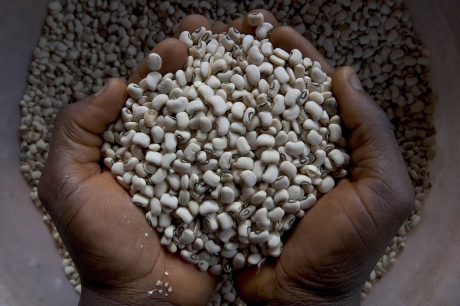
Humans rely on a shockingly low number of plants for the majority of our daily calories. Thousands of plant species and varieties that fed our ancestors are already extinct, and we are losing more every day. Diversity is our food’s life insurance. The Benefit-sharing Fund , established through the FAO International Treaty on Plant Genetic Resources for Food and Agriculture, supports farmers in developing countries to safeguard and use plant genetic diversity for food security and help these communities cope with climate change.

The origin of tea may stretch back more than 5000 years, but its contribution to health, culture and socioeconomic development is still as relevant today. Tea is currently grown in very localized areas, and supports over 13 million people, including smallholder farmers and their households, who depend on the tea sector for their livelihoods. International Tea Day (21 May) is an opportunity to celebrate the cultural heritage, health benefits and economic importance of tea, while working to make its production sustainable.
The Global Network Against Food Crises releases the latest findings on the number of people facing acute hunger and malnutrition. It also provides an analysis of the drivers that are contributing to food crises, including conflicts, extreme weather events and economic shocks, as well as COVID-19-related economic effects. While it does not include the impacts of the war in Ukraine, it exposes the interconnected nature and fragility of global food systems, with serious consequences for global food and nutrition security.
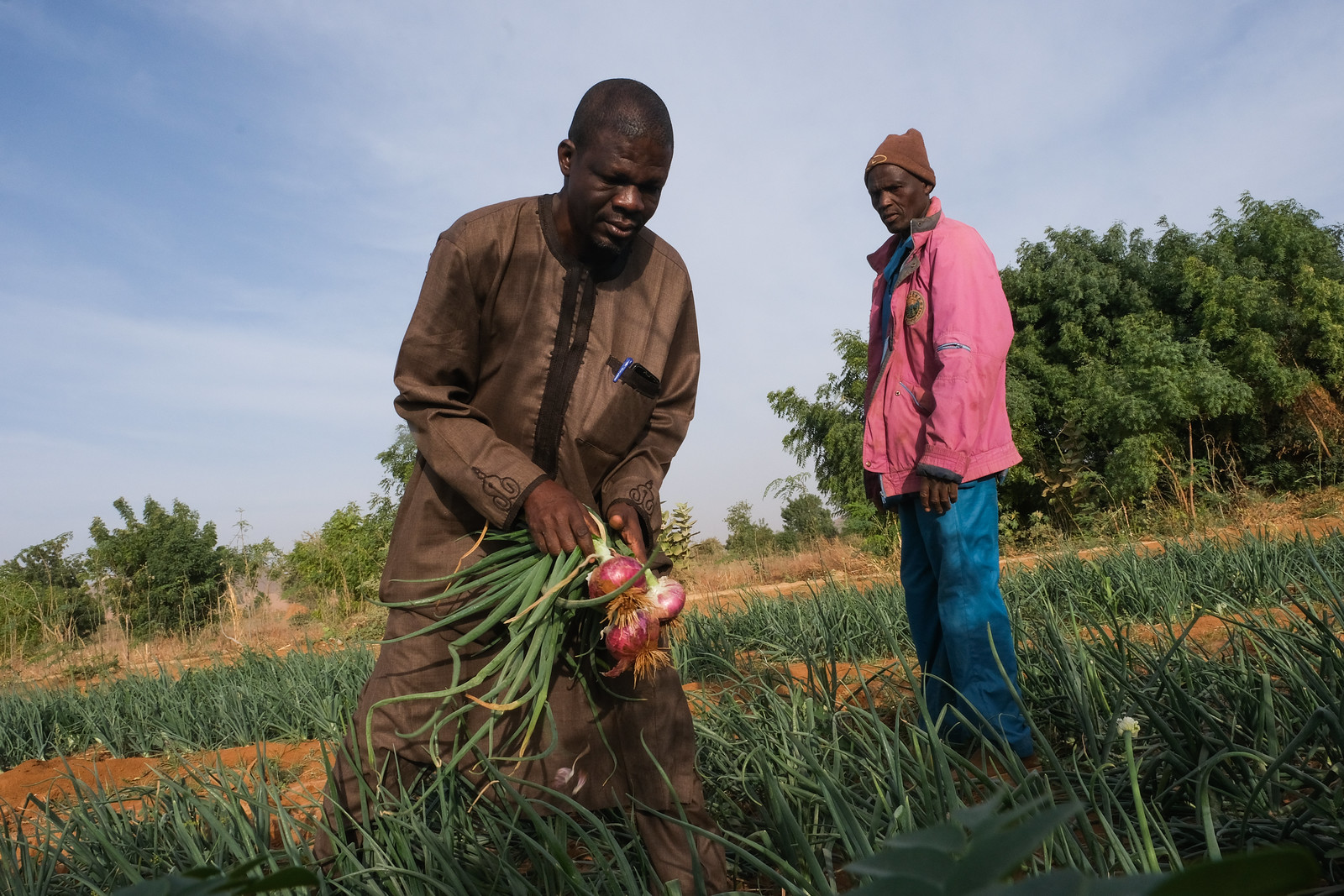
Set to benefit 4 million people living in rural Niger, a five-year programme funded by the Millennium Challenge Corporation and supported by UNOPS aims to reduce poverty and promote economic growth. For farmers like Hamza Saidou, repairing and developing existing irrigation infrastructure can help boost agricultural yield, benefiting local economies and enhancing food security: “The crops that I cultivate require a lot of water, so I have to draw more water from the well. But with the rehabilitation project, I could even increase the moringa seeds.”

Global and domestic food prices were already close to all-time highs before the war in Ukraine, and a large question mark looms over the next seasons’ harvests worldwide.
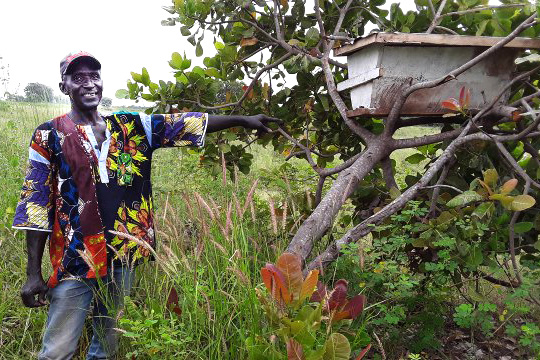
Through a flagship programme spearheaded by FAO and the Gambia’s Department of Forestry, the “Community-based Sustainable Dryland Forest Management” project has outfitted groups of community beekeepers, known locally as Honey Enterprise Groups, with beekeeping equipment such as beehives, uniforms, boots, gloves, uniforms and hive tools. With the support of FAO through this GEF-funded project, the Honey Enterprise Groups are constructing beehives in the forest to harvest honey for their livelihoods.

Find out how tomatoes became known for boosting health, food security and livelihoods.
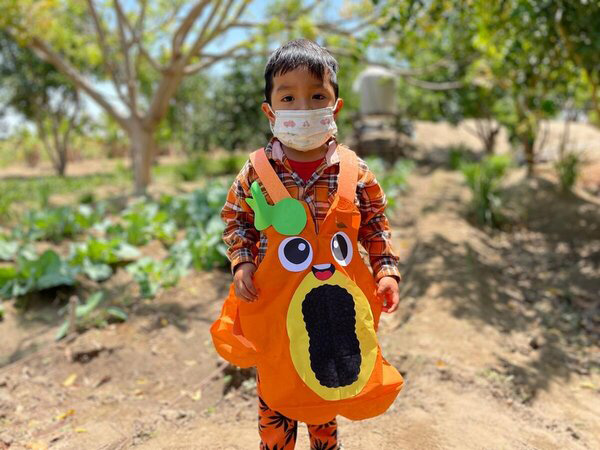
In the Sechura desert, on Peru’s northern coast, several hours away from the main roads, hundreds of families survive hand-to-mouth. Drinking water is unavailable, and nutritious food is scarce – and expensive. Or, at least, it was. Thanks to a project backed by WFP, families share a 900-metre plot of land where they farm organic vegetables and raise farm animals. A drip irrigation system, installed with WFP’s support, allows for efficient use of underground waters, which the families can access through a communal reservoir. Families can now keep part of their harvest and sell the rest.

FAO works to utilize local knowledge sharing networks to raise awareness on how people – food producers in particular – can protect themselves from COVID-19 while maintaining their livelihoods.
Under the banner of Pillar IV of FAO’s component of the Global Humanitarian Response Plan for COVID-19; “Ensuring food supply chain actors are not at risk of virus transmission”, the USAID-funded project "Supporting critical agricultural value chains in food crisis countries in the context of COVID-19” developed a range of products including a series of documentaries and animated films to facilitate documentation and dissemination of emerging COVID-19 sensitization responses in 11 focus countries. These products rely on qualitative data collection and beneficiary-level evidence gathering carried out during on-the-ground missions and can all be accessed on the KORE portal.

Hallilah Nakumai’s family always put education first. In a rare opportunity for a young woman from her village, Hallilah attended boarding school and then a bachelor’s degree on Sustainable Tropical Agriculture. She took away invaluable agricultural expertise, diving deep into plant and animal breeding, biotechnology, agribusiness and entrepreneurship. All this proved its value as she returned to her village. She soon sought and received the support of the FAO-implemented programme to streamline and upgrade the agrifood production of her community in Papua New Guinea.

In a country made up mostly of desert, the United Arab Emirates are using innovative technologies to sustainably farm fish, decreasing pressure on ecosystems and meeting the needs of a growing population.

With the full picture of damage and needs after Tonga’s massive volcanic eruption and tsunami only gradually emerging, what is already clear is that the stakes could not be higher for the farmers and fishers of the South Pacific island nation, living in one of the world’s most disaster-prone regions. With roughly 86 percent of Tongans engaged in agriculture, FAO is extremely concerned about the potential impacts across all agriculture sectors, including fisheries, crops and livestock, even though information is limited, with communications and access remaining severely affected.

The pandemic has already shaken the 2030 Agenda for Sustainable Development, as it continues, FAO reports that progress towards the achievement of the SDGs is still to be determined.