
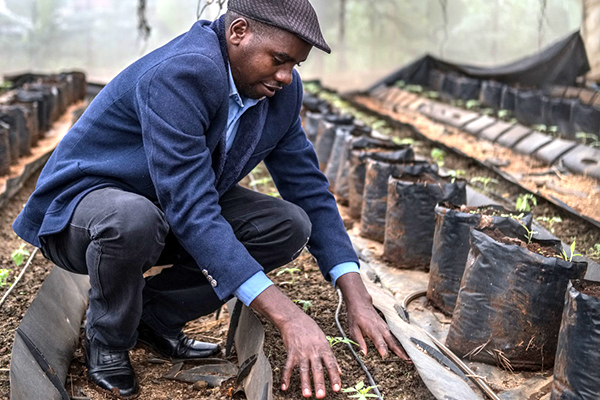
For some small-scale farmers, the impact of COVID-19 has opened the door to new technologies. An IFAD-supported project helps young Kenyan farmers invest in hydroponics systems.
Agriculture and Food
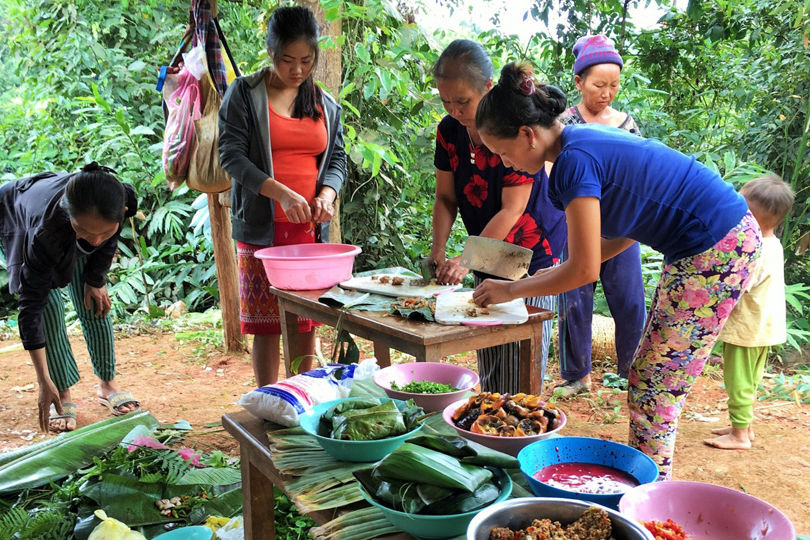
The rural uplands of the Lao People’s Democratic Republic are home to generations of proud family farmers, with many still using traditional farming techniques handed down over the years. Yet, these practices have increasingly struggled to keep up. A joint IFAD-WFP initiative has been helping to improve household diets by strengthening women’s knowledge of nutrition and agriculture.
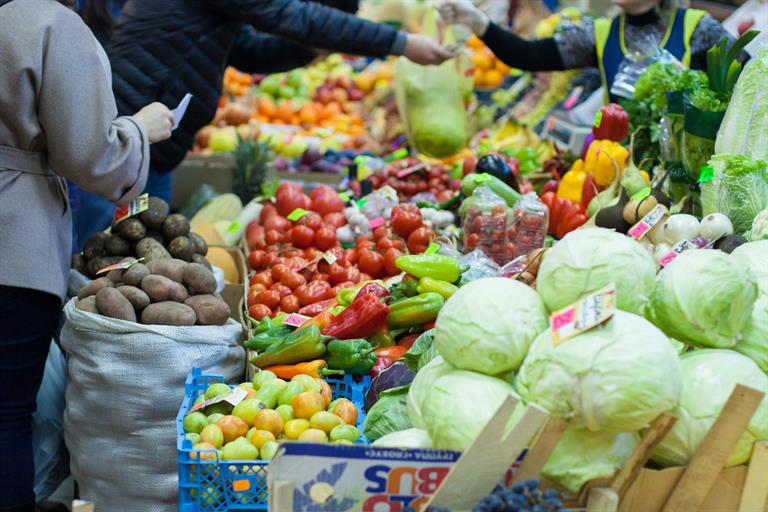
Find out how to shop for and prepare food safely and which foods and supplements can help.
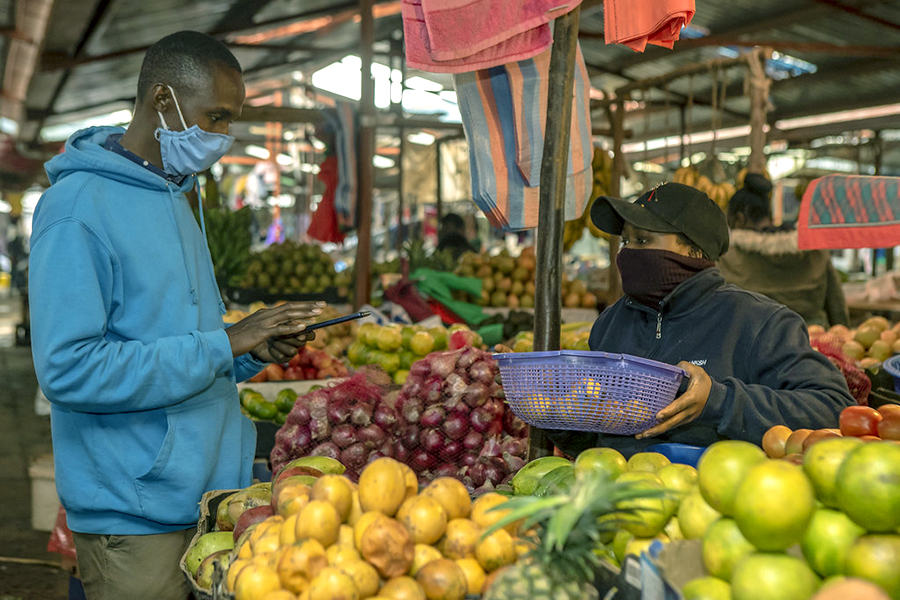
One of the most striking images of the coronavirus pandemic is the contrast between farmers dumping milk, smashing eggs, and ploughing vegetables back into the soil and consumers facing empty store shelves and long lines at food distribution centres. How is it possible to have over-abundance on one hand and scarcity on the other? The World Bank argues that the digital revolution can accelerate the shift towards a more sustainable food future by collecting, using, and analysing machine-readable data.
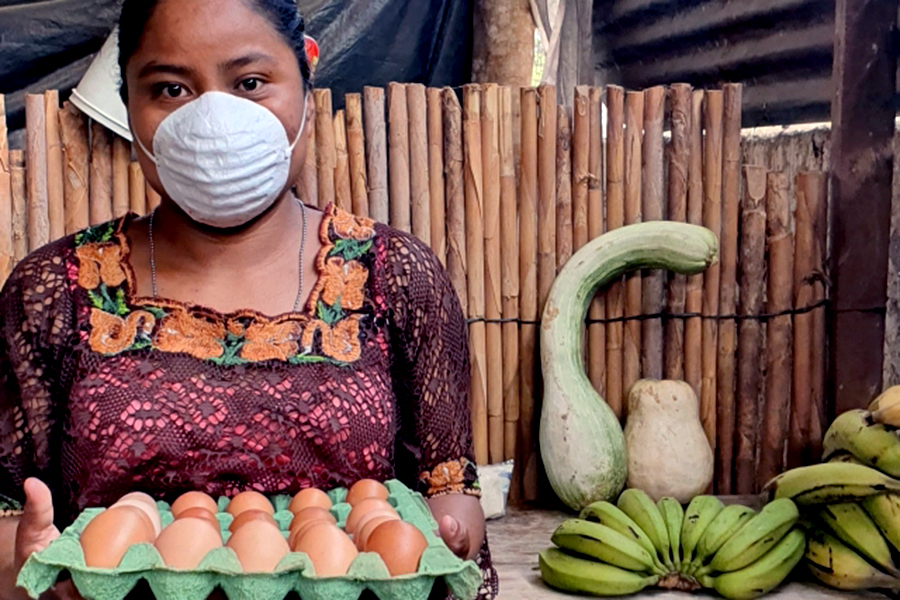
Since COVID-19 struck, life has changed for entrepreneurs and businesses. Due to lockdowns and movement restrictions, smallholder farmers and rural businesses have been unable to access markets and sell produce or other products. FAO launched a youth engagement initiative, Coping with COVID-19: voices of young agripreneurs, to understand the impact of the outbreak on the businesses of young rural people and to know how to best support them during and after the pandemic.

Pandemic or not, Celia Osegueda and her two sons continue to work on their vegetable farm. FAO is working with the Government of El Salvador and local authorities to minimize the impacts of COVID-19 on producer families and strengthen agricultural production in El Salvador. By strengthening the resilience of family farmers and equipping them with the tools needed to provide for their families, FAO is supporting the economic recovery of rural families in El Salvador. Celia is one of the food heroes that has worked to maintain the country’s food security during these trying times.

The IFAD-funded Rural Development Programme in the Mountain Zones in Morocco has empowered the women of Azilal by helping scale-up their saffron business and by providing training.

More people are going hungry, as tens of millions have joined the ranks of the chronically undernourished over the past five years. Globally, 79 per cent of the world’s poorest people live in rural areas, most depending on small-scale agriculture for their income. IFAD's annual report examines the key steps it has taken that will help drive recovery efforts in rural economies in a post-COVID-19 world, as well as address the short-term impacts of the crisis.
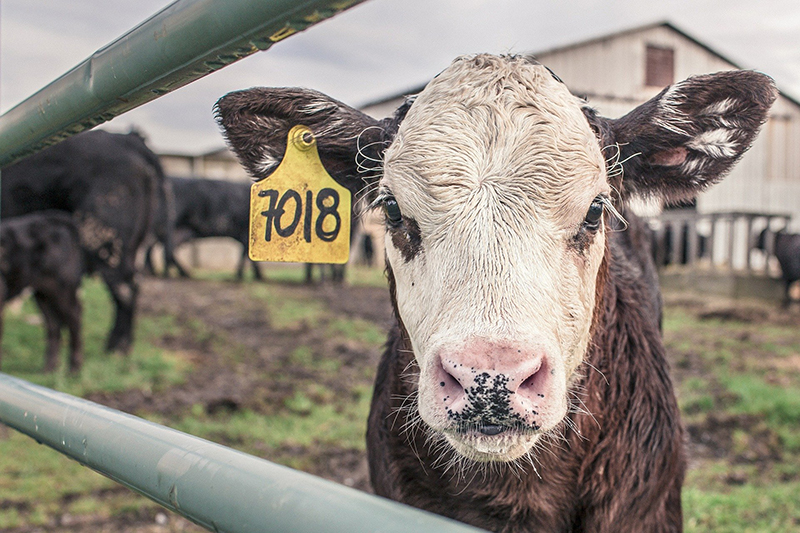
The low retail cost of industrialized food can obscure its very high environmental price tag. Here are 10 things to know about industrial farming.
FAO explains how mechanization can strengthen the food supply chain. It can open new markets and career paths for young people and women, on and off farms. Sustainable mechanization can improve the livelihoods of millions of people.
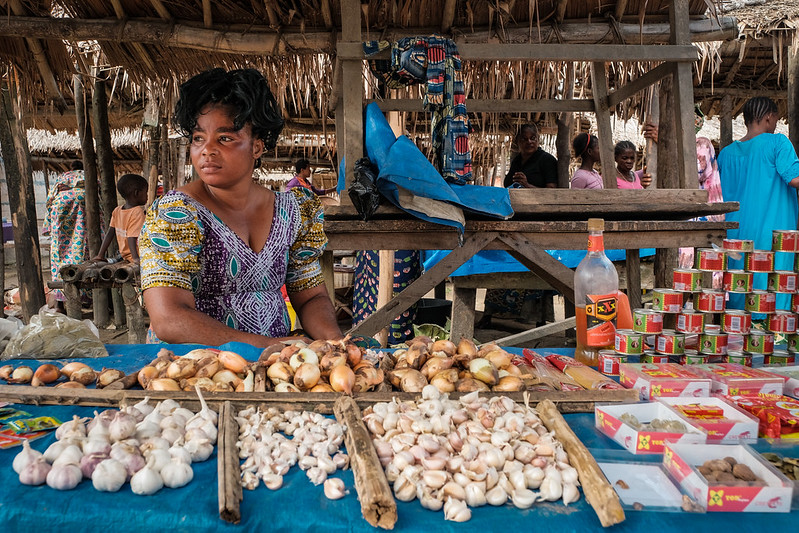
Food systems are essential to economic activity because they provide the energy that we need to live and work. United Nations agencies like UNEP, collectively, suggest rebuilding of economies after the COVID-19 crisis while transforming the global food system and make it resilient to future shocks, ensuring environmentally sustainable and healthy nutrition for all. Cracks in the global food system’s facade have long been apparent, resulting in 2020 as a year of reckoning.
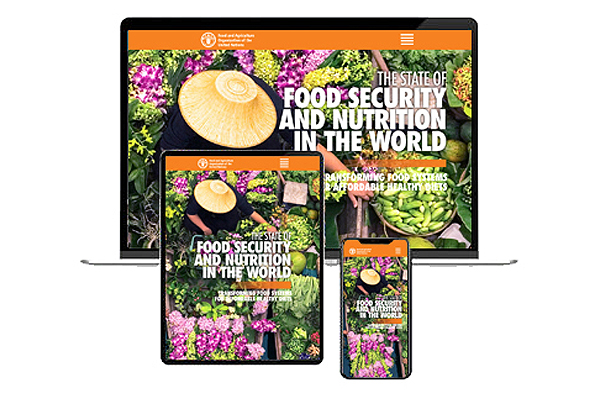
The State of Food Security and Nutrition in the World is the flagship report jointly prepared by FAO, IFAD, UNICEF, WFP and WHO to inform on progress towards ending hunger, achieving food security and improving nutrition. Projections show that the world is not on track to achieve Zero Hunger by 2030 nor to meet global nutrition targets. The food security and nutritional status of the most vulnerable population groups is likely to deteriorate further due to the COVID-19 pandemic.
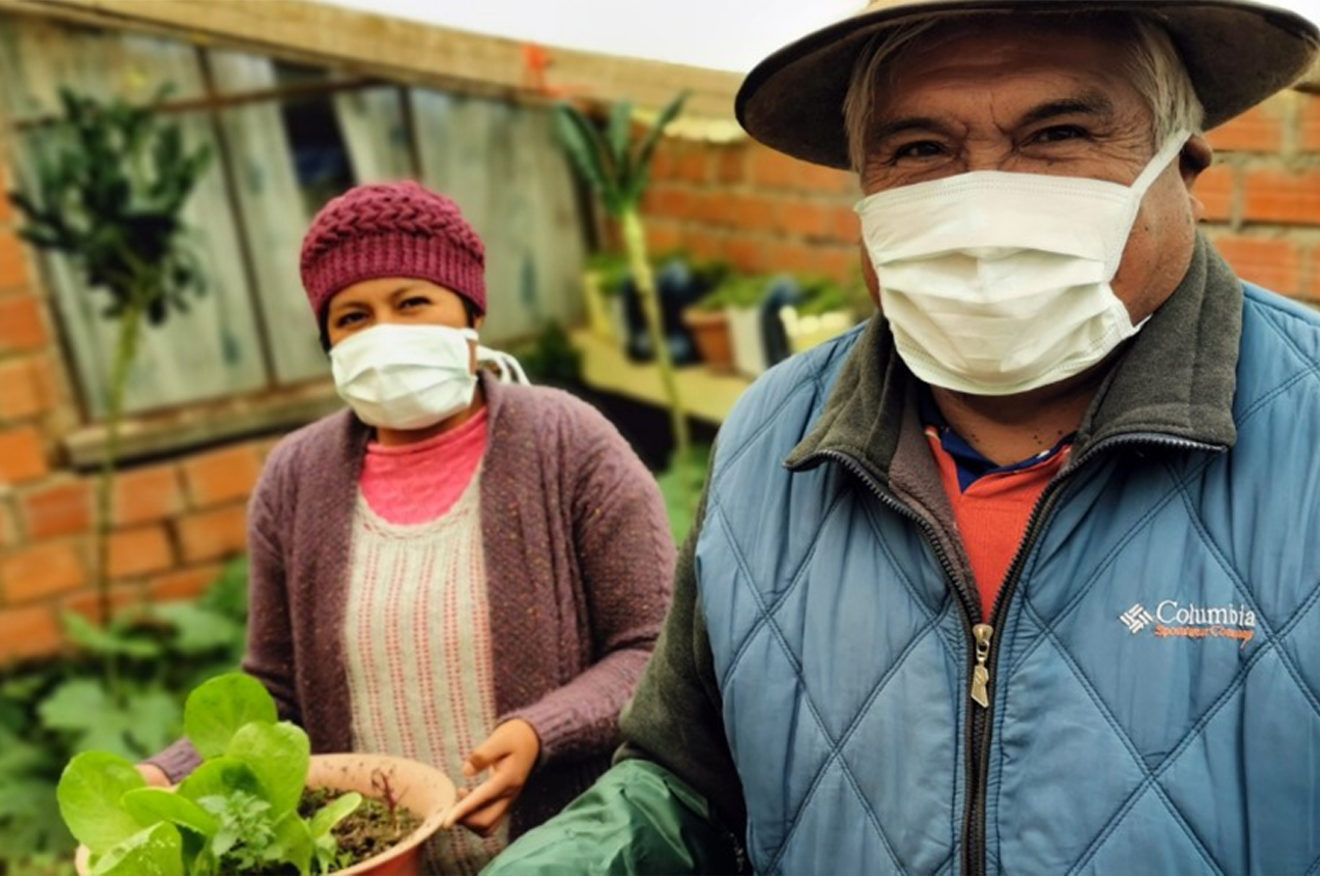
Decades-long decline in hunger in the world has ended. Hunger and food insecurity continue to be challenges, in addition to obesity and malnutrition. These are some of the concerns reflected in The State of Food Security and Nutrition in the World 2020: Transforming food systems for affordable healthy diets, launching today in a virtual event at 10am EDT. This FAO flagship publication provides new estimates and projections of what the world may look like in 2030 if trends of the last decade continue, including some of the impacts of this global pandemic on food security and nutrition.
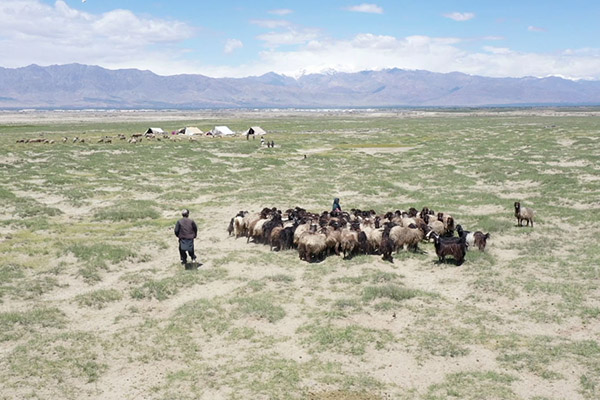
Since COVID-19 hit Afghanistan, it has posed a dreadful dilemma for the Afghan nomads, the Kuchis, get sick or go hungry. IFAD tells the experience of the Kuchis, who normally make a living by herding sheep, goats and camels around the country. Under lockdown, that lifestyle has become very difficult to maintain. For most people, the lockdown measures greatly reduce their exposure to the virus. But for the Kuchis, they pose the danger of blocking their usual trade of livestock and dairy products – and without trade, they have no income and face a shortage of food.