
Negotiations at #COP16Colombia have reached the halfway point. Here in Cali at this 'People's COP' we need to see progress on turning Global Biodiversity Framework commitments into real, tangible action. Lots of work ahead, but together, we can make #PeaceWithNature. More information of UNEP at the CBD COP16 available here.
UNEP
Ugly, annoying, and destructive, super pollutants are invisible yet pervasive, contributing to 45% of global warming and causing significant harm to our health and the environment.

Worldwide, nearly one in three people cook on inefficient stoves or over open fires, breathing in harmful smoke.

Ahead of the International Day of Clean Air for blue skies, UNEP warns of severe air pollution in East and Southeast Asia, urging immediate action to address the crisis and save lives.
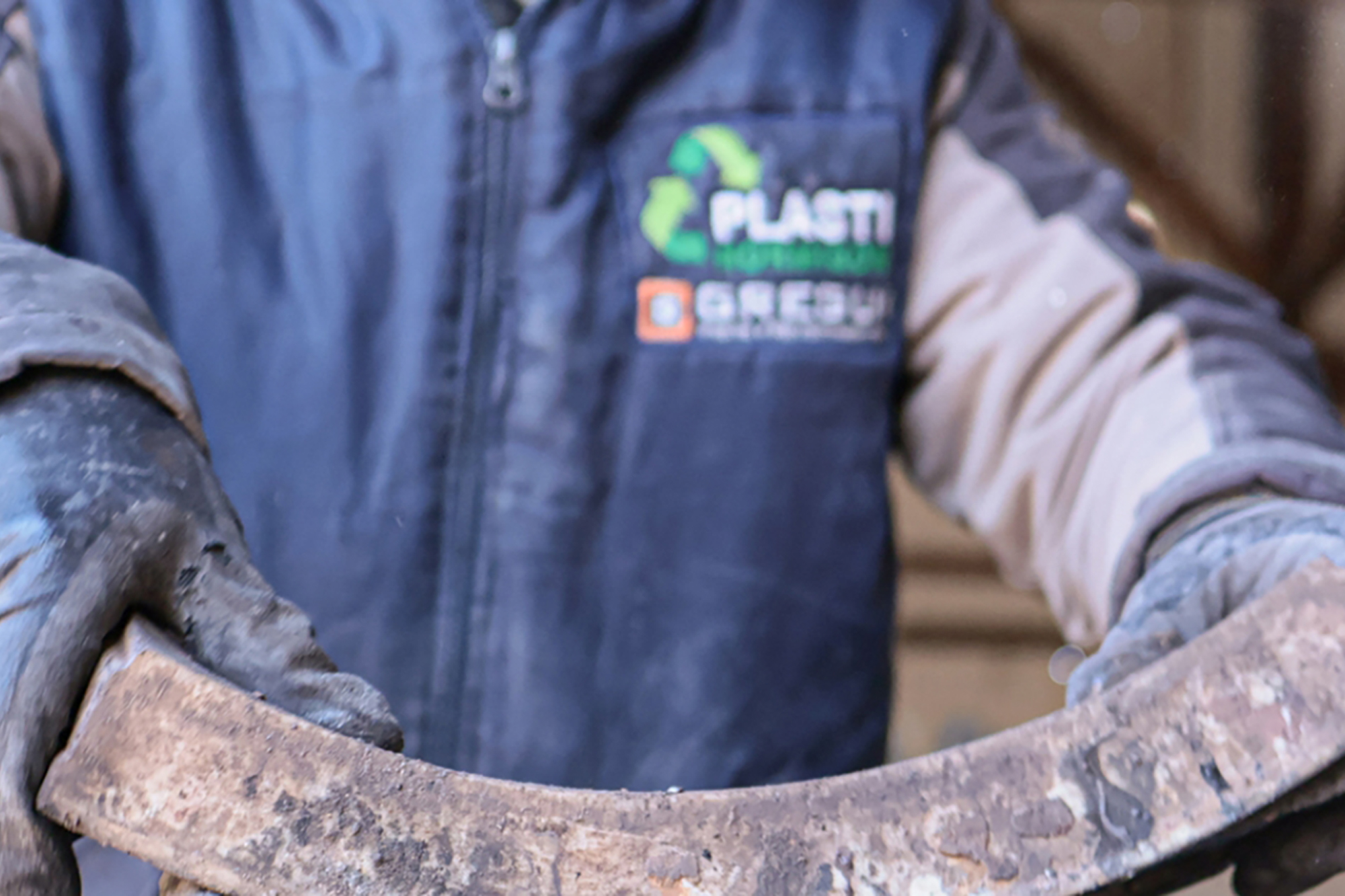
Every year, the world produces around 430 million tonnes of plastic, most of which soon becomes waste. Central to any solution to plastic pollution is a concept known as the life-cycle approach.
Every year, the world loses enough forest cover to fill Portugal, with much of that deforestation happening in 20 tropical countries, including Brazil.
Puyanawa is the chief of the Puyanawa Indigenous Peoples, whose traditional territory had for generations been diced up and deforested, including by the notoriously brutal rubber barons of the colonial era. But in recent years, the Puyanawa have regained control over their lands, largely ending the clear cutting ravaging much of the Amazon. Instead, the Puyanawa have turned to farming, using traditional practices, like dotting their fields with hardwood trees, to ease the burden on the land.
SDG-15: Life on land - Sustainably manage forests, combat desertification, halt and reverse land degradation, halt biodiversity loss.
UNEP: Forests. DESA: United Nations Strategic Plan for Forests 2017–2030. UNECE: Forests.

UNEP's report "Navigating New Horizons" calls for global attention and proactive measures to address emerging challenges impacting planetary health and human wellbeing, emphasizing the need for foresight and adaptive governance.

How much do you know about degraded land, deserts and droughts?

Desertification affects around 45 per cent of Africa’s land, with 55 per cent of this area considered at “high” or “very high” risk of further degradation. That is a huge threat to food security and sustainable development on a continent whose population is expected to grow by nearly 1 billion by 2050. Through Regreening Africa, an award-winning initiative, Ethiopian villagers have replanted trees and shrubs, which are helping to counter desertification. The initiative has restored more than 350,000 hectares across Ethiopia, Ghana, Kenya, Mali, Niger, Rwanda, Senegal and Somalia. It has done so by reaching more than 600,000 households through its training and tree-growing efforts.
Pakistan is revitalizing its Indus River through the Living Indus Initiative, a flagship project under the UN Decade on Ecosystem Restoration, aiming to restore 25 million hectares and breathe new life into this vital waterway.

Fourth mass bleaching event underscores urgent need for global action to save imperiled coral reefs from climate change-induced extinction.
Hundreds of thousands of people are coming together to revive their lands – by tuning dried up monoculture plots into forest gardens.
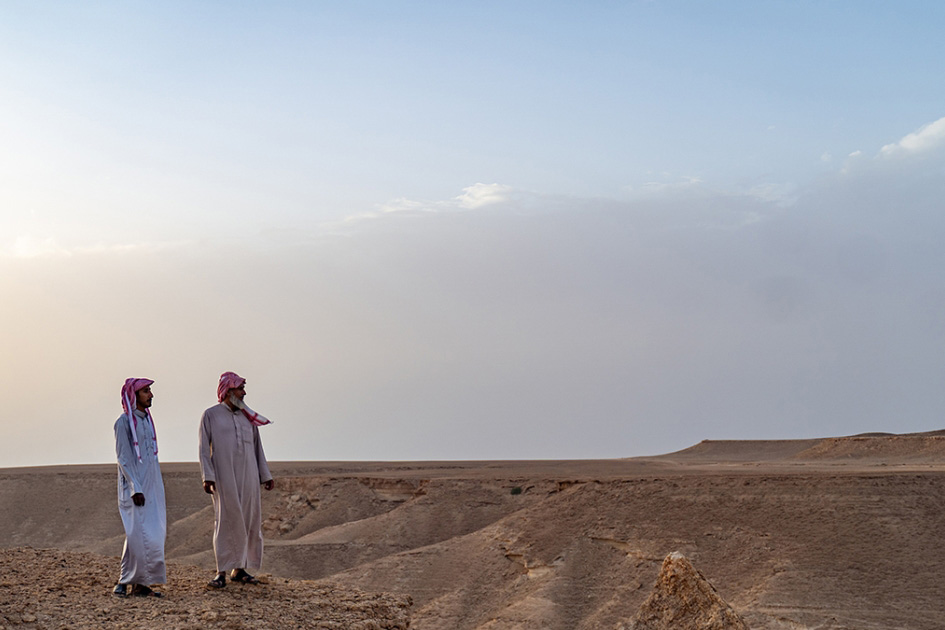
Saudi Arabia is actively working to regreen its deserts and combat drought and land degradation. One notable project involves rehabilitating Thadiq National Park, where 250,000 trees and 1 million shrubs were planted. The Saudi Green Initiative, launched in 2021, aims to turn 30% of the country’s land into nature reserves, plant 10 billion trees, and restore 40 million hectares of degraded land. The goal is to plant 400 million trees by 2030. This effort is crucial given that 60% of the population of West Asia and North Africa faces water scarcity. The country will also host World Environment Day 2024, focusing on desertification, land degradation, and drought resilience.
Restoring Mediterranean forests has been recognized as a World Restoration Flagship under the UN Decade on Ecosystem Restoration, offering hope and solutions to these pressing challenges.

Adaptation policies, including forest restoration and nature-friendly management practices, play a crucial role in mitigating climate risks in the Carpathian Mountains, while promoting biodiversity and ecosystem resilience.