
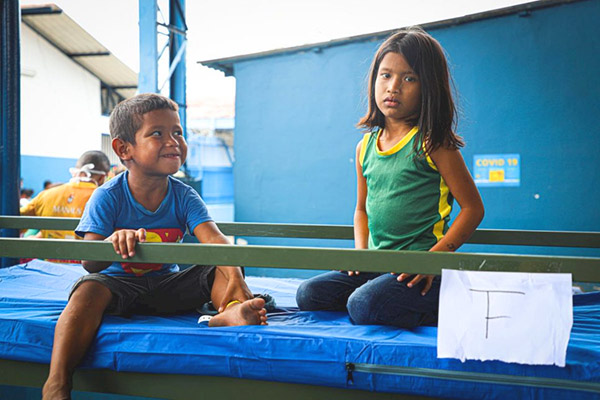
As the Coronavirus pandemic spreads through Latin America, the UN Refugee Agency is warning that many displaced indigenous communities are now dangerously exposed and at risk. National lockdowns have also ground to a halt many of their livelihood activities, such as farming, the selling of produce and handicraft production. UNHCR works with national governments to ensure COVID-19 prevention measures and assistance reaches remote areas where these groups have found safety.
UNHCR
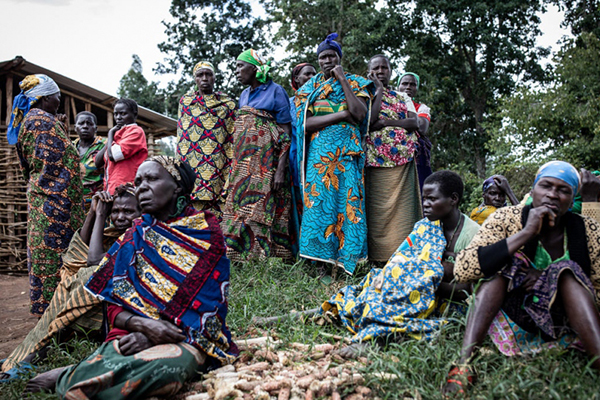
The number of people fleeing conflict or violence but remaining within their own countries has reached an all-time high. 8.5 million new displacements resulting from conflict or violence were recorded in 2019. Another 25 million were triggered by disasters such as cyclones and hurricanes. UNHCR speaks with the Director of the Internal Displacement Monitoring Centre about internal displacement and her chief concerns in 2020, especially in the context of the coronavirus pandemic.

Moheyman Alkhatavi is an Iraqi refugee who works as a nurse at a hospital in Abadan, Iran. He is part of a team of dedicated nurses working tirelessly on rotation to monitor some 50 new patients admitted to the quarantine unit each week while they await COVID-19 test results. There are close to one million refugees in Iran, mostly from Afghanistan and Iraq. From the onset of the pandemic, the Government of Iran has made efforts to ensure refugees have access to health services.
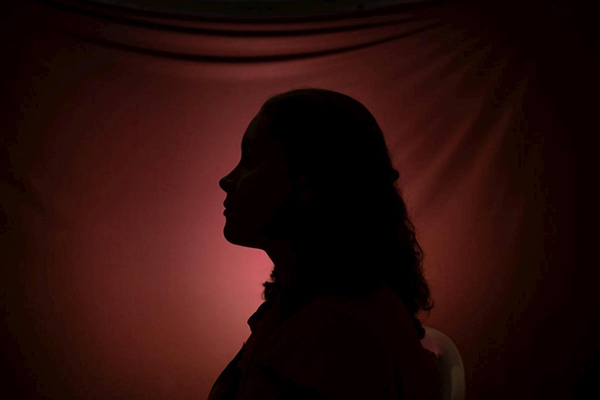
COVID-19 is taking lives and changing communities but the virus is also inducing massive protection risks for women and girls forced to flee their homes. Confinement policies and quarantines have led to restricted movement, reduced community interaction, the closure of services and worsening socio-economic conditions. UNHCR warns that these factors are significantly exacerbating the risks of intimate partner violence, especially for displaced and stateless women and girls.
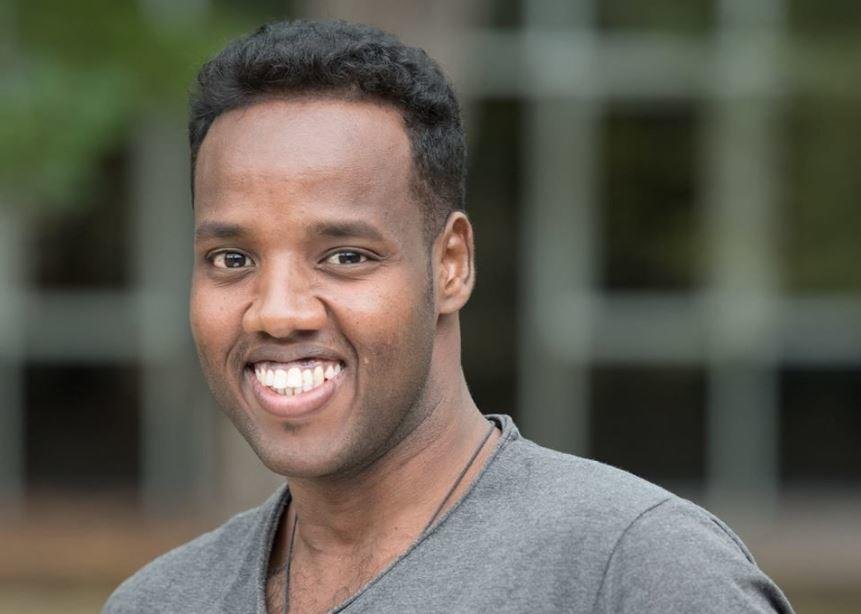
The COVID-19 pandemic has sparked an outpouring of solidarity from people around the world. This reaction includes refugees keen to help in the countries where they now live. Many refugees in Europe involved in medicine in their home countries are finding new ways to use their skills to help care for those in need. The UN Refugee Agency (UNHCR) features the stories of doctors from Libya and Somalia, among refugee medics joining the battle to fight COVID-19 and save lives.

UNHCR’s leading public health expert says prevention and inclusion must be at the heart of the response for displaced people, especially in areas with weak health services. The Refugee Agency is working to slow the spread of the corona virus, reduce its impact and save lives among the refugee population and internally displaced peoples. Most of the world’s 25.9 million refugees are hosted in developing countries, putting extraordinary strain on already fragile local health-care services.
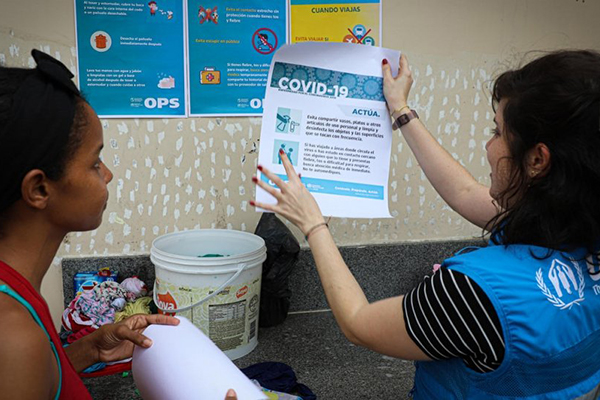
Displaced people and host communities all over the world are at heightened risk as the coronavirus pandemic spreads. The UN Refugee Agency and its staff support their actions.
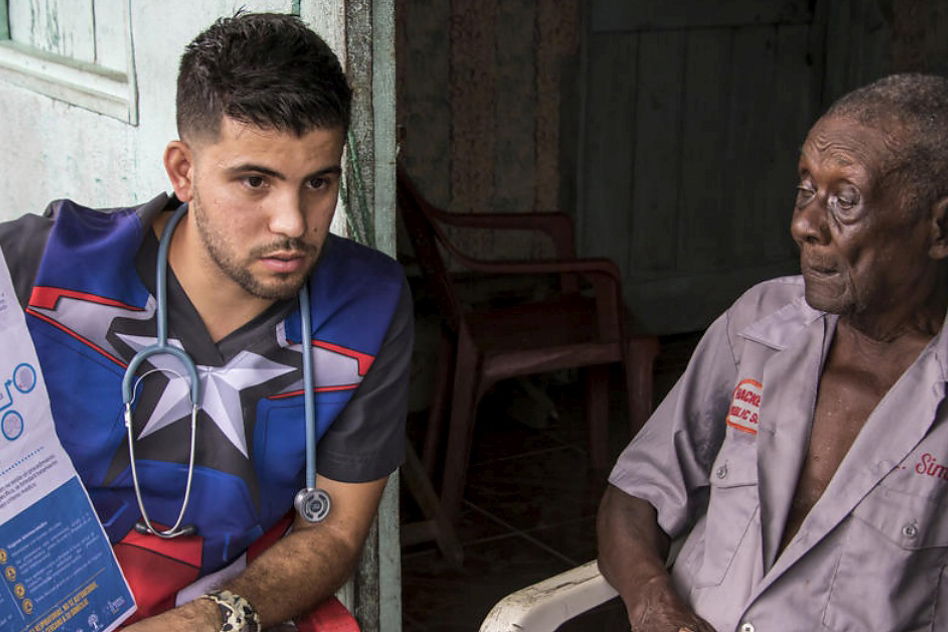
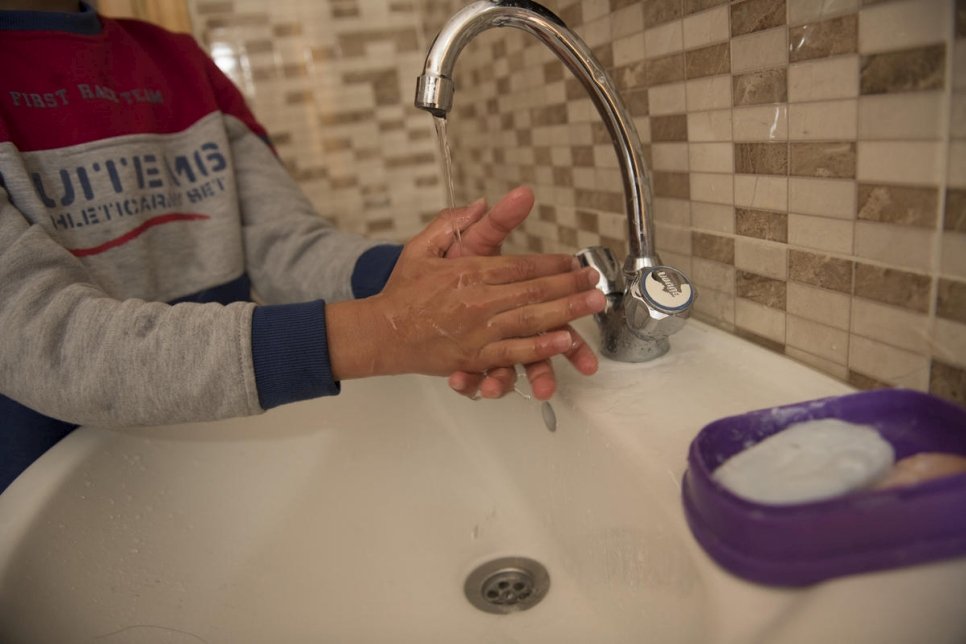
Early in March, before COVID-19 was declared a pandemic, Samuel Suárez was already giving at-risk Ecuadorians in rural areas lifesaving tips to avoid infection. The medic started going door-to-door to explain the dangers of the spreading pandemic to elderly people in Ecuador’s Esmeraldas province, hoping that his advice would be heeded and the spread of the virus avoided. During the house calls, Samuel patiently walks his small audiences of senior citizens – the demographic most susceptible to the illness – through the steps needed to protect themselves and others.
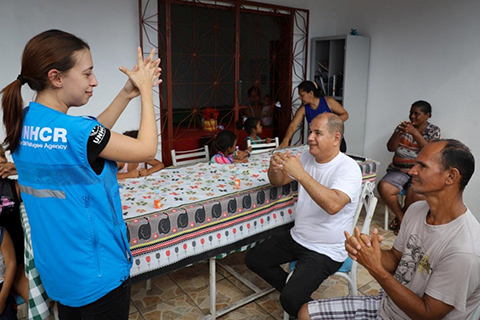
Although the number of reported and confirmed cases of COVID-19 infection among refugees remains low, over 80 per cent of the world’s refugee population and nearly all the internally displaced people live in low to middle-income countries and need urgent support. Many refugees live in densely populated camps or in poorer urban areas with inadequate health infrastructure and WASH – water, sanitation and hygiene – facilities. Prevention in these locations is of paramount importance. The UN Refugee Agency detailed a series of measures it is taking in its field operations.
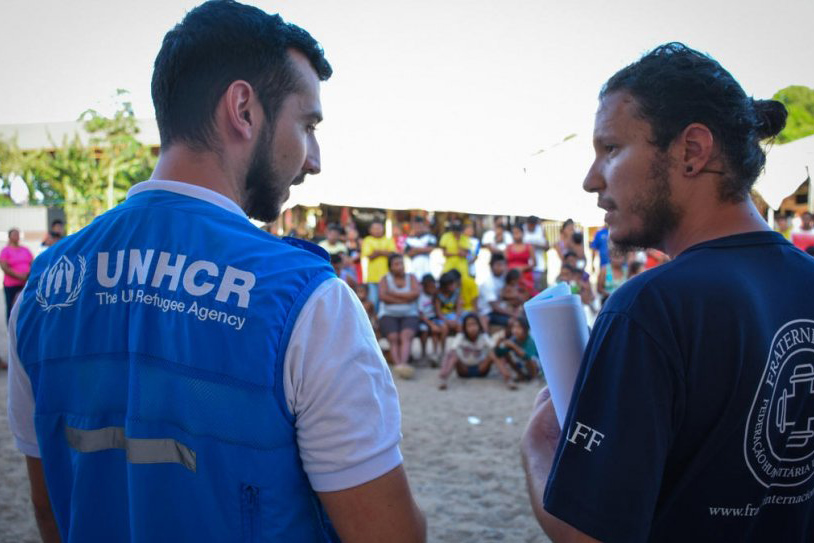
As the coronavirus pandemic accelerates, at greatest risk include some 70 million children, women and men uprooted by war and persecution. Among them are some 25.9 million refugees, more than three quarters of whom live in developing countries in the Americas, Africa, the Middle East and Asia. With weak health systems, some of those countries are already facing humanitarian crises. The UN Refugee Agency seeks US$255 million for its urgent push to curb the impact of COVID-19 outbreaks in these vulnerable communities.
If ever we needed reminding that we live in an interconnected world, the novel coronavirus has brought that home. No country can tackle this alone, no part of our societies can be disregarded if we are to effectively rise to this global challenge. The coming weeks and months will challenge national crisis planning and civil protection systems, and will certainly expose shortcomings in sanitation, housing and other factors that shape health outcomes. Our response to this epidemic must encompass, and in fact, focus on, those whom society often neglects or relegates to a lesser status. Otherwise, it will fail.

UN High Commissioner for Refugees Filippo Grandi called for urgent action to address the increasingly desperate situation of refugees and migrants in reception centres in the Aegean islands. “Conditions on the islands are shocking and shameful,” said Grandi. “Greece – with European support – has to act now to deal with an untenable situation, while the longer-term measures are put in place.”
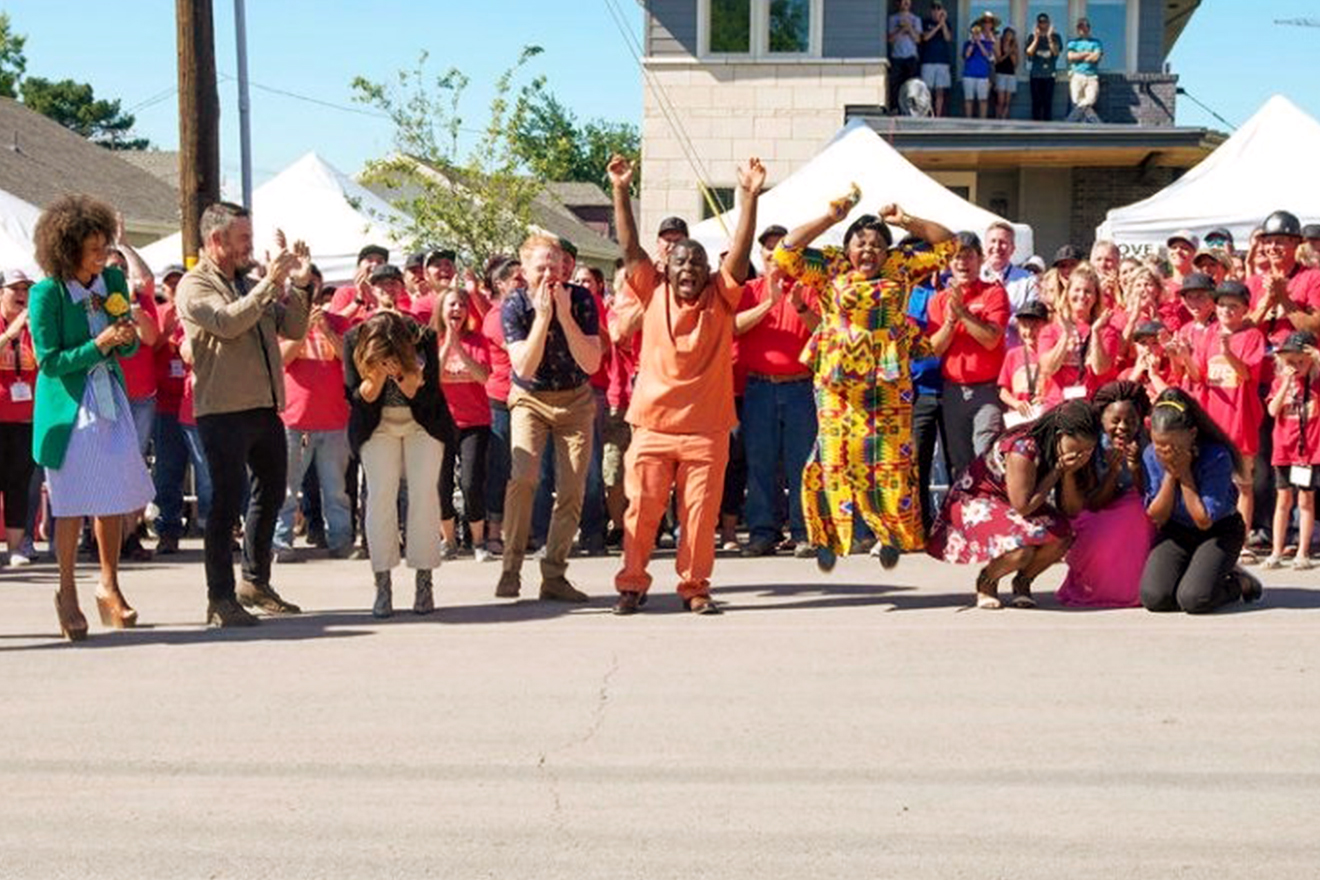
Nakout hasn’t seen her daughter Achan since she was kidnapped by a Ugandan rebel group in 2003. After escaping from the group, Nakout became a refugee in Finland. She has written a letter to her long-lost daughter in the hope they can begin to rebuild their relationship.
Out of 1.4 million refugees estimated to be in urgent need of resettlement worldwide, only 63,696 were resettled through UNHCR, the UN Refugee Agency, last year. While the number of refugees resettled in 2019 increased modestly by 14 per cent when compared to the previous year, in which 55,680 people were resettled, a tremendous gap remains between resettlement needs and the places made available by governments around the world.