
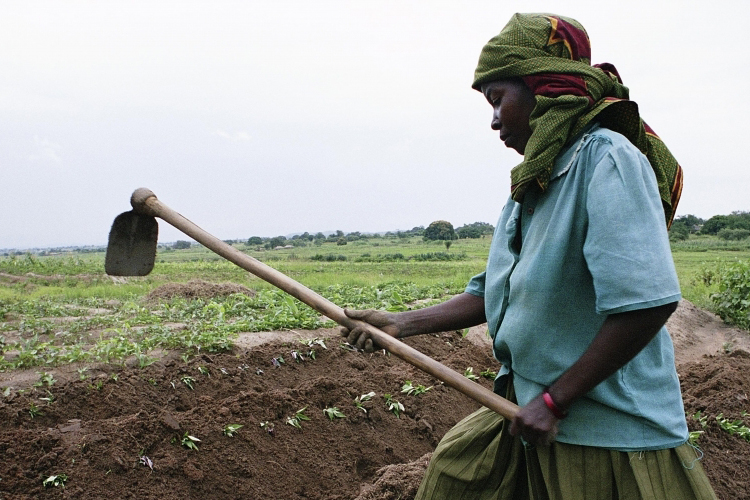
Fertilizer prices have skyrocketed and remain volatile. This poses a serious threat to food security, as the planting season starts this summer.
World Bank
Access to financial services is vital to global development, because having an account makes it easier to invest in health and education or in a business. Accounts also help families manage economic emergencies that can push them into poverty. As of 2021, 71% of adults in developing countries have an account with a financial institution or mobile money provider, an increase of more than 50% from a decade ago. Since 2011 the World Bank produces the Global Findex Database as the definitive source of data on global access to financial services from payments to savings and borrowing.
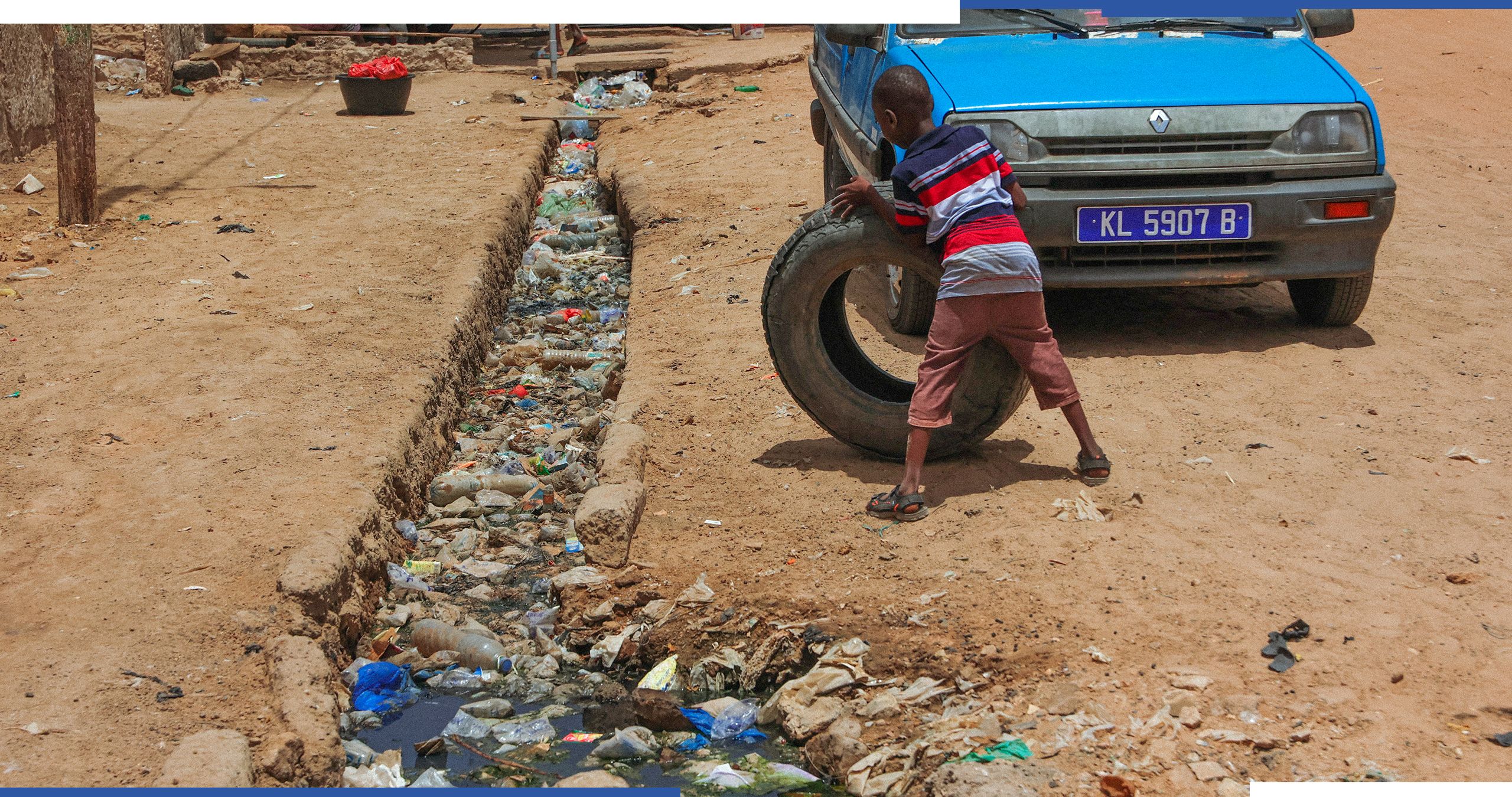
Plastics are here to stay. They are easy and inexpensive to make and have been a significant driver for development. But plastic waste has become an omnipresent threat - with public health, livelihoods and the environment all suffering. Plastic can take hundreds of thousands of years to decompose. The World Bank is committed to tackling plastic pollution, recognizing it as a key element in alleviating extreme poverty. Today the World Bank Group supports efforts in more than 50 countries around the globe and at every stage of the plastic lifecycle.
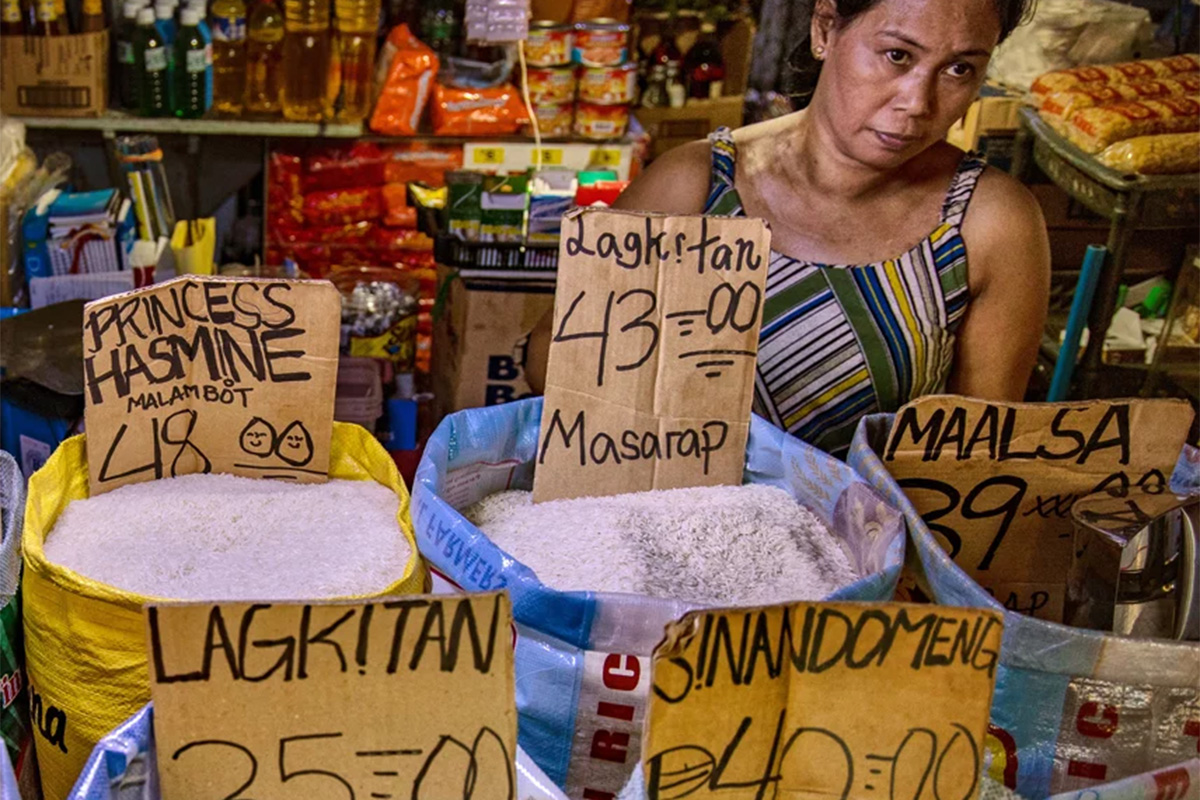
Just over two years after COVID-19 caused the deepest global recession since World War II, the world economy is again in danger. This time it is facing high inflation and slow growth. Even if a global recession is averted, the pain of stagflation could persist for years- unless major supply increases are set in motion. The World Bank’s latest report presents the risk of stagflation, with potentially harmful consequences for middle- and low-income economies alike. A forceful, wide-ranging policy response is required to boost growth.
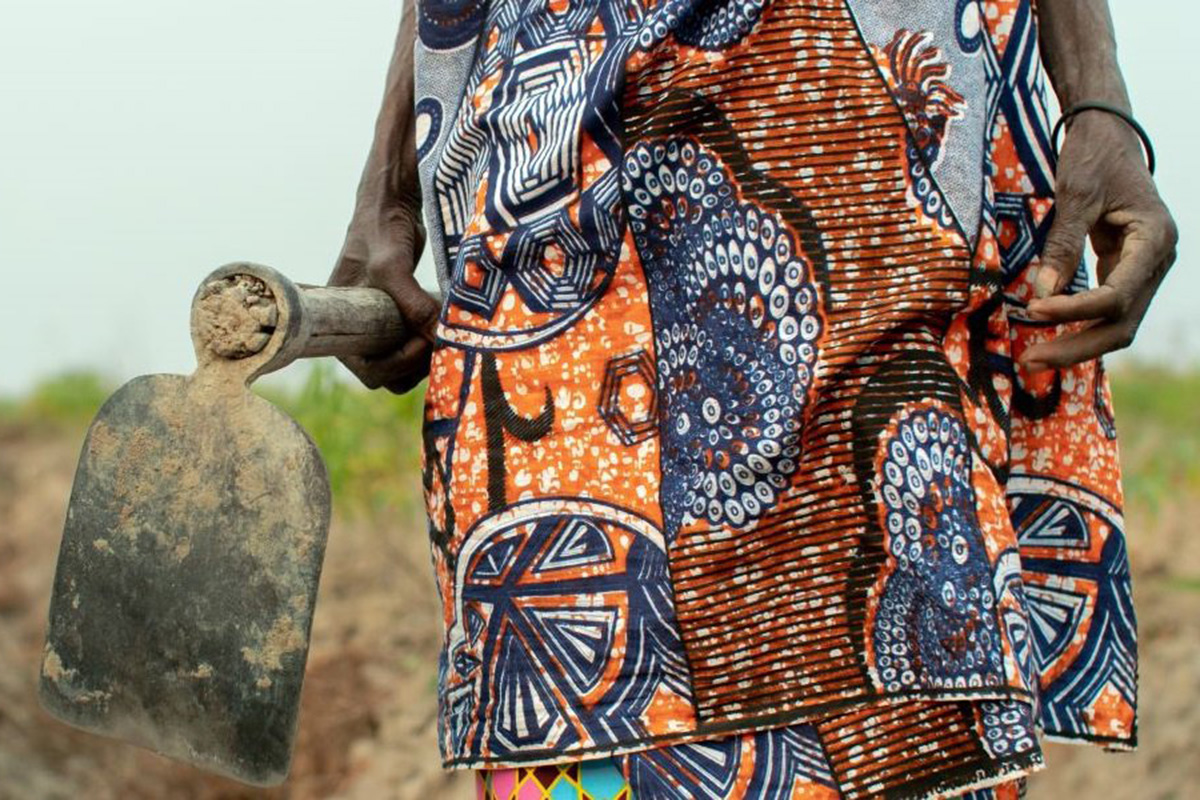
The World Bank is working with countries on the preparation of $12 billion of new projects for the next 15 months to respond to the food security crisis. These projects are expected to support agriculture, social protection to cushion the effects of higher food prices, and water and irrigation projects. In addition, the World Bank’s existing portfolio includes undisbursed balances of $18.7 billion in projects with direct links to food and nutrition security issues, covering agriculture and natural resources, nutrition, social protection, and other sectors.

Officially recorded remittance flows to low- and middle-income countries (LMICs) are expected to increase by 4.2 percent this year to reach $630 billion. This follows an almost record recovery of 8.6 percent in 2021, according to the World Bank’s latest Migration and Development Brief released today. Remittances to Ukraine, which is the largest recipient in Europe and Central Asia, are expected to rise by over 20 percent in 2022. However, remittance flows to many Central Asian countries, for which the main source is Russia, will likely fall dramatically.
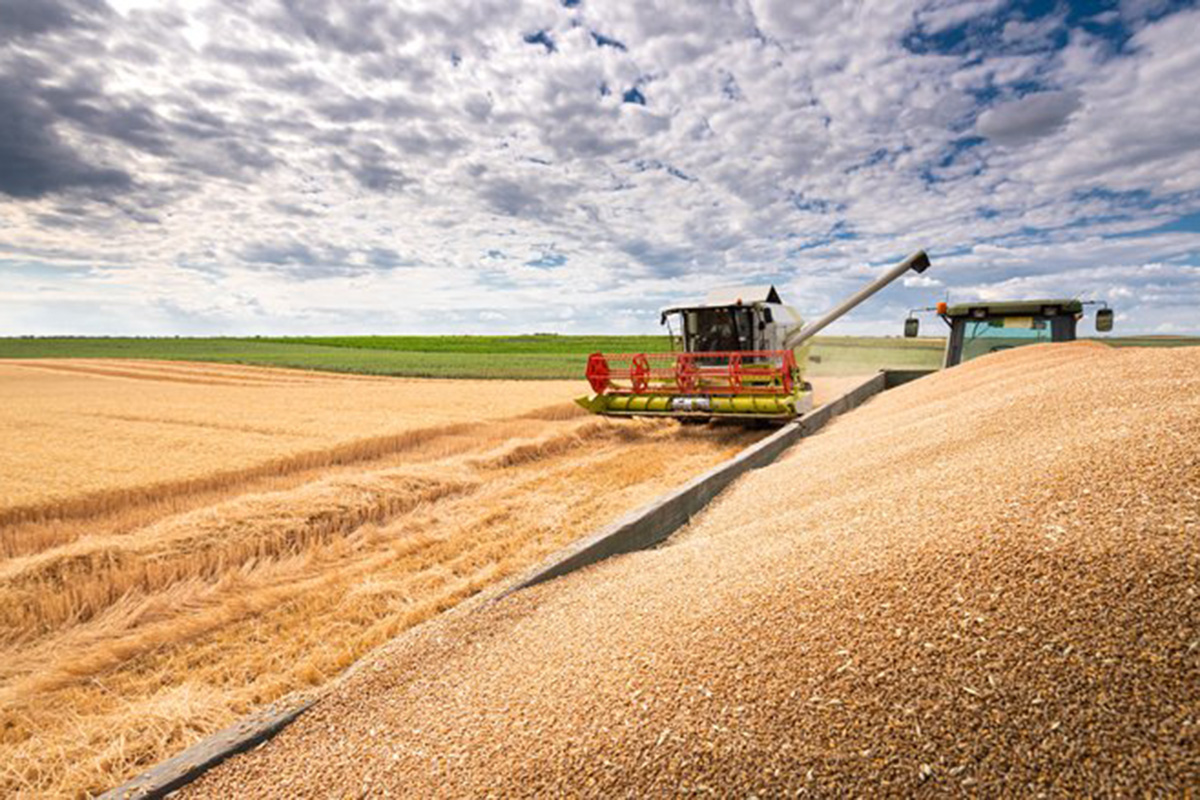
The war in Ukraine has dealt a major shock to commodity markets, altering global patterns of trade, production, and consumption in ways that will keep prices at historically high levels through the end of 2024, according to the World Bank’s latest report. The increase in energy prices over the past two years has been the largest since the 1973 oil crisis. Price increases for food commodities—of which Russia and Ukraine are large producers—and fertilizers, which rely on natural gas as a production input, have been the largest since 2008.

Global and domestic food prices were already close to all-time highs before the war in Ukraine, and a large question mark looms over the next seasons’ harvests worldwide.

G.S. Kabuga is one of 3,388 schools in Rwanda benefitting from reconstruction and refurbishment efforts, funded by the government of Rwanda and the World Bank. In the span of just one year, 22,505 classrooms across all 30 districts of Rwanda were built or refurbished with some accessibility features for learners with disabilities. Despite global setbacks brought-on by the COVID-19 crisis, significant progress has been made in meeting the 10 commitments, identified at the 2018 Global Disability Summit.
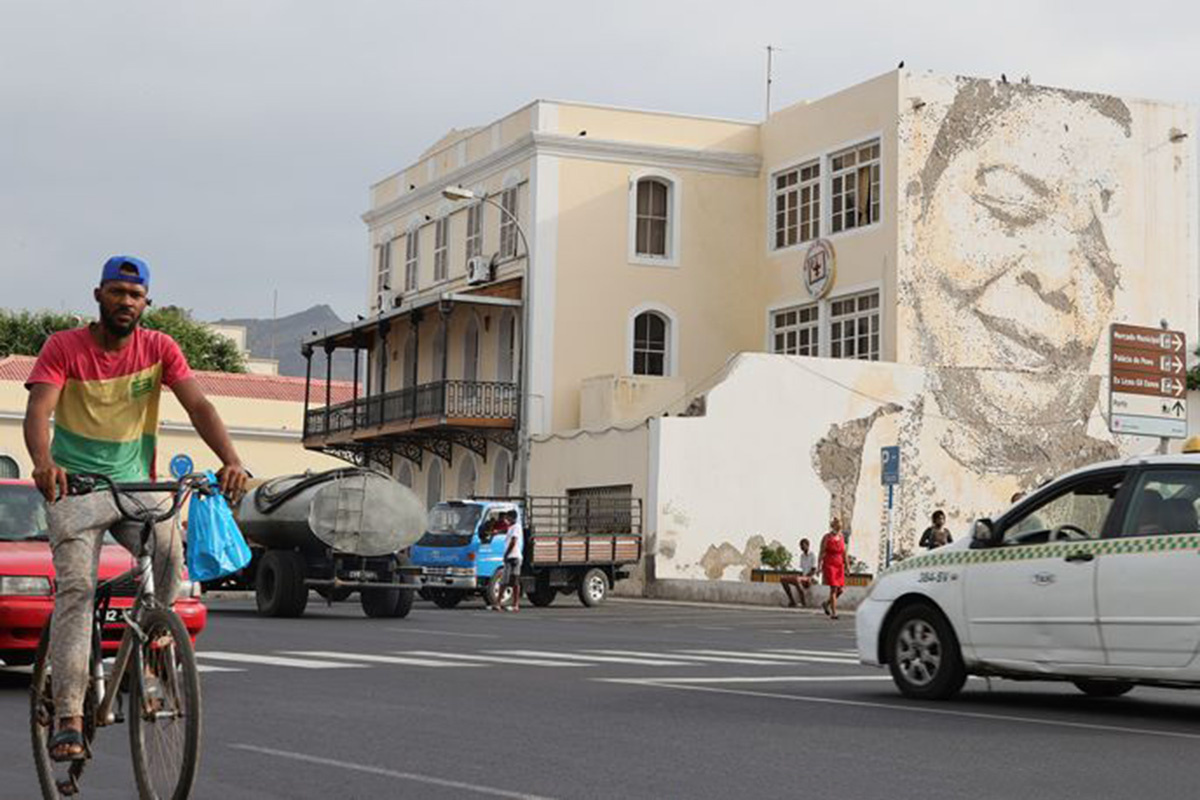
When COVID-19 hit, the closure of Cabo Verde’s borders to prevent the virus from spreading took a toll on people’s lives and livelihoods. Tourism suddenly stopped and many Cabo Verdeans lost their job. Thanks to a strong health system and a sound supply strategy, Cabo Verde became a model for COVID-19 response, with a lot to teach its neighbours on how to carry out vaccination campaigns. The World Bank responded to the crisis through several operations, at the beginning of the pandemic for $10 million, including credit line and social inclusion programmes.

The war in Ukraine could not have come at a worse time for the global economy—when the recovery from the pandemic-induced contraction had begun to falter. The World Bank explains how the Ukraine crisis could make it harder for many low- and middle-income economies to regain their footing. Besides higher commodity prices, the fallout is likely to arrive through several other vectors, including trade shocks. Countries closest to the conflict-due to trade and other links-are likely to suffer the greatest immediate harm. But the effects could ripple far beyond.
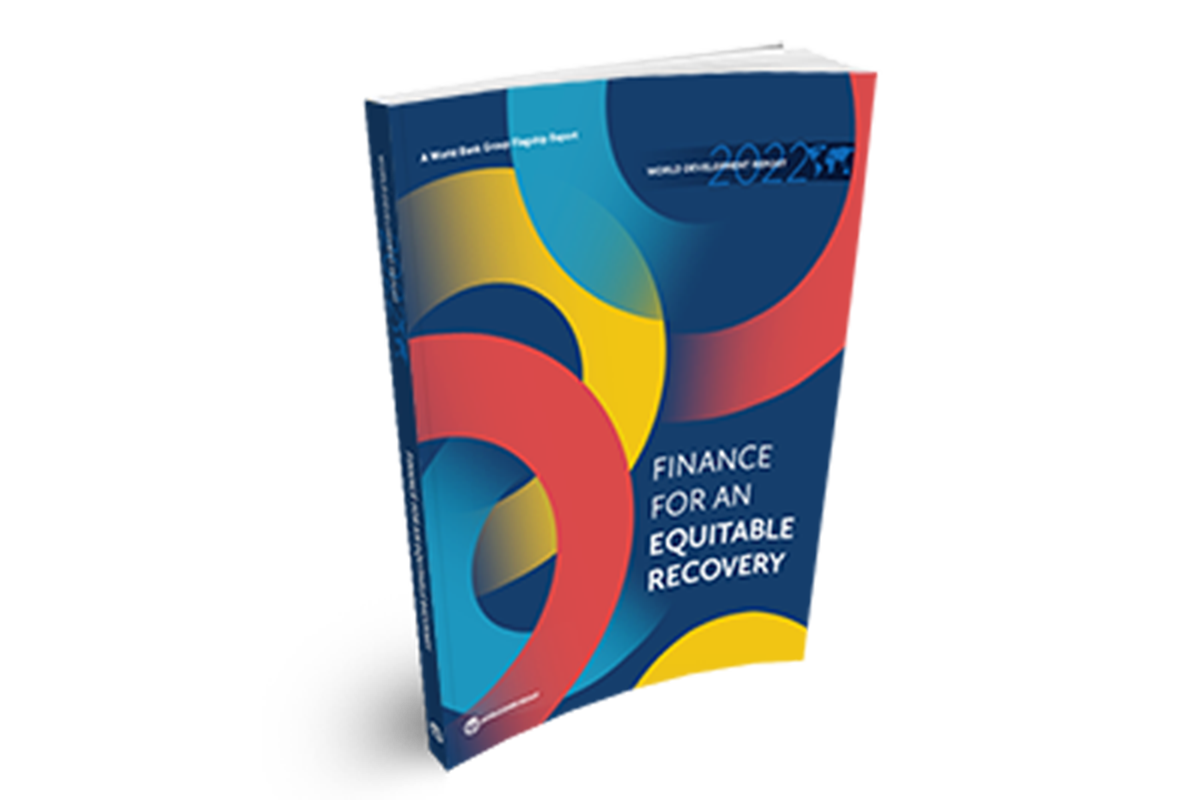
The World Bank World Development Report 2022: Finance for an Equitable Recovery, examines the central role of finance in the economic recovery from the pandemic.

The forum (7-15 March), offers a platform for the global community to gather and gauge the way it has been responding to fragility, conflict, and violence over the past decade and how to move forward.

After rebounding in 2021, global growth is expected to decelerate markedly in 2022, reflecting continued COVID-19 flare-ups, diminished fiscal support, and lingering supply bottlenecks.
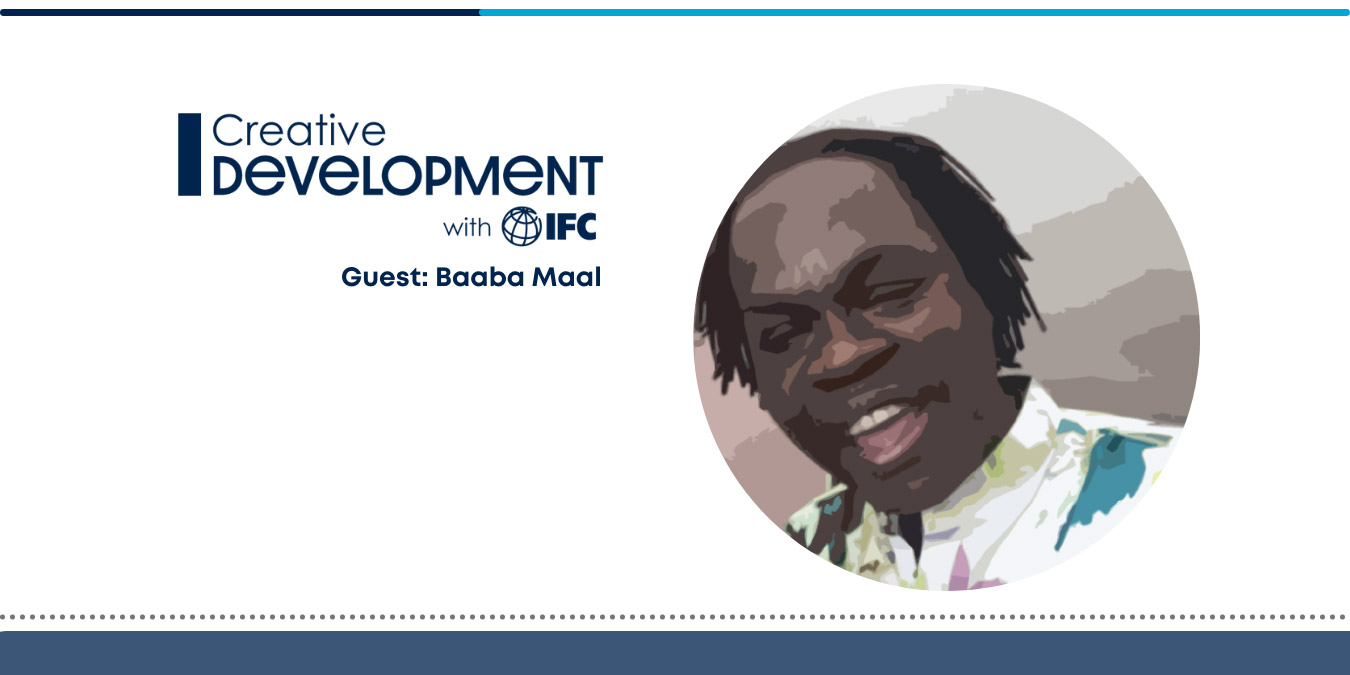
Creative Development with IFC - S1E2
IFC Managing Director Makhtar Diop talks with world-renowned Senegalese musician Baaba Maal about how music can help raise awareness of a changing climate, give voice to the issues that matter to people, and bring people together to make change happen. He also discusses his efforts to combat desertification in the Sahel and to raise awareness for gender equality.
Photo Credit: IFC