
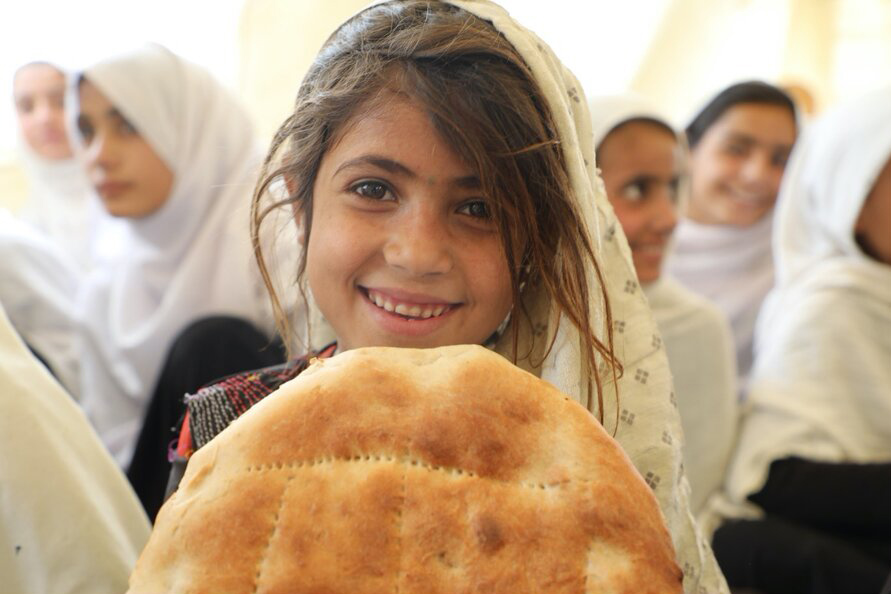
WFP is designing programmes to support Afghanistan's smallholder farmers and feed children at the same time. The Bread+ project, pictured, gives children midday snacks and will grow to work with 1,100 local bakers by September. Mary-Ellen McGroarty, World Food Programme country director for Afghanistan, explains why donors - whose help averted famine over the winter - must continue their support.
Food Aid
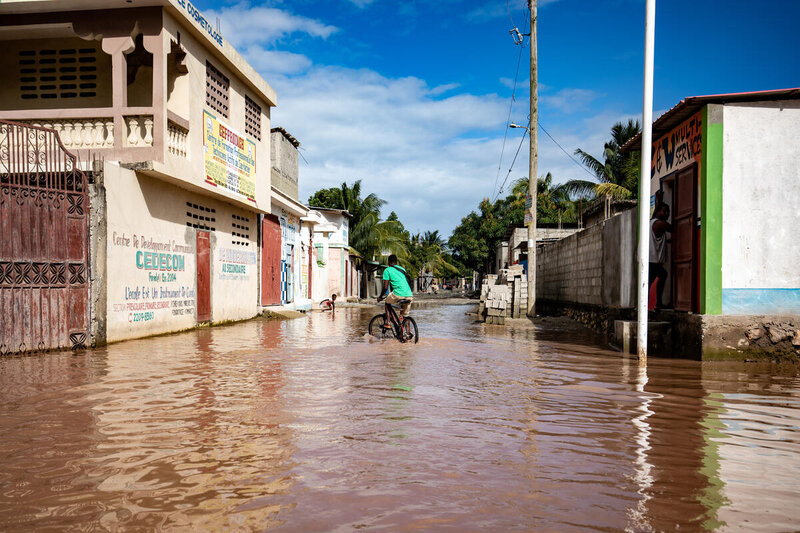
It is still possible to solve the climate crisis. But time is short. We must invest in our planet now to protect people, livelihoods and our futures. WFP works with communities in Haiti to build resilience to climate shocks by creating, rehabilitating and modernising community resources. In 2021, 80,000 people in six departments benefitted from resilience activities. This included 73,000 trees planted and 2,500 metres of flood protection dikes and 6,264 meters of drainage canals rehabilitated.
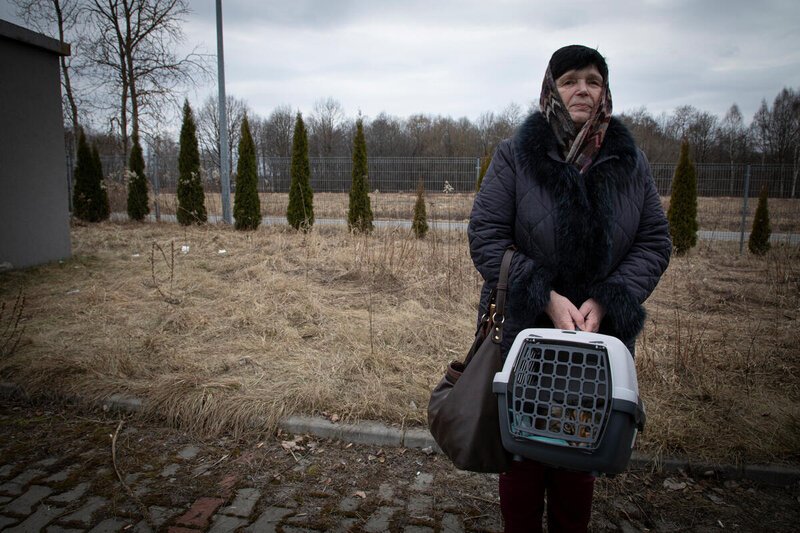
The World Food Programme is calling for US$570 million as it kicks off an emergency response to the Ukraine crisis. The organization is putting critical supplies in place as the UN says more than a million refugees have crossed into neighbouring countries. Ljudmila, 70, could not bear to leave her cat behind as she embarked on a six-day journey to Poland. WFP is working with UNHCR, the UN Refugee Agency, to assist 300,000 people outside Ukraine’s borders.
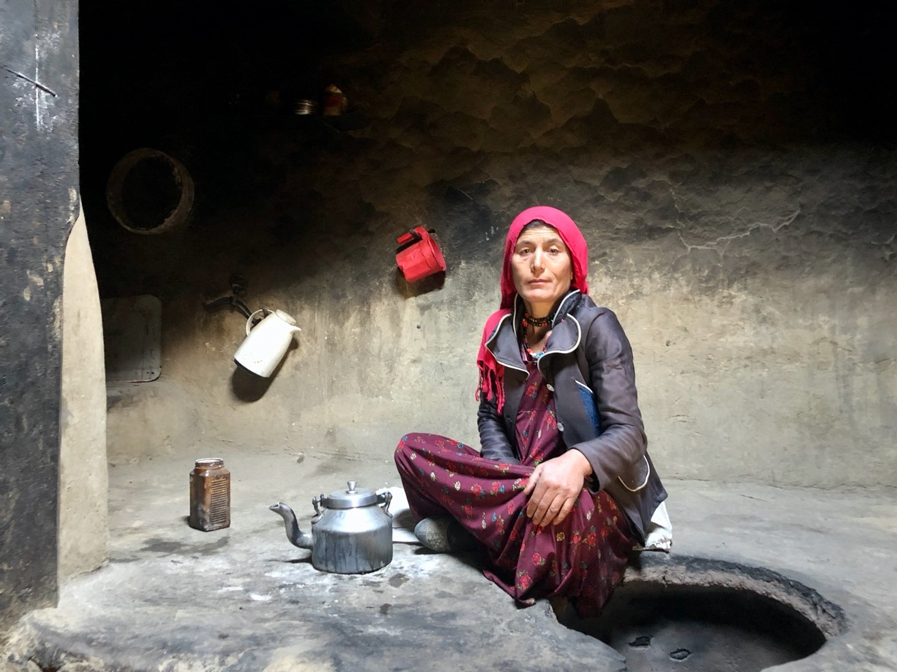
Almost overnight, Asia’s most fragile economy has collapsed, leaving people jobless or with unpaid salaries and without access to their savings. Prior to that, 11 million Afghans were already food insecure due to years of drought, conflict and COVID-19. Now almost 23 million people, more than half the country, don’t know where their next meal is coming from and we see clinics filling up with severely malnourished children. It is the unveiling of a tragedy in real time. WFP has scrambled to pre-position food in rural areas before the imminent winter snows make the roads impassable. But rather like outrunning an avalanche, the surge in hunger threatens to overcome the convoys of trucks snaking up mountain paths loaded with food.
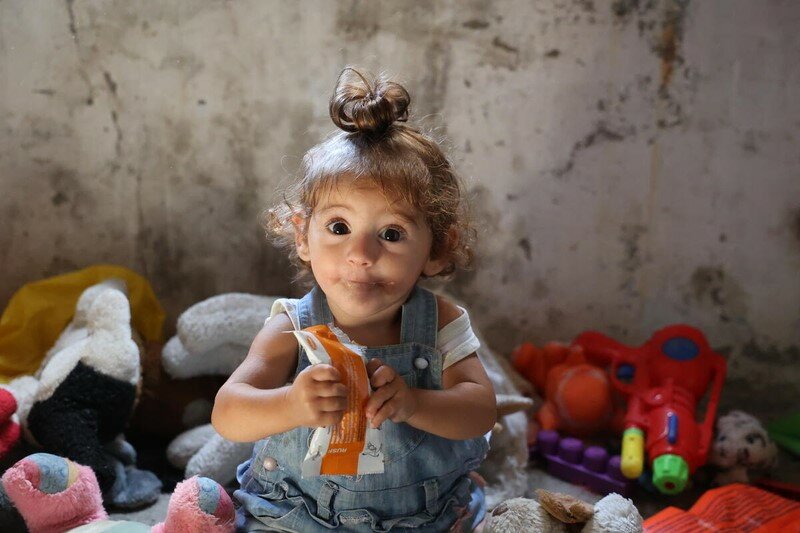
One-year-old Tara from Latakia was malnourished from birth. After receiving treatment from WFP she’s putting on weight and gaining strength. As more Syrians than ever before wondered how they would make it through each day with empty refrigerators, shrinking portions and markets full of produce they could no longer afford, the World Food Programme reached 5.7 million people with food assistance.
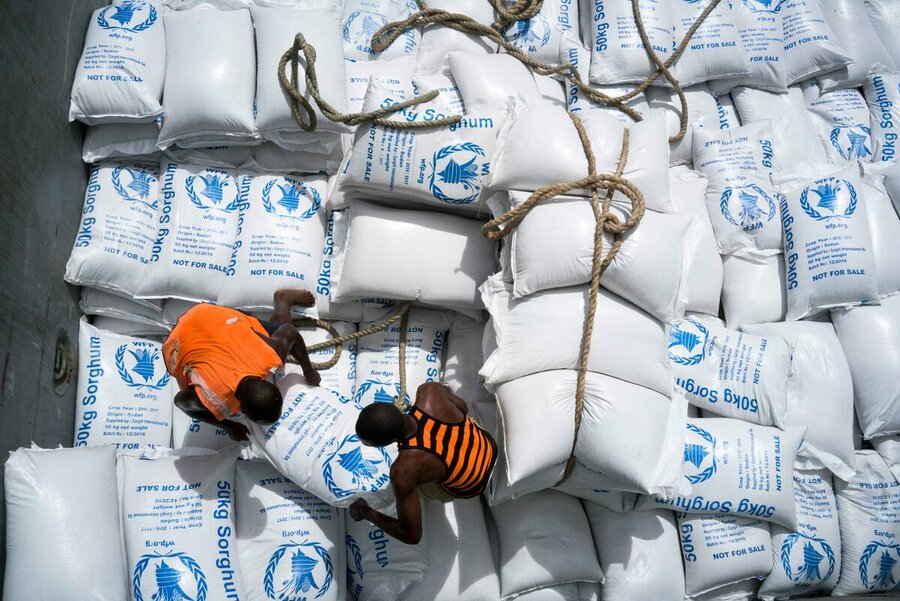
“When it comes to environmental impact, packaging is a big one,” says Emanuela Cattaneo, Environmental Adviser in WFP’s Regional Bureau in Nairobi. “Our help is life-saving and life-changing, and that’s inspiring,” says Cattaneo, “but it also leaves behind an unwanted environmental footprint. We’re aware of that – that’s why we’ve made an official commitment to curb that footprint.” The office in Kenya has recycled 1.1 million polypropylene woven bags. But challenges remain. “At local level, the communities that receive assistance often lack the tools to recycle or reuse packaging efficiently. We’re working to change that.”
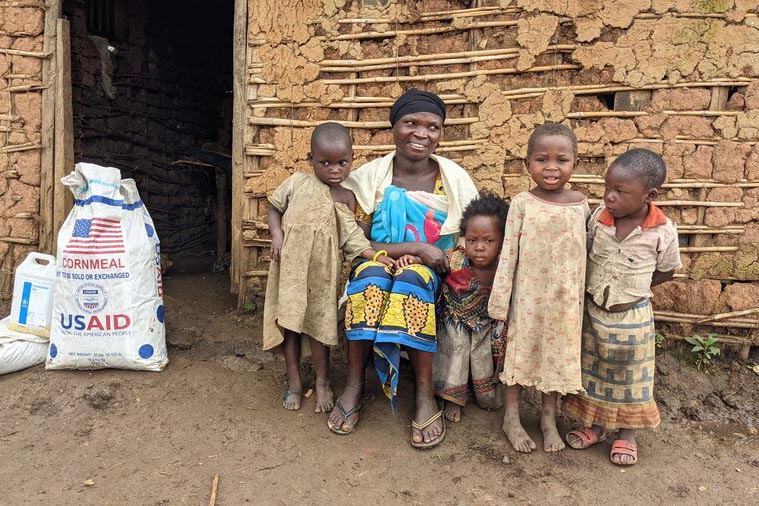
A mother in the Democratic Republic of the Congo is relieved that her children will eat well tonight thanks to WFP-supplied maize meal, beans, oil and salt contributed by the United States Agency for International Development and other donors.

WFP buys more than three quarters of the food it delivers from developing countries and connects smallholder farmers, who produce most of the world's food, to markets in 35 countries. Find out more about the 2020 Peace Nobel Laureate.
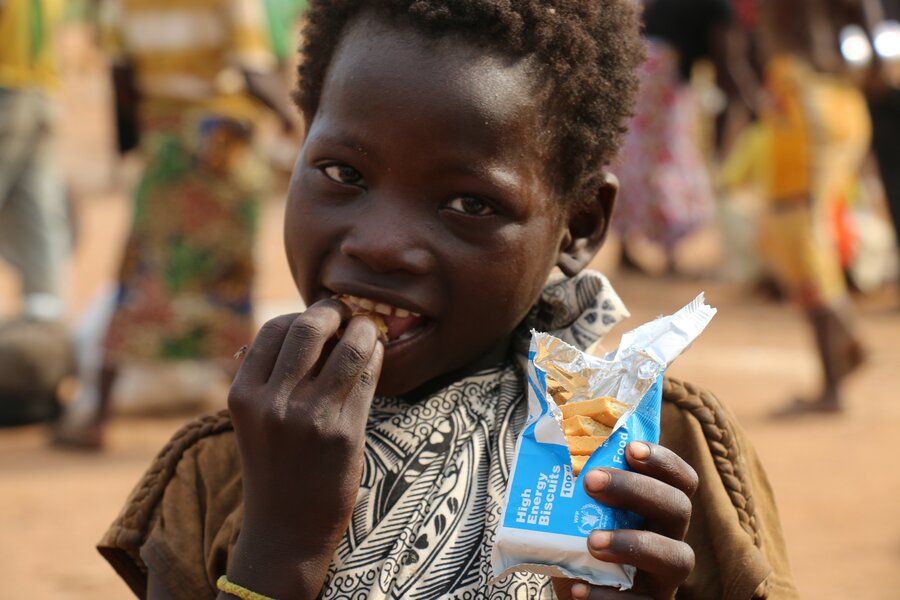
In a world where we produce enough food to feed everyone, 690 million people — nearly 9 per cent of the world's population — still go to bed hungry each night. After nearly a decade of progress, the number of hungry people has slowly increased — driven by the twin scourges of conflict and climate change, and now compounded by the COVID-19 pandemic. WFP is the frontline agency responding to emergencies caused by conflict, climate shocks, pandemics and other disasters. There are 34 million people in three-dozen countries at the ‘emergency’ phase of food insecurity in 2021, just one step away from a declaration of famine. The greatest threat currently lies in Yemen and South Sudan. WFP urgently need US$5.5 billion to avert famine, chiefly through life-saving food and nutrition assistance.

As food prices rise, basic misconceptions of famine also persist, WFP considers dispelling these is an important step in better understanding the current plight of millions of people.
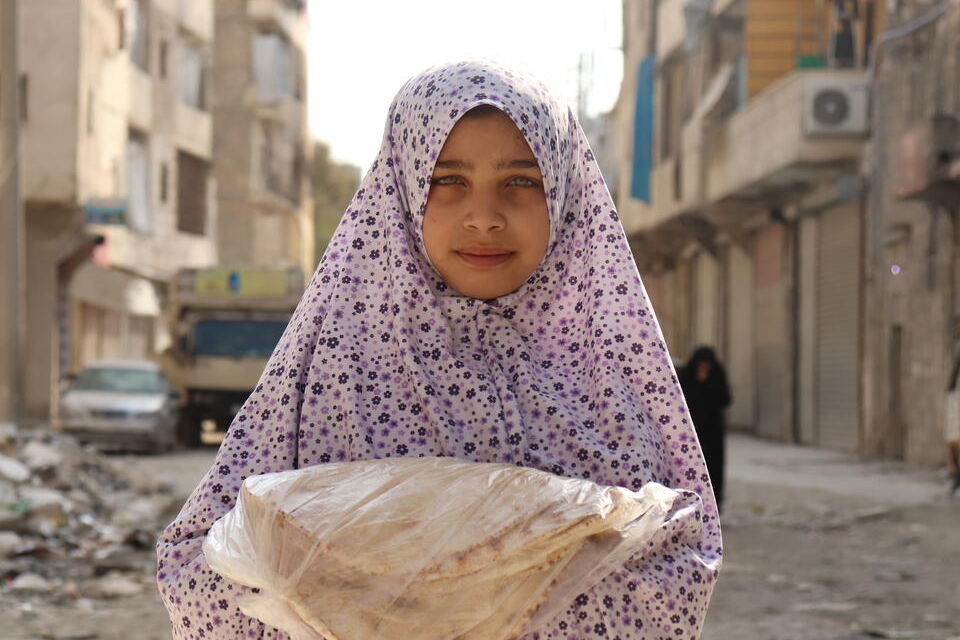
Food prices across the country are skyrocketing — the cost of basic food items is up a staggering 313 percent on figures for 2019. Today, a record number of Syrians don’t know what they will eat tomorrow. Each month, over 400 WFP staff are at hand providing life-saving food to 4.8 million people across Syria — together with nutrition assistance, this is critical for families struggling to rebuild their lives after a decade of conflict. They face unprecedented challenges to buy the basics, including medicines, and to continue sending their children to school.
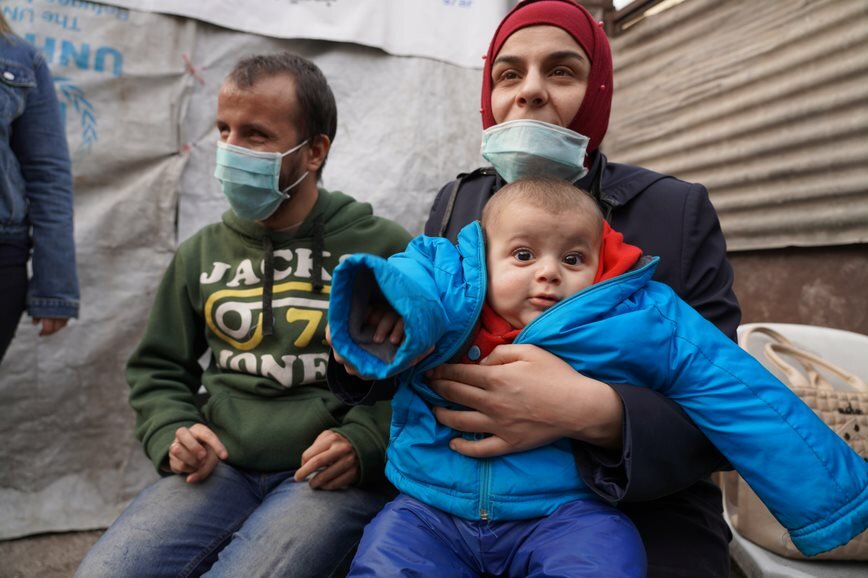
Rania and Abdallah’s story is inspiring. It reminds us all that even in a city’s darkest moments there are people who stubbornly refuse to give up and let tragedy define their lives. Instead, they are doing everything possible to build a better life for their son. They are among 4.8 million people in Syria that WFP reaches with assistance each month. Abdallah was born blind while Rania has 1 percent vision. Their son is not visually impaired. The couple have lived in Aleppo throughout the conflict and today receive WFP support for their basic needs. While many families mourn the loss of Aleppo’s beauty, having seen the city they love destroyed, Rania and Abdallah paint a shocking picture of enduring a conflict through what they’ve heard and sensed.
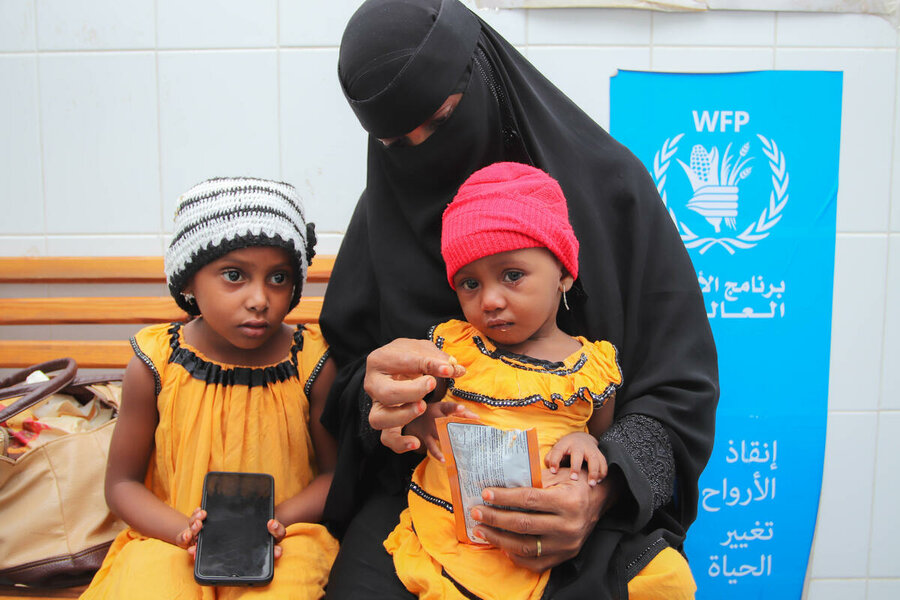
People in Yemen face famine unless the world takes immediate action, the World Food Programme WFP), warned this month. Nearly 50,000 people in Yemen are already living in famine-like conditions, with 5 million just a step away. The UN estimates nearly 250,000 people have died during Yemen’s six-year war, including more than 131,000 people from the indirect consequences of conflict, such as lack of food, health services and infrastructure — the situation in the country is worse now than it has been at any point since 2015. Despite ongoing humanitarian assistance, 16.2 million Yemenis are food insecure.
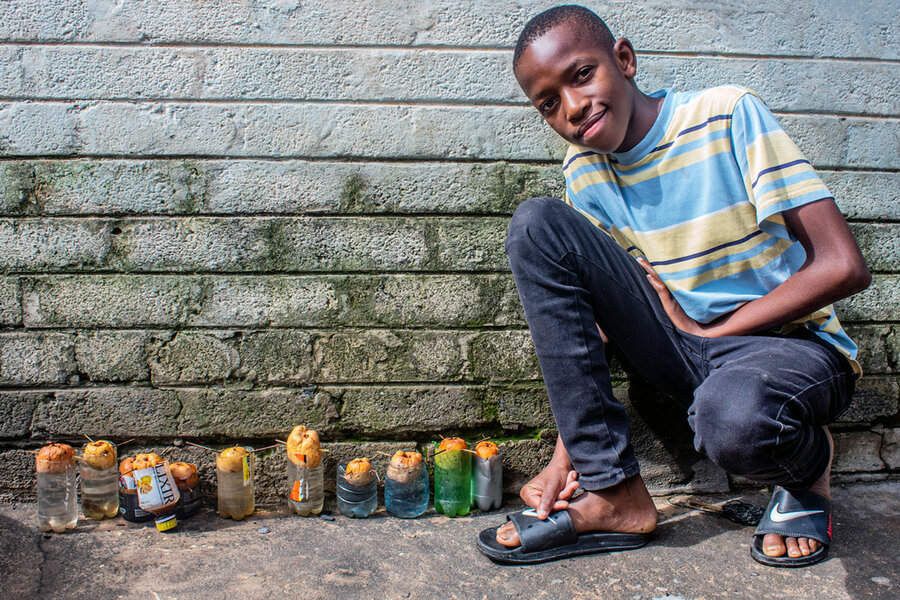
David is learning to grow avocado, green peppers, chillies, rapeseed leaves and potatoes using hydroponics techniques. “My dream is to become a hydroponics expert,” he says. Hydroponics is a soilless cultivation technique that enables plant growth all year round. It uses up to 90 percent less water and 75 percent less space than traditional agriculture, while growing crops 100 percent faster. The 13-year-old lives in Kitwe, Zambia — a country of 18 million people whose food security is threatened by extreme weather caused by climate change.
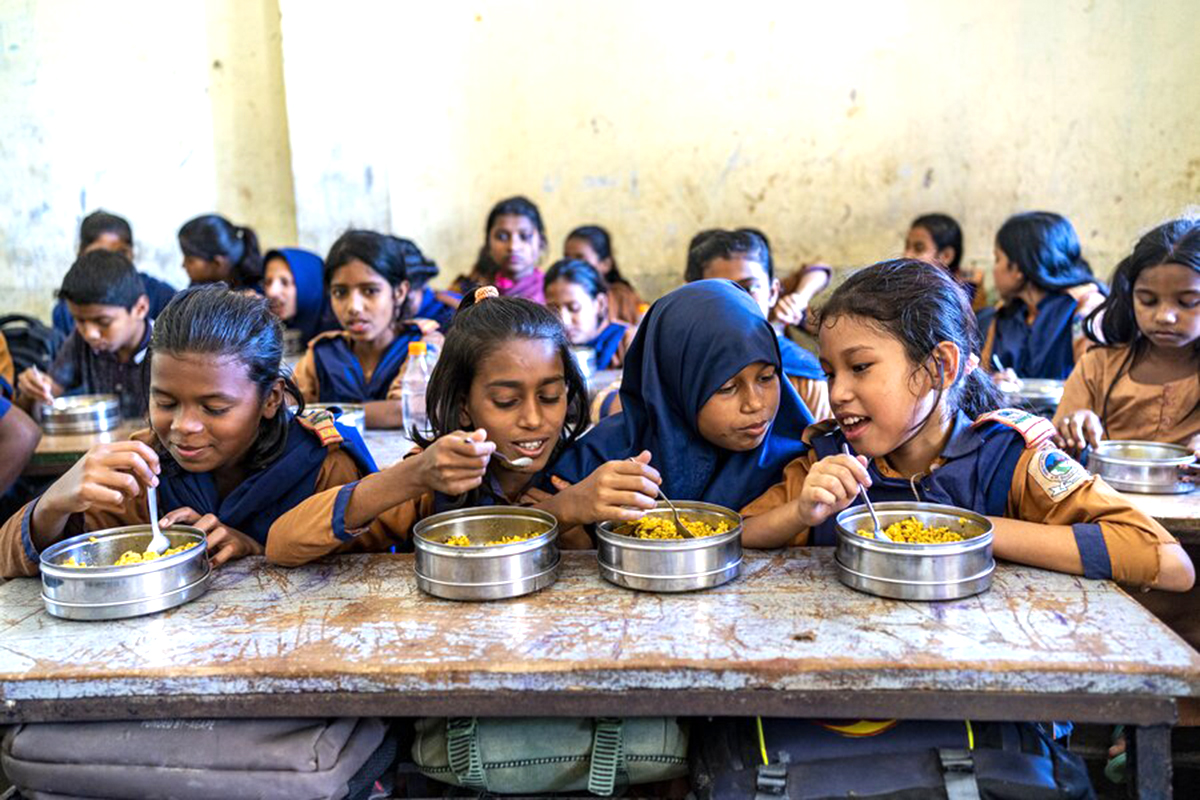
Better health and nutrition allow children to learn and perform better, broadening their educational opportunities. School feeding empowers girls by dissuading parents from marrying them off early, acts as an incentive for families to enrol and keep children in school, relieves parents from having to budget for lunches. The WFP strategy (2020 – 2030) lays out its vision of working with governments and partners to jointly ensure that all primary schoolchildren have access to good quality meals in school, accompanied by a broader integrated package of health and nutrition services.