

Mission 1.5 aims to give 20 million people around the world the opportunity to have their say on ways to limit climate change that they want to see adopted by government leaders. Play and vote!
Climate

The Kyoto Protocol entered into force on 16 February 2005. Currently, there are 192 Parties to the Kyoto Protocol. It commits industrialized countries to limit and reduce greenhouse gases emissions.

Like plastic, Concrete Must Give Way to Development Solutions Based on Nature
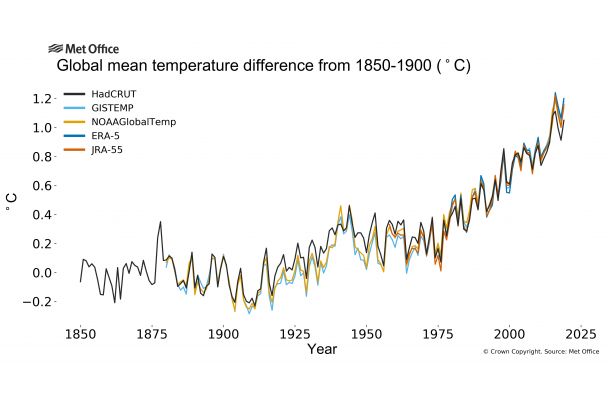
The year 2019 was the second warmest year on record after 2016, according to the World Meteorological Organization’s consolidated analysis of leading international datasets. Average temperatures for the five-year (2015-2019) and ten-year (2010-2019) periods were the highest on record. Since the 1980s each decade has been warmer than the previous one. This trend is expected to continue, because of record levels of heat-trapping greenhouse gases in the atmosphere. This confirms WMO's preliminary assessment that 2019 was one of the three warmest years on record.
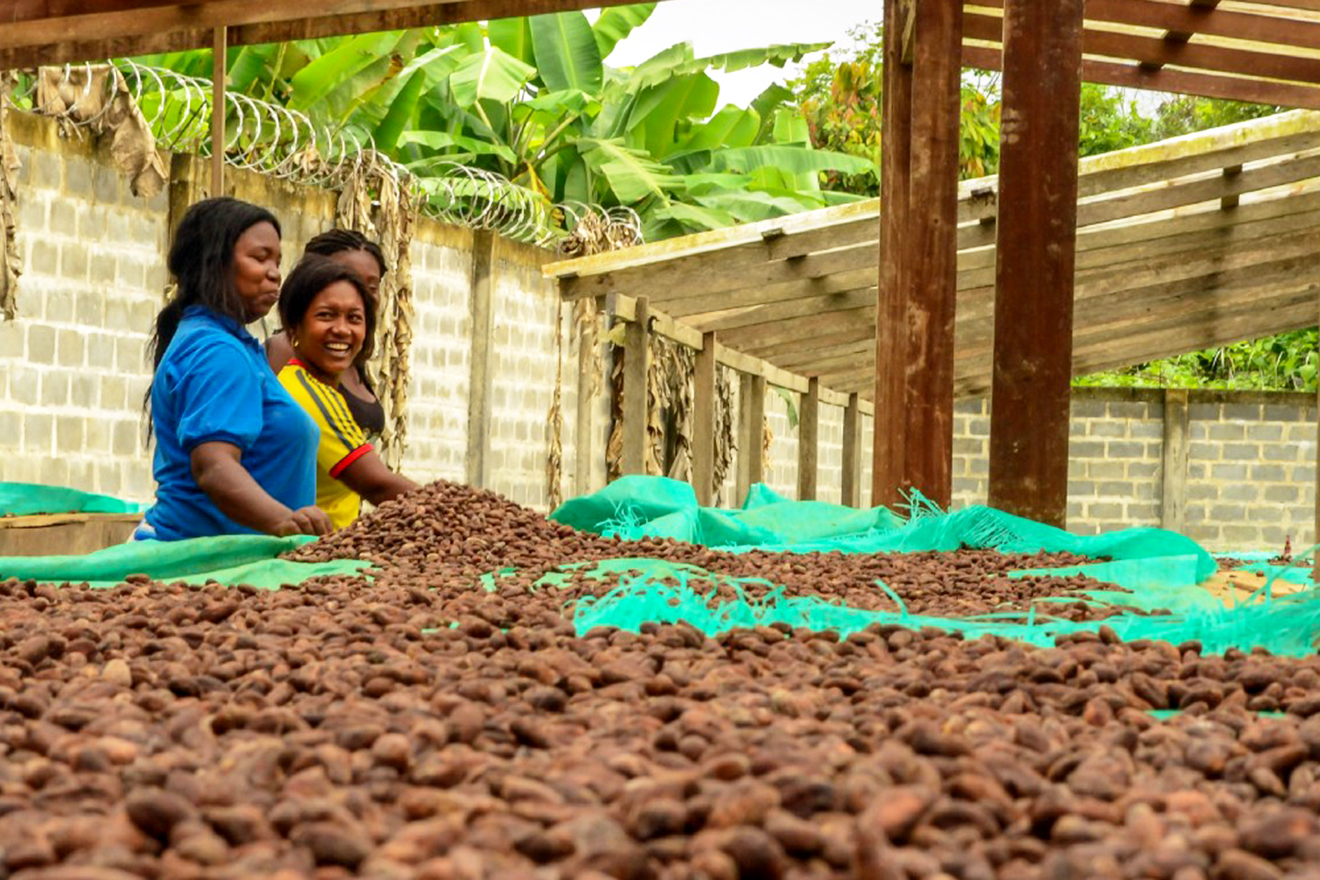
From hurricanes pounding islands to drought destroying crops across Central America, and erratic rain patterns affecting the livelihoods of indigenous communities living on Andean slopes, climate-related challenges in Latin America and the Caribbean are as diverse as are the region’s landscapes. Climate change is exacerbating many of these, with higher temperatures, delayed rainy seasons, rainfall irregularity, and increasingly frequent and extreme weather events. The World Food Programme is implementing an array of measures to face up to the region’s challenges.
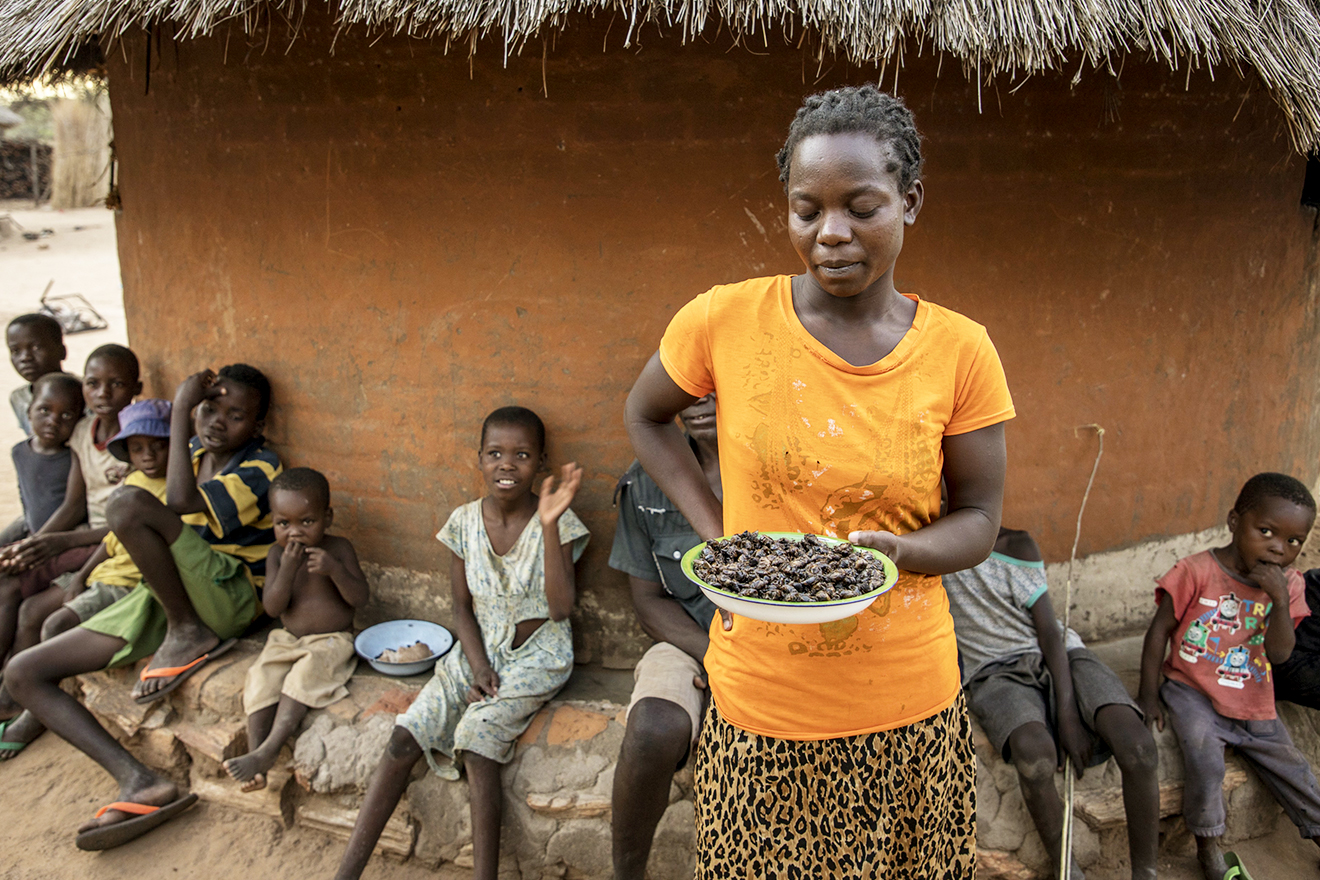
Eating Insects and Praying for Rain
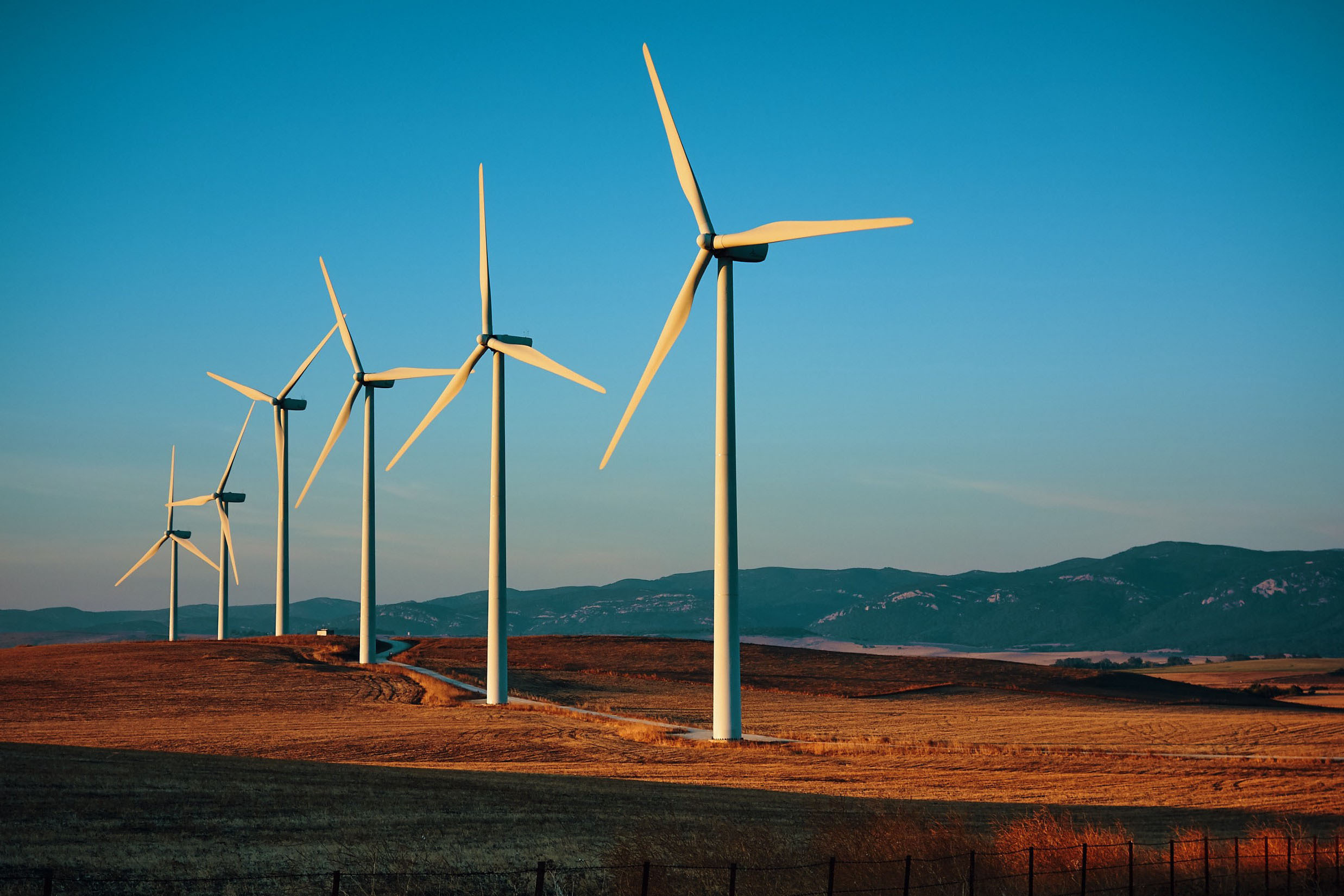
From shifting weather patterns that threaten food production, to rising sea levels that increase the risk of catastrophic flooding, the impacts of climate change are global in scope and unprecedented in scale. During the Climate Change Conference (COP25), the Secretary-General urged governments, businesses and people everywhere to join the initiatives announced at the Climate Summit in 2019, and promised to 'keep pushing' for greater ambition and action. Climate change is the defining issue of our time and now is the defining moment to do something about it.
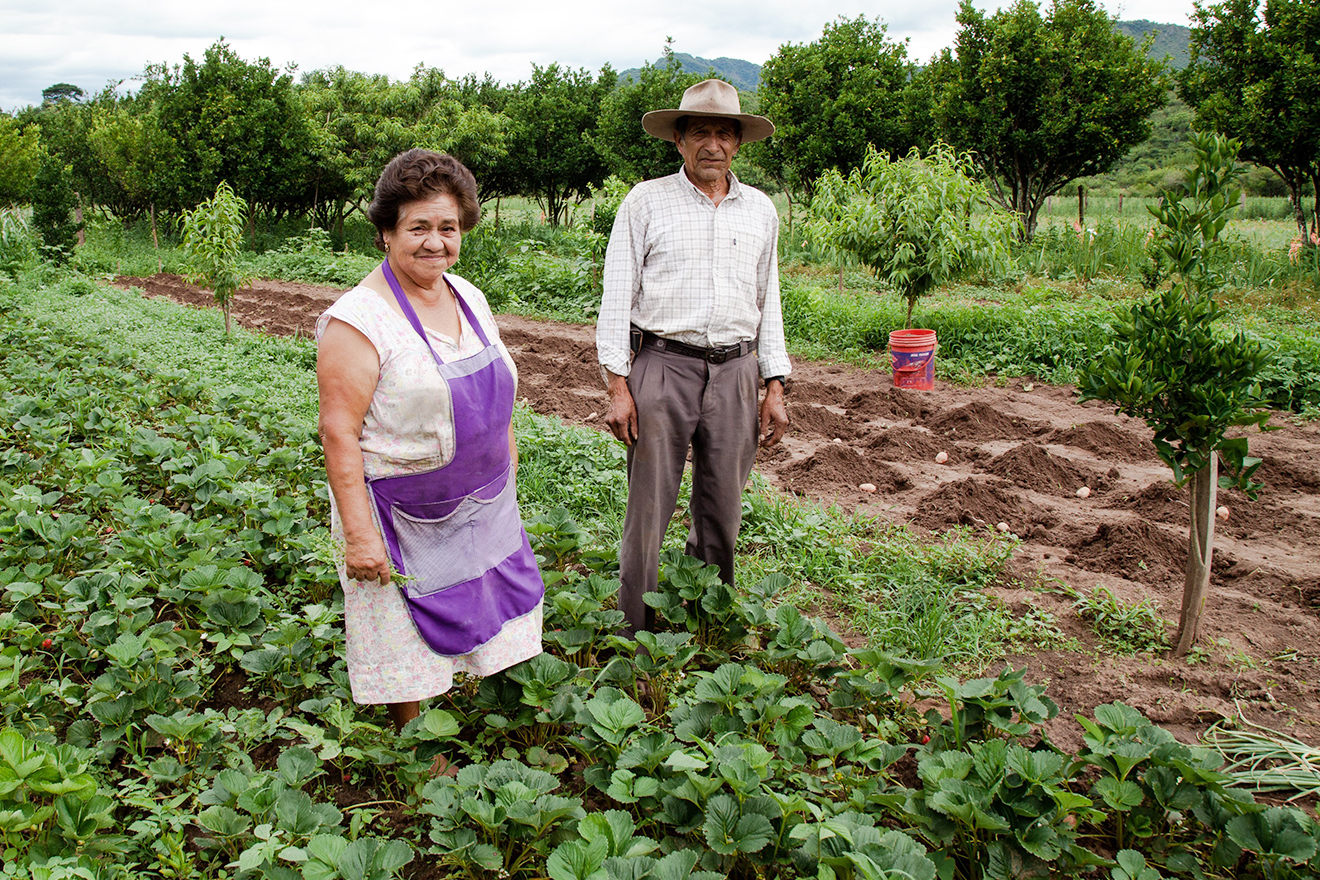
How the World Food Programme (WFP) helped one woman in Bolivia revive land lost to floods — and make a Christmas feast.

Climate Finance Can Help Manage Risk in Bosnia and Herzegovina

This report by UNEP conducts a rigorous assessment of the contribution of material efficiency to greenhouse gas abatement strategies. It shows that increasing material efficiency is a key opportunity to achieve the aspirations of the Paris Agreement.
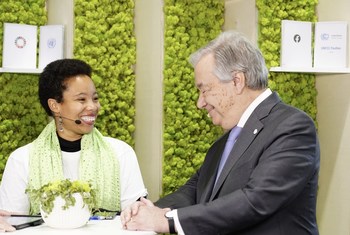
UN Secretary-General António Guterres took questions from around the world alongside youth activist Marie Christina Kolo from Madagascar during the on-going COP25 climate conference on Thursday. The Facebook Live event was

The overarching aim of the Paris Agreement is to reduce greenhouse gas emissions and ensure that global temperatures don’t rise more than 2C above pre-industrial levels this century, and ultimately pursue a scenario where temperature rise remains below 1.5C. NDC stands for a Nationally Determined Contribution. For the Paris Agreement goals to be achieved, every country needs to play its part.
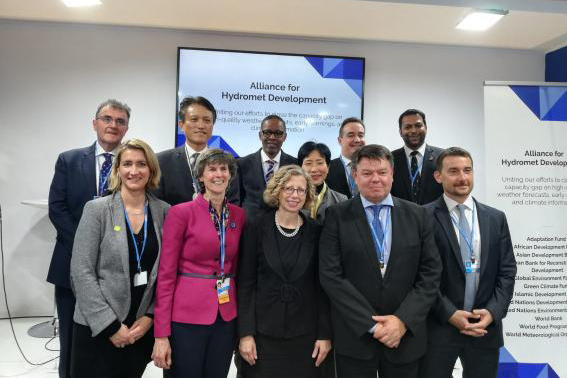
Twelve international organizations providing assistance to developing countries came together at the UN Climate Change Conference to launch the Alliance for Hydromet Development. The members of the Alliance have committed collectively to ramp up action that strengthens the capacity of developing countries to deliver high-quality weather forecasts, early warning systems, water, hydrological and climate services. Known for short as “hydromet” services, these underpin resilient development by protecting lives, property and livelihoods.

Our efforts to reduce greenhouse gas emissions through various mitigation measures—phasing out fossil fuels, increasing energy efficiency, adopting renewable energy sources, improving land use and agricultural practices—continue to move forward, but the pace is too slow, argues IMF Managing Director Kristalina Georgieva in this editorial.