
Champion footballer Didier Drogba, the WHO Goodwill Ambassador for Sport and Health, joined senior leaders of WHO, the State of Qatar and FIFA in supporting the Healthy FIFA 2022 World Cup Qatar 2022™: Creating Legacy for Sport and Health. This unique global partnership protects and encourages health; and will take lessons learned from the first tournament in the Middle East and Arab world to share with future mega sporting events.
Health

Almost the entire global population (99%) breathes air that exceeds WHO air quality limits, and threatens their health. A record number of over 6000 cities in 117 countries are now monitoring air quality, but the people living in them are still breathing unhealthy levels of fine particulate matter and nitrogen dioxide, with people in low and middle-income countries suffering the highest exposures. The findings have prompted the World Health Organization to highlight the importance of curbing fossil fuel use and taking other tangible steps to reduce air pollution levels.
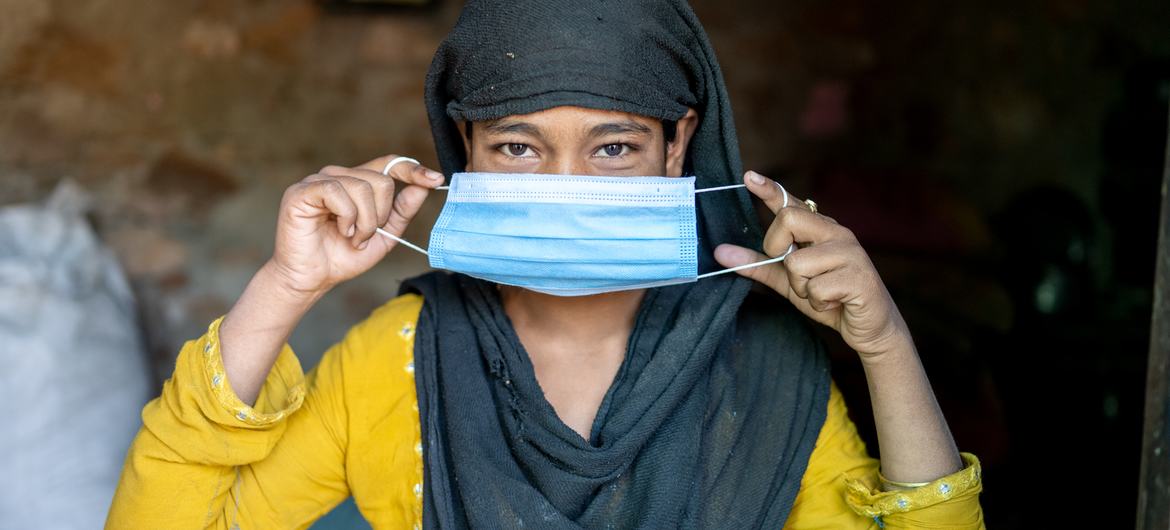
30 March 2022 - A third of the world’s population has yet to receive a single dose of COVID-19 vaccine, including a shocking 83 per cent of all Africans, said the head of the World Health Organization (WHO) on Wednesday.
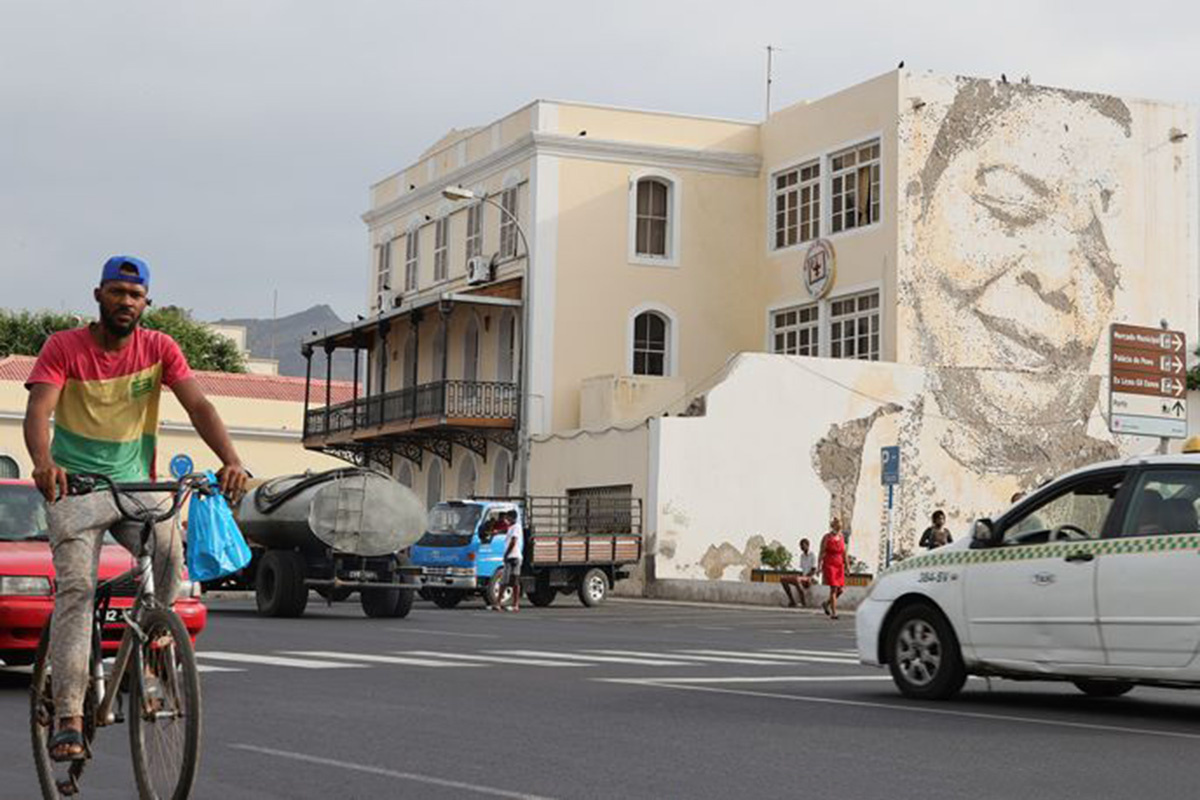
When COVID-19 hit, the closure of Cabo Verde’s borders to prevent the virus from spreading took a toll on people’s lives and livelihoods. Tourism suddenly stopped and many Cabo Verdeans lost their job. Thanks to a strong health system and a sound supply strategy, Cabo Verde became a model for COVID-19 response, with a lot to teach its neighbours on how to carry out vaccination campaigns. The World Bank responded to the crisis through several operations, at the beginning of the pandemic for $10 million, including credit line and social inclusion programmes.
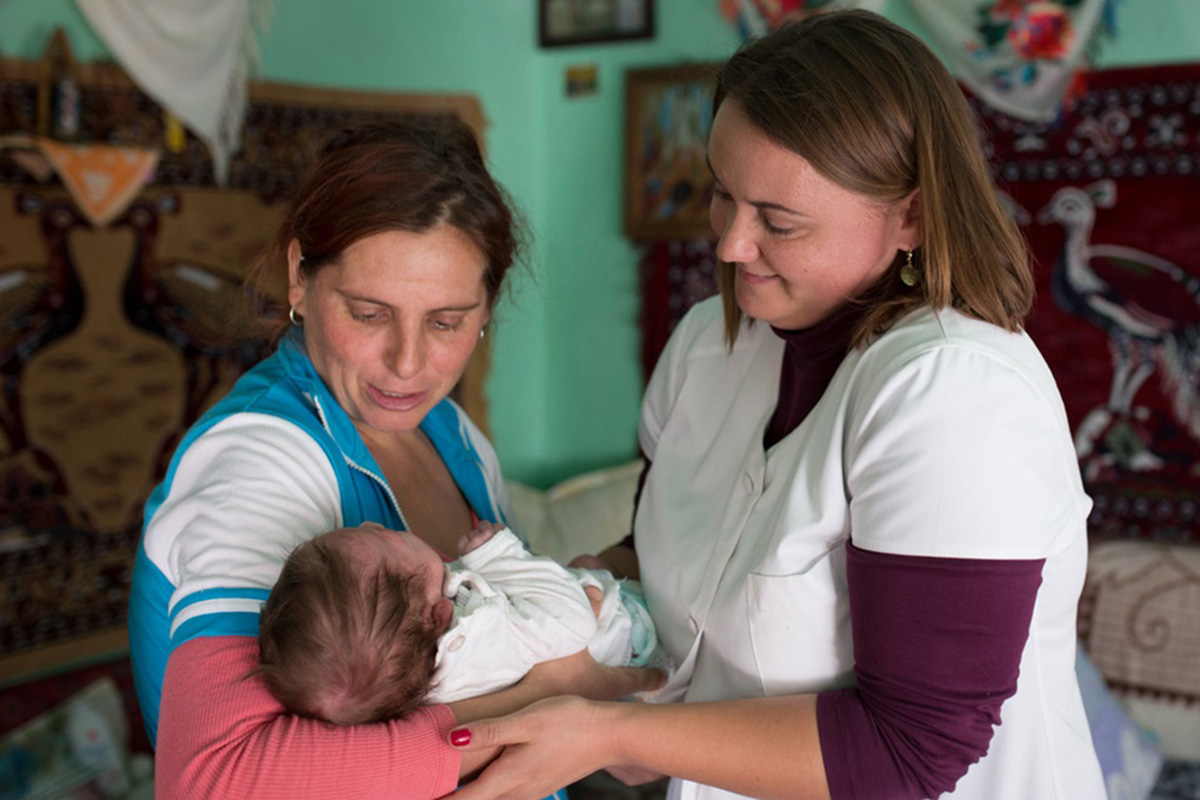
WHO today launched its first ever global guidelines to support women and newborns in the postnatal period – the first six weeks after birth. This is a critical time for ensuring newborn and maternal survival and for supporting healthy development of the baby as well as the mother’s overall mental and physical recovery and wellbeing. Worldwide, more than 3 in 10 women and babies do not currently receive postnatal care in the first days after birth - the period when most maternal and infant deaths occur.
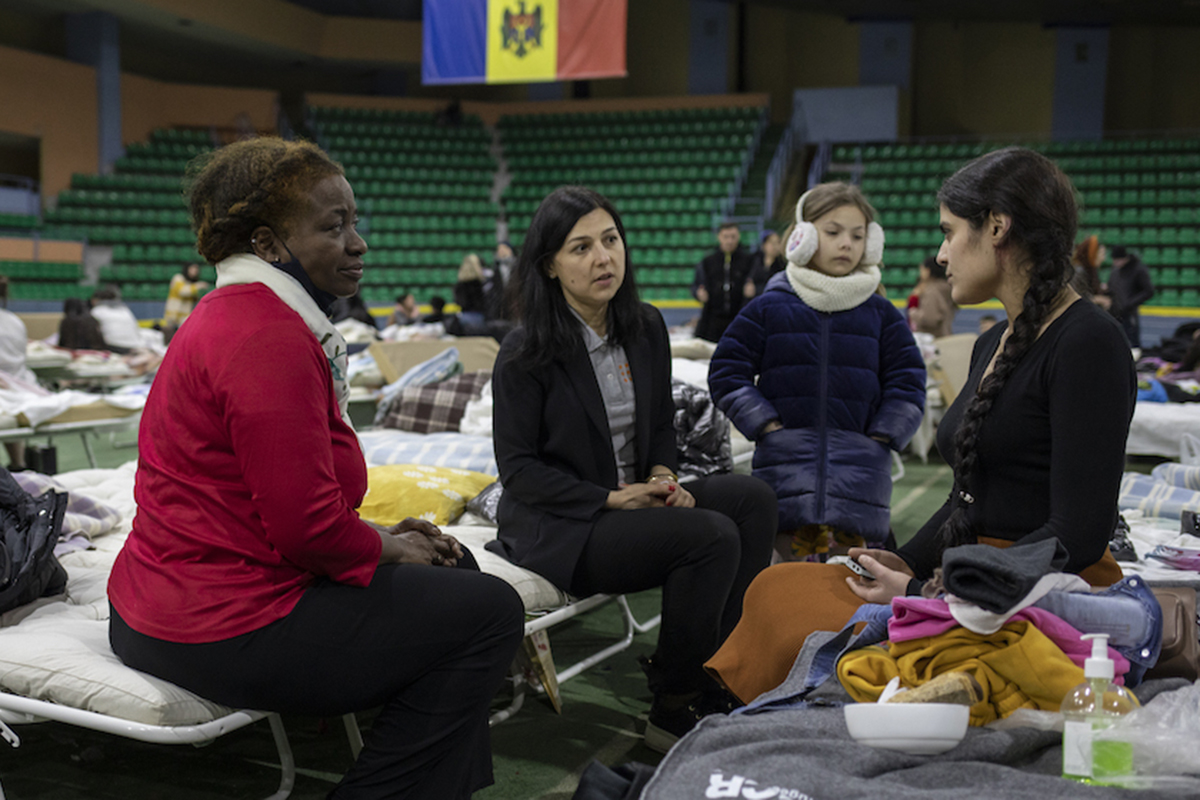
UNFPA has operated programmes in Ukraine since 1997 and in the Republic of Moldova since 1995. In addition to providing technical and programme advisory services to the neighbouring countries to the Ukraine that are receiving refugees, the agency is working to bring reproductive health equipment and supplies and mobile health teams providing sexual and reproductive health and gender-based violence services to Ukraine. It continues to operate 10 shelters, eight crisis rooms and a support hotline for gender-based violence survivors.
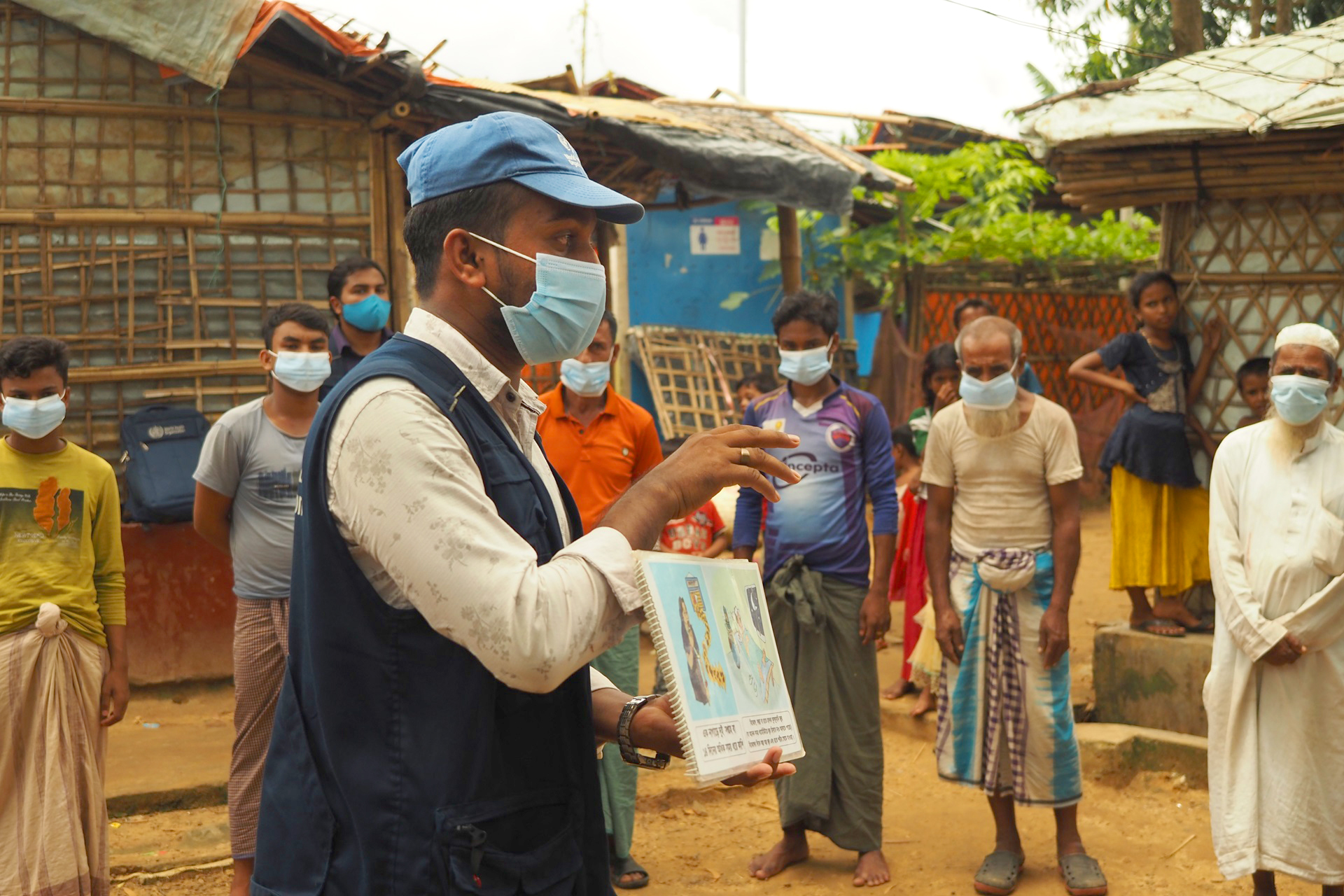
Tuberculosis remains one of the deadliest infectious killers. Each day, over 4100 people lose their lives to TB and close to 28,000 fall ill with this preventable and curable disease. Global efforts to combat TB have saved an estimated 66 million lives since the year 2000. However, in the context of COVID-19, for the first time in over a decade, TB deaths increased in 2020. For this year’s World TB Day, WHO calls to ‘Invest to End TB. Save Lives.’ There is still an urgent need to invest resources to ramp up the fight against TB and achieve the commitments to end TB made by global leaders.
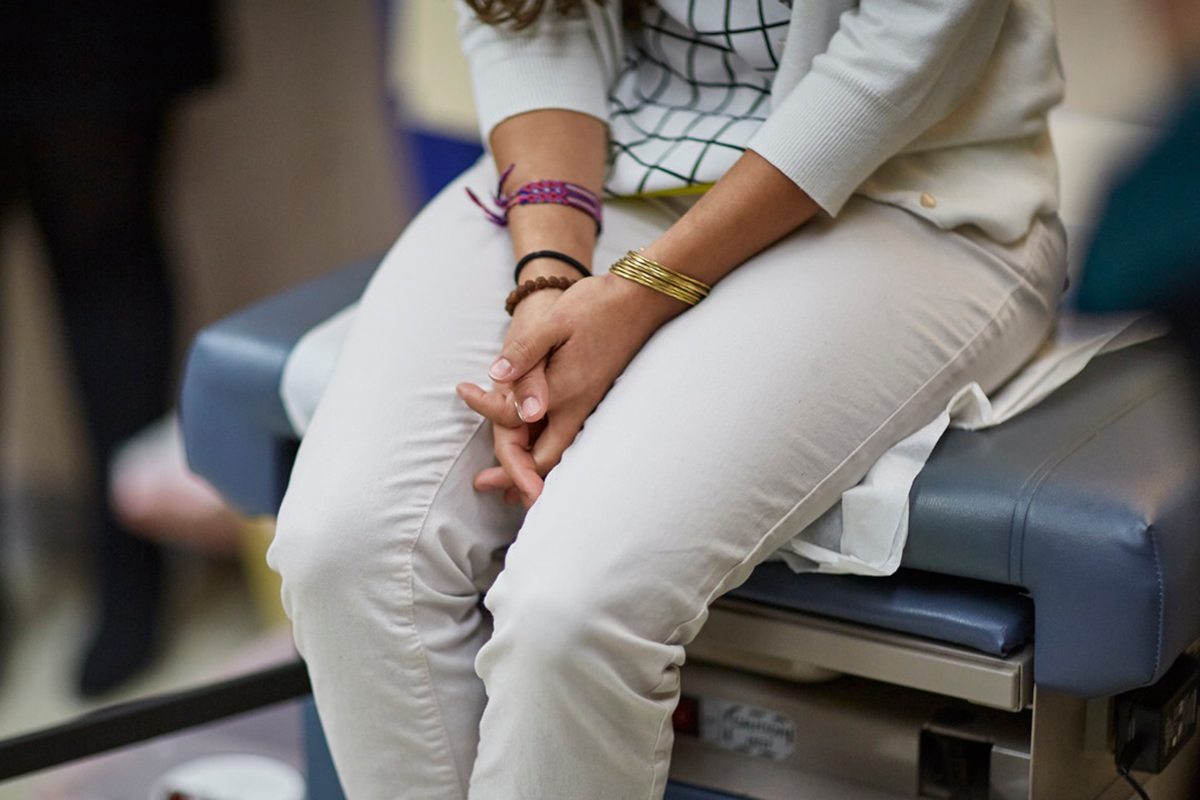
WHO is releasing new guidelines on abortion care, in a bid to protect the health of women and girls and help prevent over 25 million unsafe abortions that currently occur each year.
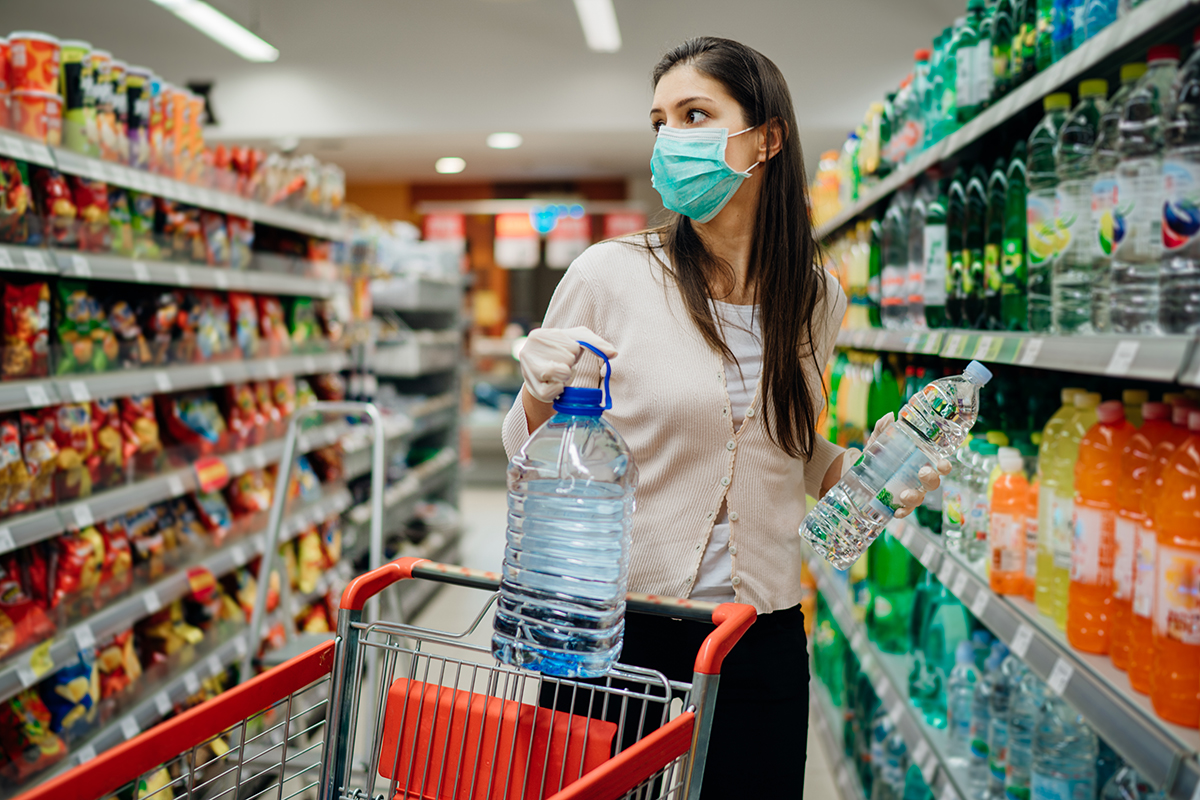
Although pandemics are a fact of life, the world was blindsided by the impact and devastation of COVID-19. As the pandemic played out in real time, it showed that we were woefully unprepared. Experts underscore the importance of truly understanding how the health of people, animals, and the planet interconnect. Health security plans cannot be piecemeal. Responses must be bolstered with social protection, especially during lockdowns. We need to act more quickly, and with greater fairness. UNDP explains that what we do now could make this pandemic the last of its kind.
World Hearing Day, 3 March, with the theme “To hear for life, listen with care,” focuses on the importance and means of hearing loss prevention through safe listening.
The formula milk industry - worth a colossal US$ 55 billion annually - spends billions every year on marketing their products. This is despite an international agreement to restrict marketing, on the basis that formula promotion can have profound and lifelong impacts on children’s health and development. WHO informs how marketing targets women and families during vulnerable moments, including with misleading tactics like industry-sponsored chats and helplines.

A significant amount of the world’s population has not yet received a single vaccine, while other parts of the world believe the pandemic is almost over. To gain support from Member States, civil society and UN agencies, the President of the General Assembly, H.E. Mr. Abdulla Shahid has convened a high-level event, ‘Galvanizing Momentum for Universal Vaccination’, where over 100 speakers are scheduled to participate. In parallel, round table discussions are being held on existing challenges in vaccine production and distribution, innovations, and solutions to overcome current challenges.

Cancer kills far too many people — particularly in Africa. The IAEA’s new initiative ‘Rays of Hope’ sets out to change that, by supporting the establishment and expansion of radiotherapy services, with a particular focus on the more than 20 IAEA Member States that completely lack facilities for radiation treatment.

9 February 2022 - The COVID-19 pandemic could be defeated this year but only if vaccines, tests and treatments are made available to all people, UN Secretary-General António Guterres said on Wednesday.