Trade and Commerce

Dr. Joy Kategekwa

The Africa Renewal Podcast is about people, who, through their stories and actions, are advancing hope in Africa. On it you will hear true stories directly from people from within and beyond Africa about the possibilities on the continent.

In the inaugural episode, Joy Kategekwa, a trade law expert who is one of the architects of the African Continental Free Trade Agreement (AfCFTA), talks about the historic agreement that set the stage for the creation of one single African market for goods and services.

Dr. Joy Kategekwa (Uganda) is the regional strategic advisor to the Assistant Administrator and Director for the Regional Bureau Africa at the United Nations Development Programme (UNDP). 
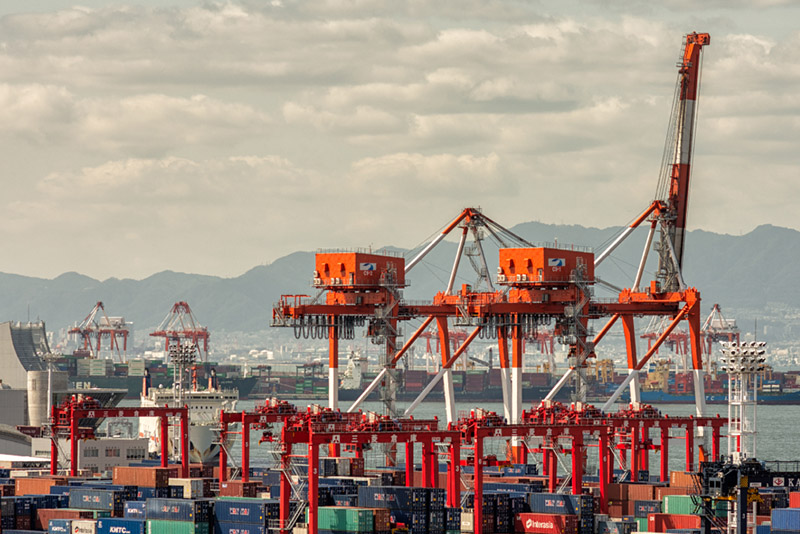
Container terminal in the Port of Osaka, Japan.

A new Asia-Pacific free trade agreement set to enter into force on 1 January 2022 will create the world’s largest trading bloc by economic size, according to an UNCTAD study.

ship on water with gathering clouds

UNCTAD predicts that annual growth in maritime trade between 2022 and 2026 will slow to 2.4%, compared to 2.9% over the past two decades.

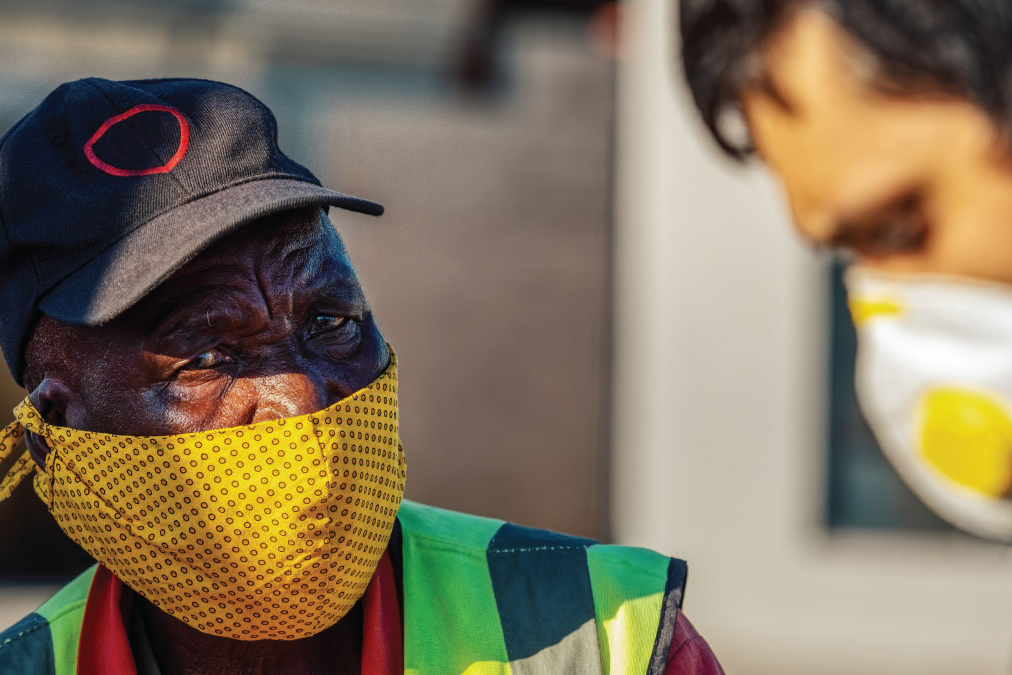
men with face masks

In 2021, the global economy will bounce back with growth of 5.3%, the fastest in nearly 50 years. The rebound is, however, highly uneven along regional, sectoral and income lines, according to UNCTAD’s Trade and Development Report 2021.

Portrait of a man with dreads

UNCTAD and Barbados call to photographers everywhere to document a strong narrative of trade and development issues and to share images that showcase trade’s positive impact.

three planes flying with two sets of contrails each

To assist countries seeking to establish public health travel corridors during their COVID-19 recovery phases, ICAO has just released a new implementation package (iPack) on Establishing a Public Health Corridor (PHC). Composed of guidance material, support personnel, training, and other resources, the new travel corridor iPack is fully aligned with the latest recommendations. ICAO’s COVID-19 iPacks have served as key global pandemic resources during countries’ air transport recovery efforts in areas such as safety risk management, facilitation, aviation security, and airport re-openings.

Traditional bell and other typical Bhutanese artifacts

A new government platform in Bhutan using UNCTAD's online single window technology powers business registration in record time, supporting livelihoods during the COVID-19 crisis.

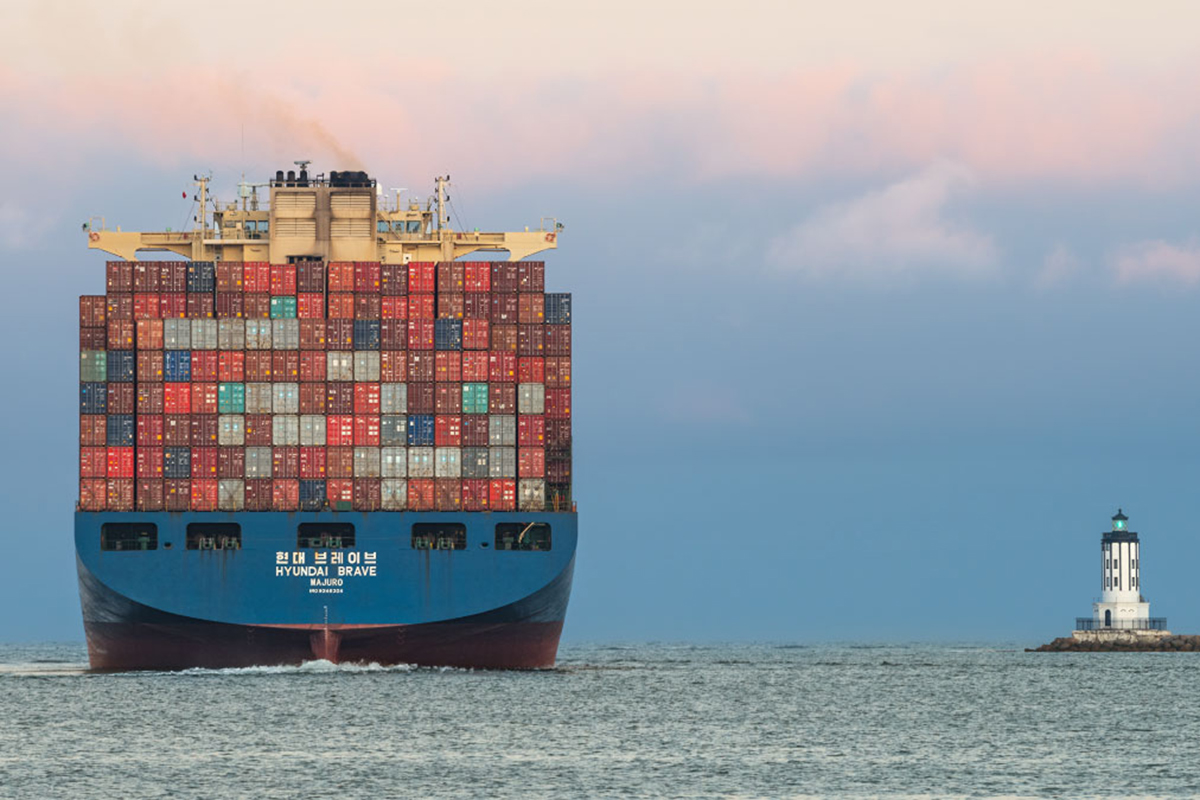
A big ship loaded with shipping containers passing by a lighthouse.

World trade’s recovery from the COVID-19 crisis hit a record high in the first quarter of 2021, increasing by 10% year-over-year and 4% quarter-over-quarter, according to UNCTAD’s Global Trade Update. According to the report, the impressive rebound in Q1 2021 continued to be driven by the strong export performance of East Asian economies, whose early success in pandemic mitigation allowed them to rebound faster and to capitalize on booming global demand for COVID-19 related products.

Report cover - Illustration with the silhouette of the African continent, grass, a truck, a cellphone, a cow and a shovel.

The African agricultural and food market is expanding quickly, and regional integration is also gaining momentum. The Framework for Boosting Intra-African Trade in Agricultural Commodities and Services, jointly developed by the African Union (AU) and the FAO, represents a paradigm shift from “business as usual” and translates the commitments undertaken by the AU into tangible programmes and actions to expand trade within the African Continental Free Trade Area. This provides an opportunity to not only boost trade, but also enhance food security in Africa.

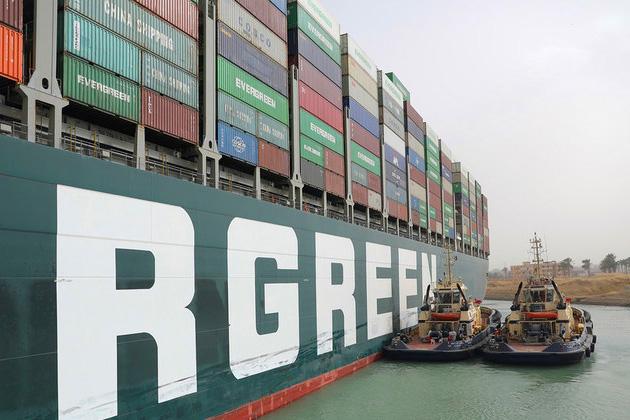
Two tugboats next to a big cargo ship full of containers.

The gigantic cargo ship that ran aground and blocked the Suez Canal last week is afloat once again after a Herculean salvage operation, but the damage to global trade will take months to fix.

Tourist boats cruising the Zambezi River

Zambia’s coronavirus lockdown shut down some more traditional businesses, but for e-commerce firms this was their chance to scale up operations. AfriDelivery, a food delivery service with big dreams of becoming a business-to-business (B2B) e-commerce platform, recorded 100% growth in annual terms in 2020. Despite the opportunities, the pandemic also brought many challenges and unforeseen costs for e-commerce firms. UNCTAD is working to ensure e-commerce is mainstreamed into national development plans and development partners’ cooperation frameworks.

high rise buildings

The crisis has hit small and medium enterprises especially hard, causing massive job losses and other economic scars. Among these—less noticeable, but also serious—is rising market power among dominant firms as they emerge even stronger while smaller rivals fall away.


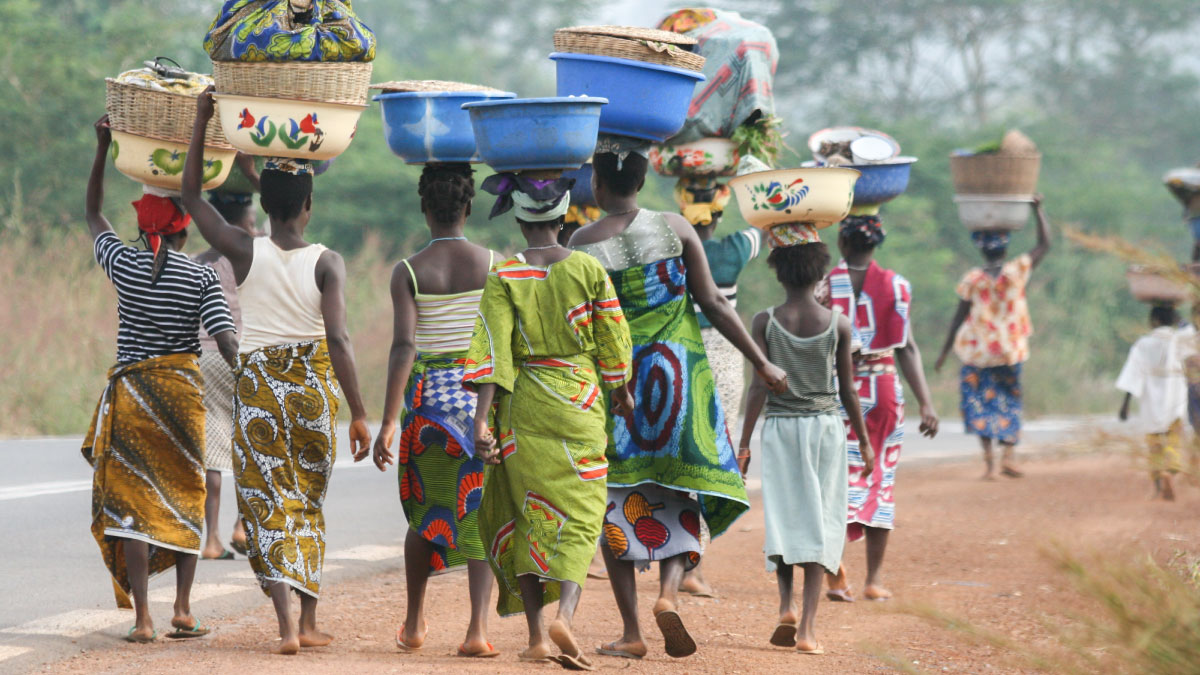
women traders walking

Charity Chimphamba, a Malawian small-scale trader, had a thriving business before the COVID-19 pandemic struck. In the wake of COVID-19, Ms. Chimphamba’s revenue fell by 60%, mainly due to higher costs of buying goods through transport companies and sourcing them locally. Ms. Chimphamba was among 131 small-scale cross-border traders, 120 of them women, who attended UNCTAD training workshops held in border towns of Malawi, Tanzania and Zambia in February.

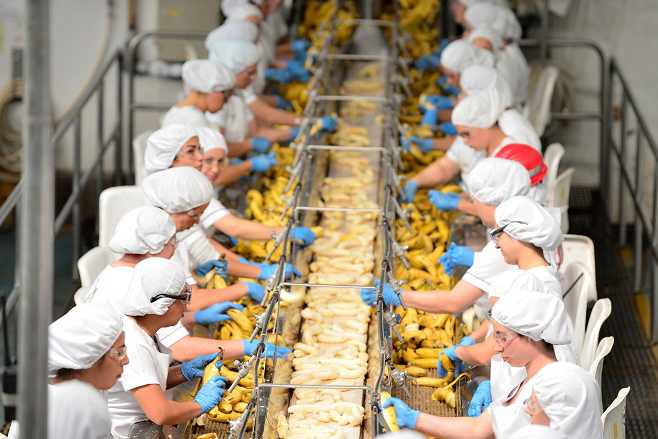
Workers stand facing a conveyor belt processing bananas.

Nearly every business in the world has been affected by COVID-19. While one-fourth of companies saw sales falling 50 percent in October-January from pre-pandemic levels, a third said their sales increased or stayed the same. Capturing the impact of the pandemic on businesses, the World Bank analysis reflects the performance of more than 120,000 firms in over 60 countries. The assessment is expected to help inform recovery efforts. In developing countries, despite government programmes  –  businesses most affected by the shock – were the least likely to receive government support.

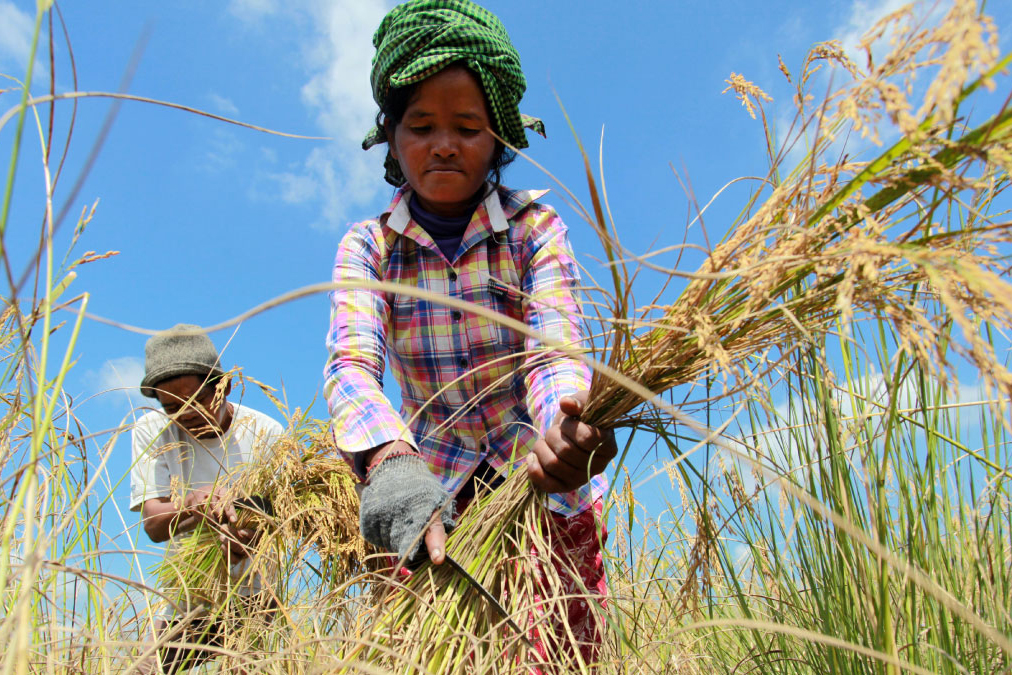
A small-holder farmer in Cambodia

With the help of partners, UNICEF has used blockchain technology to create a fund to raise donations of cryptocurrencies for its work. Beyond financial applications an UNCTAD paper points at blockchain’s potential towards sustainable development. UNCTAD’s Technology and Innovation Report 2021 says frontier technologies such as blockchain could promote development if governments implement policies that maximize their potential benefits, while mitigating harmful outcomes. Otherwise, they could worsen existing inequalities, as has occurred with previous waves of technological change.