

We need to strengthen action to protect and restore nature and the nature-based solutions to achieve the Sustainable Development Goals in its three complementary dimensions: social, economic and environmental. The fifth session of the UN Environment Assembly (UNEA-5) starts today and it provides an opportunity for Member States and Stakeholders to take ambitious steps towards building back better and greener by ensuring that investments in economic recovery after the COVID-19 pandemic contribute to sustainable development.
UNEP
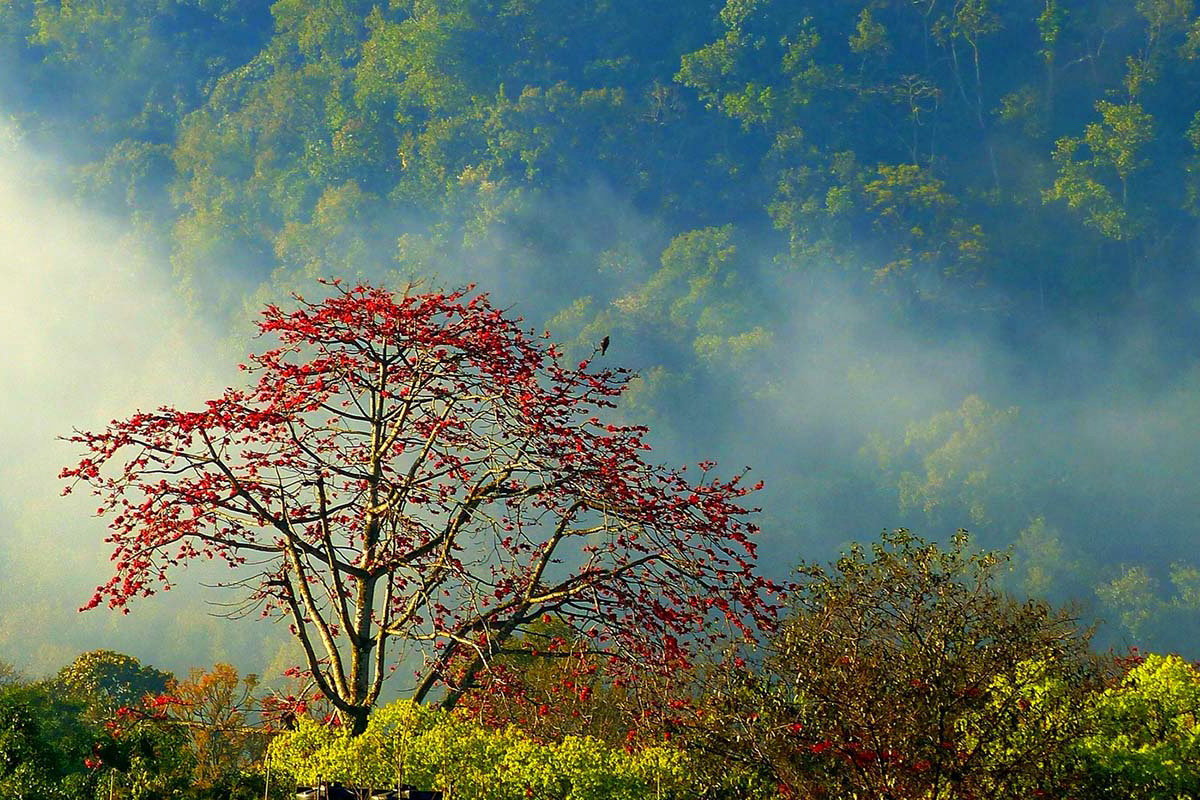
Environment is the foundation for human wellbeing. Who speaks for it? Who leads on it? Almost fifty years ago, in 1972, UNEP was created as the anchor institution for the global environment, a small, smart and capable body that was to “color the UN environmental”. UNEP’s fiftieth anniversary offers an opportunity to reflect on its core mandate, raise awareness about its accomplishments, and solicit input on its future. Join us for a conversation with Maria Ivanova, the author of “The Untold Story of the World's Leading Environmental Institution: UNEP at Fifty” at 18:30 - 19:30 h EAT.
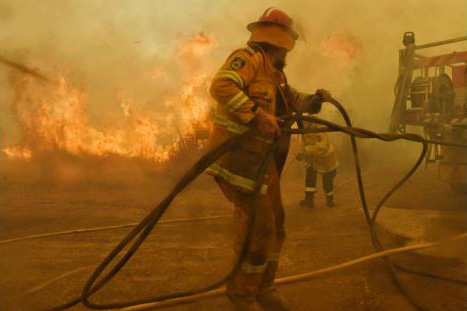
The past six years have been the warmest on record since 1880, with 2016, 2019 and 2020 being the top three, according to the World Meteorological Organization (WMO). The year 2020 was 1.2°C above pre-industrial era (1880) temperatures. WMO predicts a 20 per cent probability that temperatures will temporarily exceed 1.5°C as early as 2024. According to the Paris Agreement, Member States committed to limit global warming to well below 2°C, preferably to 1.5°C, compared to pre-industrial levels. In January this year, António Guterres, the United Nations Secretary-General, said 2021 was a critical year for climate, calling for multilateral action.
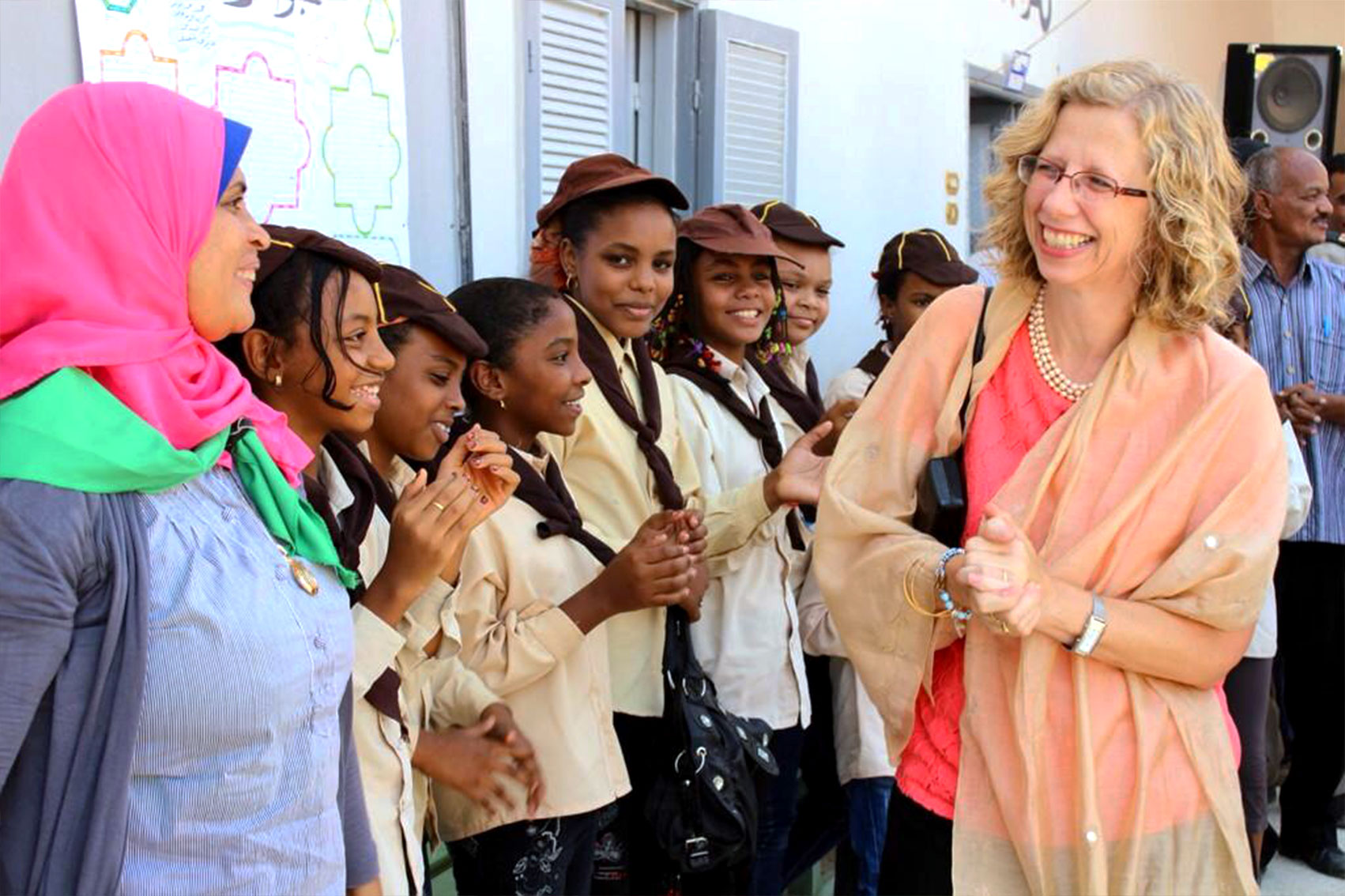
This week's guest on Awake at Night with Melissa Fleming is Inger Andersen, E
What would the world look like if we hadn’t saved the ozone layer? It’s 2084 and the disease known as the GROW has taken over. Three teenagers, Knox, Sagan and Terran, find themselves on an epic adventure to save themselves and the world.
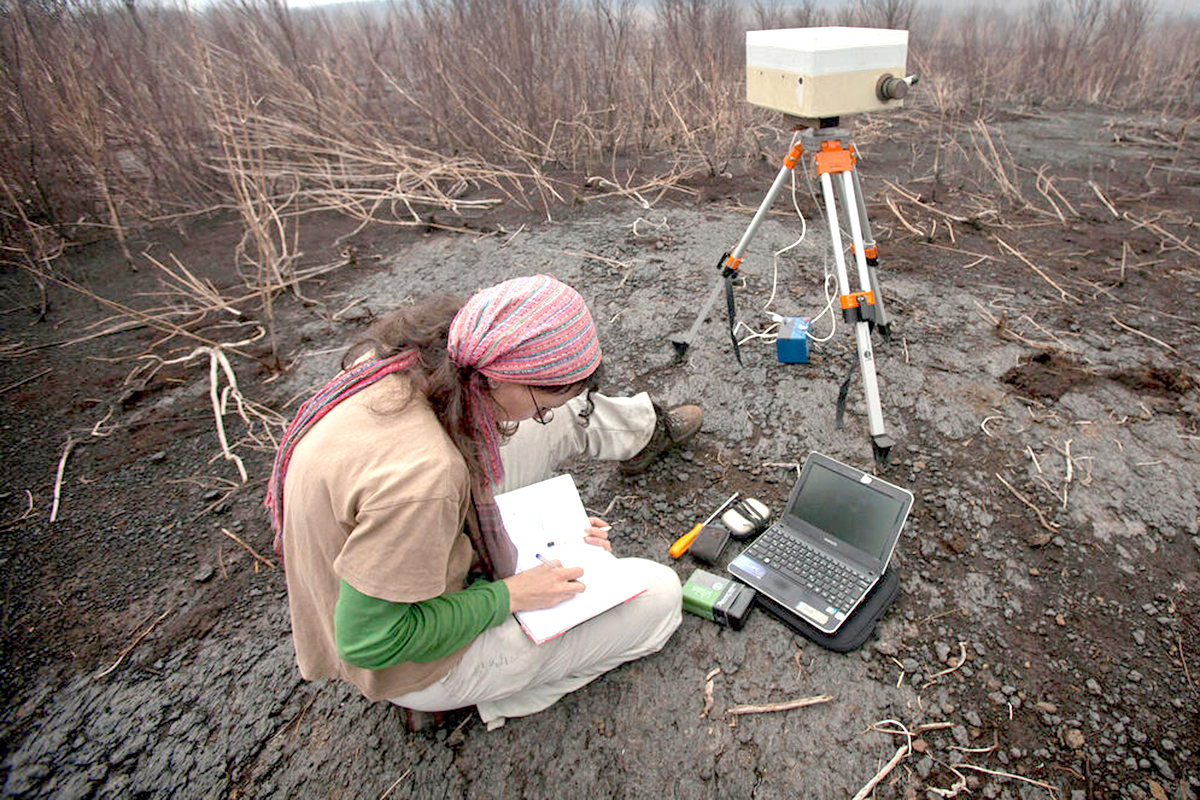
UNEP calls for nominees for the Champions of the Earth award – the UN’s highest honour for individuals and organizations that are safeguarding our environment and transforming societies.
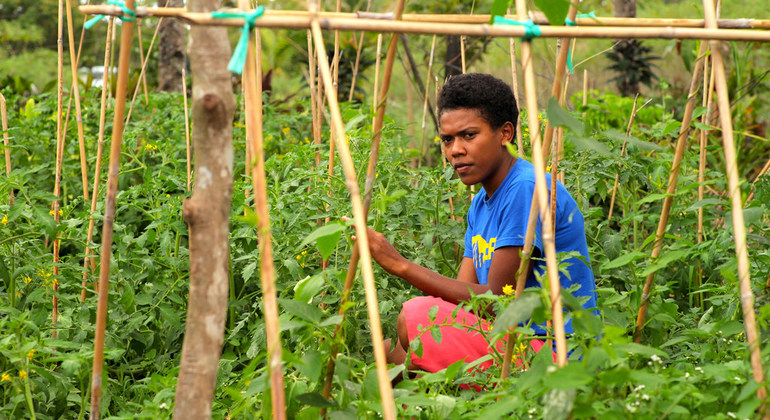
The COVID-19 pandemic is likely to hamper the efforts of developing countries to adapt to the climate crisis. This is the analysis of Dr.

UNEP warns 2020 was not only the year of the COVID-19 pandemic. It was also the year of intensifying climate change: high temperatures, floods, droughts, storms, wildfires and even locust plagues. Even more worryingly, the world is heading for at least a 3°C temperature rise this century. We need strong action to reduce greenhouse gas emissions to meet the Paris Agreement goals of holding global warming this century to well below 2°C and pursuing 1.5°C. Nations must urgently step-up action to adapt to the new climate reality or face serious costs, damages and losses.

More and more people in water-scarce countries rely on desalinated water for drinking, cooking and washing. Here are five things to know about desalination.

To better understand the mysteries of the world’s oceans, a team of scientists is using satellite imaging to map out, in unprecedented detail, one of the planet’s most iconic underwater ecosystems: the shallow coral reef.
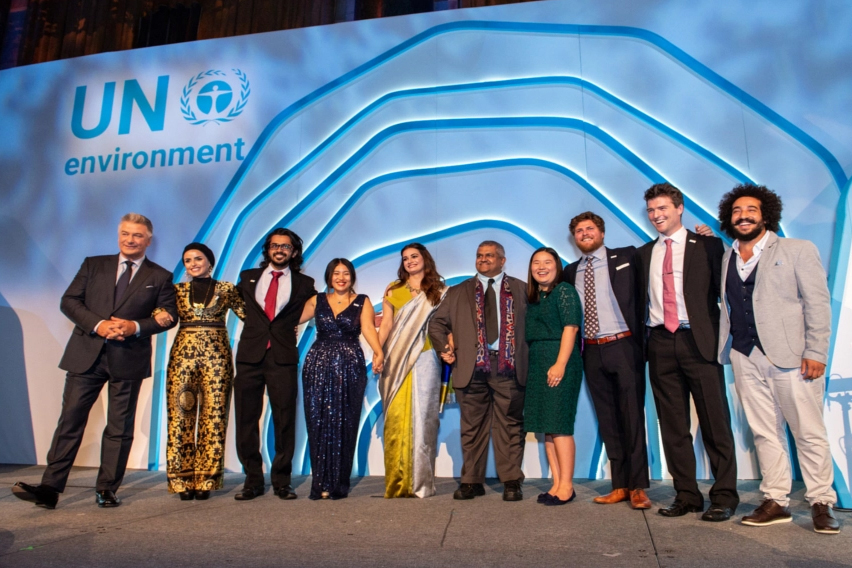
An engineer who turns plastic rubbish into paving stones. An activist who is fighting to save endangered salmon. And an inventor who developed a machine capable of pulling water out of the air. These are just some of the winners of the 2020 Young Champions of the Earth prize. They are Nzambi Matee (Kenya), Xiaoyuan Ren (China), Vidyut Mohan (India), Lefteris Arapakis (Greece), Max Hidalgo Quinto (Peru), Niria Alicia Garcia (United States of America) and Fatemah Alzelzela (Kuwait).

The UNEP 2020 Greening the Blue report provides a snapshot of the UN System’s environmental impacts throughout 2019 and the activities underway to reduce them.
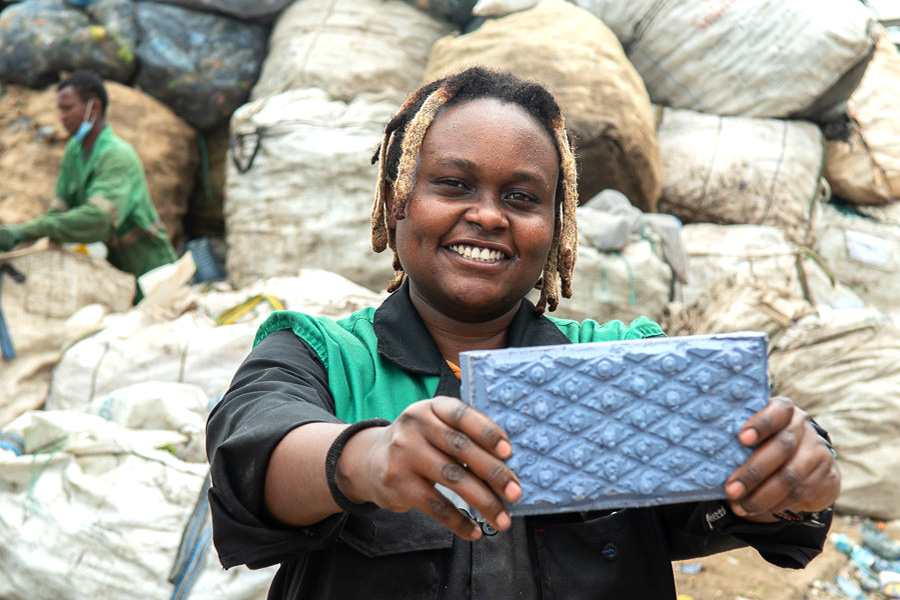
The UN Environment Programme named seven young scientists, engineers, entrepreneurs and activists from across the globe as its 2020 Young Champions of the Earth. With solutions to harvest water from the air, recycle plastic into paving slabs, and motivate fishing boats to haul tonnes of plastic out of the ocean, these change-makers show how innovative ideas coupled with ambitious action can help solve some of the world’s most pressing environmental challenges. They’ll receive seed funding, mentoring and communications support to amplify their efforts.

Young Champion of the Earth is a forward-looking prize designed to breathe life into the ambitions of brilliant young environmentalists aged 18 – 30. Shortlisted finalists from every region have been selected following an open call for applications. A Global Jury will then choose seven winners. Each winner is expected to implement their big idea and keep UNEP updated on their progress by producing videos and blogs. Winners will also be given funding to support their communication efforts throughout the year, so that they can produce high-quality materials to share with our audiences.