
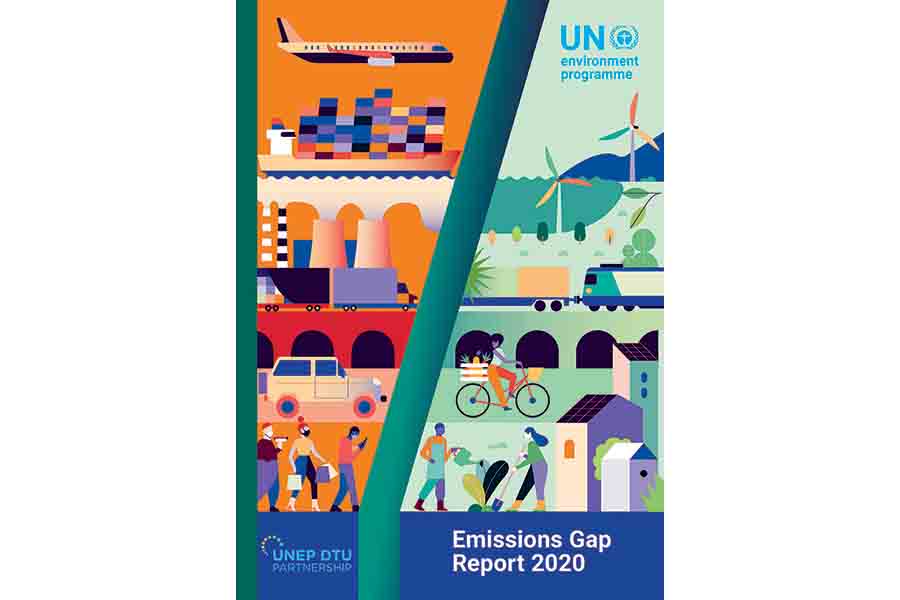
For over a decade, the UNEP Emissions Gap Report has provided a yearly review of the difference between where greenhouse emissions are predicted to be in 2030 and where they should be to avoid the worst impacts of climate change. The report finds that, despite a brief dip in carbon dioxide emissions caused by the COVID-19 pandemic, the world is still heading for a temperature rise in excess of 3°C this century – far beyond the Paris Agreement goals of limiting global warming to well below 2°C and pursuing 1.5°C.
UNEP
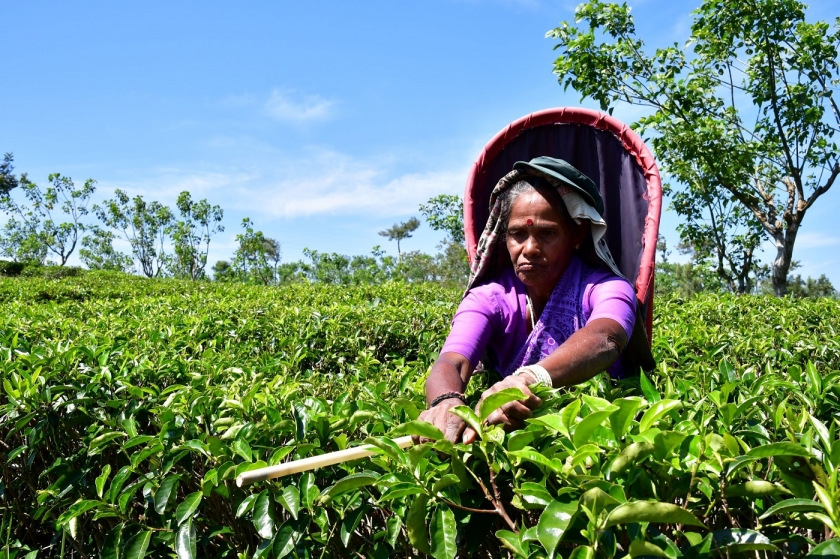
Crop Certification: Going green unlocks global markets for farmers

The UNEP report conducts a rigorous assessment of the contribution of material efficiency in residential buildings and light duty vehicle to greenhouse gas abatement strategies.

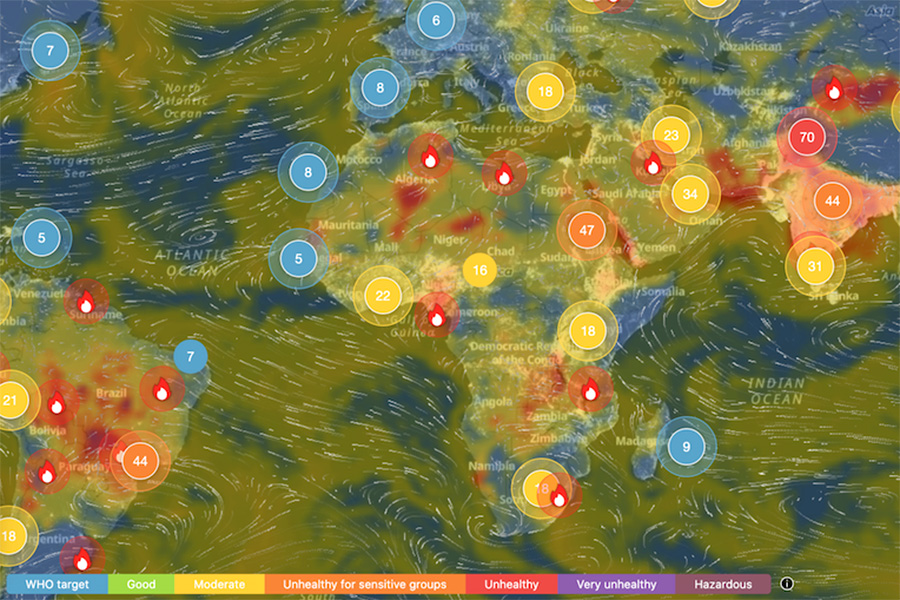
UNEP’s novel World Environment Situation Room provides real-time data on fine particulate matter in the atmosphere from fires, informing scientists, policy-makers and citizens alike. The platform is a collaboration between the UN and Swiss firm IQAir, which operates its own air quality monitoring platform. At maximum zoom-out, it shows a map of the planet, with arrows depicting wind patterns and air quality areas represented by a shading system; green is good, yellow moderate, orange is unhealthy for sensitive groups.

To build knowledge on how nature functions to deliver goods and services to humanity, UNEP Wild for Life 2.0 campaign will bring users on a journey to 4 ecosystems, including peatlands.
Biodiversity is essential for people through its provision of nutritious food, clean water, medicines, and protection from extreme events.

Some 330,000 premature deaths in the Americas are caused each year by pollution from open landfill dumpsites where waste is usually burned. In Latin America and the Caribbean there are thousands of dumpsites which are health hazards and which also contribute to climate change.
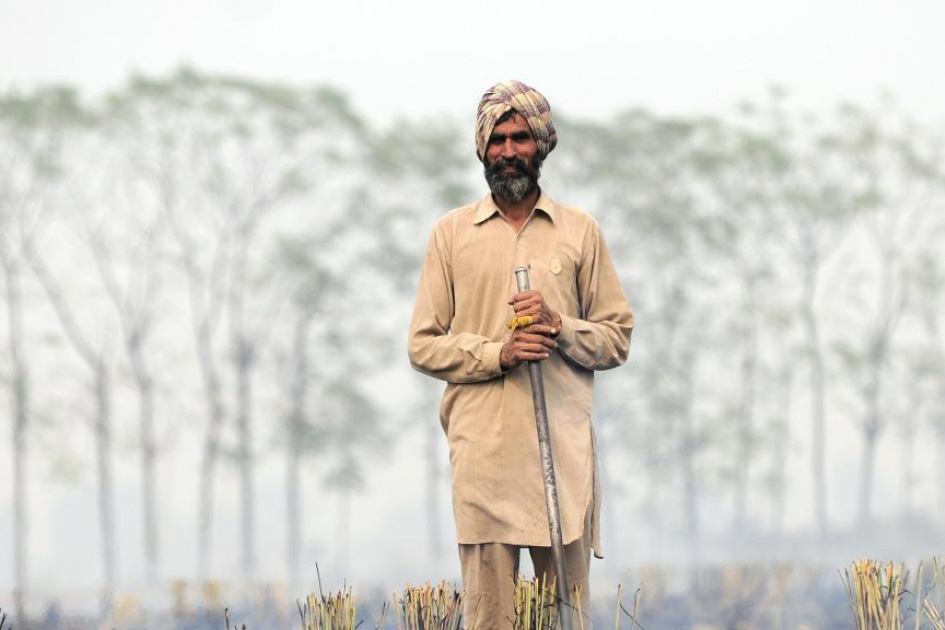
Late last year, flights were diverted from Delhi, thousands of schools were closed and people in the Indian capital were advised to stay indoors or wear masks. Now, India is gearing up for another surge in toxic air. In autumn, farmers across the northern part of the country will burn their fields to make way for a new crop. During the blazes, air pollution in Delhi can be 14 times greater than what the World Health Organization considers safe, with much of the country blanketed in a haze so thick, it can be seen from space.
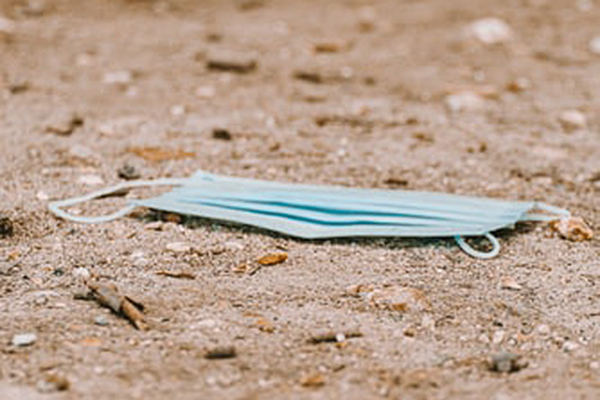
While national and local interventions are largely focused on protecting lives and economies during COVID-19, management of hazardous waste is also essential to minimize long-term risks to human and environmental health. A UNEP new publication - Waste Management during the COVID-19 Pandemic: from response to recovery - reviews current practices for managing waste from healthcare facilities, households and quarantine locations accommodating people with confirmed or suspected cases of COVID-19.
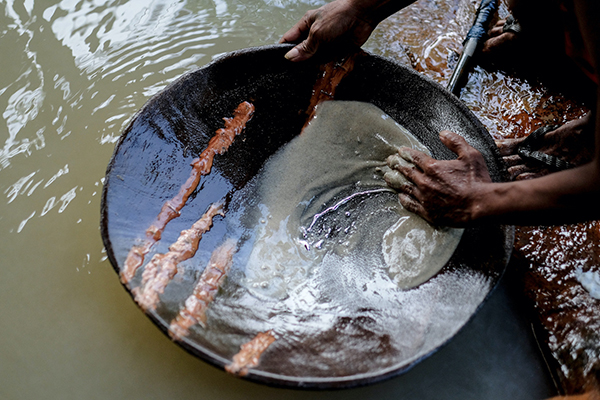
2020 marks the third anniversary and is a milestone year for The Minamata Convention on Mercury.

UNEP has created immersive digital experiences for its #WildforLife campaign. These four ecosystem-based “journeys” show the magic of interconnected natural systems and inspire people to take action to protect these distinct ecosystems. The first is Marine Journey. This aquatic adventure informs and inspires people to conserve coral reef, seagrass and mangrove ecosystems. The campaign aims at reversing trends such as two-thirds of oceans being significantly and negatively altered by human activity.

For ten years, Dixon Parmuya has guided tourists on bush walks around Amboseli National Park in Southern Kenya. But since COVID-19 swept through Kenya in mid-March, the country’s tourism industry has dwindled, leaving many locals without jobs and animals without protection. Most of Kenya’s programmes to protect wildlife are funded directly by tourist dollars and with visitor numbers down, money for conservation is drying up, say experts. In Africa, UNEP is working closely with governments and partners to encourage wildlife-based economies – where local communities are central to protecting the wildlife areas they inhabit, for mutual benefit of both.
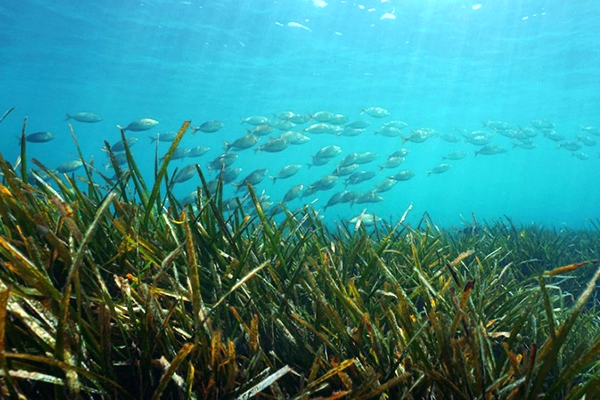
Join UNEP’s Wild for Life virtual, immersive journey through three unique but connected marine ecosystems – mangroves, seagrass and coral reefs – that are threatened by human activity.