
WHO is uniting across borders to speed up the development of tests, treatments and a vaccine for COVID-19, while continuing our work to promote health and serve the vulnerable. Now more than ever the world needs WHO.
WHO

It may seem obvious to an adult, but to a child it may not be so clear that they aren’t to blame if they get sick with COVID-19.

Dr Vicente Estrada, a Spanish infectious disease doctor, has dedicated his career to studying and fighting HIV. But when Madrid, where he lives and works, became a hotspot for COVID-19, Dr Estrada and his colleagues pivoted their work to help find a treatment for the disease that is taking a devastating toll on many countries around the world. Through the leadership of the World Health Organization, Dr Estrada and hundreds of other doctors around the world are now working together to find an effective treatment for COVID-19 through WHO’s Solidarity Clinical Trial.
Without vaccines, we are at risk of serious illness and disability from diseases like measles, meningitis, tetanus and polio. In today' interconnected world, infectious diseases easily cross borders, infecting anyone who is not vaccinated. Get vaccinated on time, every time.
Since the onset of the pandemic, WHO has been central the global response to the pandemic: by speeding up research and development, helping countries with their national plans, providing response supplies, as well as helping people protect themselves and others.

Countries must not forget routine lifesaving immunizations for diseases like measles, while racing to find a vaccine that will save millions of lives and end the COVID-19 pandemic.
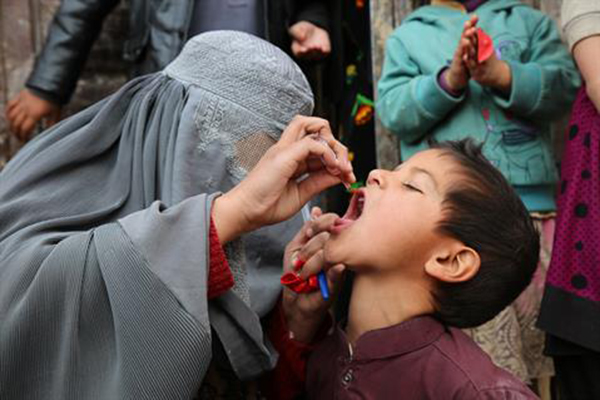
The aim of World Immunization Week (24-30 April) is to promote the use of vaccines to protect people of all ages against disease. Every year, millions of lives are saved thanks to immunization, one of the most successful and cost-effective health interventions. However, nearly 20 million children are still unvaccinated. With the theme #VaccinesWork for All, the campaign focuses on how vaccines as well as the people who develop, deliver and receive them are vaccine champions.

Young, creative and bold minds, who are helping redefine their own areas of expertise, are highlighted every year by the US business publication, Forbes. This year, the World Health Organization’s (WHO) yo
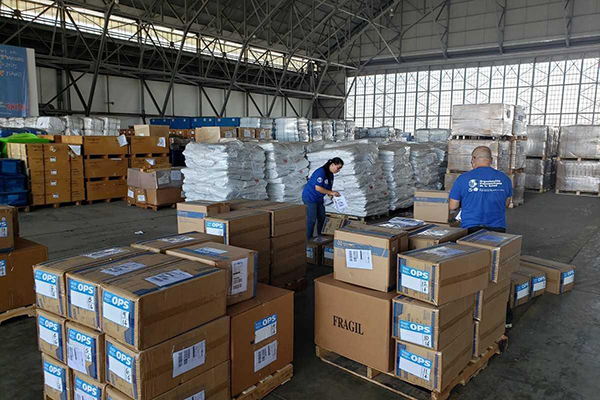
All countries must fight back against the coronavirus, an invisible enemy, but not all begin from the same starting line. The heads of the United Nations’ major agencies have issued a warning of the risk of COVID-19 to the world’s most vulnerable countries. Humanitarian organizations from across the world, therefore, call upon you to urgently support this global emergency supply system with an initial $350 million to enable a rapid scale-up of logistics common services.

Join us live now on UN WebTV for ‘One World Together At Home,” a global television and streaming special organized by the World Health Organization (WHO), together with international advocacy organization Global Citizen, and curated in collaboration with superstar singer-songwriter Lady Gaga, to celebrate frontline health care workers around the globe in their unrelenting battle against the COVID-19 pandemic. Funding pledges will go to the COVID-19 Solidarity Response Fund for WHO – as well as to local charities providing food, shelter and healthcare.

The United Nations is mobilizing international cooperation to harness the power of science to tackle the coronavirus pandemic, while also working with partners to explore innovative crisis response tools. WHO is gathering the latest scientific findings and knowledge on coronavirus disease (COVID-19) and compiling it in a database, after bringing together 300 scientists, researchers, national public health experts across the world to assess the current level of knowledge about the new virus and identify research priorities and gaps.
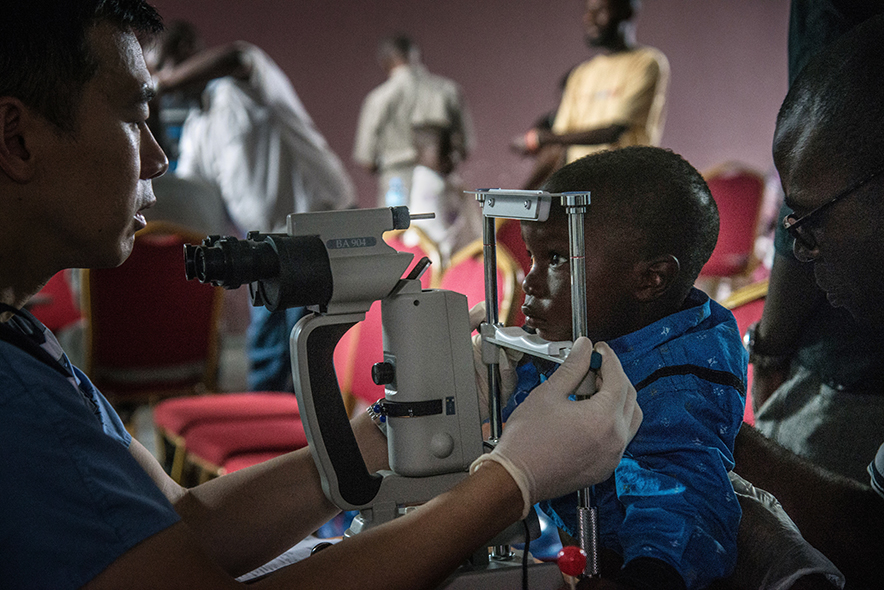
To support the global COVID-19 response and to celebrate the brave healthcare workers saving lives on the frontlines, WHO and Global Citizen partner to bring people together.
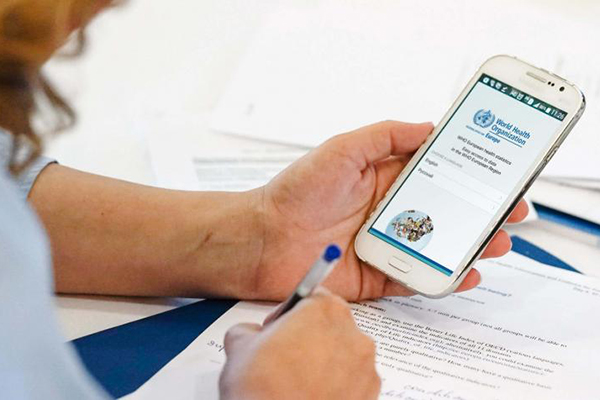
From teaming up with some of the best-known football stars and popular local musicians, to launching a direct messaging campaign, the United Nations is joining forces with new partners to share vital information about coronavirus. These efforts include the World Health Organization (WHO) launch of a dedicated messaging services in Arabic, English, French and Spanish, partnering with WhatsApp and Facebook to share critical guidance on COVID-19. WhatsApp Health Alert attracted 10 million users in the first days of launch.
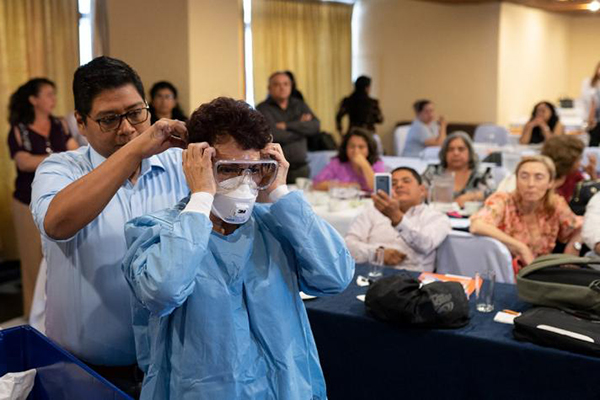
With coronavirus transmission on the rise in most Latin American countries, there is a small window of opportunity for Governments to slow the spread of the virus, reduce the impact on health systems and save lives. PAHO, the specialized health agency for the Americas that also serves as the regional office of the World Health Organization (WHO), is working with Governments to protect their health personnel. It is vital that countries decide what social distancing measures need to be implemented and for how long.