
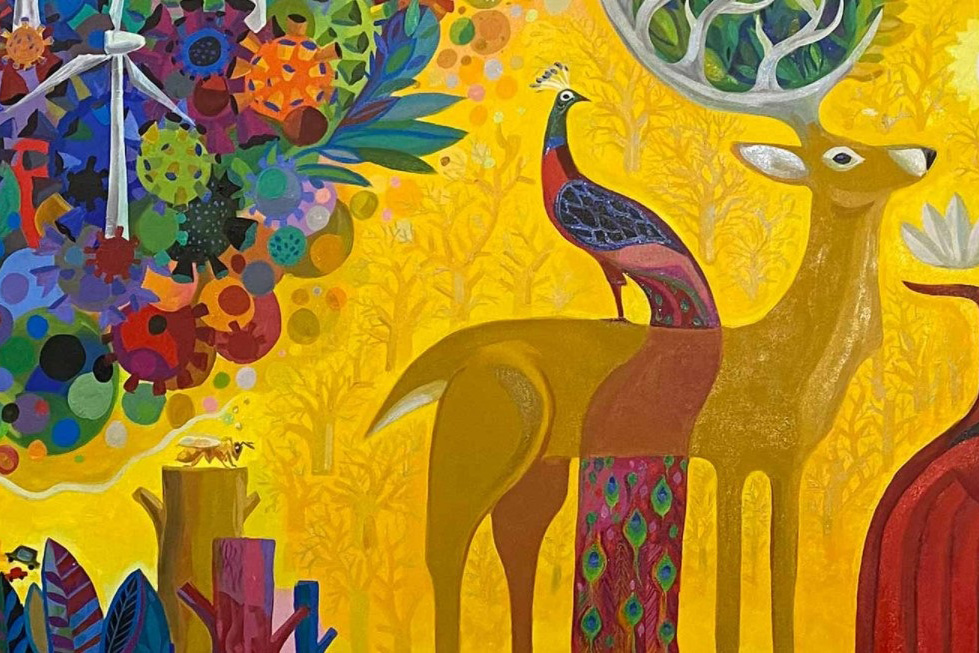
On November 14, leading policy advocates, artists, and researchers convene at The Metropolitan Museum of Art in New York for the Healing Arts Symposium in a call to action to acknowledge and act on the evidence for the health benefits of the arts.
WHO
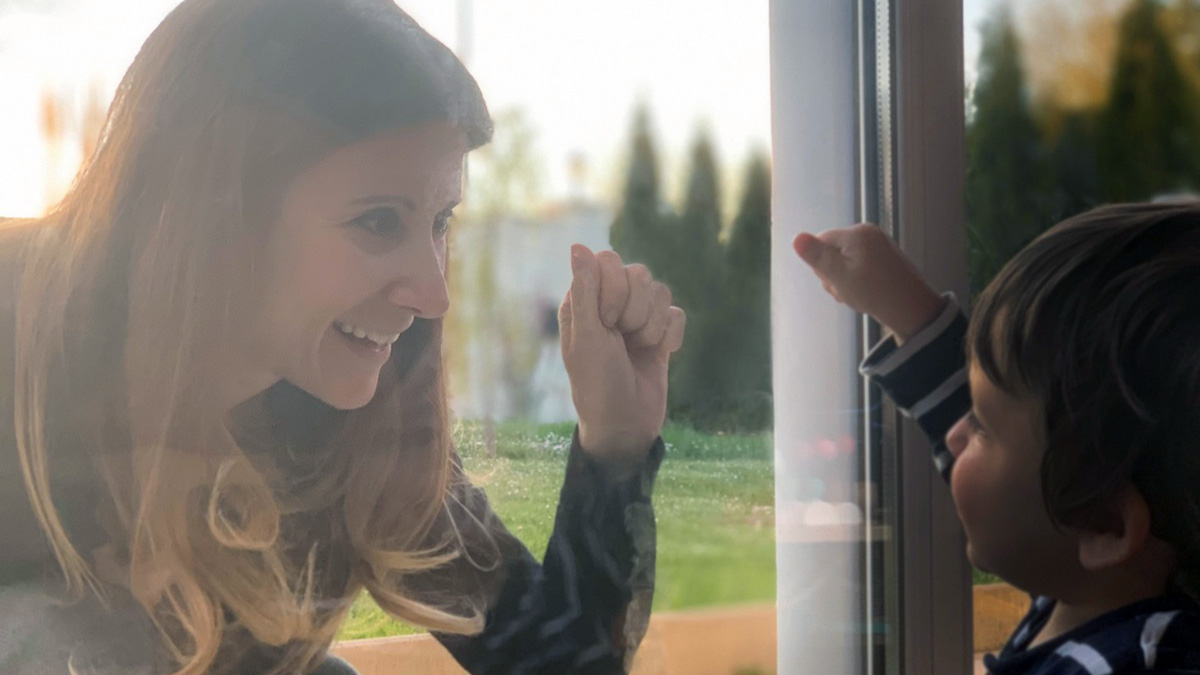
What is a day like in the life of the epidemiologist heading the global response to COVID-19? For the past 21 months, WHO COVID-19 Technical Lead Maria Van Kerkhove has been working around the clock with thousands of scientists to try to keep all of us safe. In this personal and insightful episode of the podcast Awake at Night, Maria shares her memories of the first moment she became aware of COVID-19 – before most of the world knew it existed – and then she takes us behind the scenes of WHO’s early steps to tackle the crisis.
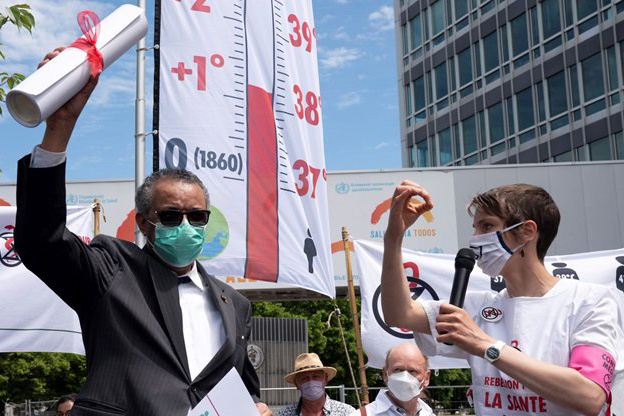
Countries must set ambitious climate commitments if they are to sustain a healthy and green recovery from the COVID-19 pandemic. The WHO COP26 Special Report on Climate Change and Health, in the lead-up to COP26, spells out the global health community’s prescription for climate action based on research that establishes the many and inseparable links between climate and health. The report is launched at the same time as an open letter, signed by over two thirds of the global health workforce calling for countries to step up climate action.
In less than a year, scientists made multiple vaccines to help combat the Covid-19 pandemic. However some countries are missing out as they do not have equitable access to the vaccines. WHO encourages we work together, to produce and deliver doses to vaccinate 70% of every country by the middle of 2022. But we are in a race against time and we all must do more, faster. No one is safe until we’re all safe. #VaccinEquity
The story is a sequel to ‘My Hero is You: how kids can fight COVID-19!’, published in April 2020. The new storybook can be used by parents and teachers in conjunction with a guide entitled ‘Actions for Heroes.’
The COVID-19 pandemic has had a major impact on people’s mental health. Some groups, including health and other frontline workers, students, people living alone, and those with pre-existing mental health conditions, have been particularly affected. And services for mental, neurological and substance use disorders have been significantly disrupted. Yet there is cause for optimism. Governments from around the world recognize the need to scale up quality mental health services at all levels. Mental health care for all: let’s make it a reality
You can’t put out half a fire. No one is safe until we’re all safe. Stand up for vaccine equity.
World Patient Safety Day 2021 is dedicated to safe maternal and newborn care recognizing the significant burden of avoidable harm caused by unsafe care particularly around the time of birth. Every woman has a right to a positive childbirth experience. WHO calls on stakeholders to ‘Act now for safe and respectful childbirth!’
We all need health care at some stage in our life. Not only it is important to have access to health care we need, but also the health care we receive should be of high quality to improve our health. This video explains what is meant by quality of care.
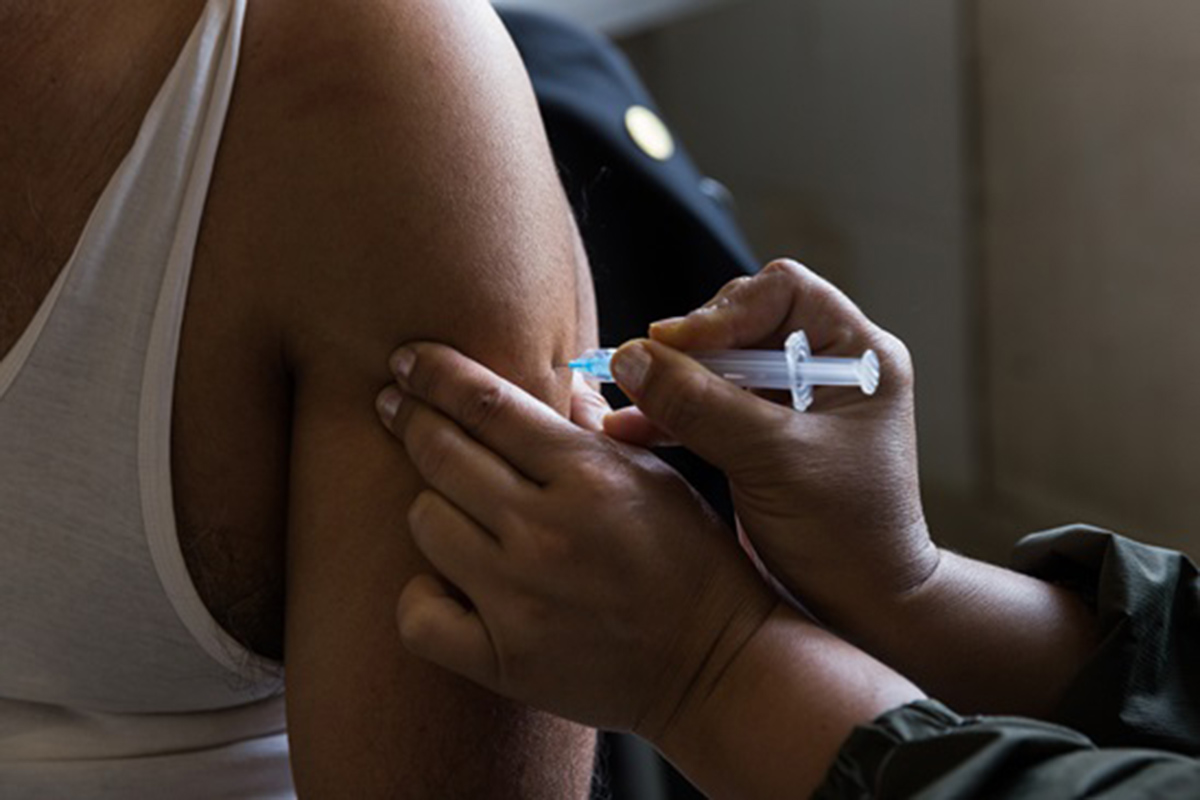
Twelve months ago, the world came together to support COVAX, a multilateral initiative co-convened by WHO and partners, to guarantee global access to COVID-19 vaccines. With the support of the international community, COVAX began securing financing, negotiating with vaccine developers and manufacturers, and addressing the logistics associated with rolling out the largest and most complex vaccination programme in history. Yet only 20% of people in low- and lower-middle-income countries have received a first dose of vaccine compared to 80% in high- and upper-middle income countries.
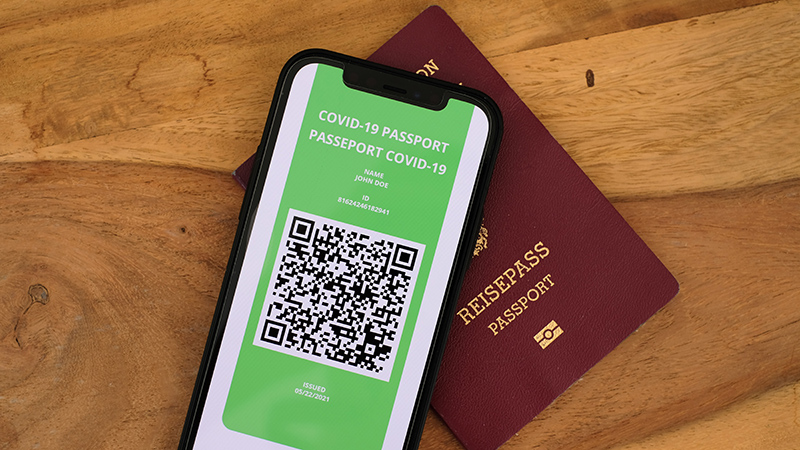
WHO has published guidance for countries on the technical requirements for issuing digital certificates for vaccination against COVID-19.
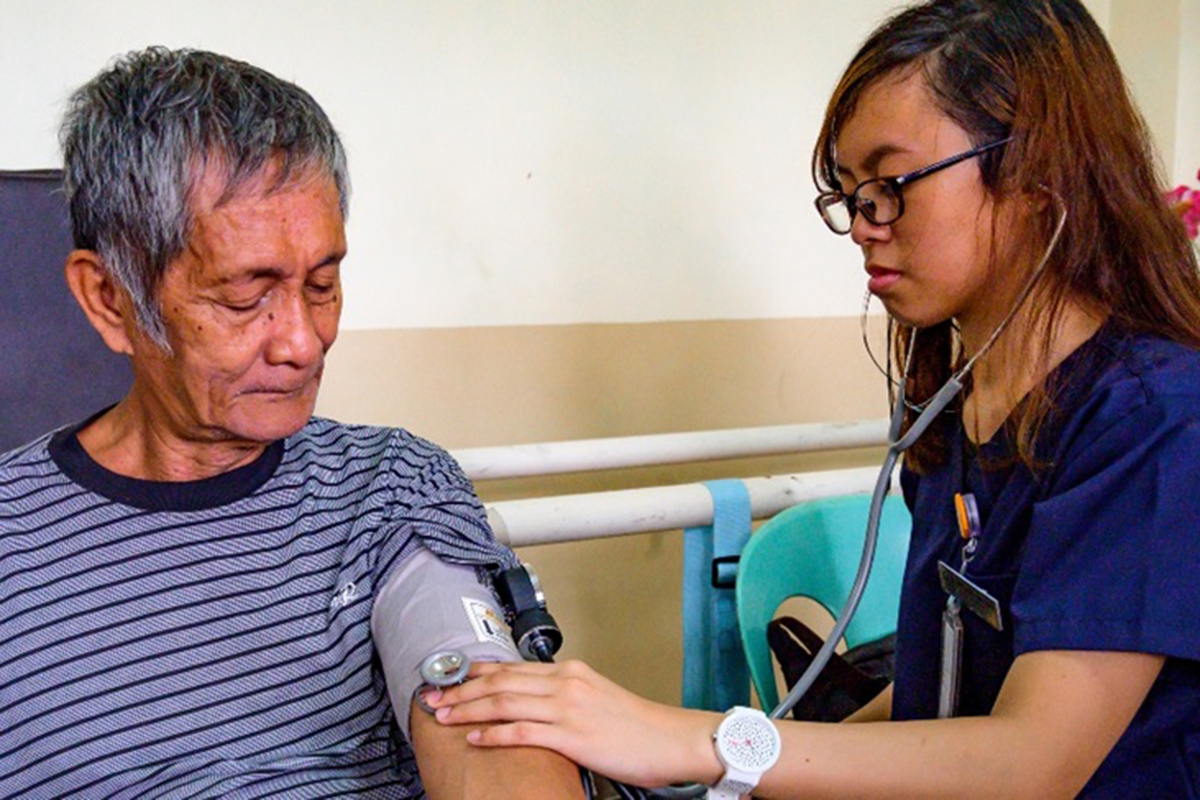
Hypertension cases increased from 650 million to 1.28 billion in the last thirty years, according to the first comprehensive analysis in hypertension led by WHO and partners.
This WHO animation highlights the dangers of drowning and what we can all do to prevent it. An estimated 236,000 people drown every year, and drowning is among the ten leading causes of death for 5–14-year-old children.
WHO invites us to learn about the development of vaccines. From clinic trials and emergency use listing to production, transportation, storage and final administration by local health workers – follow the journey of a vaccine.
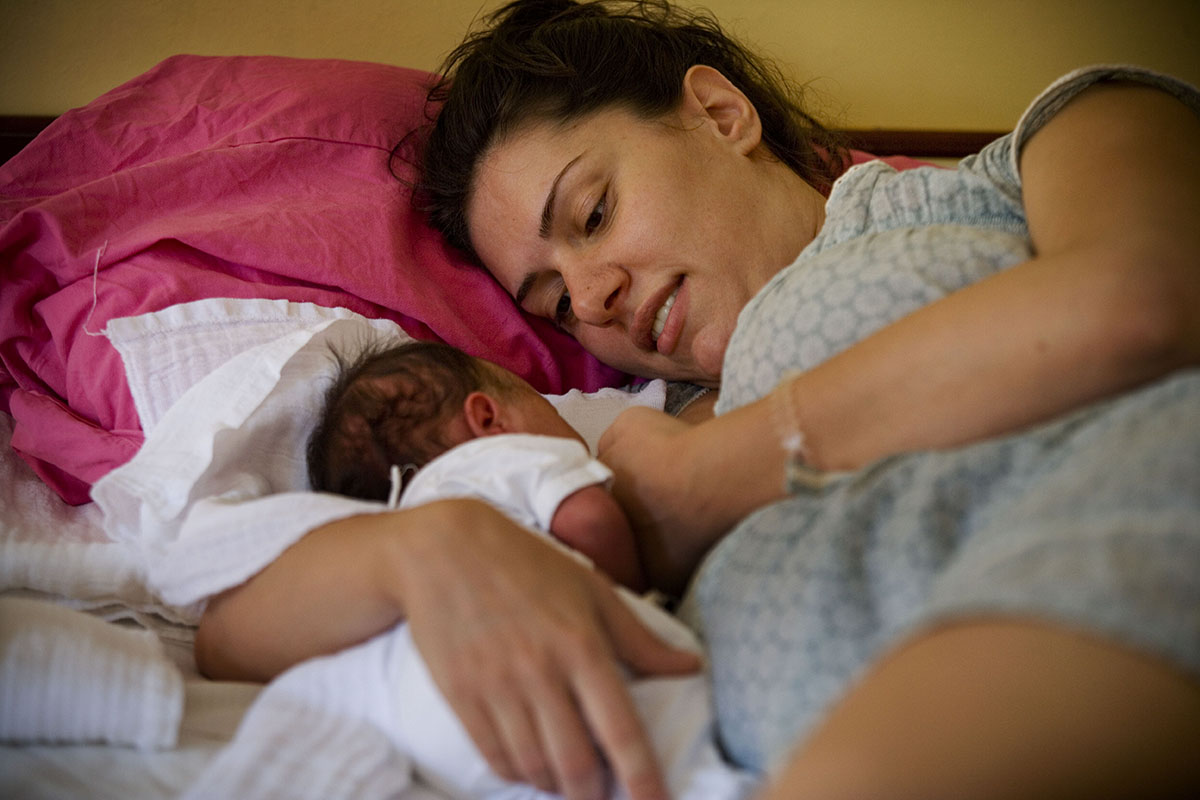
This week, as countries around the world celebrate World Breastfeeding Week, the United Nations calls on all stakeholders to support breastfeeding. Breastfeeding provides every child with the best possible start in life. It delivers health, nutritional and emotional benefits to both children and mothers. And it forms part of a sustainable food system. But while breastfeeding is a natural process, it is not always easy. Mothers need support – both to get started and to sustain breastfeeding.