WHO

Air pollution

On September 7, the UN marked the third International Day of Clean Air for Blue Skies. However, the skies are far from clear of air pollution. Only a month ago, the World Health Organization (WHO) warned that practically all the air we breathe is polluted, and that it’s killing around seven million people every year.

Conor Lennon from UN News spoke to Martina Otto and Nathan Borgford-Parnell from the Climate and Clean Air Coalition, which is hosted by the UN Environment Programme (UNEP). They discussed the evolving science surrounding the issue, the extent to which air pollution is improving – if at all – and why international collaboration is essential, if the number of annual deaths is to be addressed.

Music: Ketsa, Within the Earth
Audio Credit: UN News/ Conor Lennon
Photo Credit: Unsplash/Malcolm Lightbody
Cycling is an increasingly popular means of transportation in cities like Bogota, but currently only 24% of bicycle trips there are made by women. There are risks that prevent more women from choosing the bicycle for transportation. Find out more about Bogota’s initiative to achieve parity of trips, which is part of the PAHO/WHO Global Project on Urban Governance for Health.

In 2022 the world is experiencing one of the largest backslides of global immunization rates in history. Now is the only chance we have to work together, to pull resources and invest in vaccinating humanity against all diseases and illnesses. And we must do it together! Read about vaccine equity.

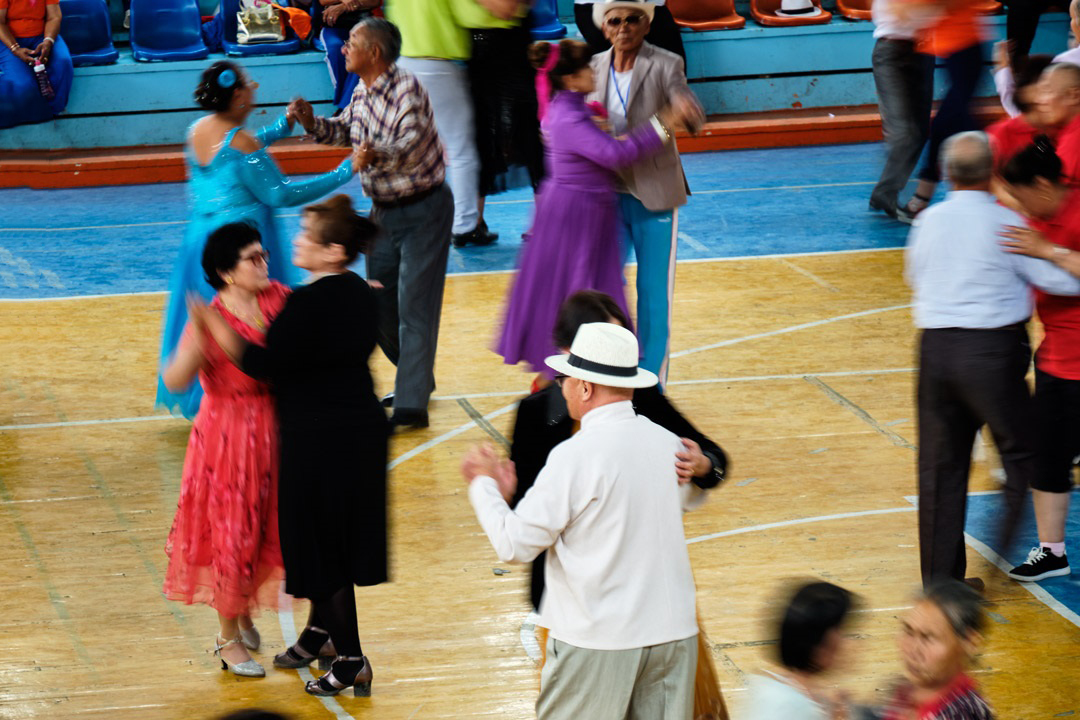
People dancing in a gym

Sexual health is relevant throughout a person’s life, from adolescence into older age – not only during one's reproductive years. It is determined by the quality and safety of people’s relationships: with oneself and other individuals, with family and friends, and the society in which we live, including the gender norms that shape our experiences. These relationships are themselves dependent on whether everyone’s human rights related to their sexuality are realised and protected. On World Sexual Health Day (4 September), WHO celebrates every person’s right to sexual wellbeing.

woman holding child

Globally, only half (52%) of children living with HIV are on life-saving treatment, far behind adults where three quarters (76%) are receiving antiretrovirals, according to the data that has just been released in the UNAIDS Global AIDS Update 2022. Concerned by the stalling of progress for children, and the widening gap between children and adults, UNAIDS, UNICEF, WHO and partners have brought together a global alliance to ensure that no child living with HIV is denied treatment by the end of the decade and to prevent new infant HIV infections.

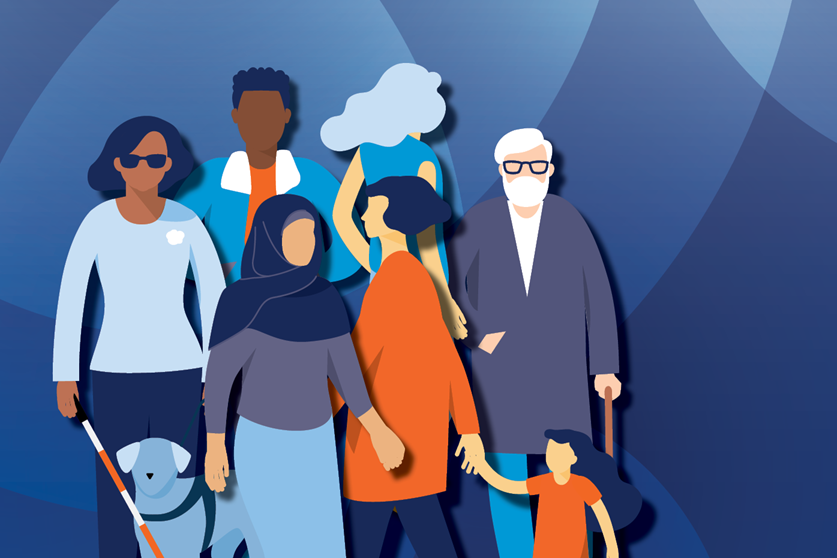
An illustration of a group of people of various demographics.

Millions of refugees and migrants face poorer health outcomes than their host communities, especially where living and working conditions are sub-standard, according to a WHO report.

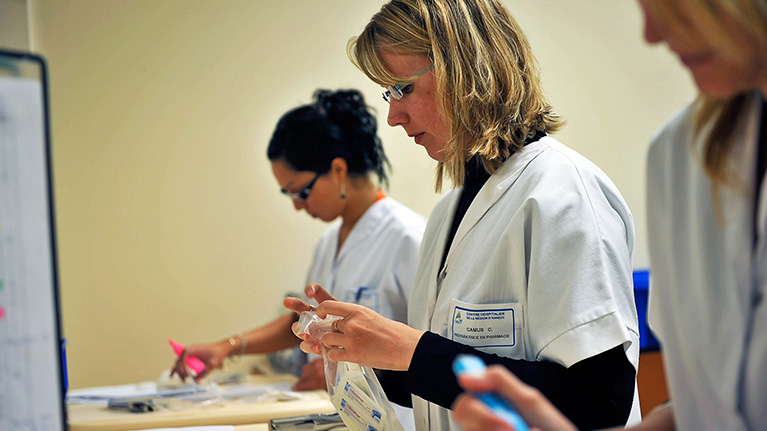
Three women in white coats standing in front of table and working.

Women in the health and care sector face a larger gender pay gap than in other economic sectors, earning on average of 24 percent less than peers who are men, according to a new joint report by the ILO and WHO.

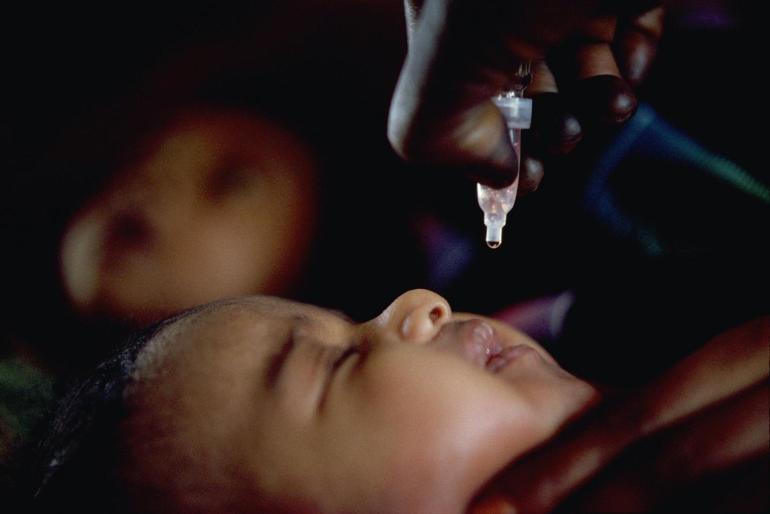
Baby lying down with vaccine drip above

The largest sustained decline in childhood vaccinations in 30 years has been recorded in data published by WHO and UNICEF. According to the agencies, global vaccination coverage continued to decline in 2021, with 25 million infants missing out on lifesaving vaccines such as DTP. The decline was due to many factors including an increased number of children living in conflict settings where immunization access is challenging, COVID-19 related service and supply chain disruptions and resource diversion to response efforts.

illustration of hepatitis interventions

Every 30 seconds someone loses their life to hepatitis B or C. Almost 90 percent of people living with viral hepatitis are unaware that they have it. World Hepatitis Day is observed each year on 28 July to raise awareness of viral hepatitis, which causes inflammation of the liver that leads to severe disease and liver cancer. On World Hepatitis Day 2022, WHO is highlighting the need for bringing hepatitis care closer to the primary health facilities and communities, so that people have better access to treatment and care, no matter what type of hepatitis they may have.

WHO activities on the Responsible Use of the Life Sciences intend to increase awareness and provide tools to foster benefits and constrain risks stemming from dual use life sciences and technologies. Using its role as a leader in public health globally, WHO works with Member States and relevant stakeholders to harness responsible science and to establish mechanisms for adopting changes in practice that support safe, secure and responsible life sciences.

a road with seven lanes of traffic

WHO welcomes the political declaration on Global Road Safety committing to cut road traffic deaths and injuries by 50% by 2030, a milestone for road safety and sustainable mobility.

a girl at a beach looking at her phone

The SunSmart Global UV app for mobile phones that provides localized information on ultraviolet (UV) radiation levels, has been launched by WHO, WMO, UNEP and ILO.

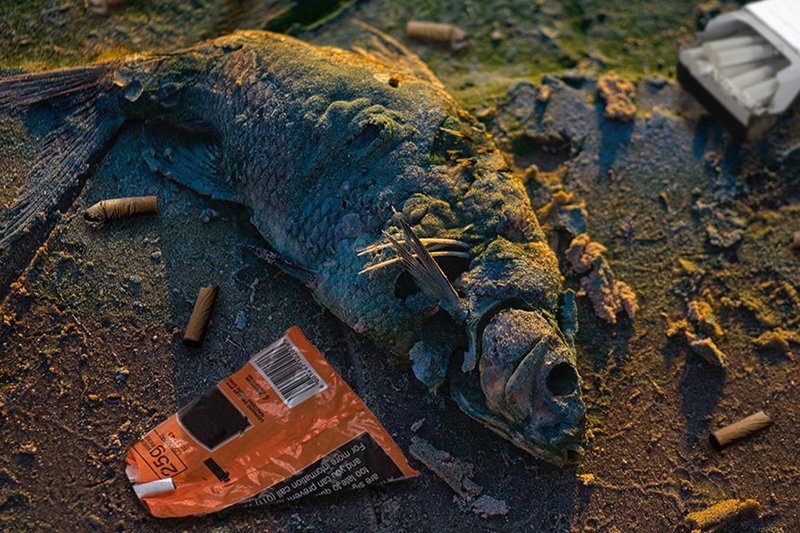
dead fish among cigarette butts

The World Health Organization (WHO) has revealed new information on the extent to which tobacco damages both the environment and human health, calling for steps to make the industry more accountable for the destruction it is causing. Every year the tobacco industry costs the world more than 8 million human lives, 600 million trees, 200 000 hectares of land, 22 billion tonnes of water and 84 million tonnes of CO2. The WHO report “Tobacco: Poisoning our planet” highlights that the industry’s carbon footprint.

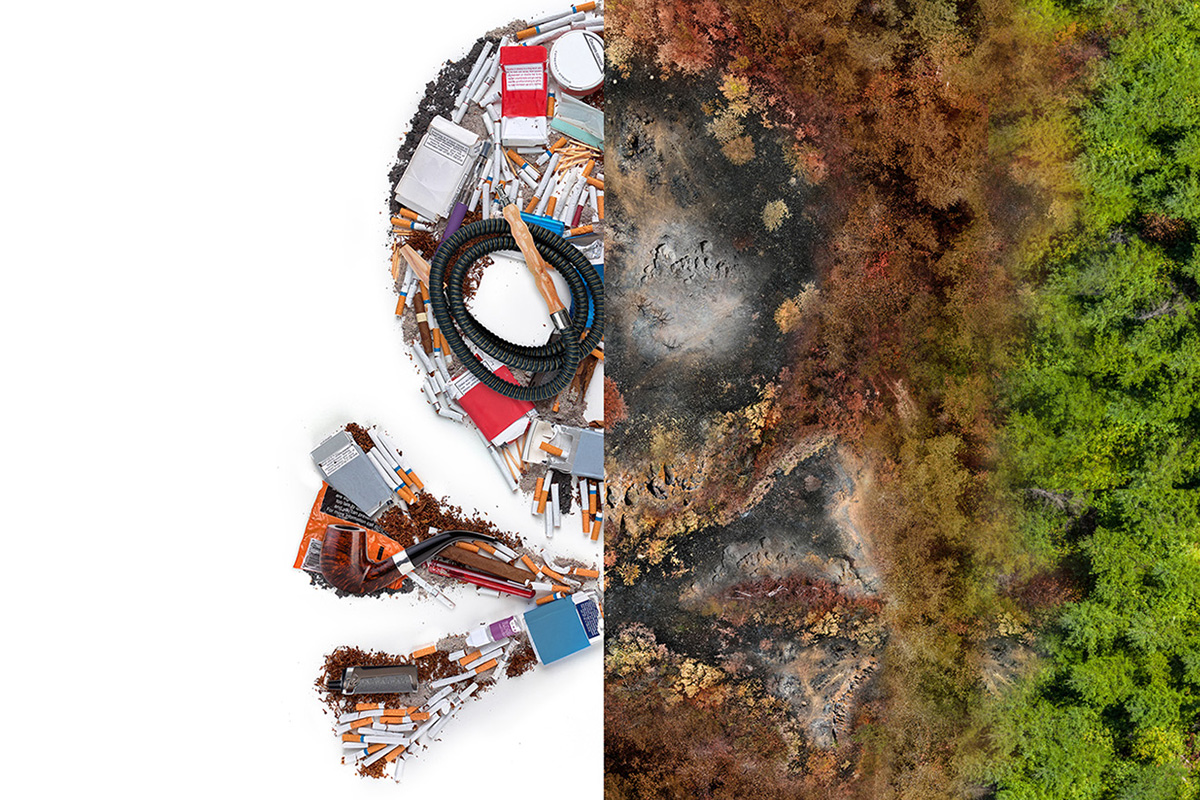
Two images joining in the shape of a skull and bones, one side is tobacco products and the other is burnt earth.

The harmful impact of the tobacco industry on the environment is vast and growing adding unnecessary pressure to our planet’s already scarce resources and fragile ecosystems. Tobacco kills over 8 million people every year and destroys our environment, further harming human health. This year’s campaign for World No Tobacco Day (31 May) aims to raise awareness on the environmental impact of tobacco – from cultivation, production, distribution and waste. It will give tobacco users one extra reason to quit.

A collage of photos: a concert with a young woman holding up a bottle, a person texting, and a football field.

WHO highlights the increasing use of online marketing for alcohol and the need for more effective regulation - young people and heavy drinkers are increasingly targeted by advertising.