
WHO asserts that young people must be protected from deadly second-hand smoke and toxic e-cigarette emissions as well as ads promoting these products.
WHO
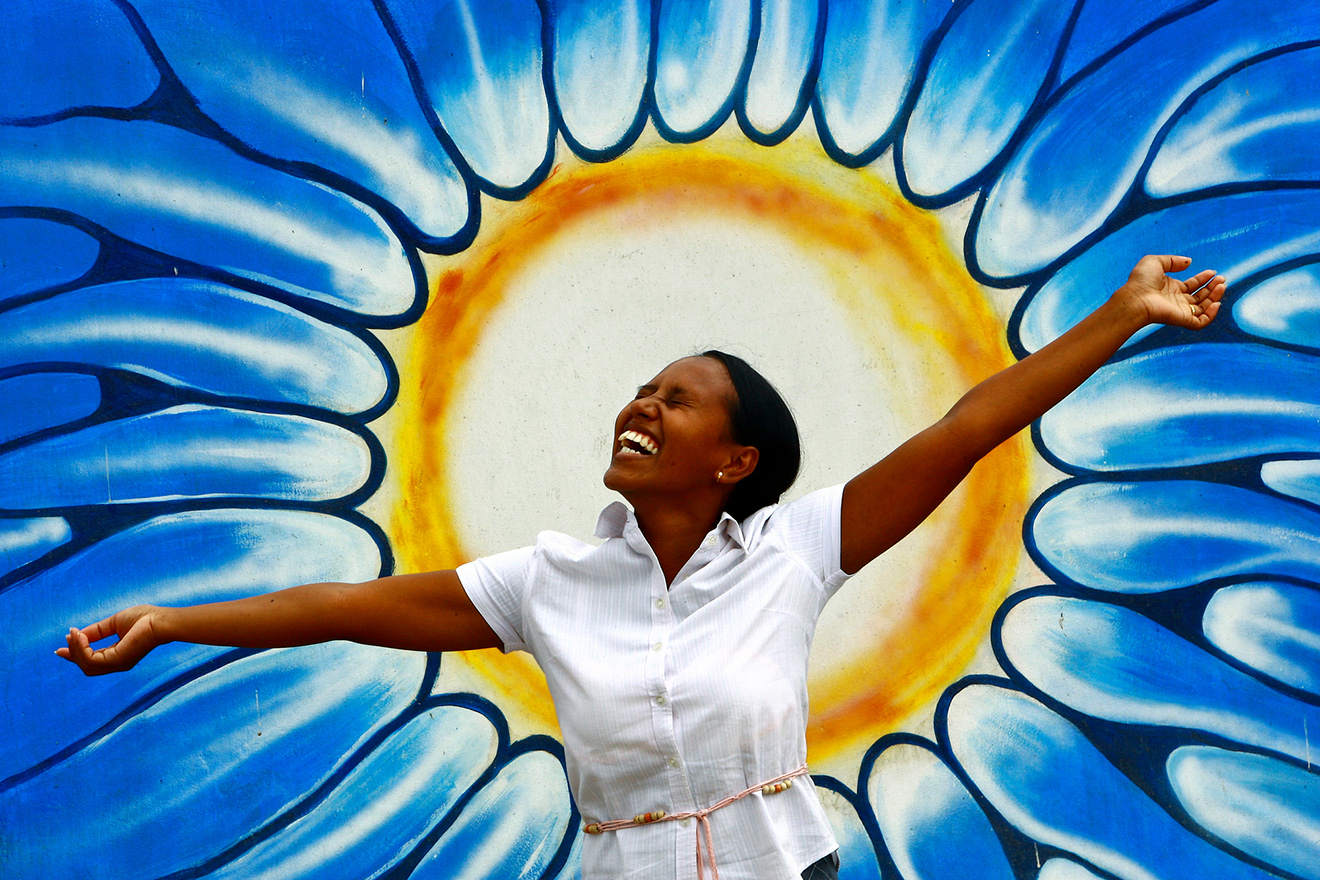
World Mental Health Day 2023 is an opportunity for people and communities to unite behind the theme "Mental health is a universal human right," to improve knowledge, raise awareness and drive actions that promote and protect everyone’s mental health as a universal human right. WHO continues to work with its partners to ensure mental health is valued, promoted, and protected, and that urgent action is taken, so that everyone can access the quality mental health care they need. Join the World Mental Health Day 2023 campaign to learn more about your basic right to mental health.
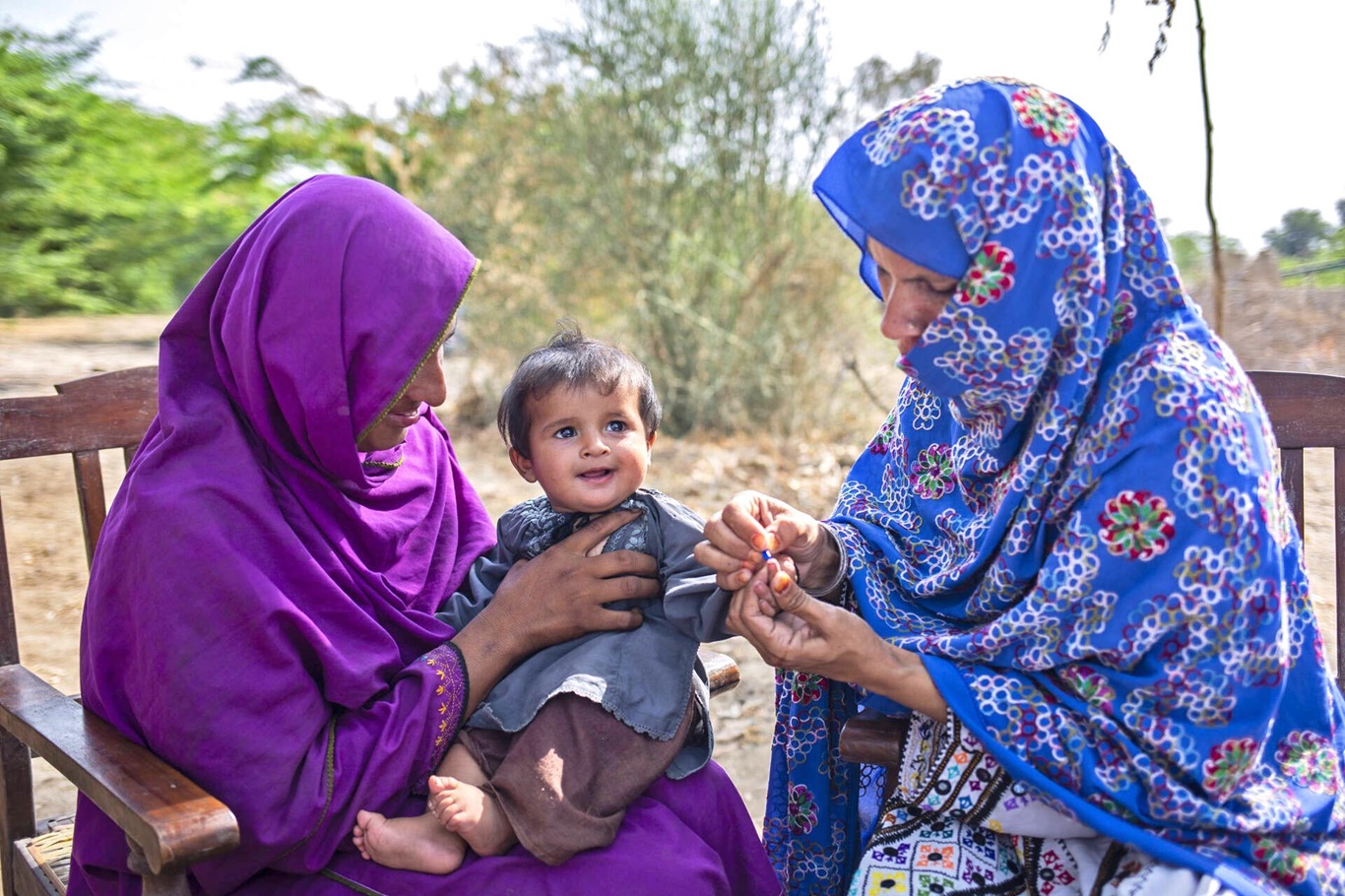
Universal health coverage is a choice–a political choice- and at the recently concluded UNGA High-Level meeting, a new Political Declaration on Universal health coverage was approved. For health care to be truly universal, an approach to strengthening health systems centred on people’s needs, is one of the most effective areas for investment to accelerate progress. Staggering statistics reveal that 4.5 billion people—more than half of the world’s population—were not fully covered by essential health services in 2021. WHO is fully committed to working with Member States and partners to ramp up policy actions to expand service coverage, ensure financial protection and shape the financing architecture to invest more and better in health.

World Patient Safety Day 2023 is dedicated to the theme “Engaging patients for patient safety” and the slogan “Elevate the voice of patients!”
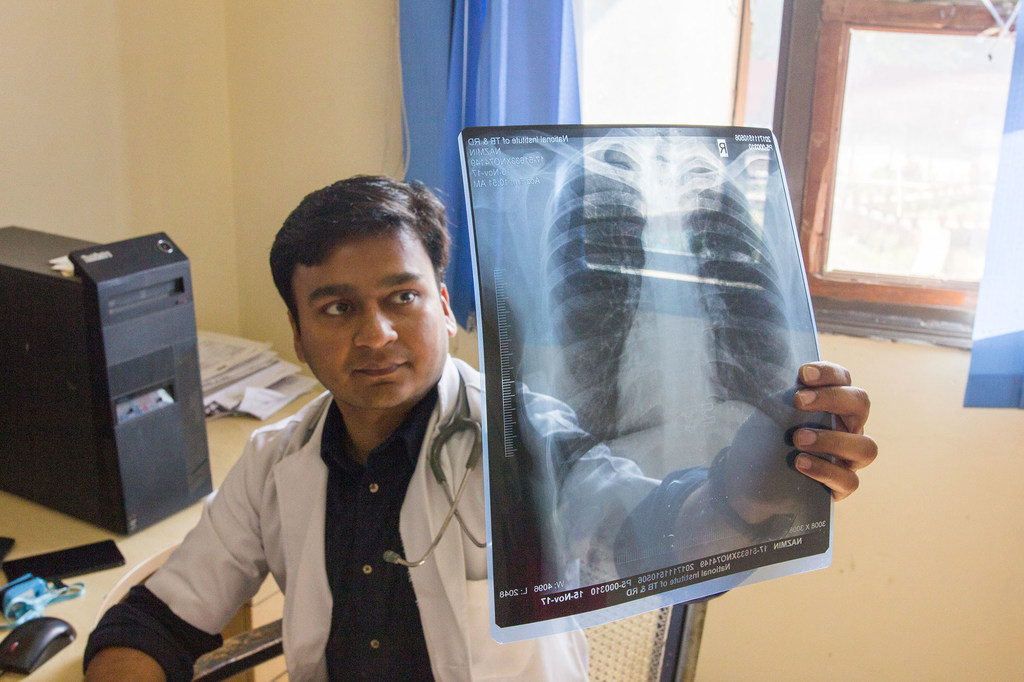
An estimated 10.6 million people fell ill with tuberculosis (TB) in 2021, an increase of 4.5% from 2020, and 1.6 million people died from TB (including 187,000 HIV-positive people), according to the World Health Organization’s 2022 Global TB report. The UN General Assembly is holding the second high-level meeting on the fight against tuberculosis on 22 September 2023. It aims to advance science, finance and innovation, and their benefits, to urgently end the global tuberculosis epidemic, in particular, by ensuring equitable access to prevention, testing, treatment and care.
Steven Solomon, WHO Principal Legal Officer, unpacks the pandemic accord. The accord, being developed by countries, can be a game-changer in pandemic prevention and preparedness. Steven also clarifies the misinformation around the accord.
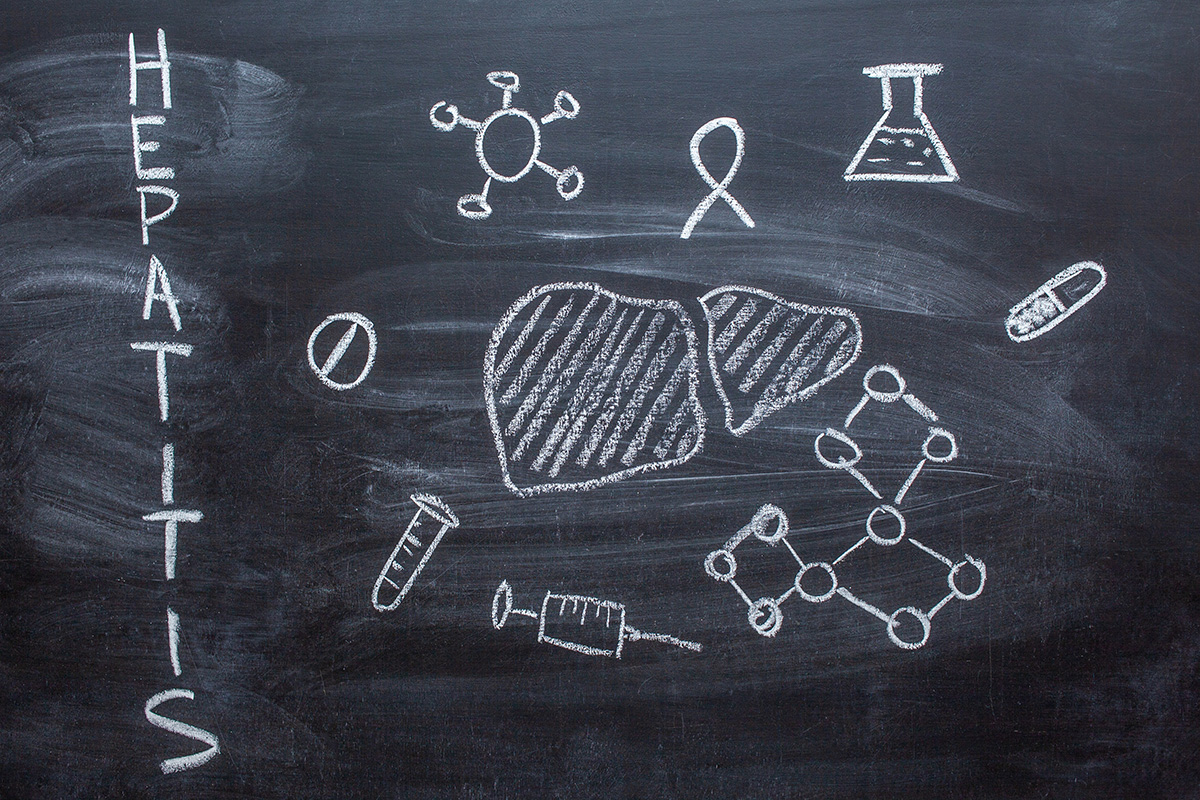
You’ve only got one life, and you’ve only got one liver. Hepatitis can devastate both. Your liver silently performs over 500 vital functions to keep you alive. But viral hepatitis infection is also silent, with symptoms only appearing once the disease is advanced. And that’s why liver health is fundamental to human health. So many hepatitis deaths could be prevented. Because there are vaccines and effective treatments for hepatitis B and even a cure for hepatitis C. This World Hepatitis Day (28 July) speak to your local healthcare provider to find out how to protect yourself from hepatitis.
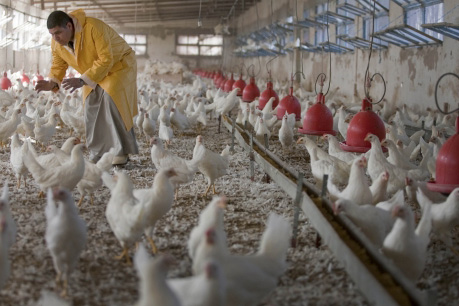
In response to the current outbreaks of avian influenza (also called bird flu), WHO urges countries to work together across sectors to save as many animals as possible and to protect people.
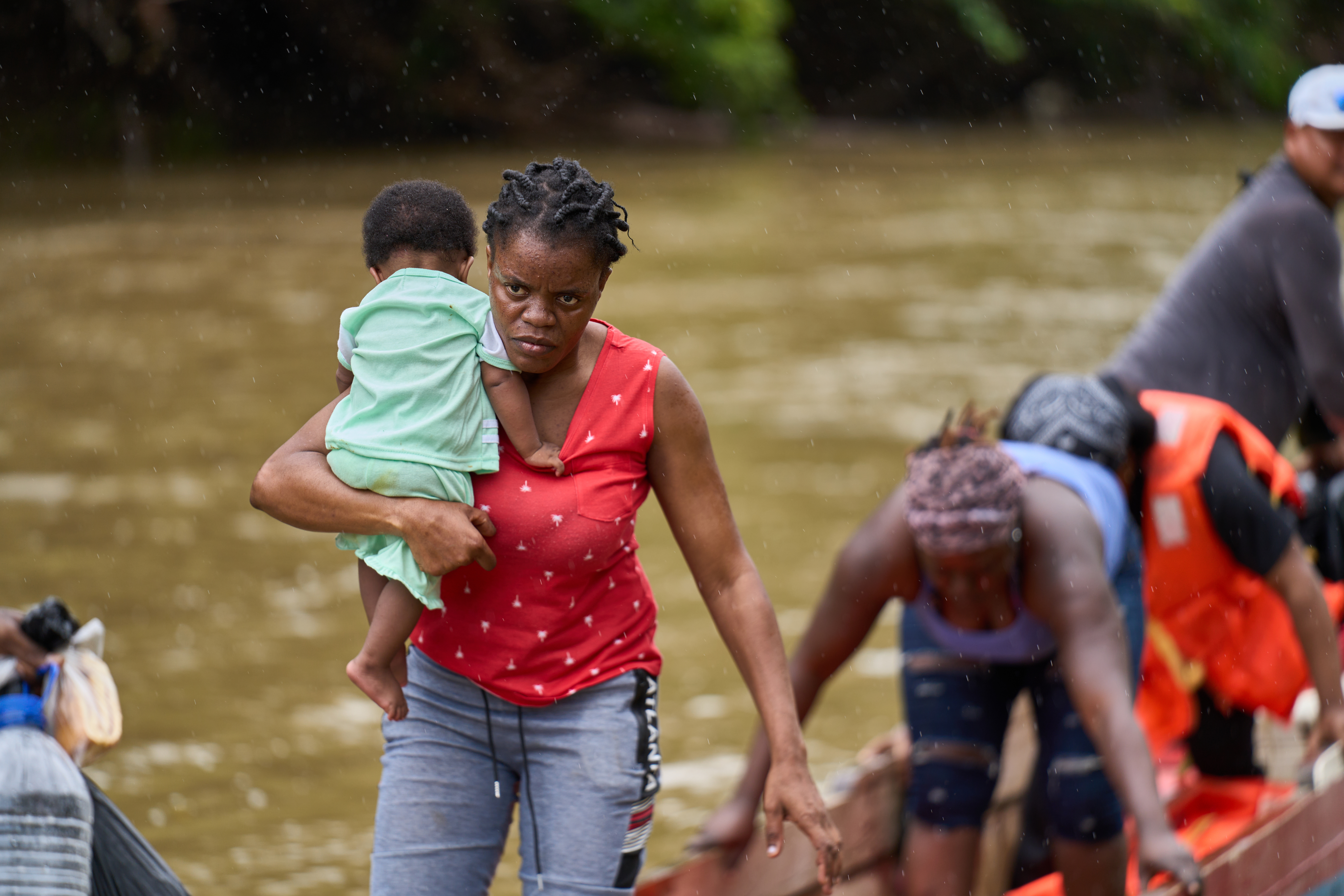
Refugees and migrants face significant threats to health, and significant barriers to accessing the health services they need. The adoption of the Rabat Declaration will strengthen and reaffirm the global commitment to improve the health of refugees and migrants. One in eight people globally is either a migrant or is forcibly displaced by factors including conflict, persecution, environmental degradation, or the lack of human security and opportunity. WHO emphasizes this goal cannot be realized without political commitment and a whole-of-government approach.
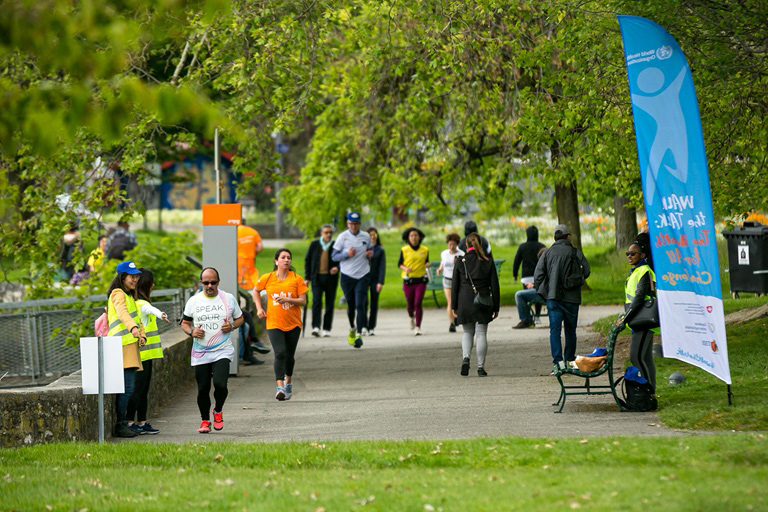
The world is moving faster than ever, but people are moving less. Research has found that one in four adults and over 80 per cent of young people do not meet the recommended minimum activity levels needed for optimum health. Starting with just 30 minutes of movement a day has significant health benefits for hearts, bodies and minds. The International Olympic Committee wants to inspire and enable the world to move more every day. Led by Olympians and created in collaboration with WHO, the Let’s Move campaign is an invitation to make time every day for movement for better health.
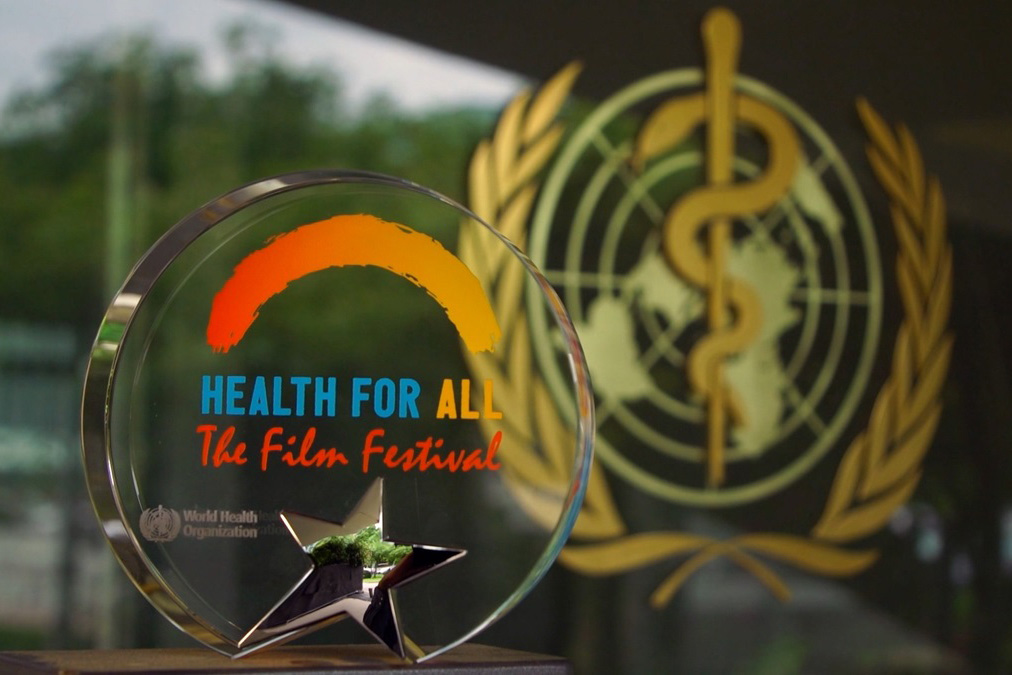
WHO announced the saw winning films announced for 7 health-related categories, while 4 films received special mentions from the jury of this 4th Annual Health for All Film Festival.
WHO's presents Jonathan's Miracle Feet through The Health for All Film Festival which is an initiative to connect people joining the movement for health promotion through films.
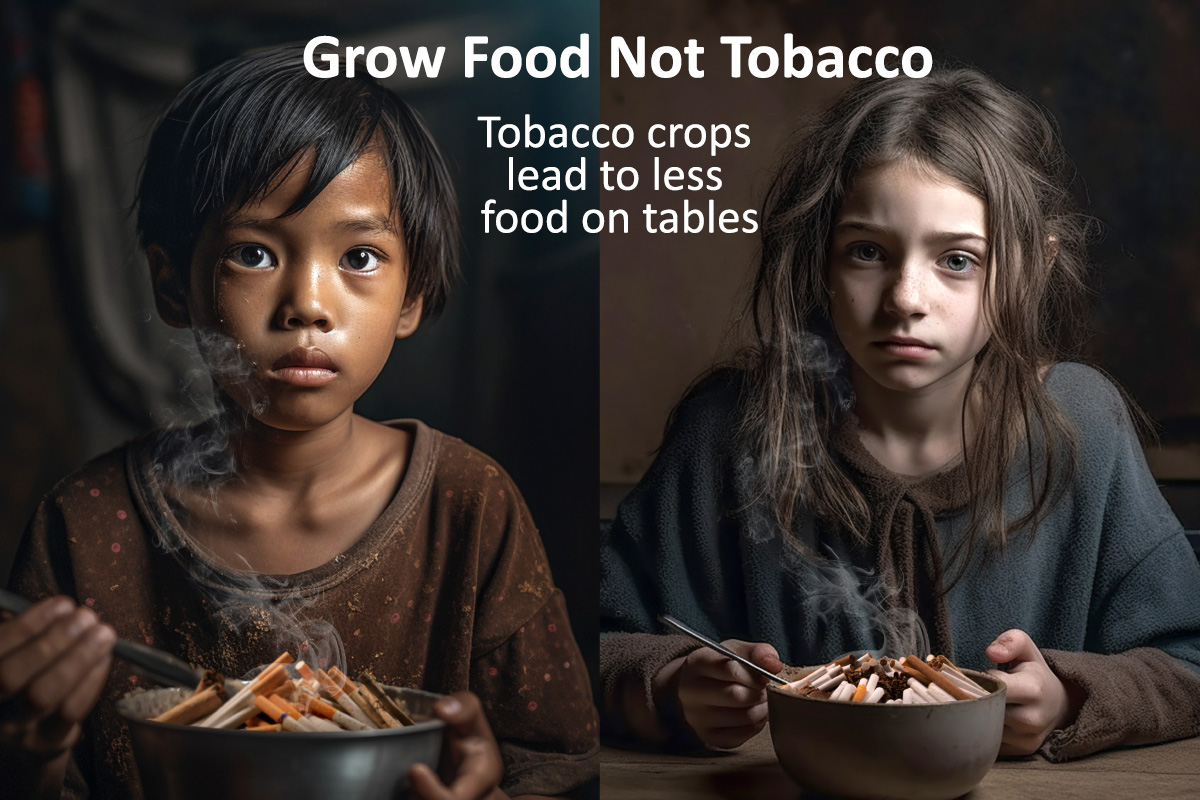
Tobacco growing harms our health, the health of farmers and the planet’s health. The tobacco industry interferes with attempts to substitute tobacco growing, contributing to the global food crisis. The 2023 campaign for World No-Tobacco Day encourages governments to end tobacco growing subsidies and use the savings to support farmers to switch to more sustainable crops that improve food security and nutrition.

A new WHO guideline suggests that non-sugar sweeteners do not confer benefits in reducing body fat – instead they increase the risk of type 2 diabetes and other noncommunicable diseases.

Road traffic injuries are a leading cause of death and disability worldwide, with around 1.3 million people killed and as many as 50 million people injured each year. 1 of every 4 deaths occur among pedestrians and cyclists. The WHO Global Plan for the Decade of Action for Road Safety 2021-2030 aims to reduce road traffic deaths and injuries by 50% by 2030 by ensuring safe roads, vehicles and behaviours as well as by improving emergency care. This year’s Global Road Safety Week focuses on sustainable transport, in particular the need to shift to walking, cycling and using public transport.