
Accurate death certificates and coding are essential for quality mortality data and effective public health strategies.
WHO
Every day, tobacco and nicotine industries use carefully engineered products and deceptive tactics to hook a new generation of users and keep existing ones. Unmask the appeal.

Every day, tobacco and nicotine industries use carefully engineered products and deceptive tactics to hook a new generation of users and keep existing ones. These products are highly addictive and designed to sustain use, trapping users in a cycle of dependence. Stricter regulations are needed to reduce the appeal of these products and protect current and future generations from their harmful effects. On World No Tobacco Day (31 May), don’t let the tobacco and nicotine industries trick people with their playbook. Let’s stand together and make it crystal clear: No more tricks, no more traps.

Member States have approved the World Health Organisation Pandemic Agreement in a World Health Assembly Committee, marking a historic step toward its formal adoption in the Assembly's plenary session.
Held every May 5, let's remember, it might be gloves but it's always hand hygiene.
PAHO/WHO urges preparedness for potential DENV-3 outbreaks in the Americas, emphasizing early diagnosis, timely care, and preventing severe cases and deaths.

Over the last 50 years, essential vaccines have saved at least 154 million lives. That’s 6 lives a minute, every day, for five decades. Under the banner, ‘Immunization for All is Humanly Possible’, World Immunization Week 2025 aims to ensure even more children, adolescents, adults – and their communities – are protected against vaccine-preventable diseases. Vaccines are proof that less disease, more life is possible when we put our minds to it. It’s time to show the world that immunization for all is humanly possible.

What does a mother need to know to ensure that she has a safe pregnancy and delivery? What are some warning signs to watch for? And what are a woman’s rights while going through a pregnancy and delivery? Join maternal health expert Dr Femi Oladapo in a new episode of WHO's Science in 5 podcast.
Maternal health is a critical global issue, most of which are preventable with timely, skilled care. Although progress has been made, inequalities persist, particularly in fragile and humanitarian settings, requiring urgent action to ensure universal access to quality maternal health services as part of the Sustainable Development Goals.
Maternal health is a critical global issue, most of which are preventable with timely, skilled care. Although progress has been made, inequalities persist, particularly in fragile and humanitarian settings, requiring urgent action to ensure universal access to quality maternal health services as part of the Sustainable Development Goals.

Close to 300,000 women lose their life due to pregnancy or childbirth each year, while over 2 million babies die in their first month of life and around 2 million more are stillborn. That’s roughly 1 preventable death every 7 seconds. World Health Day kicks off a year-long campaign on maternal and newborn health. The campaign, "Healthy beginnings, hopeful futures", urges governments and the health community to ramp up efforts to end preventable maternal and newborn deaths and to prioritize women’s longer-term health and well-being.
Did you know that diseases are being eliminated by countries all over the world. In the last five years alone, 44 eliminations have been confirmed by the World Health Organization (WHO). What does it take to eliminate a disease? What needs to happen before WHO can certify an elimination? Once eliminated, can these diseases come back? Dr. Jérôme Salomon explains in a new episode of the Science in 5 podcast.

In 2023, 10.8 million people fell ill with tuberculosis, while 1.25 million lost their lives to it. World Tuberculosis Day (24 March) amplifies the urgency of ending TB—the world’s deadliest infectious disease. This bacterial infection, which primarily affects the lungs, continues to devastate millions of people worldwide, with serious health, social and economic consequences. This year’s theme, Yes! We Can End TB: Commit, Invest, Deliver, is a bold call for hope, urgency, and accountability.

Obesity rates have nearly tripled since 1975, with a significant increase in children and adolescents. It is a major risk factor for noncommunicable diseases (NCDs) such as type 2 diabetes, cardiovascular disease, and various forms of cancer. World Obesity Day (4 March) promotes practical solutions to achieve and maintain a healthy weight, including limiting the marketing of unhealthy food to children, taxing sugary drinks, and improving access to affordable, healthy food. We also need to create safe spaces for walking and cycling and teach children healthy habits from an early age.
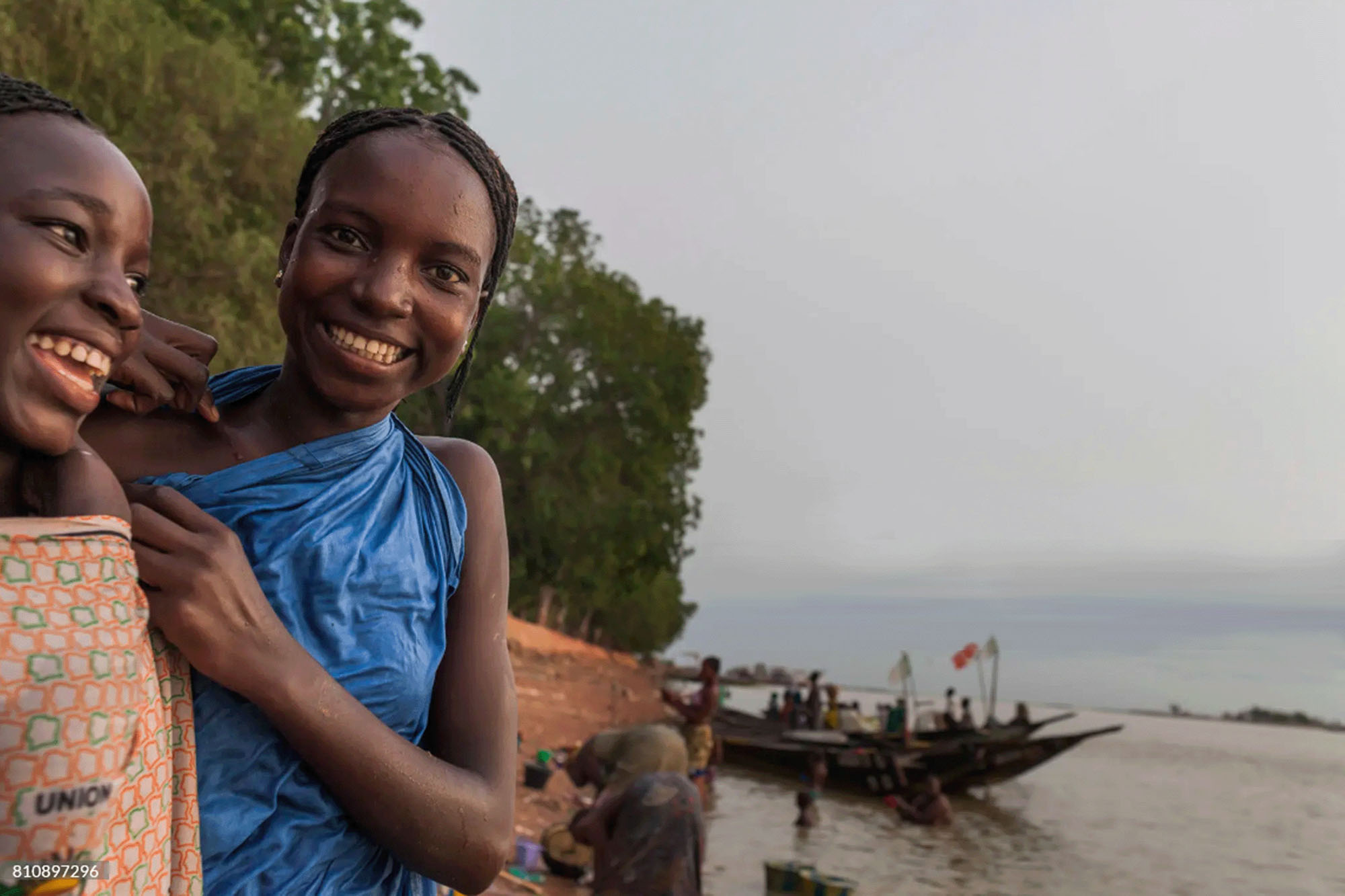
Congratulations to Niger for being verified by the World Health Organization (WHO) as the first country in Africa to eliminate the transmission of onchocerciasis, also known as river blindness. This parasitic disease is caused by the Onchocerca volvulus worm, which is transmitted through bites from infected black flies. Niger faced significant challenges due to this disease, particularly in communities near fast-flowing rivers. However, a strong national elimination program and collaboration with partners like the Ministry of Health, USAID, and WHO have led to this historic achievement. Onchocerciasis is one of the three diseases targeted for elimination of transmission in the WHO NTD road map for neglected tropical diseases 2021–2030, the other being leprosy and the gambiense form of human African trypanosomiasis.