

This year’s World Patient Safety Day (17 September) is focused on improving diagnosis for patient safety, using the slogan “Get it right, make it safe!”. On the day, patients and families, health workers, healthcare leaders, policymakers and civil society will emphasize the pivotal role of correct and timely diagnosis in improving patient safety. A diagnosis identifies a patient’s health problem and requires collaboration between patients and healthcare teams. It involves discussions, examinations, testing, and review of results before reaching the final diagnosis and treatment.
WHO

Suicide is a major public health challenge, with more than 700,000 deaths each year globally. Learn the facts to help prevent it.
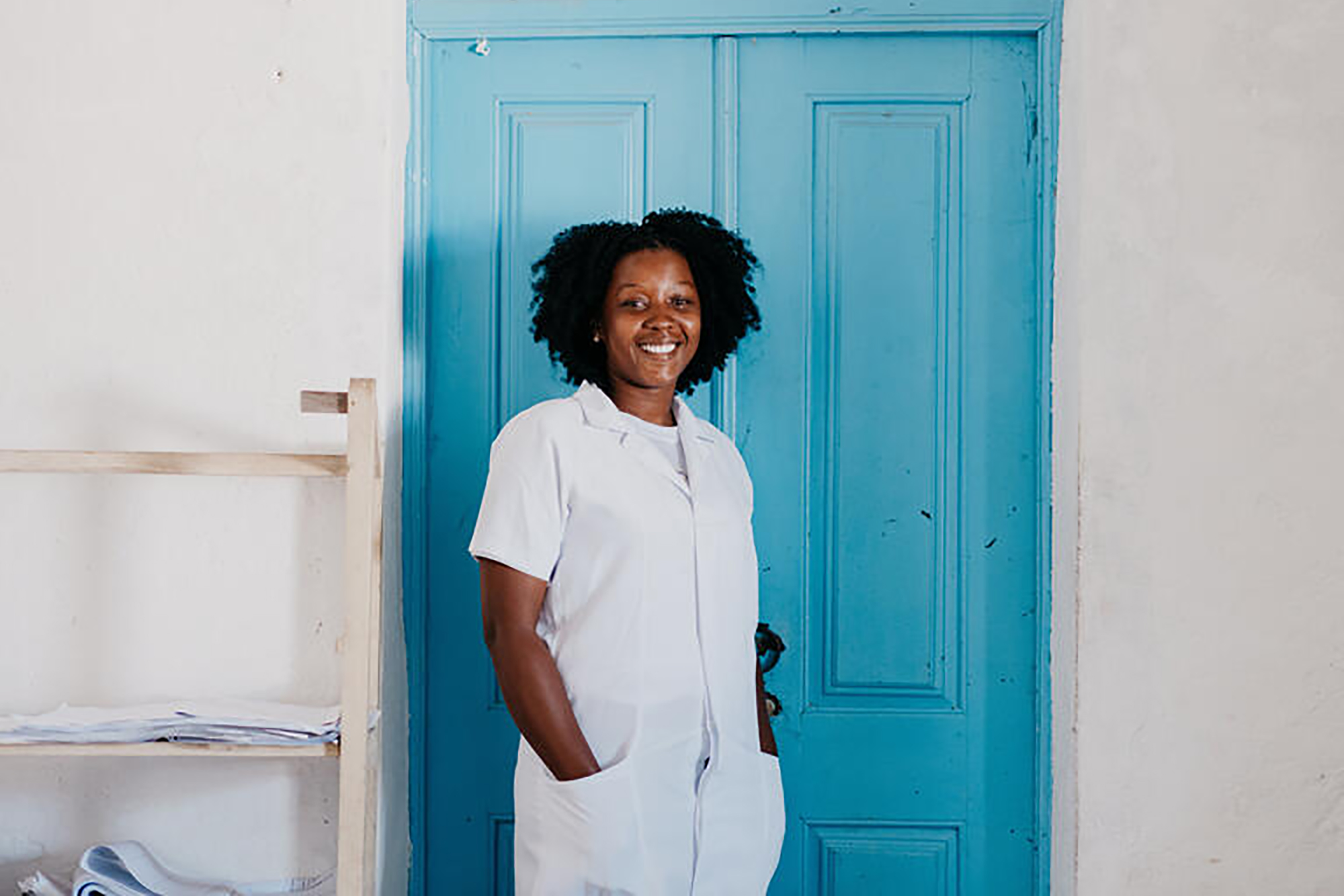
Positive relationships grounded in mutual respect, empathy and understanding are a cornerstone of sexual health and well-being. As we celebrate World Sexual Health Day (4 September) this year, positive relationships take the spotlight. Indeed, when partners prioritize each other’s sexual health – and understand that it is a shared responsibility – communication, trust and reproductive health outcomes improve. Comprehensive sexuality education empowers everyone, especially women and girls, to form good relationships and protect their sexual and reproductive health and rights.

In tropical and subtropical countries, the virus causing dengue is spiking. Close to an historic high of over 6 million cases and more than 7,000 dengue-related deaths were reported in over 80 countries and territories in 2023. Most places in Europe remain too cool to favour the mosquito or the virus, but imported dengue cases have been rising in the European region and the impact of climate change appears to be shifting the picture.
To find out more about dengue and the family of viruses it belongs to, called arboviruses, Alice Allan speaks to Marc-Alain Widdowson, high threat pathogens technical lead at the WHO Regional Office for Europe and medical entomologist Luca Facchinelli.

Is dementia a normal part of ageing? Someone suffers from dementia every three seconds. What are the causes? Can we prevent it? Is there a cure?
Dr Katrin Seeher explains in this episode of Science in 5.
See more on WHO's work on dementia.

World Breastfeeding Week is held in the first week of August every year, supported by WHO, UNICEF, institutions and civil society partners. The theme for 2024 is “Closing the gap: Breastfeeding support for all”. The campaign celebrates breastfeeding mothers in all their diversity, while showcasing the ways families, societies, communities and health workers can support breastfeeding activities. Women everywhere have the right to respectful breastfeeding counselling from trained health care providers, as well as laws and policies like maternity leave and provisions like paid time off when they go back to work.

Hepatitis is an inflammation of the liver, caused by either a viral infection or non-infectious agents (such as drugs, toxins, alcohol). Deaths from viral hepatitis-related causes are increasing. World Hepatitis Day, observed on 28 July, raises awareness of viral hepatitis, which causes severe liver disease and cancer. With a person dying every 30 seconds from a hepatitis-related illness, we must accelerate action on better prevention, diagnosis, and treatment to save lives and improve health outcomes, so we can meet our 2030 targets to achieve a hepatitis-free world.
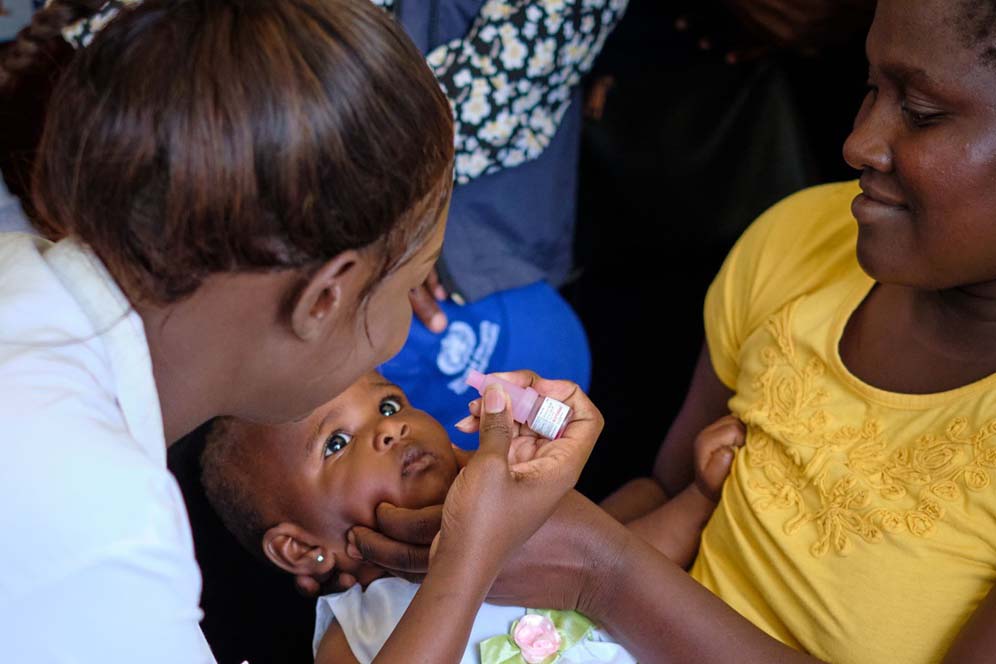
Global childhood immunization coverage stalled in 2023, leaving 2.7 million additional children un- and under-vaccinated compared to pre-pandemic levels in 2019, according to data published by the World Health Organization (WHO) and UNICEF. The latest WHO and UNICEF estimates of national immunization coverage – which provide the world’s largest and most comprehensive dataset on immunization trends for vaccinations against 14 diseases – underscore the need for ongoing catch-up, recovery and system-strengthening efforts. More than half of unvaccinated children live in the 31 countries with fragile, conflict-affected and vulnerable settings, where children are especially vulnerable to preventable diseases.

New data show that nearly one third (31%) of adults worldwide, approximately 1.8 billion people, did not meet the recommended levels of physical activity in 2022. The findings point to a worrying trend of physical inactivity among adults, which has increased by about 5 percentage points between 2010 and 2022. If the trend continues, levels of inactivity are projected to further rise to 35% by 2030. In light of these findings, WHO is calling on countries to strengthen their policy implementation to promote and enable physical activity through grassroots and community sport and active recreation and transport.

The WHO report underscores the staggering impact of alcohol and drug use, with 2.6 million deaths annually from alcohol, emphasizing urgent global action to address substance use disorders and their devastating health and social consequences.

World Blood Donor Day marks 20 years of celebrating and thanking voluntary donors worldwide while advocating for universal access to safe blood transfusion.
As Gaza faces the looming specter of famine, the harrowing toll of malnutrition has already claimed the lives of twenty-seven innocent children, with countless others teetering on the brink of starvation. In response, the World Health Organization has mobilized efforts to train healthcare workers in identifying and treating severe malnutrition complications, while also establishing critical nutrition stabilization centers in key areas of the region. Urgent action is imperative to stem the tide of this humanitarian crisis and prevent further loss of life among Gaza's vulnerable population.
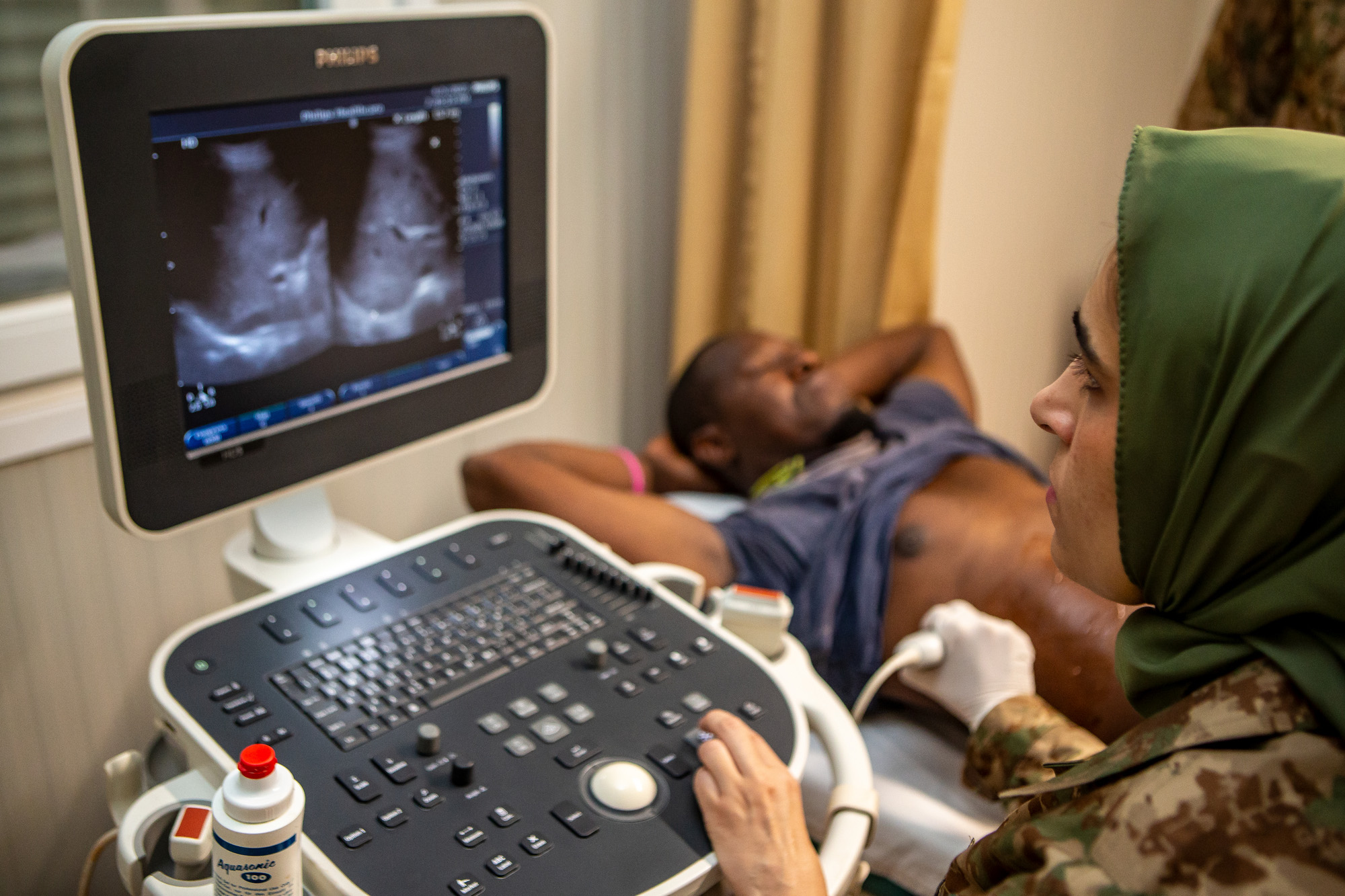
Millions of people worldwide face threats to their right to health due to diseases, disasters, and conflicts. At least 140 countries recognize health as a human right in their constitution. Yet countries are not passing and putting into practice laws to ensure their populations are entitled to access health services. This underpins the fact that at least 4.5 billion people — more than half of the world’s population — were not fully covered by essential health services in 2021. To address these types of challenges, the theme for World Health Day 2024 is 'My health, my right’.
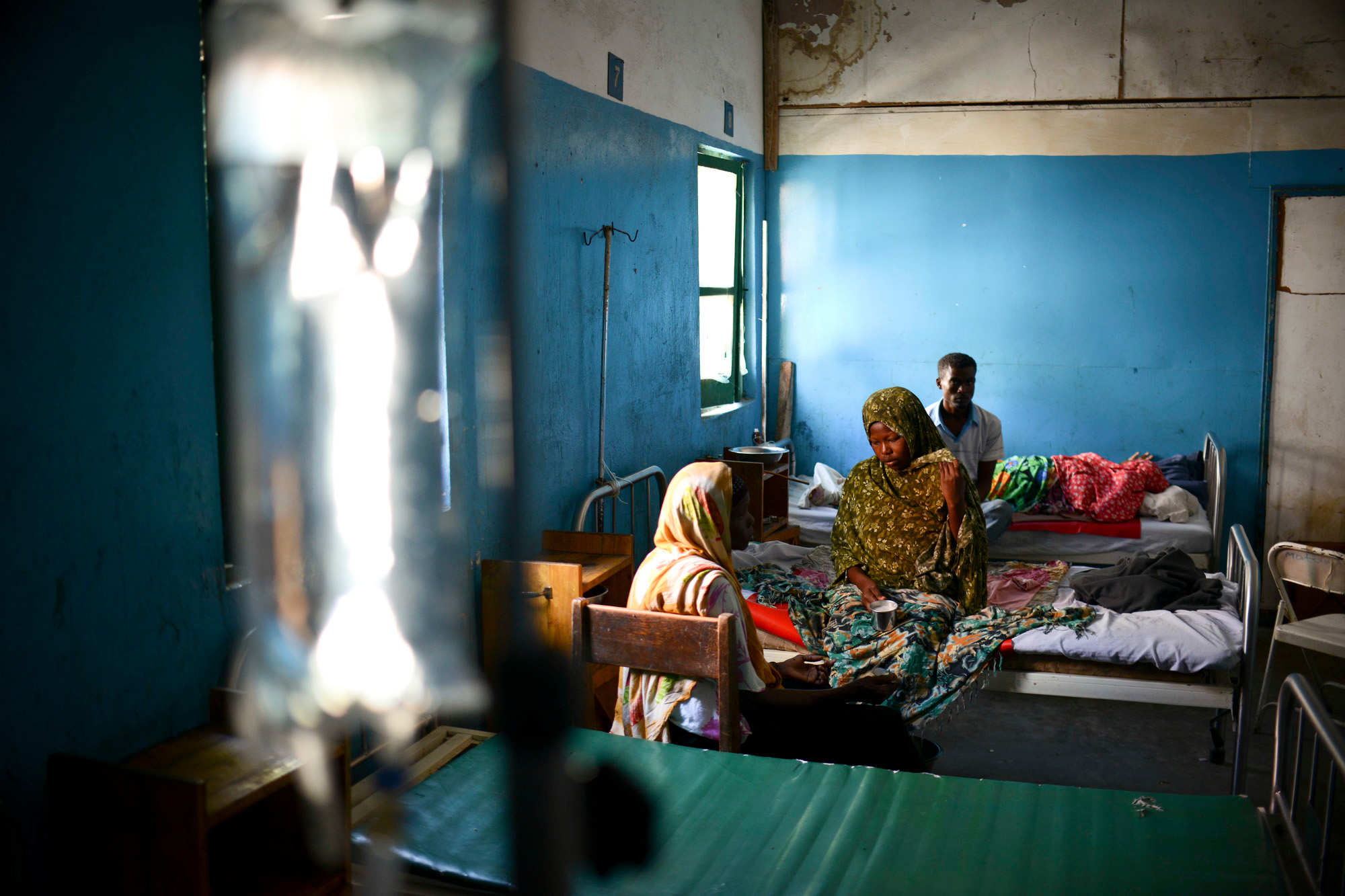
Why is dengue fever spreading to places where it has not been before? What are the symptoms and treatments? What about vaccines? Dr. Raman Velayudhan, of the World Health Organization's Department of Neglected Tropical Diseases, gives us the keys to the disease's spread and treatments in a new episode of the Science in 5 podcast.

AI-driven health promoter, S.A.R.A.H., heralds a groundbreaking approach to disseminating health information on a global scale.