
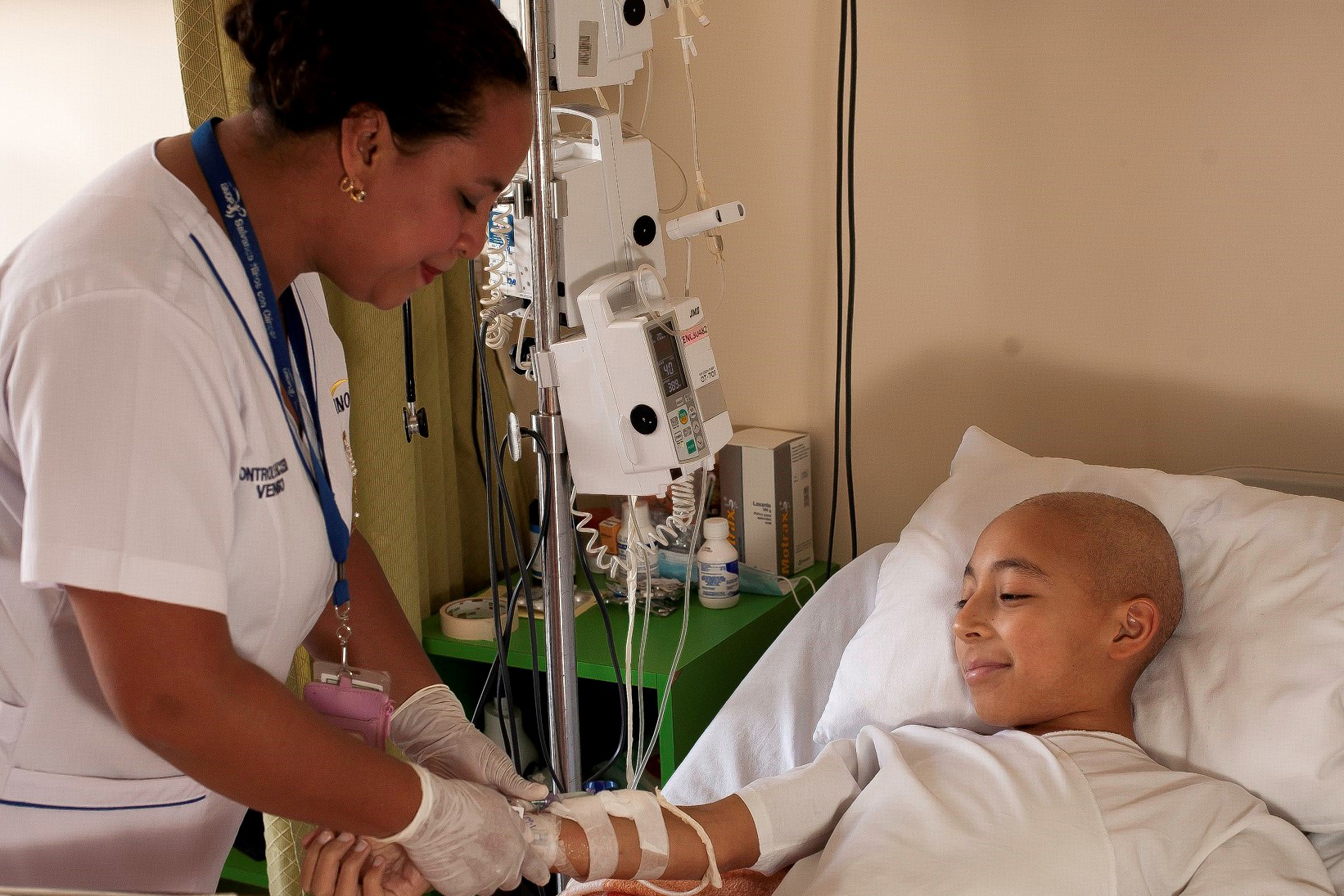
Cancer is a leading cause of death for children and adolescents. Each year, an estimated 400,000 children and adolescents develop cancer. The most common types of childhood cancers include leukemias, brain cancers, lymphomas and solid tumours. It is generally not possible to prevent cancer in children, so the most effective strategy to improve outcomes is to focus on a prompt, correct diagnosis followed by effective, evidence-based therapy. International Childhood Cancer Day, 15 February, spotlights the need for more equitable access to treatment and care for all children with cancer, everywhere.
WHO
The World Health Assembly designated 30 January as World Neglected Tropical Diseases Day to raise awareness of the devastating impact of these diseases on populations with lower incomes and those in situation of vulnerability, and to promote efforts for their control, elimination, and eradication.

On World Neglected Tropical Disease Day (30 January), the World Health Organization (WHO) is calling on everybody to unite and act to address the inequalities that drive neglected tropical diseases (NTDs) and to make bold, sustainable investments to free the estimated 1.62 billion people, in the world’s most vulnerable communities, from a vicious cycle of disease and poverty. The Day seeks to garner support towards the control, elimination and eradication of NTDs, in line with the programmatic targets set out in the NTD road map 2021−2030 and the commitments of the 2022 Kigali declaration.
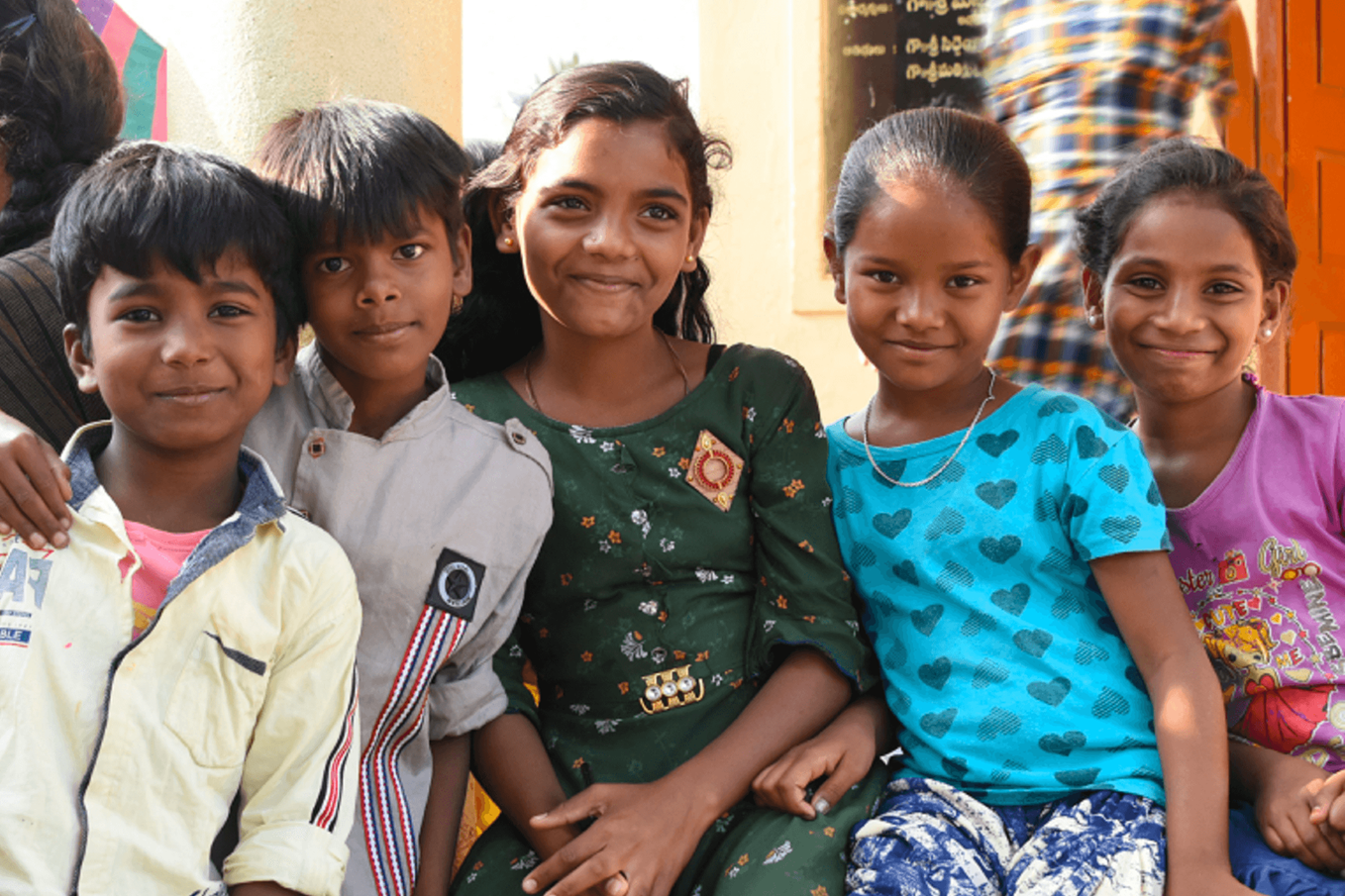
Leprosy is a neglected tropical disease, which still occurs in more than 120 countries, with more than 200,000 new cases reported every year. The disease affects the skin, the peripheral nerves, the upper respiratory tract and the eyes. Leprosy is curable and treatment during the early stages can prevent disability. The Global appeal 2024 to end stigma and discrimination against persons affected by leprosy will be launched by WHO on 31 January 2024. The aim is to create awareness in the general community that leprosy is a disease spread by a type of bacteria and it can be easily cured.
The WHO global malaria strategy for malaria urges all malaria-endemic countries to accelerate progress towards the goal of elimination.
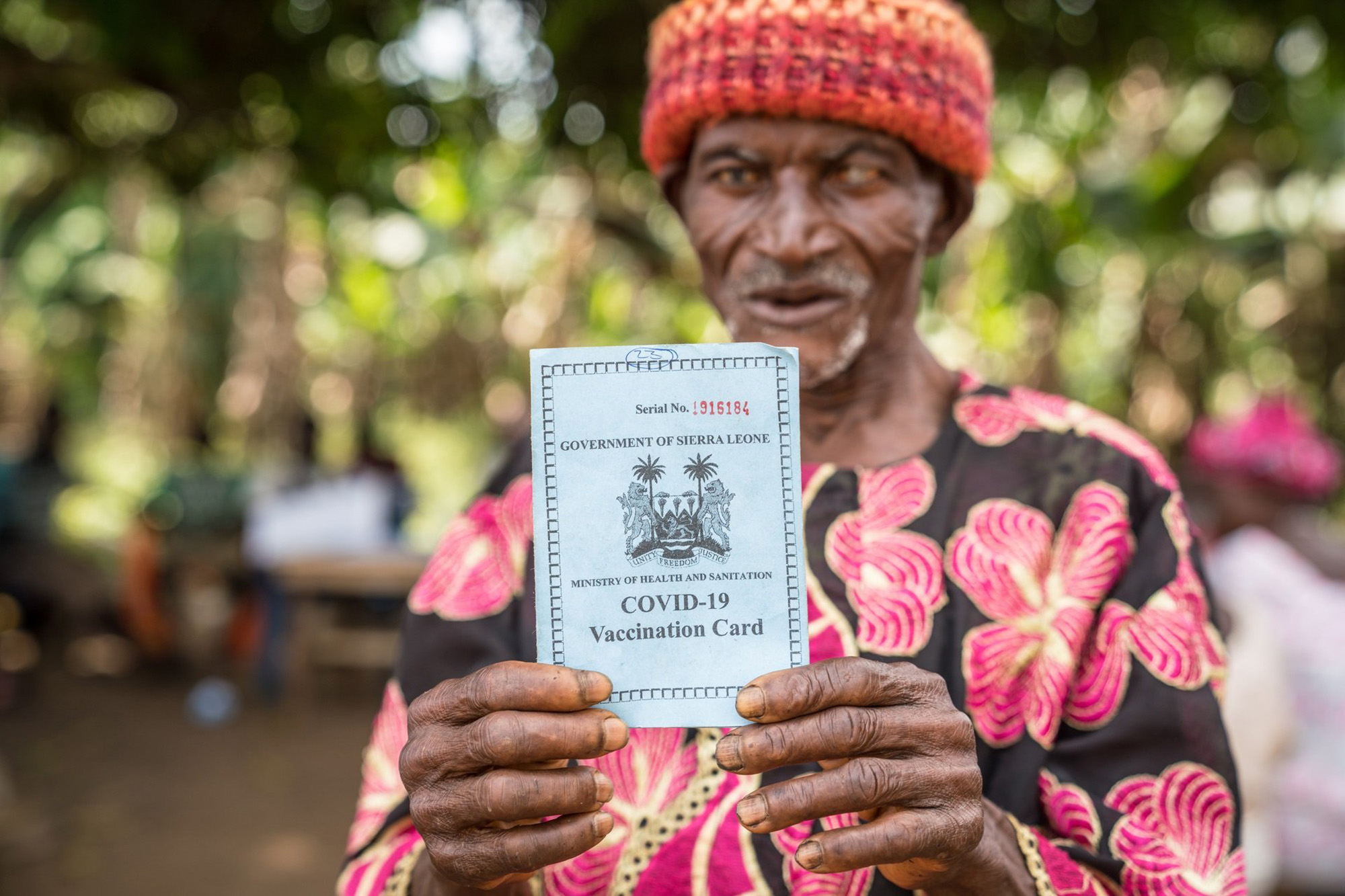
Despite multiple health crises, there were many reasons for hope in 2023. The World Health Organization notes that it was a record year for disease elimination, with several countries eliminating infectious diseases thanks to dedicated national efforts and collaboration between countries and health partners. At the same time, 72% of people worldwide had received at least one dose of the COVID-19 vaccine, preventing severe illness and hospitalizations for millions of people. The year began with WHO responding to a major earthquake in Türkiye and Syria and ended with the horrific war in Gaza. In between, the world faced many other crises and conflicts, as well as the continuing threat of disease outbreaks and climate change.
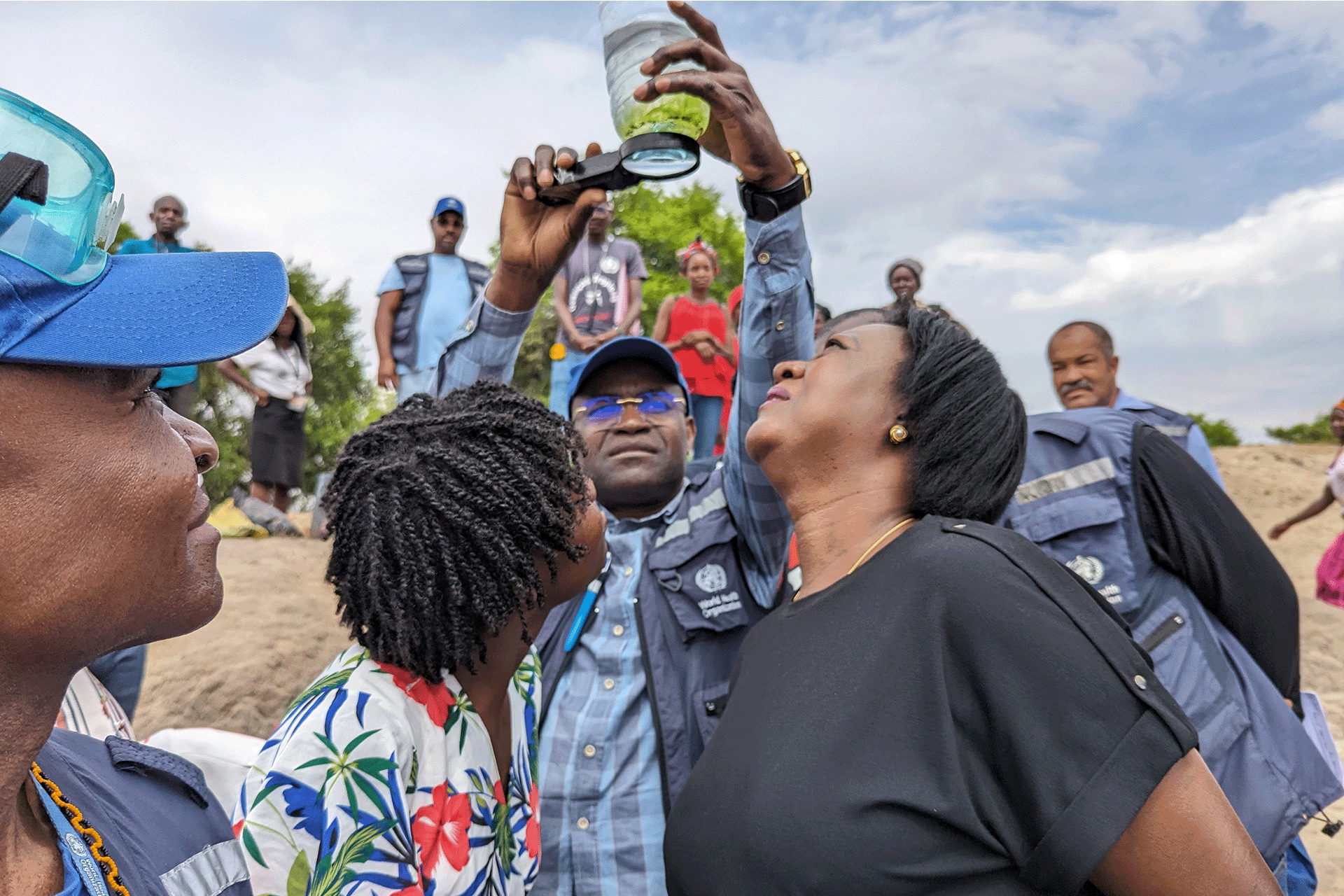
World Health Organization is raising awareness of the Guinea-worm disease through community sensitization and prevention methods to stop any further spread.

January is Cervical Cancer Awareness Month. It is a perfect opportunity for WHO and partners to raise awareness about cervical cancer. Almost all cervical cancer cases (99%) are linked to infection with high-risk human papillomaviruses (HPV), an extremely common virus transmitted through sexual contact. Cervical cancer is the fourth most common cancer in women. It is one of the most successfully treatable forms of cancer, as long as it is detected early and managed effectively. HPV vaccination, screening for, and treating precancerous lesions will prevent most cervical cancer cases.

Although COVID-19 is no longer the international public health emergency it once was, it is still circulating, and its devastating effects are still with us. Major infectious diseases and epidemics have disastrous impacts on human lives, wreaking havoc on long-term social and economic development. When the next pandemic arrives, the world must do better. On this International Day of Epidemic Preparedness (27 December), let’s act on the lessons of COVID-19, to prepare, and build a fairer, healthier world for all.
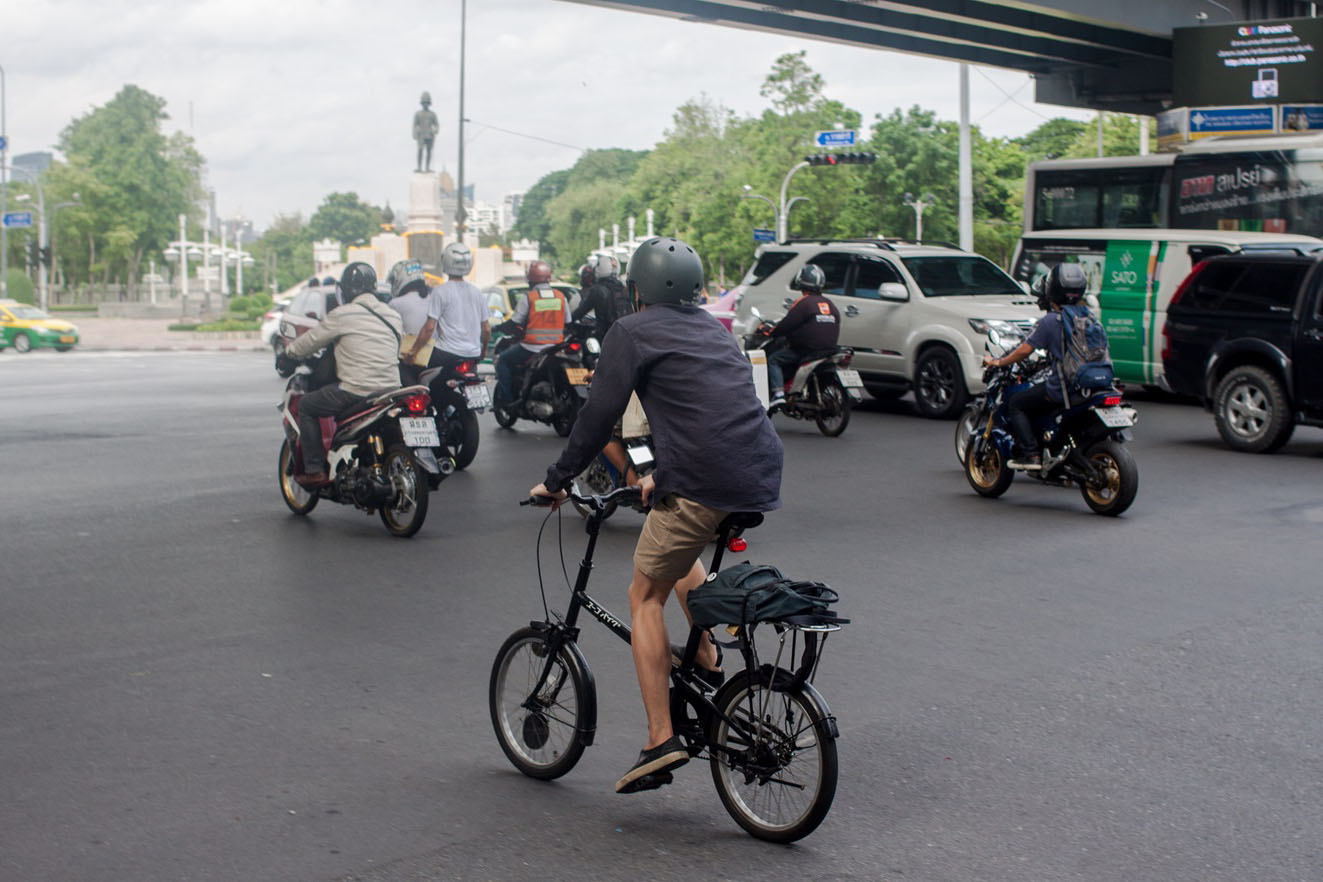
The latest WHO report details the scale of global road traffic deaths, and progress in advancing laws, strategies and actions to reduce them around the world.
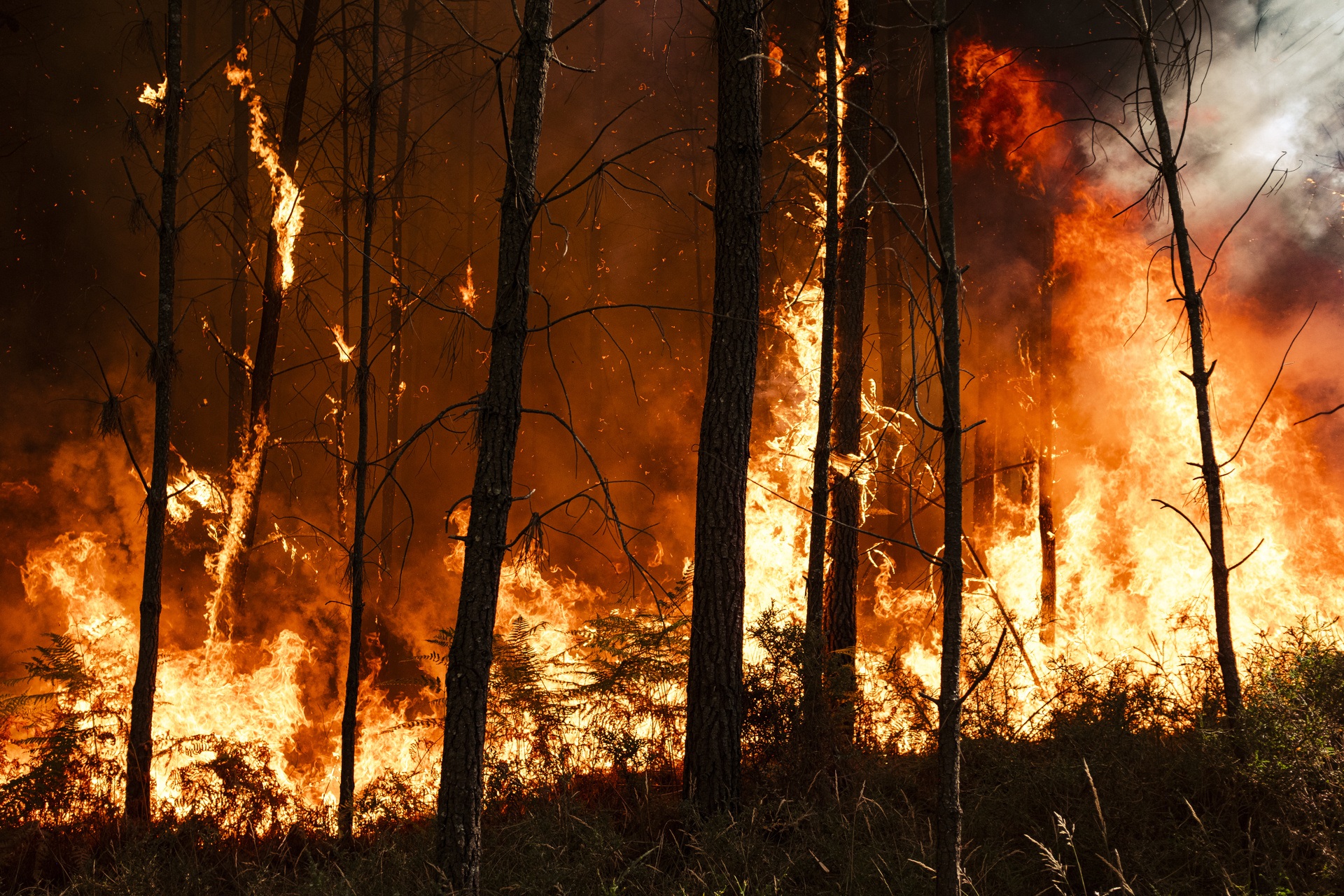
The World Health Organization (WHO) and the global health community are urging negotiators to prioritize the impact of climate change on health in the upcoming COP28 negotiations. Climate change is already affecting our health and contributing to the spread of infectious diseases. Extreme weather events will also strain healthcare infrastructure. Urgent mitigation measures, including transitioning to clean energy sources, are necessary to protect human health and create sustainable outcomes. To reduce the negative impact on health, the health community stresses the importance of reducing and stopping emissions. According to WHO, 7 million premature deaths annually are attributed to air pollution.

World Health Organization has updated its guidelines for Covid-19 therapeutics, with revised recommendations for patients with non-severe COVID-19.

The PAHO Elimination Initiative, which seeks to put an end to malaria and other communicable diseases, is working with the indigenous communities in Panama, making them an integral part of diagnosis and response.
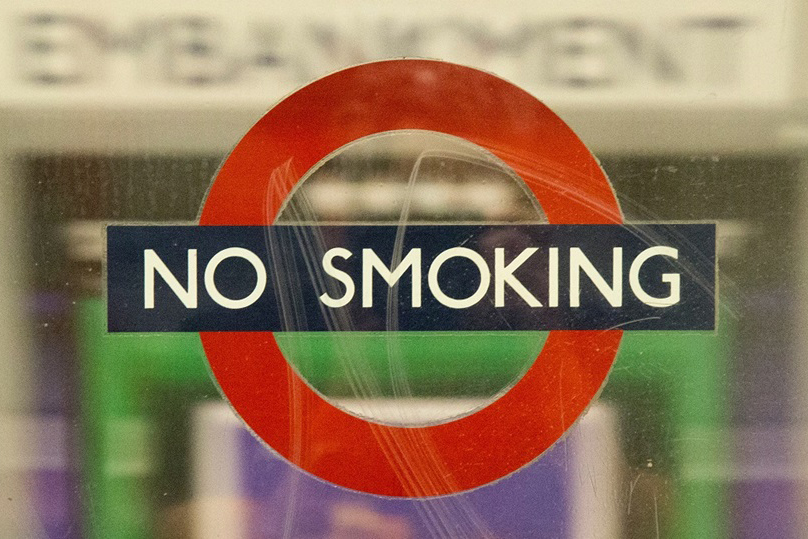
WHO asserts that young people must be protected from deadly second-hand smoke and toxic e-cigarette emissions as well as ads promoting these products.