

WHO highlights the increasing use of online marketing for alcohol and the need for more effective regulation - young people and heavy drinkers are increasingly targeted by advertising.
WHO
If You Could See Viruses is a video that illustrates how viruses are all about, and reminds us of the power of vaccines to help us live longer healthier lives so we can enjoy every moment, especially the joyful, glorious, unforgettable ones. #LongLifeForAll
Dr. Kate O’Brien, Immunization Director at the World Health Organization, takes us on a historical tour from the development of the first modern vaccine in the late 18th Century, to the new vaccines that are combatting today’s COVID pandemic. The United Nations, and its partners in the COVAX facility, are ensuring that vaccines reach every low-income country in the world.

Almost the entire global population (99%) breathes air that exceeds WHO air quality limits, and threatens their health. A record number of over 6000 cities in 117 countries are now monitoring air quality, but the people living in them are still breathing unhealthy levels of fine particulate matter and nitrogen dioxide, with people in low and middle-income countries suffering the highest exposures. The findings have prompted the World Health Organization to highlight the importance of curbing fossil fuel use and taking other tangible steps to reduce air pollution levels.
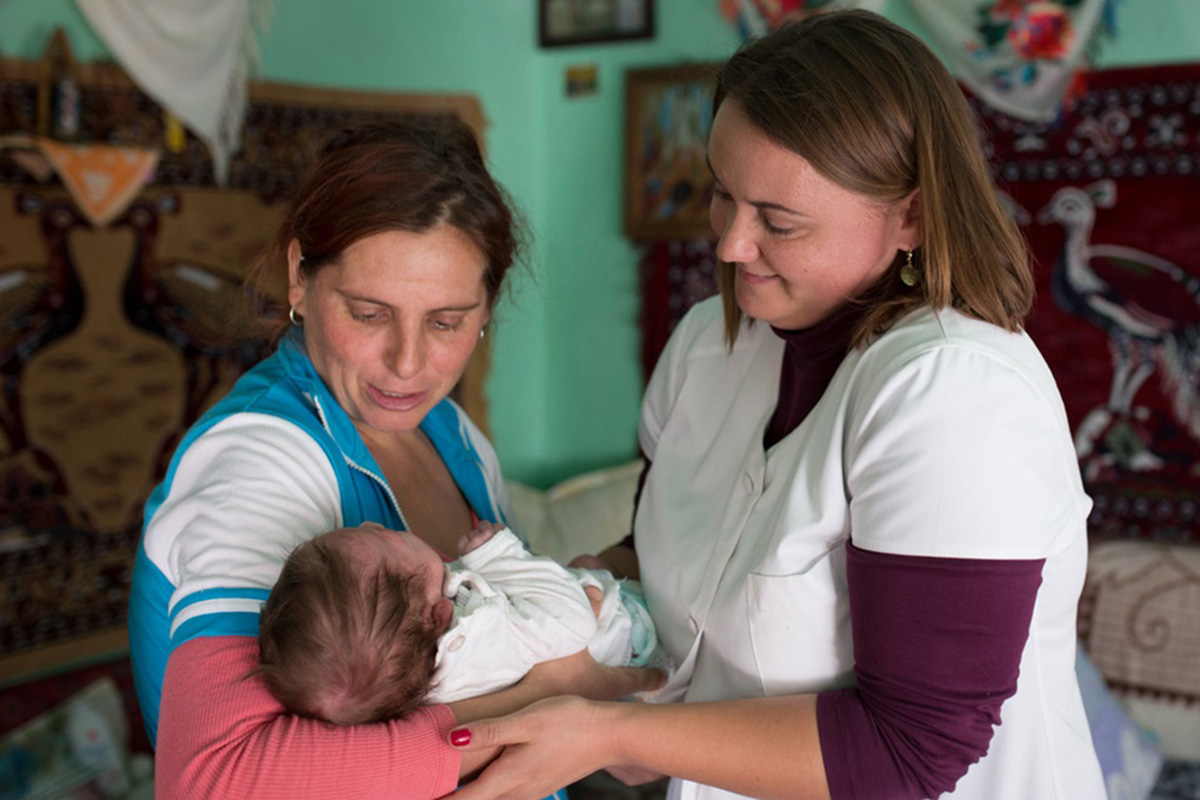
WHO today launched its first ever global guidelines to support women and newborns in the postnatal period – the first six weeks after birth. This is a critical time for ensuring newborn and maternal survival and for supporting healthy development of the baby as well as the mother’s overall mental and physical recovery and wellbeing. Worldwide, more than 3 in 10 women and babies do not currently receive postnatal care in the first days after birth - the period when most maternal and infant deaths occur.
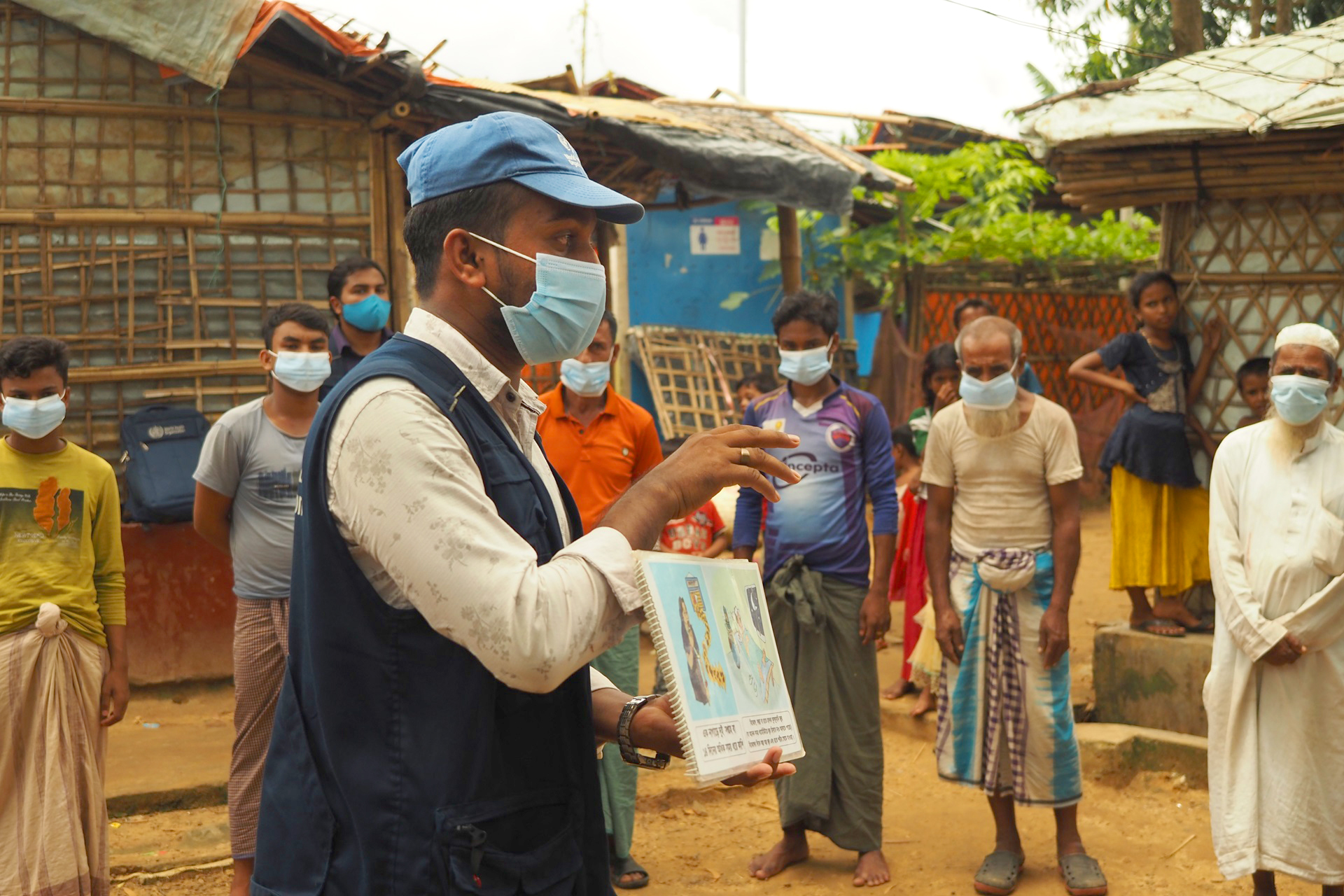
Tuberculosis remains one of the deadliest infectious killers. Each day, over 4100 people lose their lives to TB and close to 28,000 fall ill with this preventable and curable disease. Global efforts to combat TB have saved an estimated 66 million lives since the year 2000. However, in the context of COVID-19, for the first time in over a decade, TB deaths increased in 2020. For this year’s World TB Day, WHO calls to ‘Invest to End TB. Save Lives.’ There is still an urgent need to invest resources to ramp up the fight against TB and achieve the commitments to end TB made by global leaders.
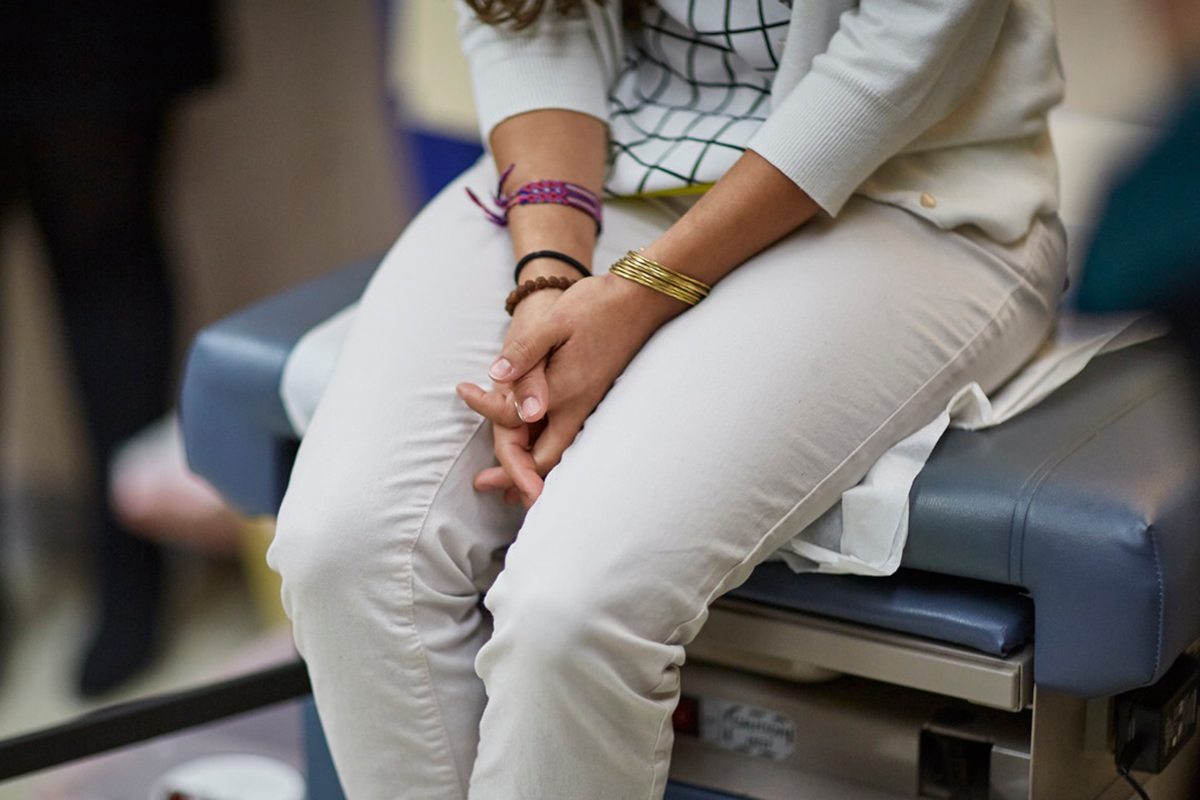
WHO is releasing new guidelines on abortion care, in a bid to protect the health of women and girls and help prevent over 25 million unsafe abortions that currently occur each year.
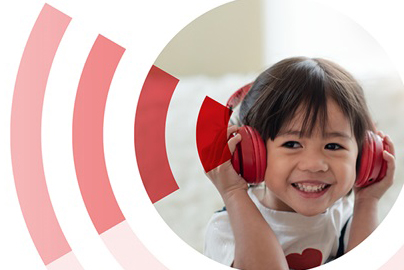
World Hearing Day, 3 March, with the theme “To hear for life, listen with care,” focuses on the importance and means of hearing loss prevention through safe listening.
The formula milk industry - worth a colossal US$ 55 billion annually - spends billions every year on marketing their products. This is despite an international agreement to restrict marketing, on the basis that formula promotion can have profound and lifelong impacts on children’s health and development. WHO informs how marketing targets women and families during vulnerable moments, including with misleading tactics like industry-sponsored chats and helplines.

WHO and ILO have called for measures to be put in place to protect workers’ health while teleworking. A new technical brief to healthy and safe teleworking, published by the two UN agencies, outlines the health benefits and risks of teleworking and the changes needed to accommodate the shift towards different forms of remote work arrangements brought on by the COVID-19 pandemic and the digital transformation of work. Teleworking can improve the physical and mental health and social wellbeing of workers, while leading to higher productivity and lower operational costs for many companies.
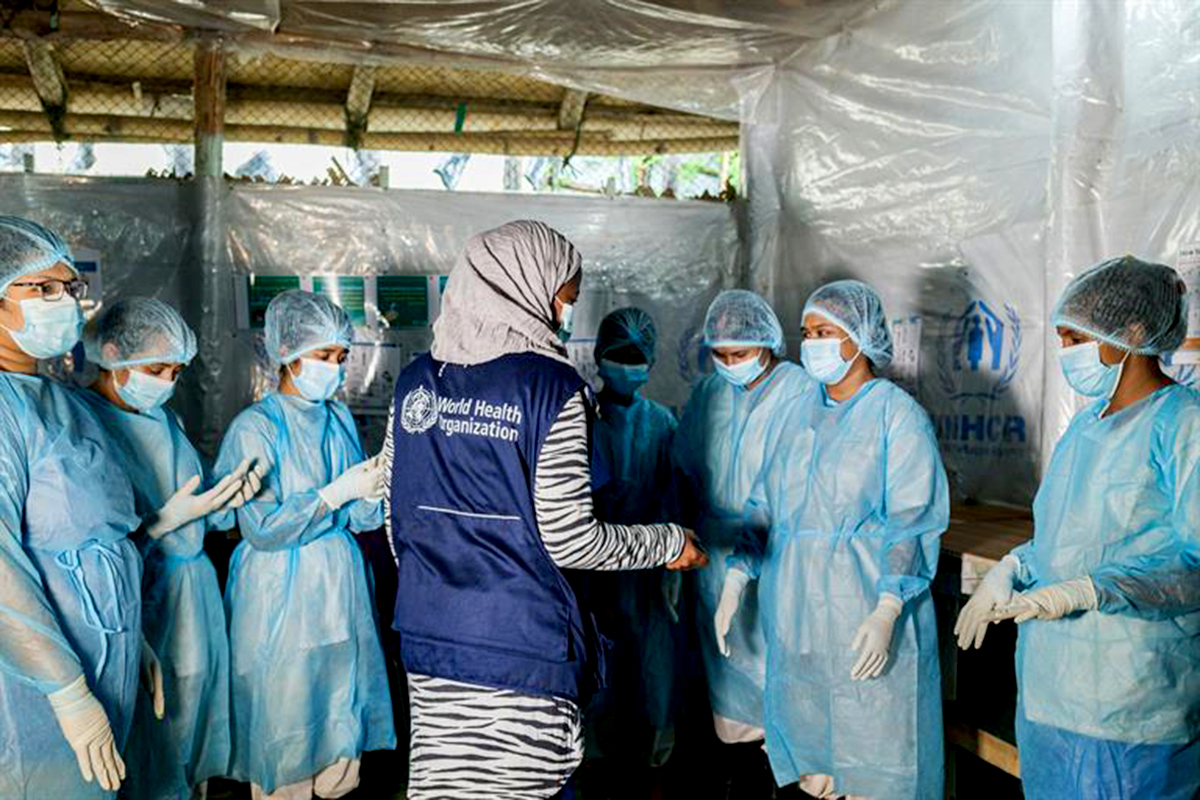
It has been a year of colossal efforts in global health. Countries battled COVID-19, while struggling to keep other health services running. Health care workers have borne the lion’s share of these efforts but often received little recognition. COVID-19 vaccines, tests and treatments were rolled out, but overwhelmingly in the richest countries, leaving many populations unprotected, especially in lower-income countries. Across other health areas, from diabetes to dementia, there have been both setbacks and hard-won successes. WHO presents the 10 global highlights from 2021.
The 3rd edition of the Health for All Film Festival calls for submissions until 30 January 2022. Sharon Stone, actress and activist from the USA, will be part of the new jury. In this message, Sharon encourages everyone to submit their short films: NGOs, public institutions, universities, students, communities of scientists, health workers or patients and their families, film makers, production institutions, and film schools from around the world.
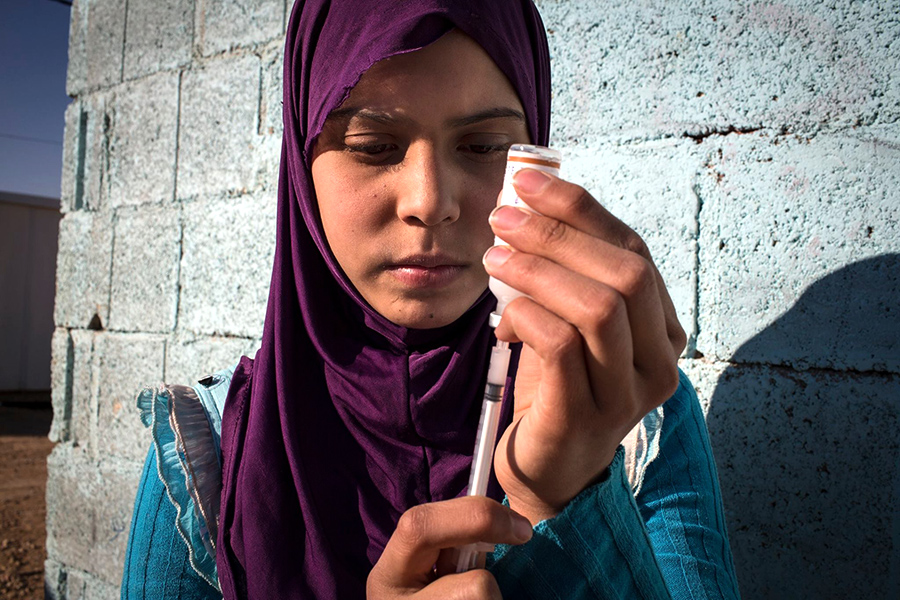
A new WHO report shows that close to 7 million deaths could be prevented by 2030 if low- and lower-middle-income countries were to make an additional investment of less than a dollar per person per year in the prevention and treatment of noncommunicable diseases (NCDs). NCDs – including heart disease, diabetes, cancer and respiratory disease – currently cause 70% of deaths around the world. Yet their impact on lower income countries is often underestimated, despite the fact that 85% of premature deaths from NCDs occur in low- and middle-income countries.
On World AIDS 2021, the World Health Organization calls on global leaders and citizens to confront inequalities and to overcome the growing disparities in access to essential HIV services.
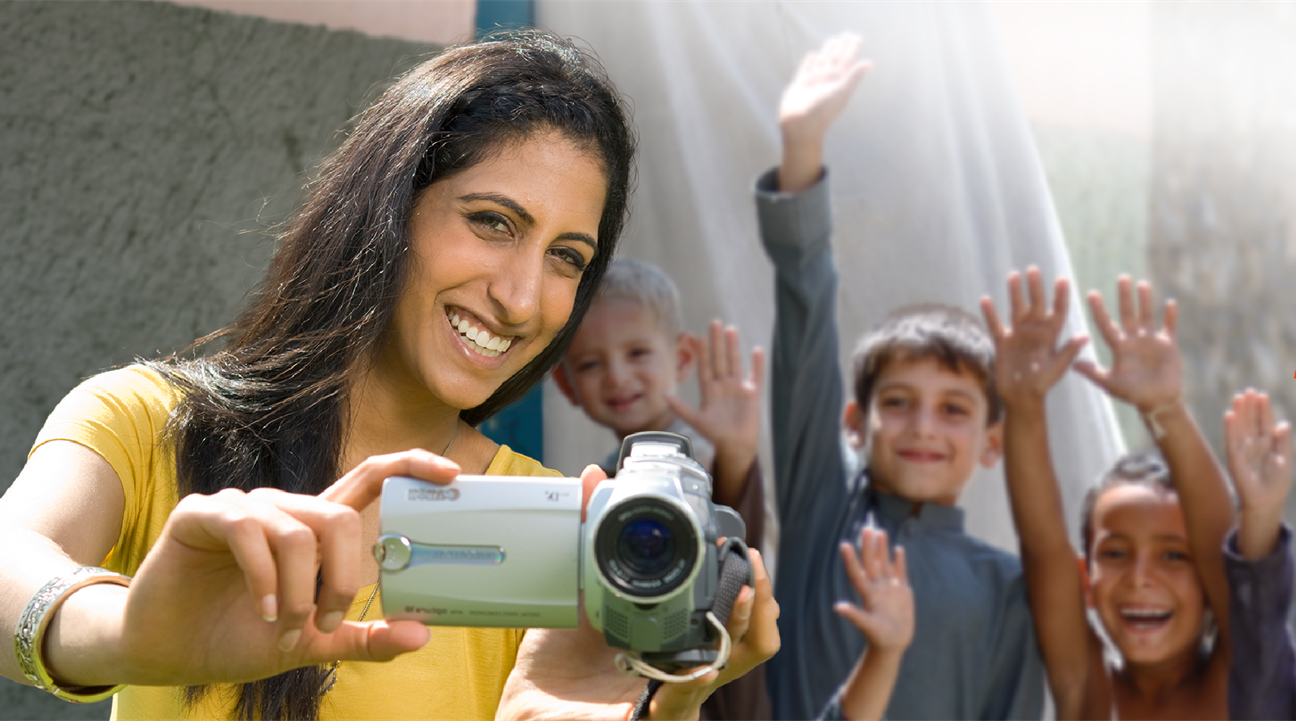
Submit your original short films on health! The WHO invites all independent filmmakers, production companies, public institutions, NGOs, communities, students, and film schools to submit entries - deadline 30 January 2022.