

Turning the Tide
Wildlife
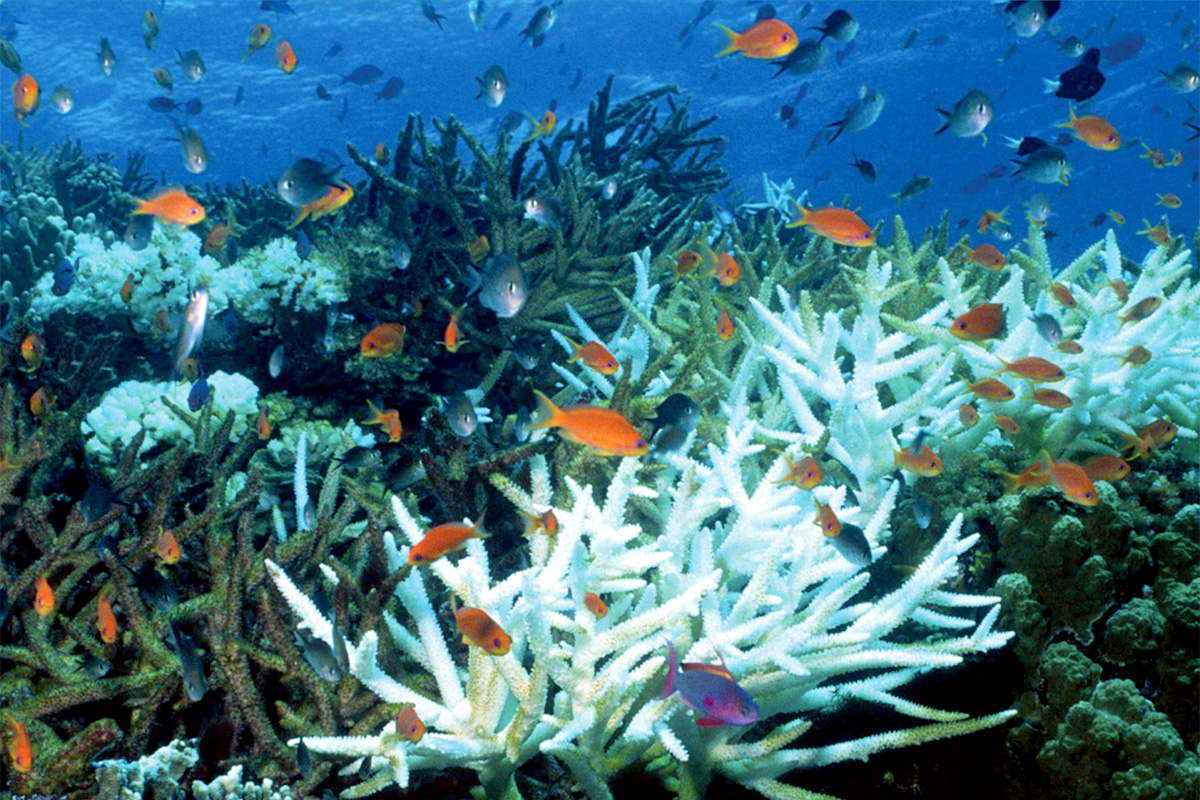
UNCTAD launched its updated BioTrade Principles and Criteria, for governments and companies to conduct biodiversity-friendly trade in an environmentally, socially and economically sustainable manner. The term “BioTrade” refers to the commercialization of goods and services derived from a country’s biodiversity. Curtailing illegal wildlife trade is imperative to stop biodiversity loss, with an estimated one million plant and animal species now at risk of extinction. The threat is not only ecosystem collapse but also a heightened risk of new pandemics such as COVID-19.

Primatologists around the world are closely monitoring the disease in the infected San Diego gorillas. UNESCO has alerted managers of its biosphere reserves and world heritage sites.
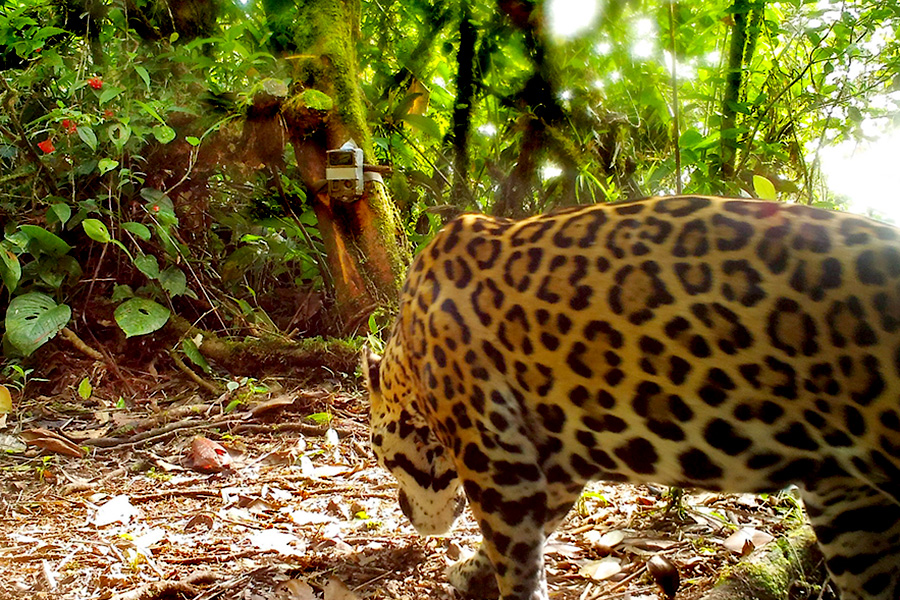
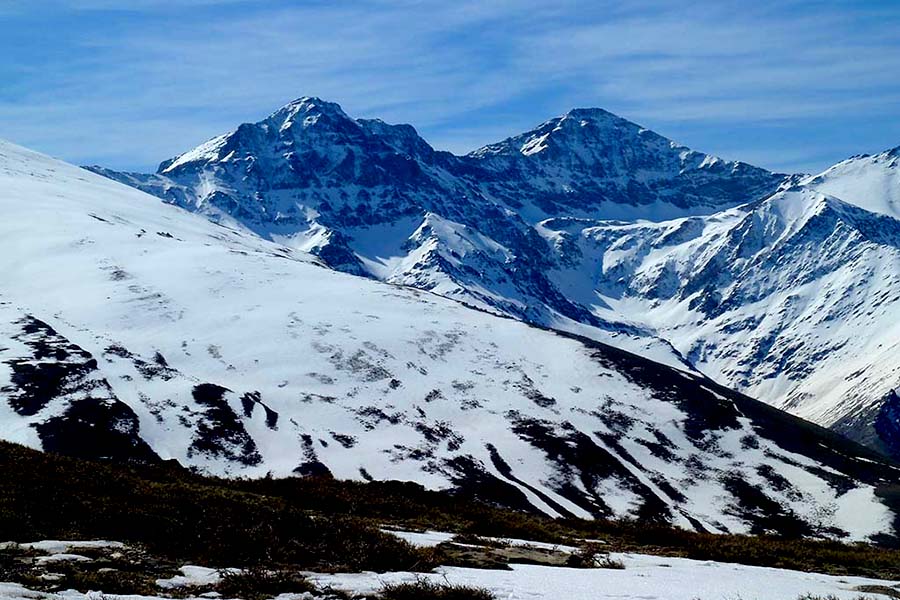
Mountains’ unique topography, compressed climatic zones, and isolation have created the conditions for a wide spectrum of life forms. Mountains provide great biodiversity and many endemic varieties of ecosystems, species and genetic resources. Their topography in terms of altitude, slope and exposure offers opportunities to grow a variety of high-value crops, horticulture, livestock and forest species. This year, for International Mountain Day (11 December), FAO focuses in celebrating mountains as the home to half of the world’s biodiversity hotspots and addresses the threats they face.

The ICC will help advance the initiative co-founded by the United Nations Development Programme (UNDP), to encourage greater private sector investment in biodiversity conservation.

Bridging the divide: Transforming the human-carnivore relationship to protect snow leopards
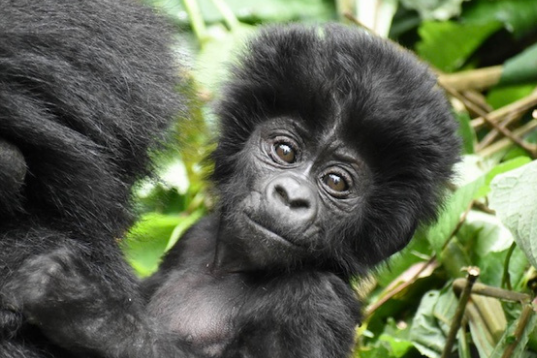
The mountain gorilla population was threatened with extinction by poaching, disease and deforestation. Conservation measures involving local communities have led to a significant increase in the numbers of this iconic species.
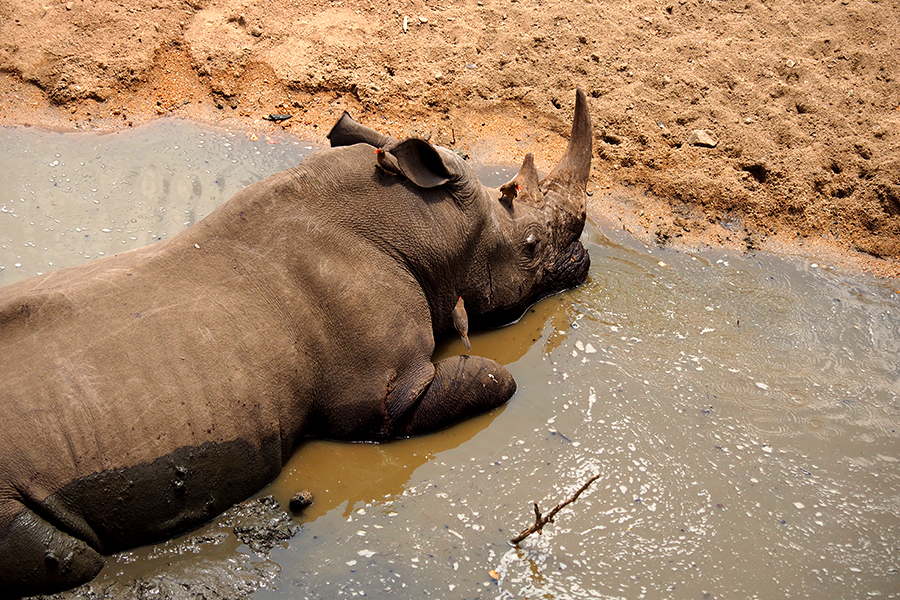

For ten years, Dixon Parmuya has guided tourists on bush walks around Amboseli National Park in Southern Kenya. But since COVID-19 swept through Kenya in mid-March, the country’s tourism industry has dwindled, leaving many locals without jobs and animals without protection. Most of Kenya’s programmes to protect wildlife are funded directly by tourist dollars and with visitor numbers down, money for conservation is drying up, say experts. In Africa, UNEP is working closely with governments and partners to encourage wildlife-based economies – where local communities are central to protecting the wildlife areas they inhabit, for mutual benefit of both.
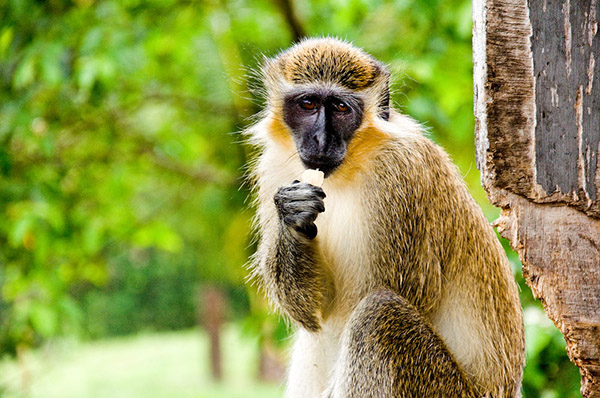
The 60,000-plus green monkeys of St. Kitts and Nevis are a quintessential part of the Caribbean experience for many visitors, but they are putting pressure on native species.
In recent years threats like increased accessibility, wildfires and new economic activities are compromising Guyana Rupununi’s rich biodiversity. Here’s their community struggle to maintain a healthy balance.
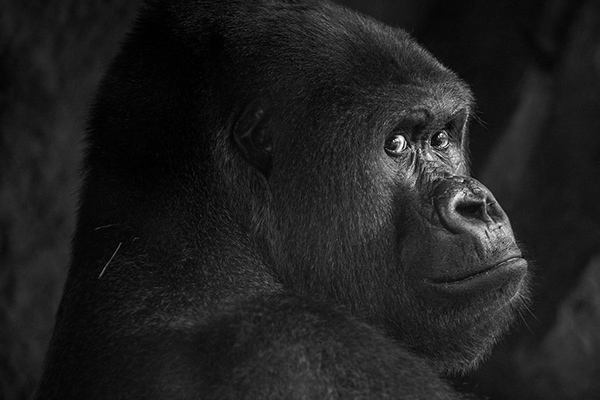
Both humans and great apes are susceptible to infectious diseases; and introducing human pathogens to the great ape population could result in catastrophic losses.
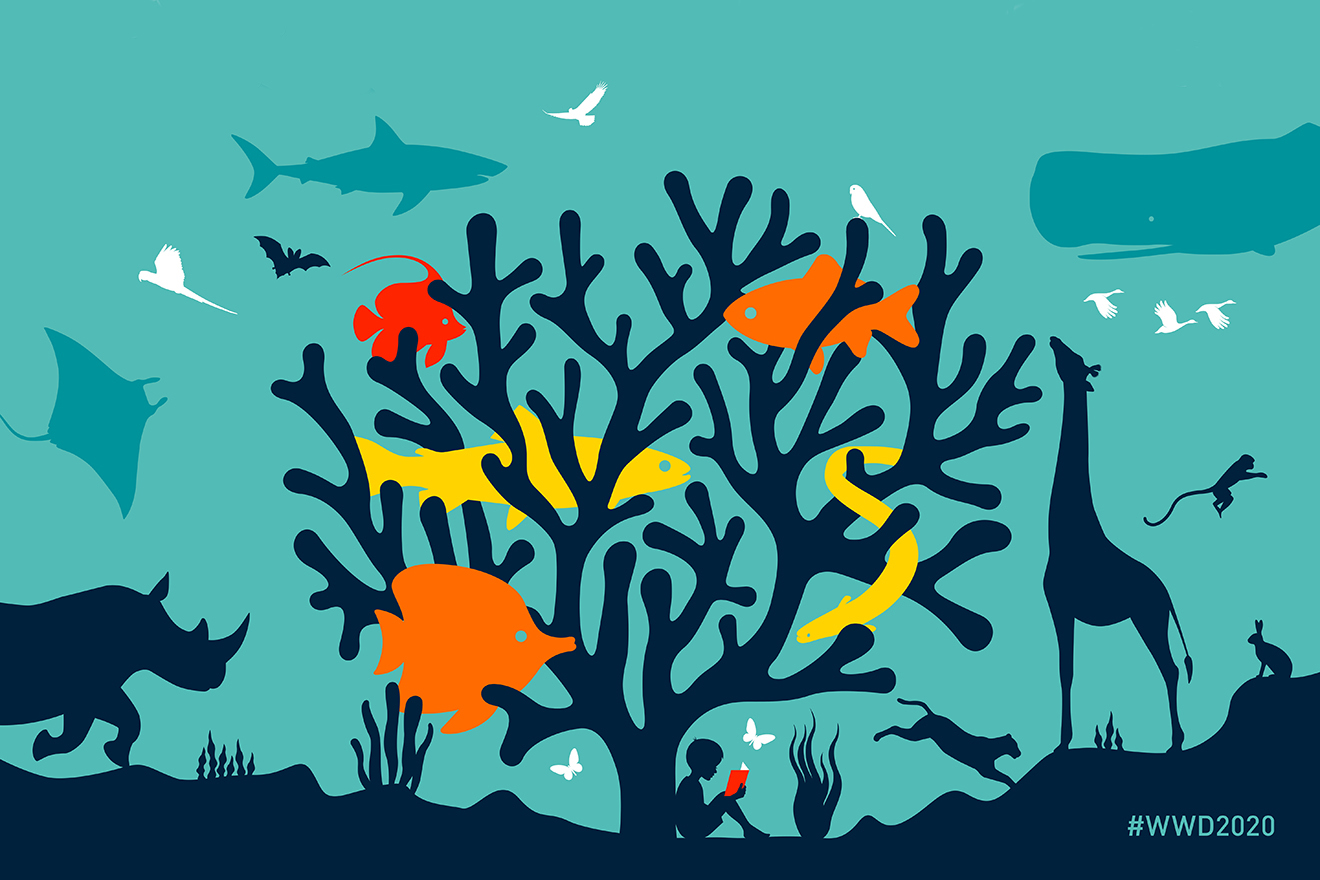
Animals and plants living in the wild have an intrinsic value. They also contribute to our well-being and to sustainable development. World Wildlife Day (3 March) is an opportunity to celebrate the varied forms of wildlife and to raise awareness of the benefits that their conservation provides. The Day reminds us of the urgent need to step up the fight against wildlife crime and human-induced reduction of species. This year's theme, “Sustaining all life on Earth,” encompasses all wild animal and plant species as a component of biodiversity, as well as the livelihoods of people, especially those who live closest to nature.
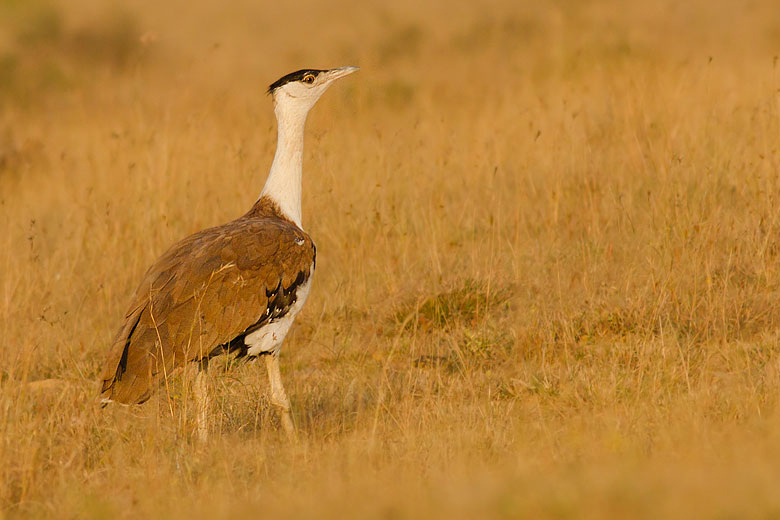
The ‘super year’ for biodiversity will kick off with the 13th session of the Conference of Parties to the Convention on the Conservation of Migratory Species of Wild Animals. Hosted by India from 15-22 February, the conference brings together parties to the convention, partners and scientific experts to address the alarming decline of migratory species, including birds, aquatic species and terrestrial animals. ‘Migratory species connect the planet and together we welcome them home,’ an ancient Sanskrit saying and theme of the meeting, highlights the need to provide a hospitable place for migratory animals.