

By observing World Bee Day (20 May), we raise awareness of the vital role bees and other pollinators play in sustaining people and the planet, as well as the challenges they face. World Bee Day 2026 highlights the long-standing partnership between humans and bees, exploring the evolution of beekeeping across cultures and landscapes. It promotes innovative, sustainable practices to improve bee health and support beekeepers, while emphasizing the value of traditional knowledge, modern technology, and inclusive partnerships in securing a sustainable future for pollinators and agrifood systems.
Wildlife

World Migratory Bird Day 2026, observed on 9 May and 10 October, promotes the important role of community science in the conservation of migratory birds. This year's campaign shines a spotlight on people-driven efforts that are essential for bird conservation and science, celebrating the millions of bird enthusiasts around the world who contribute data and knowledge that inform policy decisions and support conservation action. Our observations matter! Let’s promote how everyone can play a role.
In South Africa, scientists are addressing poaching with an innovative approach: using safe radioactive isotopes as invisible markers in rhino horns, enabling authorities to detect and trace them at borders.

Through ecotourism and photography, José Pérez reveals Cuba’s hidden biodiversity, connecting visitors with communities and conservation while transforming images into powerful bridges between science, emotion and protection.

In Colombia’s Guaviare department, once marked by fear of jaguars, local communities are transforming conflict into coexistence. As hunting, deforestation and shrinking prey fueled attacks on livestock, retaliatory killings pushed the species toward local extinction. Since 2021, a community‑led governance strategy has united organizations to create the Jaguar Protection Corridor, promoting ecotourism, education and sustainable practices that protect both livelihoods and wildlife, reshaping human–jaguar relations. Read the full story to see how coexistence becomes a path to conservation.

Around 2 billion people welcomed the Year of the Horse last week. Horses have shaped ecosystems for millions of years and supported human societies for millennia. As the world marks the International Year of Rangelands and Pastoralists, the United Nations Environment Programme highlights how wild, feral and domestic horses aid restoration, from Kazakhstan’s rewilding efforts to seed dispersal and water access for other species. When sustainably managed, they strengthen ecosystems, support communities from Central Asia to the Andes, and exemplify resilience and cooperation—key lessons for environmental action.

On the brink of extinction, the vanishing Arabian leopard is one of the world’s most endangered big cats, with fewer than 200 individuals remaining. To confront this escalating crisis, the United Nations has designated 10 February as the International Day of the Arabian Leopard. The Day shines a global spotlight on the urgent need to halt biodiversity loss, restore damaged ecosystems, and strengthen collective action to protect this iconic species and the fragile natural heritage of the Arabian Peninsula. It is a call for awareness, responsibility, and sustained commitment across generations!
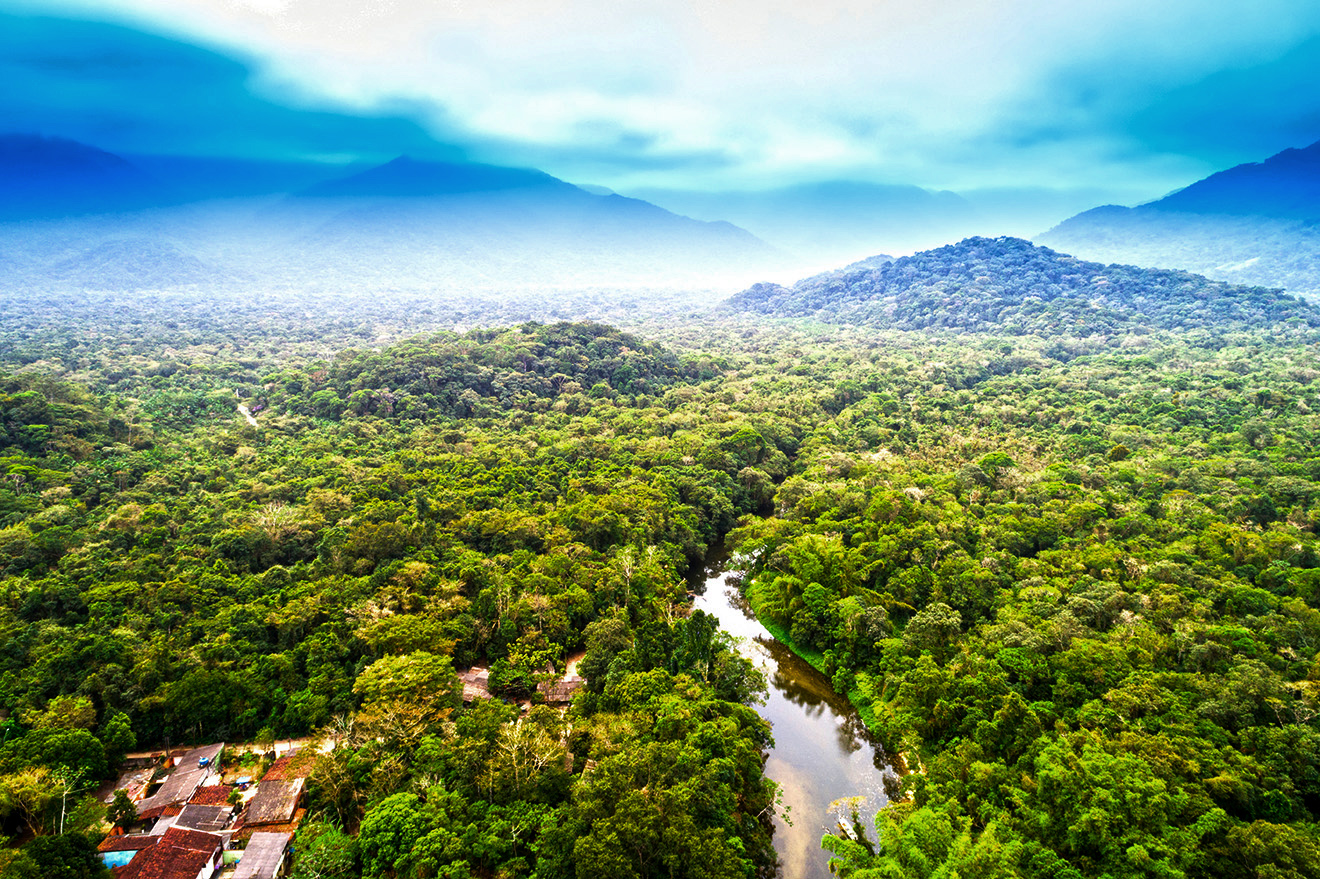
Forests are vital to our planet and our well-being, but they’re under increasing pressure. For nearly 80 years, the FAO’s Global Forest Resources Assessments (FRAs) have been the go-to source for trusted forest data worldwide. Built on country contributions and careful review, the 2025 FRA paints a vivid picture of our forests—tracking their size, health, carbon storage, policies, ownership, and even the impact of natural disturbances. It also highlights the value of non-wood products and how forests are managed. This global collaboration ensures we have the latest insights to guide smart, sustainable decisions for the future of our forests.

Big cats are elusive, but the snow leopard, especially so. Locals living alongside the leopards often refer to them as the ‘ghosts of the mountains’ as they are hardly ever seen. The greatest risks to the survival of this threatened species are habitat loss and fragmentation, prey depletion and illicit trafficking, illegal hunting, including poaching, and climate change. The International Day of the Snow Leopard (23 October) aims to enhance international and regional cooperation in support of efforts to conserve the snow leopard, given its role in the overall ecosystem.

In April 2025, wildlife officials confirmed the sighting of the critically endangered Malayan tiger in Southern Thailand after a decade-long absence. This discovery, captured by camera traps in Bang Lang National Park, also revealed other wildlife like tapirs and wild elephants, emphasizing the idea that thriving tiger populations benefit the entire forest ecosystem. The Malayan tiger, native to Peninsular Malaysia, numbers fewer than 150 in the wild. Successful population rebounds in countries like Bhutan and India highlight the importance of political commitment and conservation efforts supported by organizations like the United Nations Development Programme (UNDP) and the Global Environment Facility.

The path of giants: In the dense forests of the Dong Nai Biosphere Reserve (DNBR), the deep imprint of an elephant's foot is inscribed in the soft earth. These giant wanderers, part of Viet Nam's wild heritage, move with the memory of lands that once stretched unbroken. But their forests have changed, as fences and roads cut through the land like ribbons of steel. As these great animals wander their shrinking world, their struggle reflects a pressing question: can conservation evolve to match the vast, borderless world these giants evolved to inhabit? Read how, thanks to UNDP and partners, the DNBR is becoming a model for “conservation without borders” where both people and wildlife can thrive. Photo: A lone Asian elephant roaming the vast expanses of the Dong Nai Biosphere Reserve.

The Convention on International Trade in Endangered Species of Wild Fauna and Flora (CITES) is an international agreement between governments that aims to ensure that the international trade in specimens of wild animals and plants does not threaten their survival. With 185 Parties and strong partnerships, CITES has worked for five decades to make wildlife trade sustainable, legal, and traceable. It has helped build a world where people and wildlife coexist and thrive together, while advancing sustainable development.

Diego, Hilda, Juan, and their son Hugo are farmers in Comandante Andresito, Argentina, where together they face the same challenge, living alongside jaguars, known as 'yaguareté' in the region. These large felines, significant in indigenous culture, have seen their population decline by 50% since the 19th century, largely due to habitat loss and conflict with livestock farmers. In Argentina, the situation is even more dire. It’s estimated that 95 percent of the jaguar's original habitat has been lost. To alleviate these issues, a protection insurance program was introduced, providing farmers with financial compensation and technical support following confirmed jaguar attacks.

Did you know that the United Nations declared 2024 the International Year of Camelids? The Year highlighted how camelids are key to the livelihoods of millions of households in hostile environments across over 90 countries, particularly Indigenous Peoples and local communities. The International Year of Camelids 2024 built awareness of the untapped potential of camelids and called for increased investment in the camelid sector, advocating for greater research, capacity development, and the use of innovative practices and technologies. But this is just the beginning. We must continue to champion the vital role of camelids in livelihoods and push for greater investment in the sector. Now you can see the camelids in 3D and learn how they help sustain communities living in challenging environments.
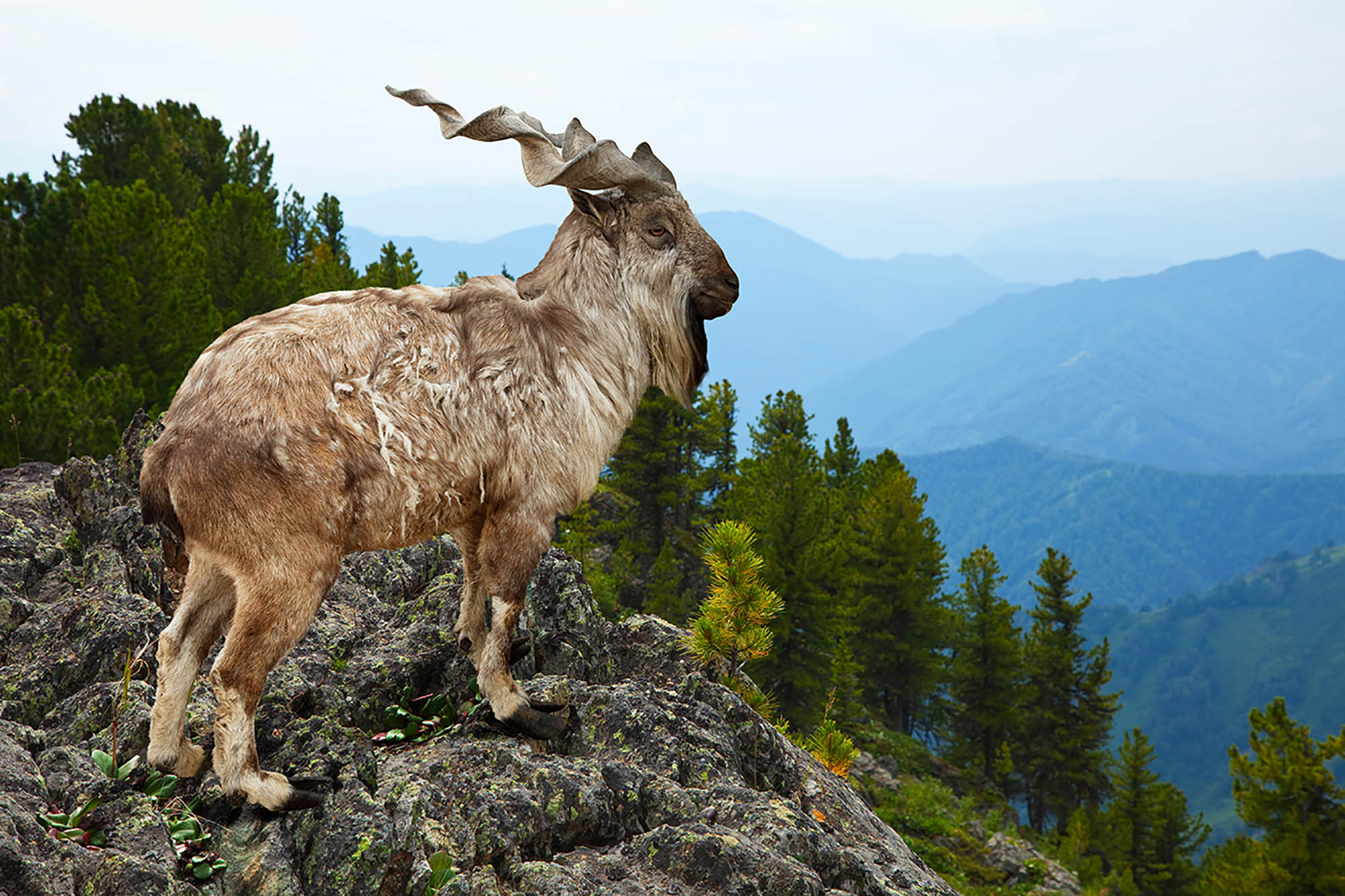
On 24 May, the world observes the International Day of the Markhor. This celebration honours the majestic wild goat native to the mountainous regions of Central and South Asia. Known for its impressive corkscrew-shaped horns, the markhor holds significant ecological, cultural, and economic value for local communities. With an estimated global population of just 5,700 mature individuals, the markhor is under threat from habitat loss, illegal hunting, and climate change. The United Nations encourages international and regional cooperation to support conservation efforts for this iconic species.