

UNICEF's new report reveals that 77% of children under five globally have their births registered, marking progress in legal identity but highlighting that 150 million children remain unregistered. Challenges persist, especially in sub-Saharan Africa, where many face barriers to registration. UNICEF calls for improved systems, digitalization, and legal reforms to ensure every child is recognized and protected. Article 7 of the UN Convention on the Rights of the Child states affirms every child's right to have their identity established ‘immediately’ after birth through birth registration.
UNICEF
Dear adults, as we celebrated World Childrens Day, children around the world are calling for peace, for safe and healthy environments, for love and care. We cannot let them down.

World Children’s Day (20 November) is a global day of action for children, by children, marking the adoption of the Convention on the Rights of the Child. Child rights are human rights. But in too many places today children’s rights are being misunderstood, disregarded or denied and attacked. By listening to children we can fulfil their right to self-expression, understand their ideas for a better world and include their priorities in our actions today. Releasing on this year’s world Children’s Day, The State of the World’s Children 2024 will focus on future of childhood in a changing world.
What do you do every day to take care of your mental health?
In the words of Orlando Bloom, United Children's Fund (UNICEF) Goodwill Ambassador, "Sometimes it just takes a walk".

Mpox is an infectious disease caused by the monkeypox virus. A new variant of the virus is spreading, putting children at risk.

“Shootings, that’s why I left. Rapes. All that. I could not stay [back home]” – Solona, 14
Armed groups in Port-au-Prince and the Artibonite region are terrorizing entire communities. As streets, schools and playgrounds have been turned into battlefields, many have had no choice but to leave everything behind. Thousands are now stranded in makeshift displacement sites. Struggling to access electricity, food, water, and adequate sanitation. Entire families are sleeping outside on the ground, at the mercy of torrential rains and disease-carrying insects. Children unable to go to school.
Violence in Haiti has reached shocking levels. UNICEF continues to call for an end to the violence.
Learn about some of the most important newborn health warning signs. For more expert tips visit UNICEF Parenting.

The ongoing war in the Gaza Strip is making health care especially difficult for pregnant women and children. The high cost of living makes essentials like baby clothes unaffordable. At 20$ for one piece of baby clothes, these are usually not affordable for the most vulnerable families, who were often displaced 4 or 5 times, carrying only what they had on their backs. UNICEF, with partners, is making a significant difference in these communities by distributing 1,000 baby clothing kits and essential supplies, providing a lifeline of crucial assistance.

On average, one Palestinian child was killed in the West Bank, including East Jerusalem, every two days since October 2023, a nearly three-and-a-half-fold increase from the previous nine months.
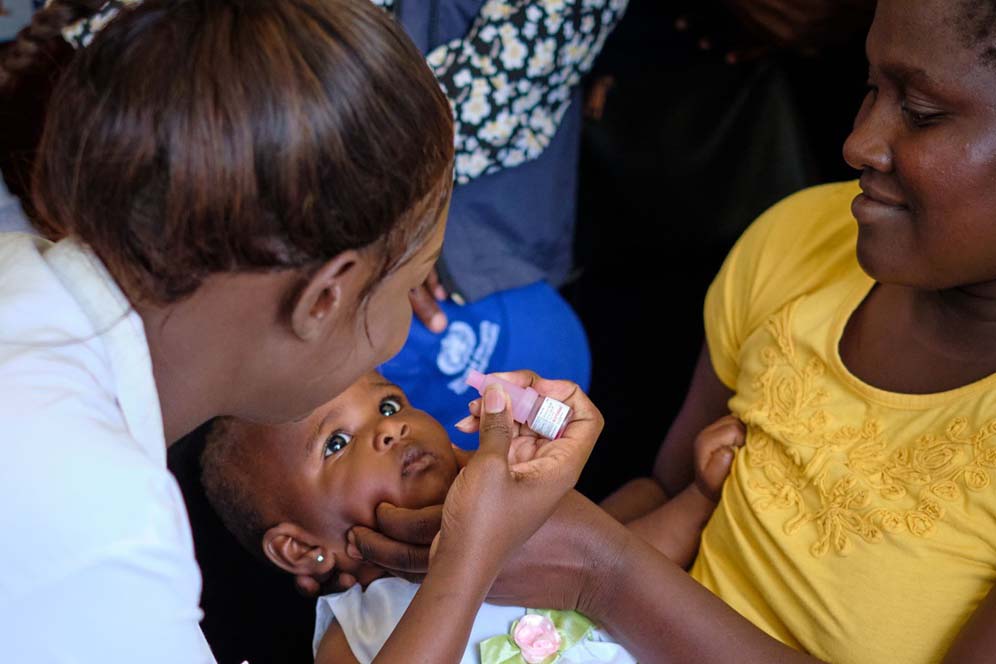
Global childhood immunization coverage stalled in 2023, leaving 2.7 million additional children un- and under-vaccinated compared to pre-pandemic levels in 2019, according to data published by the World Health Organization (WHO) and UNICEF. The latest WHO and UNICEF estimates of national immunization coverage – which provide the world’s largest and most comprehensive dataset on immunization trends for vaccinations against 14 diseases – underscore the need for ongoing catch-up, recovery and system-strengthening efforts. More than half of unvaccinated children live in the 31 countries with fragile, conflict-affected and vulnerable settings, where children are especially vulnerable to preventable diseases.
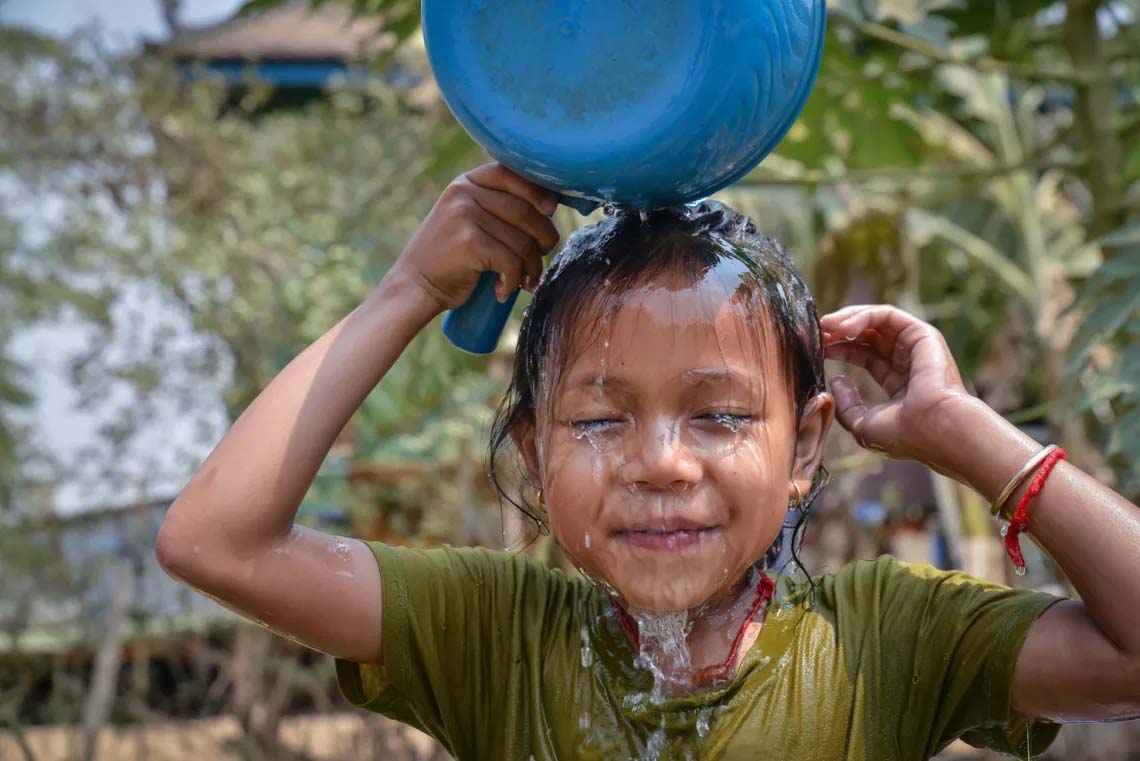
Climate change is raising global temperatures and causing historic heat waves. More countries are facing hotter days more frequently, with more intensity and for longer periods. The heat stress caused by exposure to heat waves can negatively affect health and well-being, especially for infants and young children. As heat waves become more frequent and last longer, the need for urgent action grows stronger. Preparedness can protect vulnerable populations, especially children. UNICEF encourages governments and partners to join the Children’s Environmental Health Collaborative.
UNICEF's Goodwill Ambassador Orlando Bloom reflects on the greatest joy of his life: being a parent.

On the surface, play may seem like it’s all about having fun, but it’s far more than that for babies and toddlers. It’s about learning and building important life skills – from problem solving to expressing ideas – and strengthening the bond between you both. UNICEF teamed up with the LEGO Foundation to explore the science behind how you can help your child grow and develop during these playful interactions. The good news is that children don't need expensive toys to play and learn. Here are 7 toys you can make at home to help get you started and here is how you can turn everyday routines into learning opportunities.
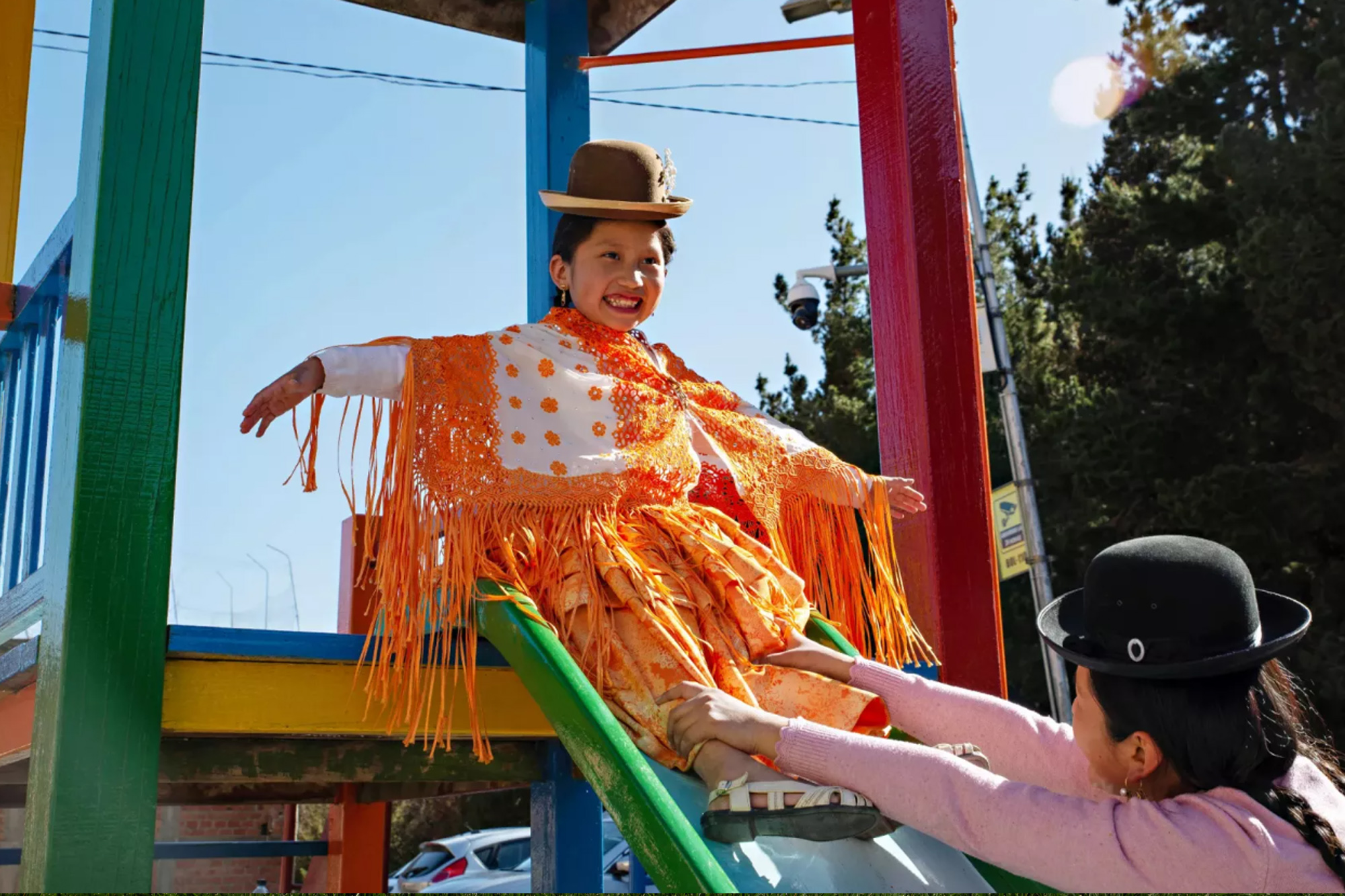
The importance of play for children’s development is recognized by the UN Convention on the Rights of the Child, which sets out “the right of the child to rest and leisure, to engage in play and recreational activities”. The United Nations General Assembly established 11 June as the International Day of Play to champion and protect this right. On this day, UNICEF called for this right to be fulfilled for every child.
Are you concerned about how much time your teen is spending on screens?