
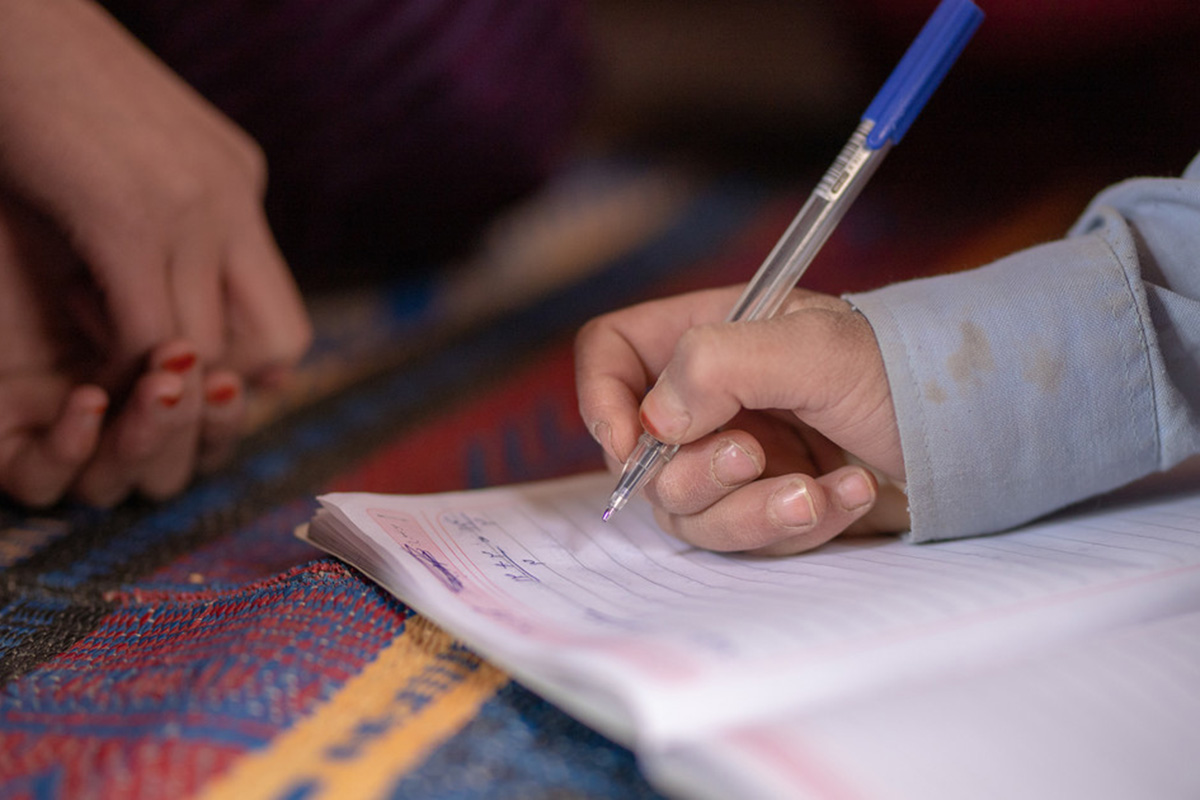
Children worldwide are being denied their basic human right to an education. UNICEF-financed Education Cannot Wait brings us the stories of perseverance and hope emerging on the frontlines.
UNICEF

Children from the poorest households benefit the least from national public education funding, UNICEF said in a new report, while calling for additional, more equitable investment to lift millions out of a learning crisis. The report, Transforming Education with Equitable Financing, notes that on average, the poorest quintile of learners benefits from 16% of public funding for education, compared to the richest, who benefit from 28%. Among low-income countries, 11% goes to the poorest learners, while 42% goes to the richest.
A 1% point increase in the allocation of public education resources to the poorest 20% may pull 35 million primary school-aged children out of learning poverty globally, according to the report, which sets out four key recommendations.
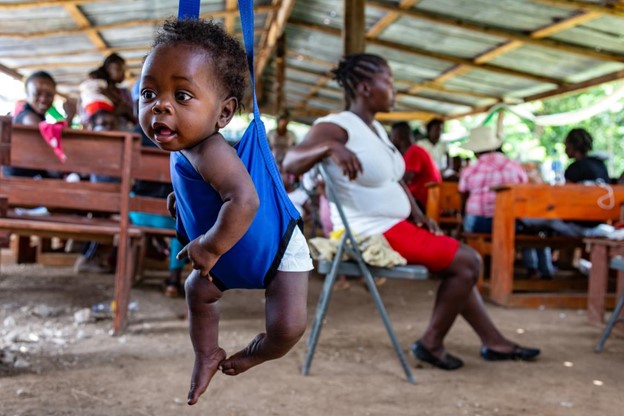
11 emergencies where resources have fallen short
Today, there are more children in need of humanitarian assistance than at any other time since the Second World War. Across the globe, children and their families are facing a deadly mix of crises, from conflict and displacement to disease outbreaks and soaring rates of malnutrition. But with UNICEF on the ground, it’s far from hopeless. They know how to reach these children at greatest risk and in greatest need by distributing winter clothing, providing safe spaces for displaced families and delivering treatments like Ready-To-Use Therapeutic Food (RUTF).

Human rights are standards that recognize and protect the dignity of all human beings. Human rights govern how individual human beings live in society, as well as their relationship with the State and the obligations that the State has towards them. Human rights law obliges governments to do some things and prevents them from doing others. Individuals also have responsibilities: in using their human rights, they must respect the rights of others. By integrating human rights in development cooperation, UNICEF ensures inclusive processes where those most vulnerable are not forgotten.
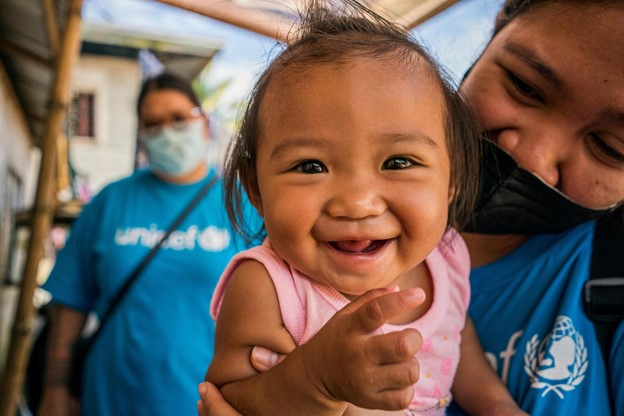
Something to smile about
Smiling is contagious and these happy children from around the world are sure to put a smile on your face! UNICEF procures and distributes vaccines and other essential supplies, including solar-powered refrigerators, and helps train health workers to prevent future outbreaks of diseases. Babies are also screened for malnourishment and mothers taught about nutrition at their funded health centres. In addition, UNICEF has established more than 200 temporary learning centres, to look after the protection and psychosocial well-being of children caught up in the climate change-related crisis.
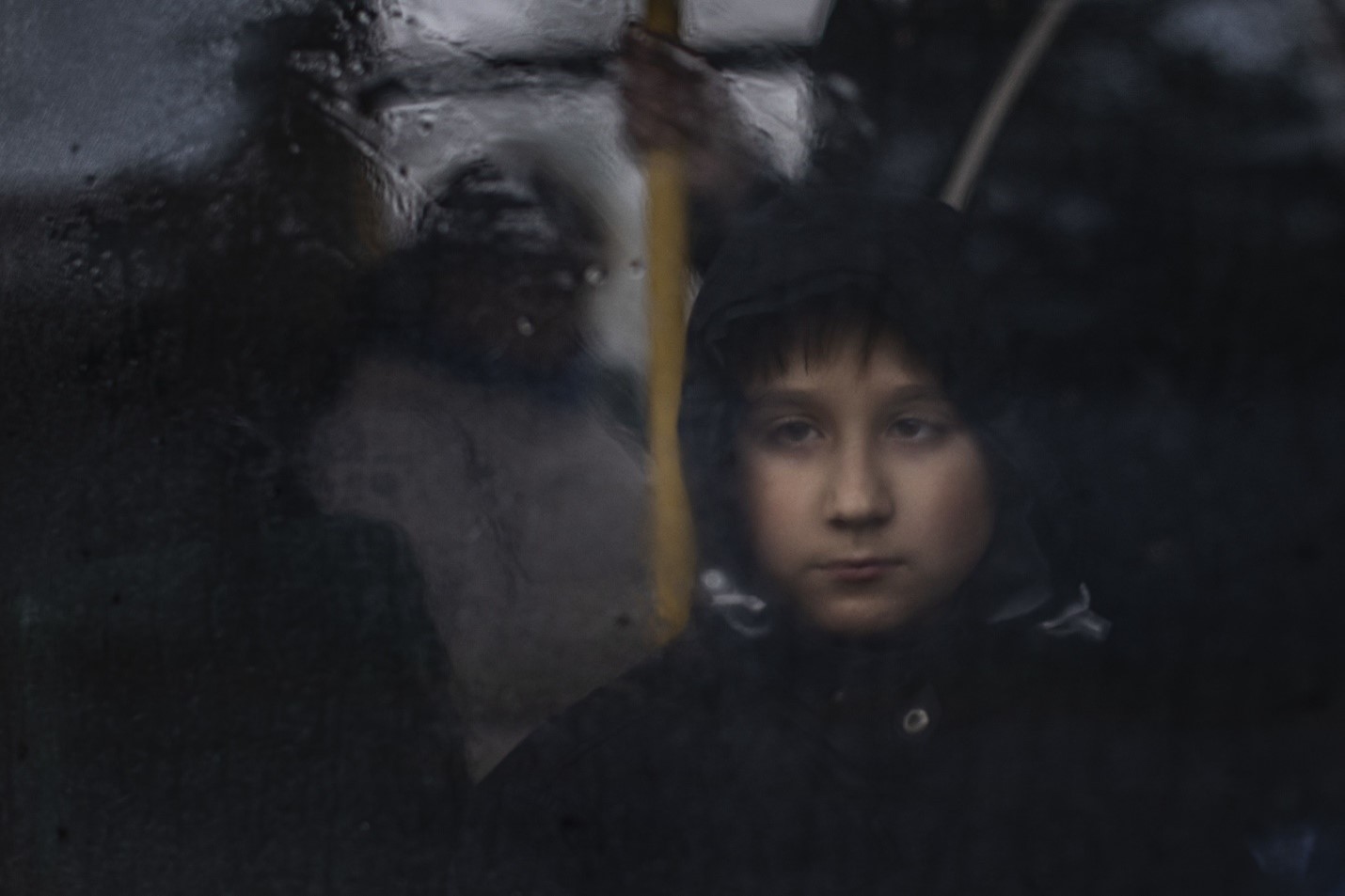
Horror and hopes: Ukraine’s children in their own words
As winter approaches, millions of Ukrainians remain displaced from their homes. Now, as the biting winds and sub-zero temperatures of winter take hold, Ukraine’s children confront new threats to their well-being. They are in desperate need of protection and shelter. UNICEF is working with partners providing much-needed winter items, such as clothing, boots and blankets. UNICEF is also extending child-care services and life-saving cash transfers to particularly vulnerable families, while supporting schools and hospitals with generators and heating.
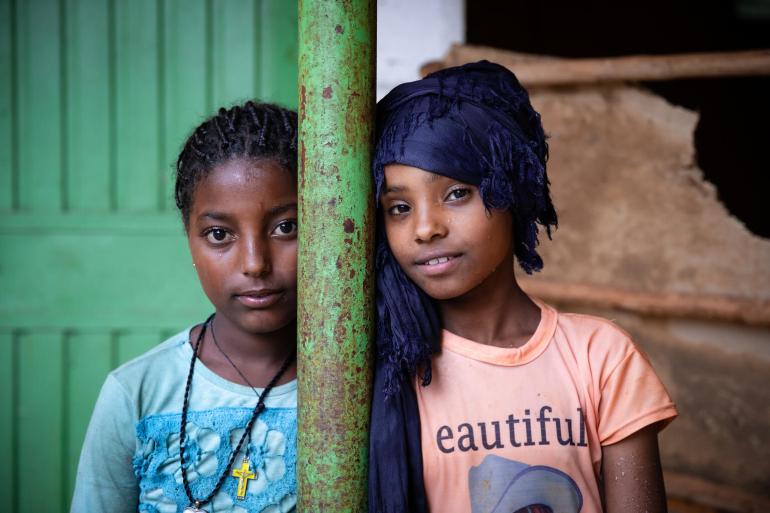
New UNICEF report shows the extent to which racism and discrimination impact children’s education, health, and access to a fair and equal justice system.
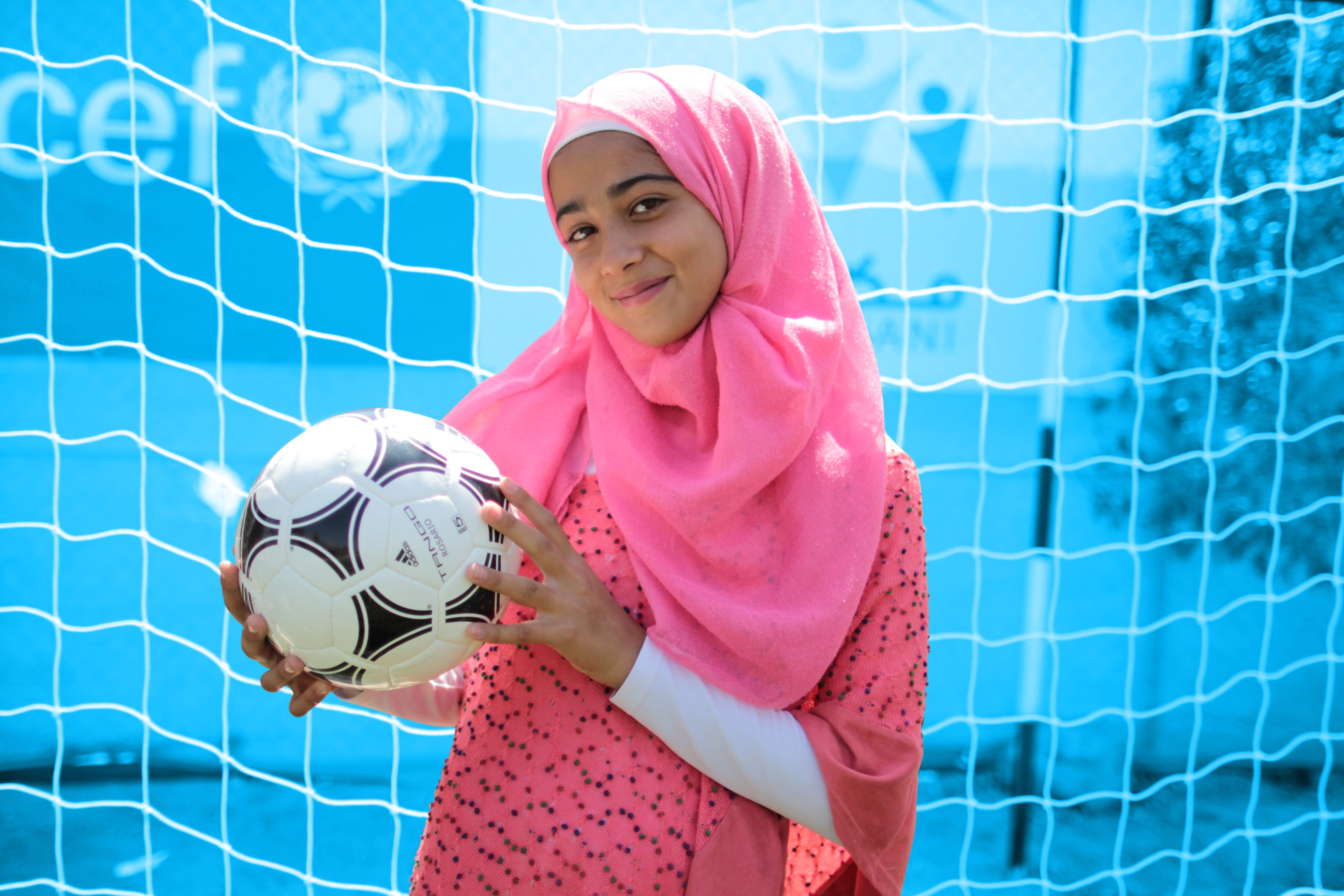
From climate change, education and mental health, to ending racism and discrimination, children and young people are raising their voices on the issues that matter to their generation and calling for adults to create a better future. This World Children’s Day (20 November), kids are standing up for a more equal, inclusive world. What will you do? Join us on World Children’s Day!
UNICEF asked young climate advocates how climate change has impacted their lives. Watch the video to find out what they answered, and their message for world leaders at COP27. Faced with a growing energy crisis, record greenhouse gas concentrations, and increasing extreme weather events, COP27 seeks renewed solidarity between countries to deliver on the landmark Paris Agreement for people and the planet.
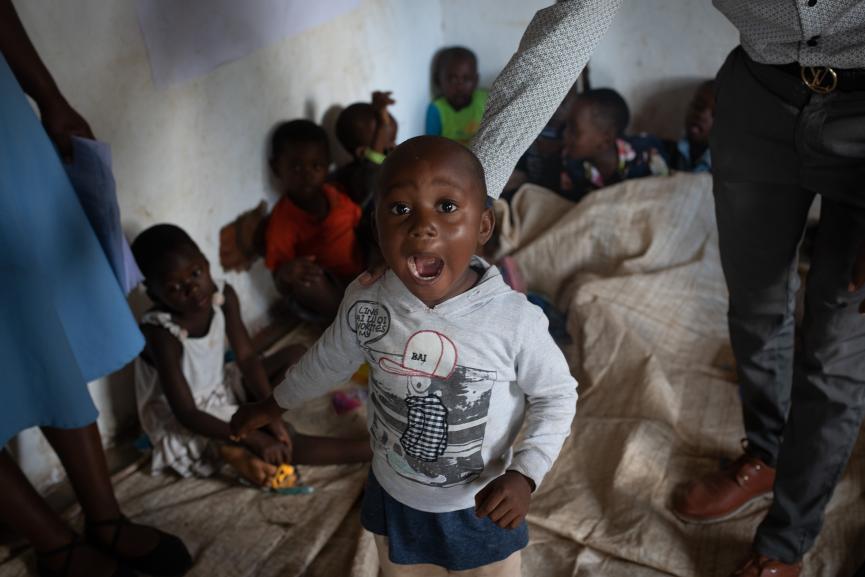
After millennia of living with poliovirus and the suffering the paralysis it causes, today nearly everyone lives in a polio-free country. However, cases of polio have been recently reemerging worldwide, including in Malawi. There are several factors behind those outbreaks, including conflict and displacement, disruptions caused by the COVID-19 pandemic, and vaccine hesitancy. With support from UNICEF, a nationwide immunization campaign was launched in Malawi in March 2022 and its impact has been profound. Since the vaccination drive began, about 9 million children in Malawi have received a polio vaccination. Find out more about the campaign here.
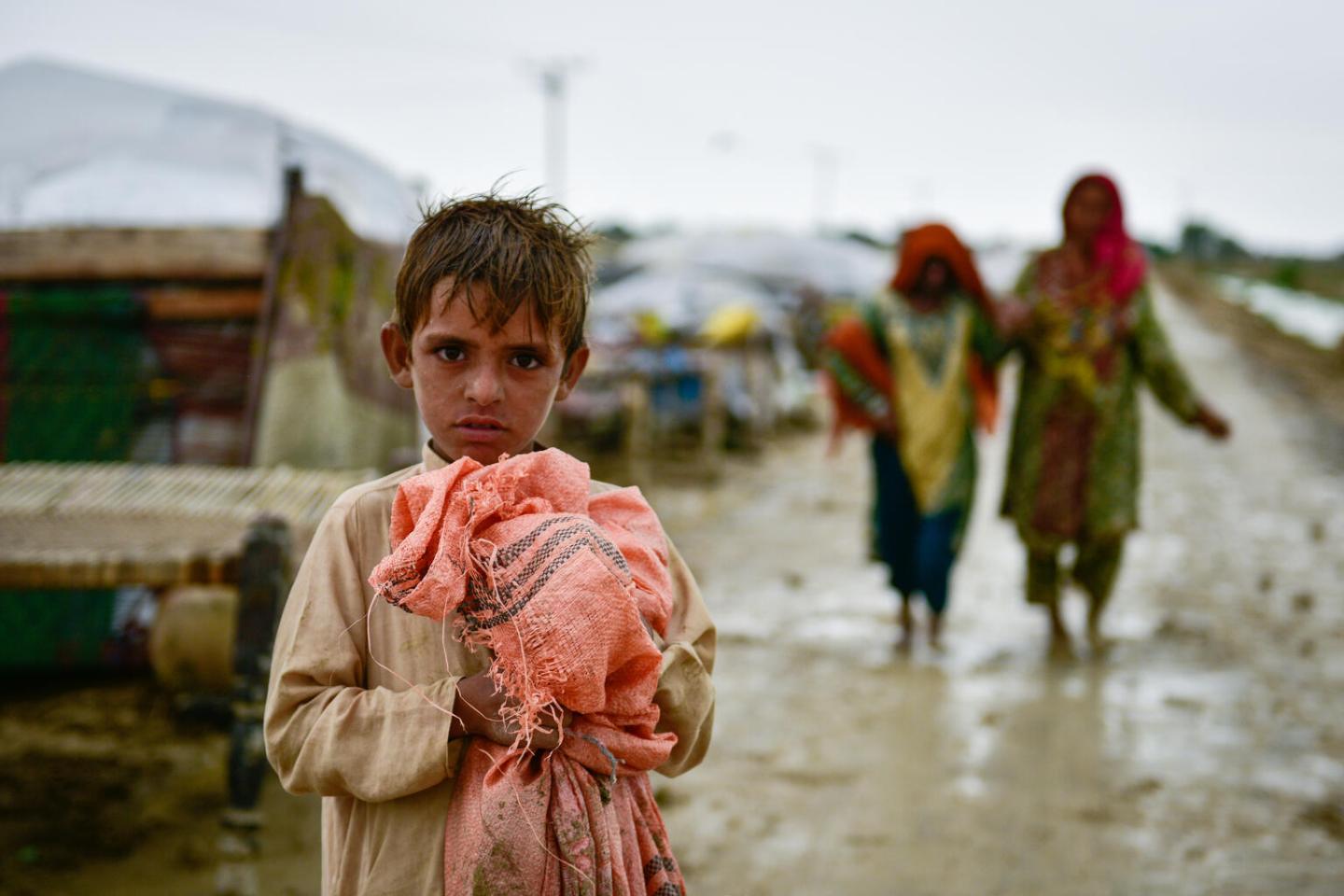
Around 33 million people, including 16 million children, have been affected by this year’s torrential monsoon rains in Pakistan triggering the most severe flooding in the country’s recent history. Villages have been washed away leaving about 3.4 million children in need of assistance and at an increased risk of waterborne diseases, drowning and malnutrition. UNICEF is helping deliver safe drinking water, medical supplies, therapeutic food supplies and hygiene kits to children and families. The UN agency is establishing temporary learning centres and supporting the protection and psychosocial wellbeing of children affected by these devastating floods.
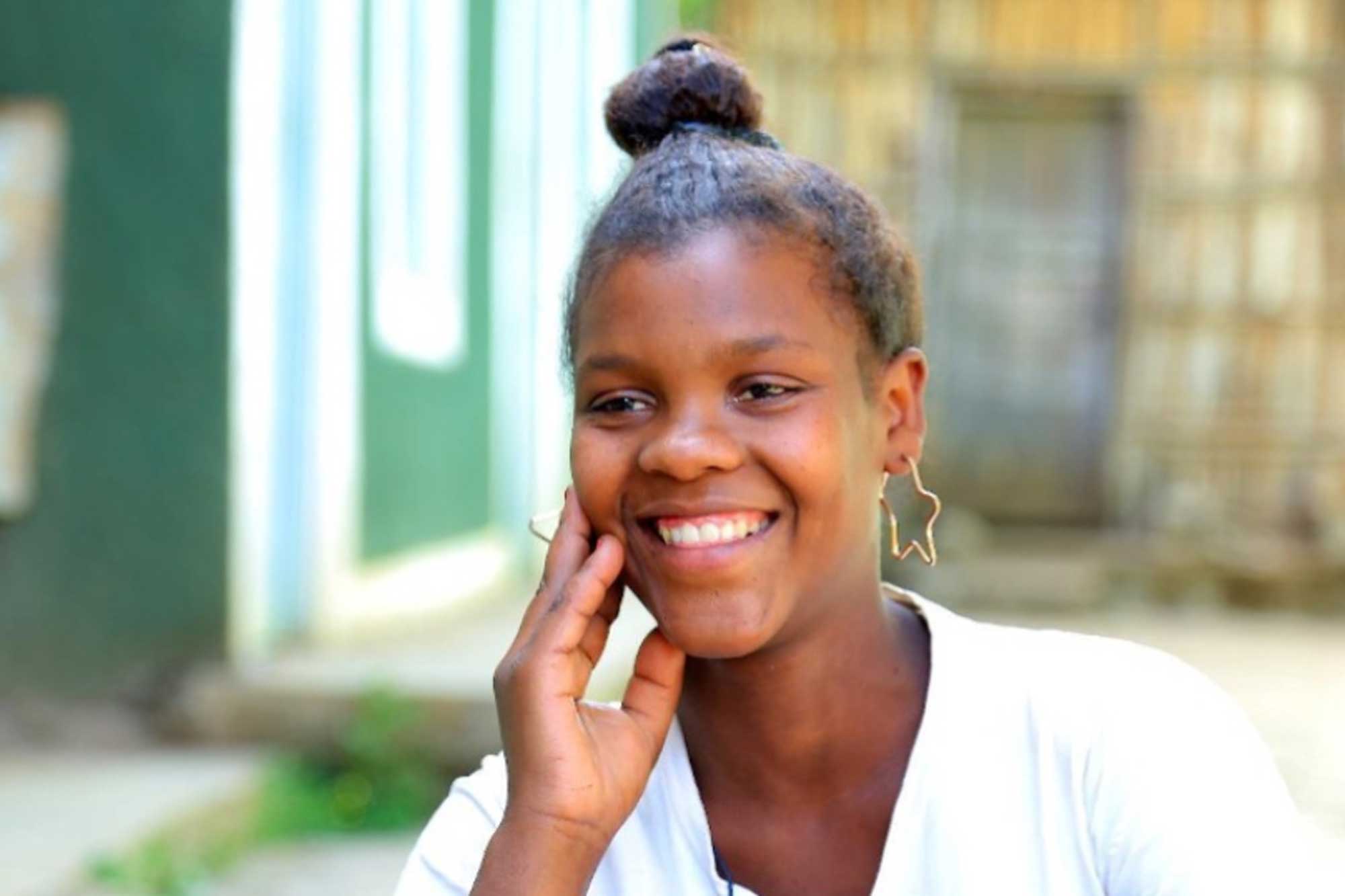
“We asked around and found the woman who cuts girls in the village,” said Bereket Merihun, “She strongly warned us to keep it a secret.” Childhood and adolescence can be a time fraught with peer pressure and insecurity. Many go to great lengths to fit in. Although her father firmly opposed FGM, Bereket made a secret pact with 4 friends when they were just 15: to undergo FGM during their school summer break.
FGM has been outlawed in Ethiopia since 2004, but many pursue the practice anyway. Changing social norms requires building broader social movements uniting women, girls, men, and boys against FGM. To this end, UNFPA is engaging faith-based organizations, community institutions, and government stakeholders in the fight against FGM.
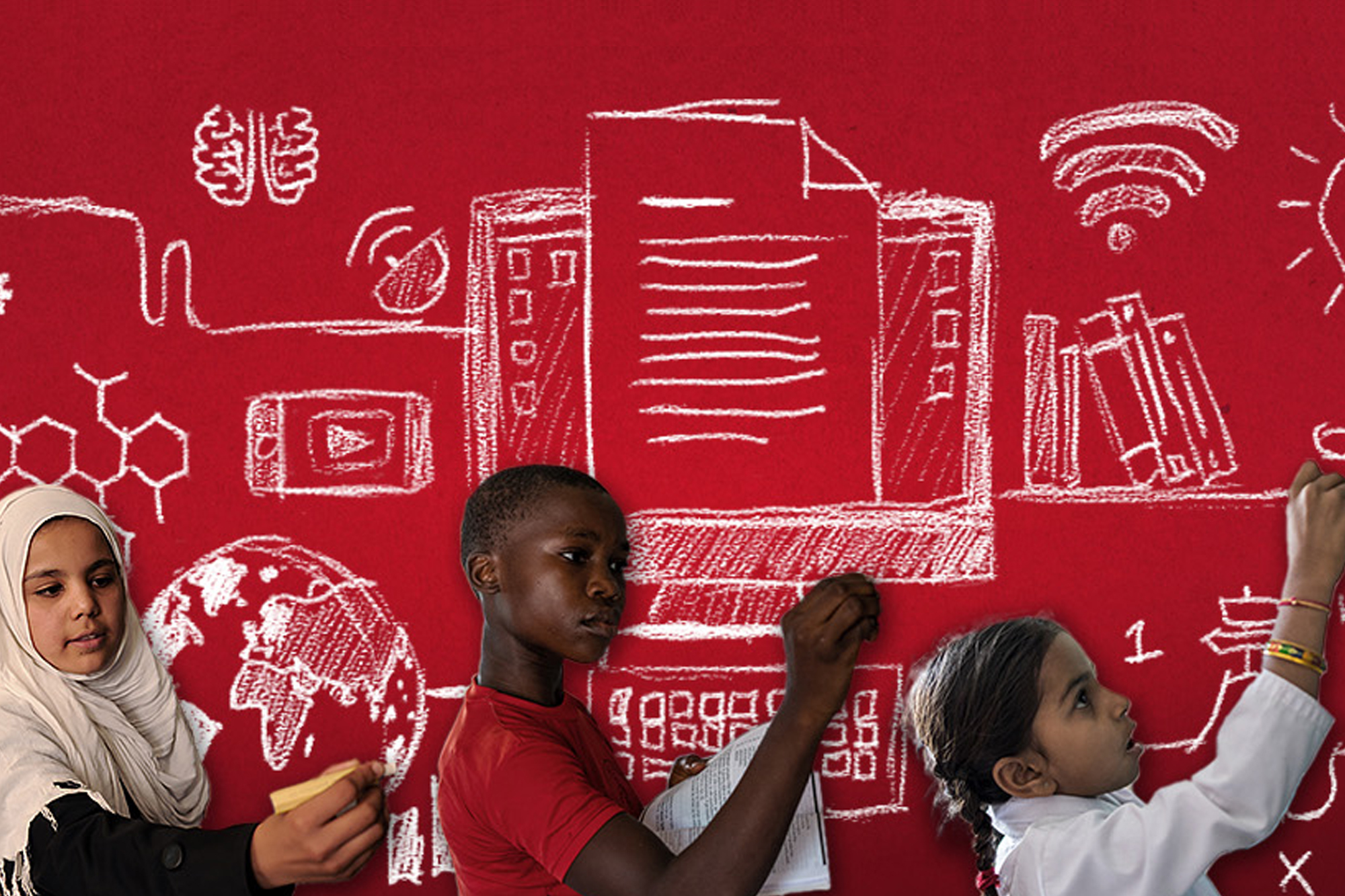
In response to a global crisis in education, and in order to provide a unique opportunity to elevate education to the top of the global political agenda, the Transforming Education Summit is being convened Sep 16-19. Today is "Leaders' Day"; dedicated to the presentation of National Statements of Commitment by Heads of State and Government in the form of Leaders Roundtables. In addition, thematic sessions are held to place a focus on cross-cutting priorities. Also featured are presentations of the Summit Youth Declaration and the Secretary-General’s Vision Statement.
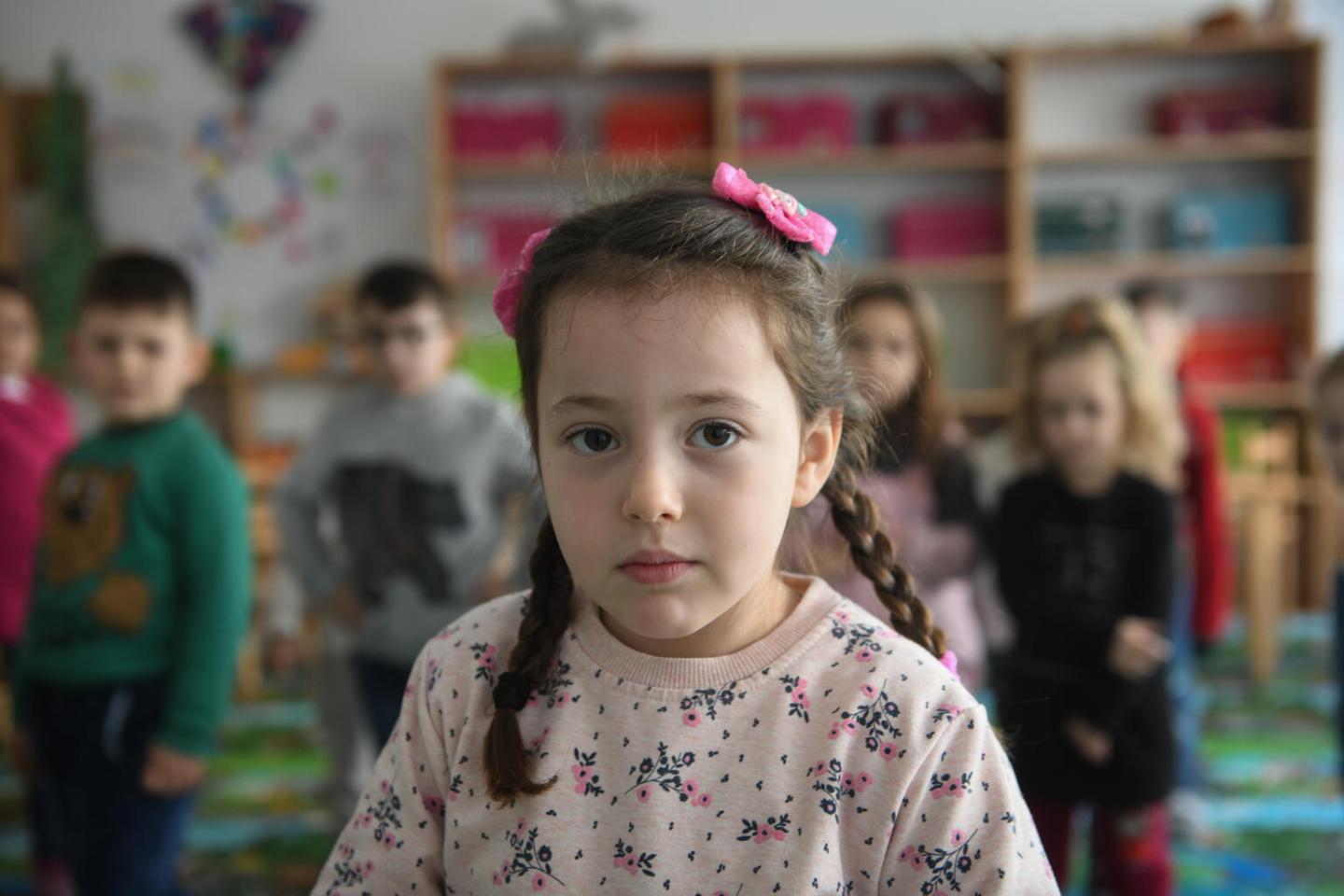
Nearly two-thirds of 10-year-olds are unable to read and understand a simple text. Without urgent action, this global learning crisis will become a generational catastrophe.
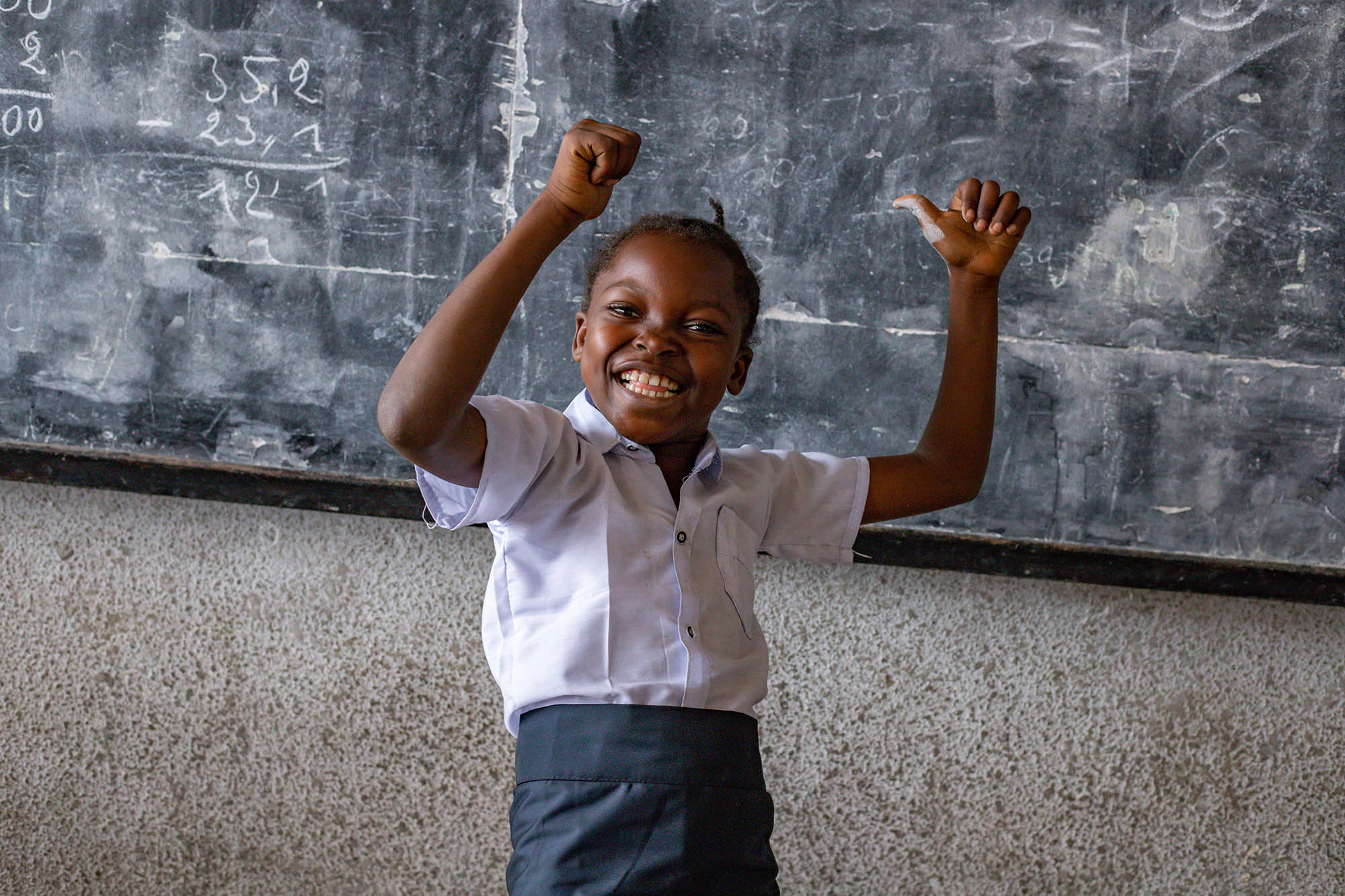
The Transforming Education Summit is being convened on 16, 17 and 19 September at the United Nations in New York, in response to a global crisis in education – one of equity and inclusion, quality and relevance. Often slow and unseen, this crisis is having a devastating impact on the futures of children and youth worldwide. The Summit provides a unique opportunity to elevate education to the top of the global political agenda and to mobilize action, ambition, solidarity and solutions to recover pandemic-related learning losses and sow the seeds to transform education in a rapidly changing world.