
It's healthy and important for teens to express their emotions. Dr. Lisa Damour, psychologist, mother and best-selling author shares three ways you can help them express themselves. Visit UNICEF Parenting for more expert tips.
UNICEF
UNICEF presents 14-year-old Djeneba's poem which reveals a vivid picture of a young boy struggling to survive because of conflict in Burkina Faso
Compared to adults, infants and children are uniquely affected by heat stress, leaving them more vulnerable to its short- and long-term effects. Pregnant women and fetuses are also vulnerable to the effects of extreme heat. UNICEF brings us some heat wave safety tips.
Baby Riazur, living in a Rohingya refugee camp in Cox's Bazar, Bangladesh, receives his routine vaccines from UNICEF-supported community health volunteers. More than 952,000 Rohingya, half of whom are children, are living in refugee camps in Cox’s Bazar after escaping violence that broke out in Myanmar in 2017. Rohingya families often miss routine vaccines - it is critical that children like Riazur receive them.
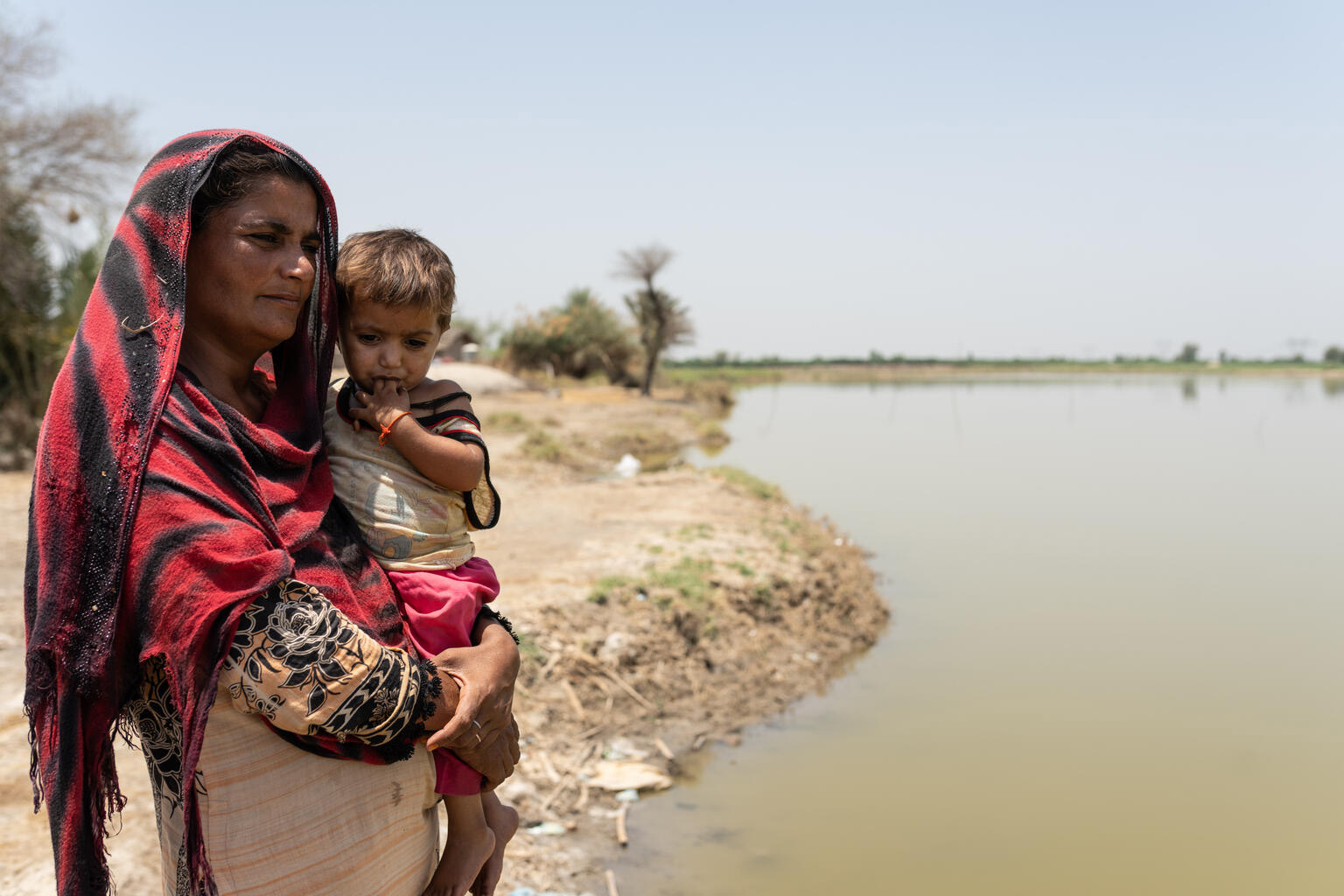
Benazir and her husband lost a child amidst the tumult of the floods and have since faced challenges trying to feed their other children. The impact of last year’s historic floods will be felt for years to come by children and their families. In these climate-related crises children suffer most, with those in the poorest communities bearing the biggest burden. More than 1.5 million boys and girls are already severely malnourished, a number that will only rise in the absence of safe water and proper sanitation. UNICEF is training teachers on psychosocial care and health care and has established hundreds of temporary learning centres in the worst-affected districts.
Opening up about your struggles with someone you trust can help you feel better. UNICEF switches it up, it starts with one moment, one conversation, one question: What’s on your mind?
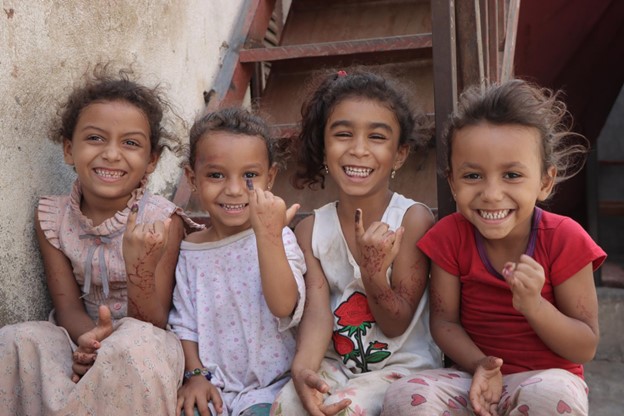
Every year, millions of children die from causes that are preventable and treatable. Every year, millions of children die from causes that are preventable and treatable. Service disruptions, economic chaos, conflict, and overburdened health systems have threatened a devastating rise in preventable child deaths. Protected from disease, these children have the opportunity to thrive, the chance to learn and the ability to live healthy lives. UNICEF’s mission is to reach every single child with life-saving vaccines.
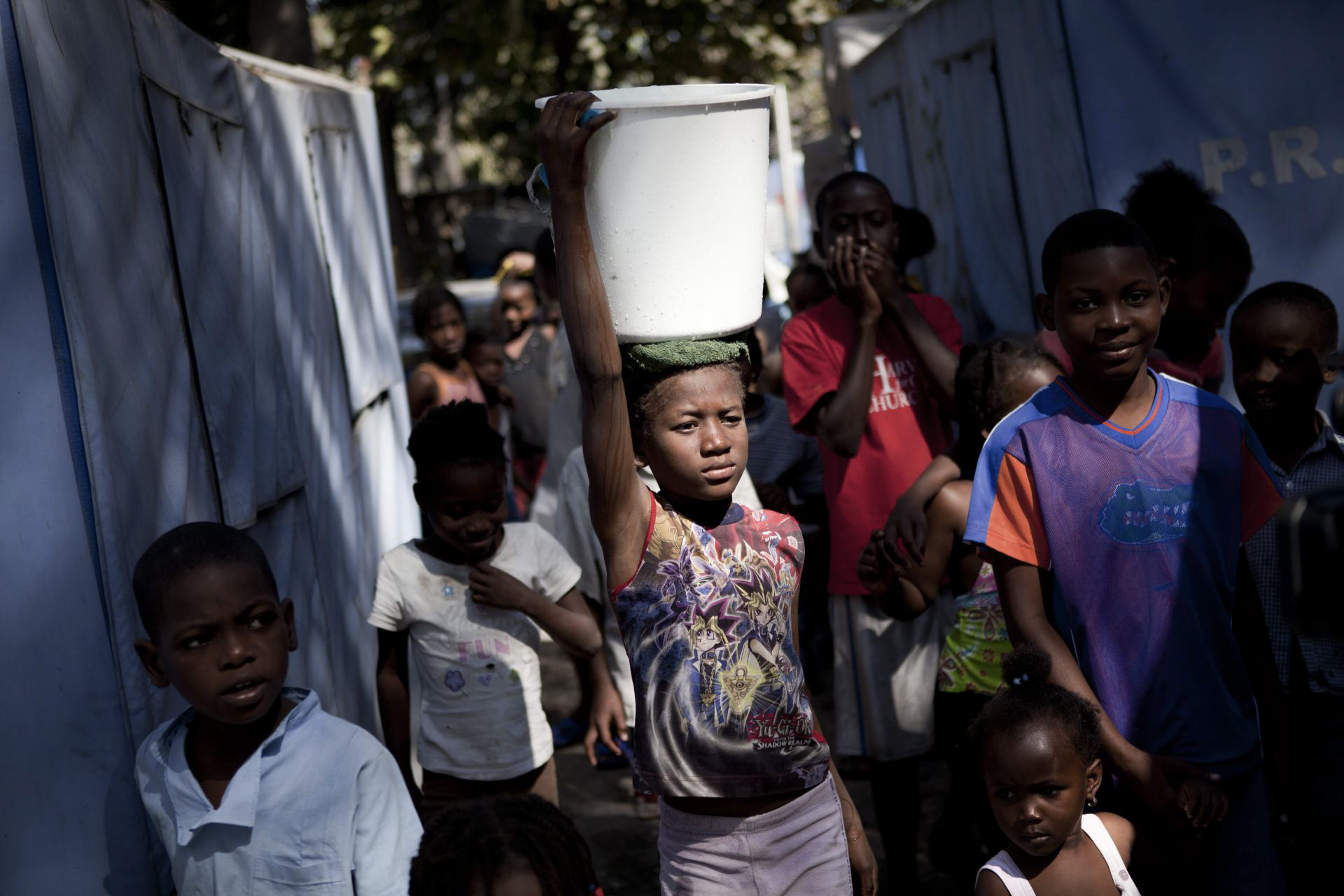
Despite being preventable and treatable, children continue to suffer from Cholera, a potentially fatal disease. UNICEF works to ensure vaccines and treatments reach the children most in need.

Katia’s son Myron was born under two lamps powered by a generator provided by UNICEF. Ukraine unstable situation presents an anxious moment for pregnant women. Constant blackouts means hospitals are not equipped to handle emergency conditions for mothers in labor. UNICEF and partners are working to expand programmes to save the lives of children and their families in Ukraine. In addition to items, such as clothing, boots, and blankets, they are providing about 300 generators to children's hospitals, maternity hospitals and other medical facilities.
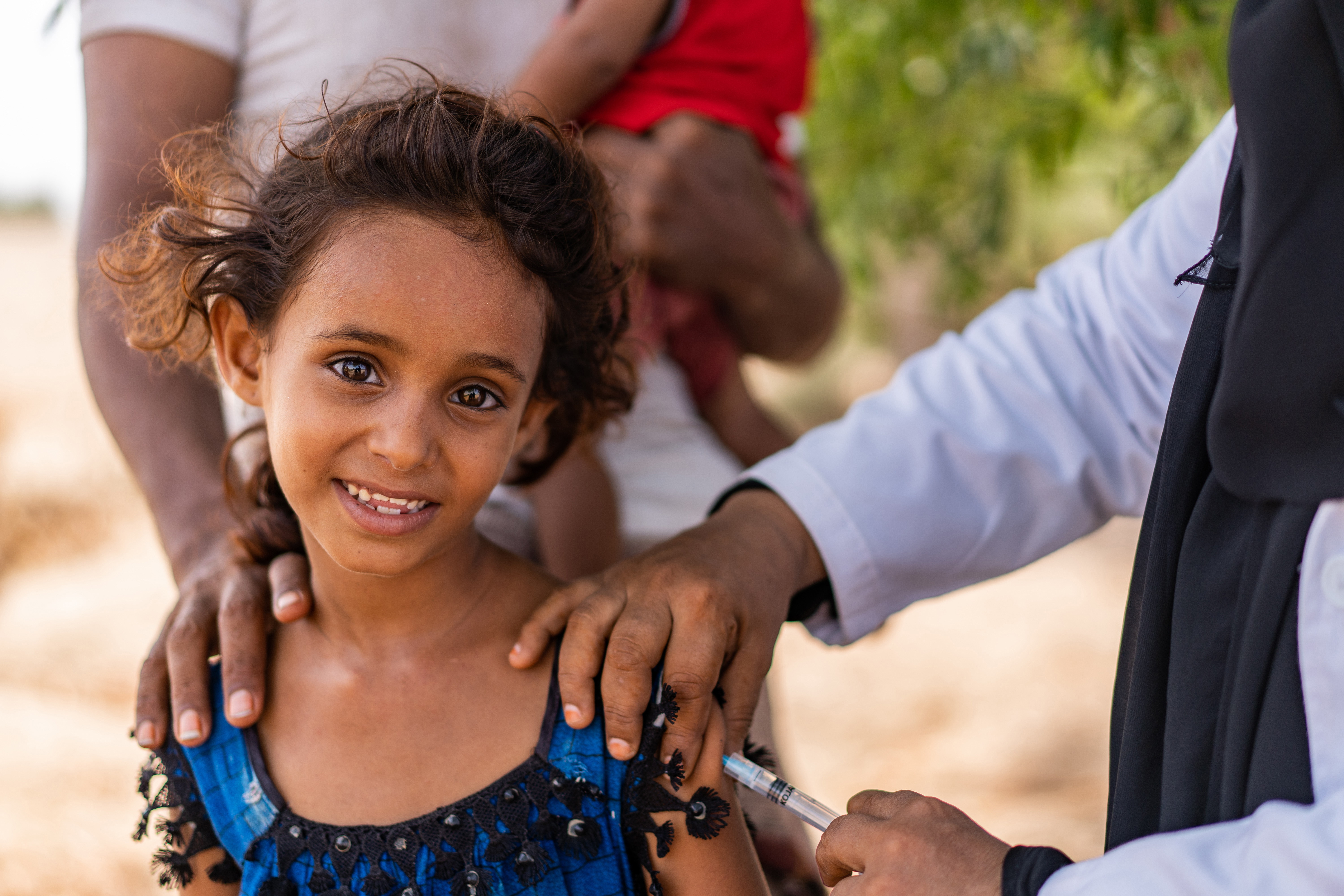
A red alert for children’s health: Routine immunization coverage dropped sharply during the COVID-19 pandemic. The latest edition of The State of the World’s Children report launched today explores the causes and the steps we must take to make sure that no child is left behind. As the flagship publication of the United Nations Children's Fund (UNICEF), the report was first published in 1980, focusing each year on a key issue affecting children. These have ranged from children with disabilities, conflict and war, child labour, urbanization, and early childhood development.
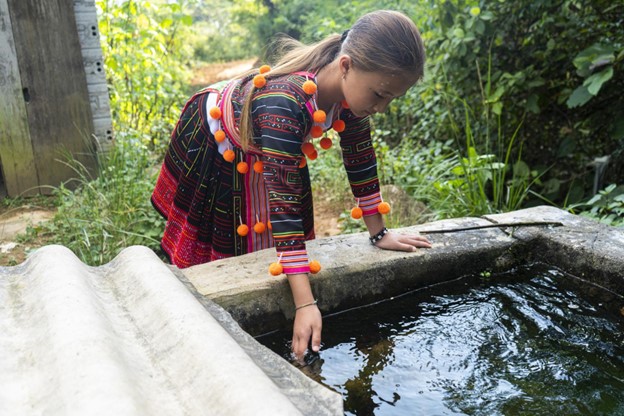
Safe water is essential to life itself. No one stands to suffer from the consequences of water insecurity more than children. By 2030, half of the global population is expected to be living in water-stressed conditions. A deadly combination of disease, climate risks, and unsafe water, sanitation and hygiene creates a triple threat for children. Competition for water resources will only intensify with increasing urbanization, population growth and the threat of climate change. UNICEF examines the countries that face the greatest risk and where the WASH investments are at its lowest and how to mitigate these factors.
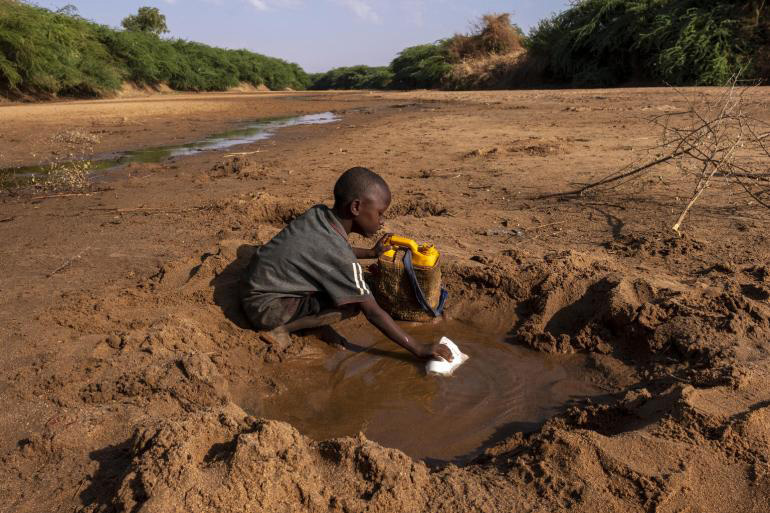
190 million children in 10 African countries are at the highest risk from a convergence of three water-related threats – inadequate water, sanitation, and hygiene (WASH); related diseases; and climate hazards – according to a new UNICEF analysis. Many of the worst-affected countries, particularly in the Sahel, are also facing instability and armed conflict, further aggravating children’s access to clean water and sanitation. Across the 10 hotspots, nearly one-third of children do not have access to at least basic water at home, and two-thirds do not have basic sanitation services.

The Leading Minds Conference by UNICEF brings together some of the world’s leading thinkers — scholars, scientists, innovators, influencers, philanthropists, governments and of course young people — to understand the challenges that children and young people face globally.
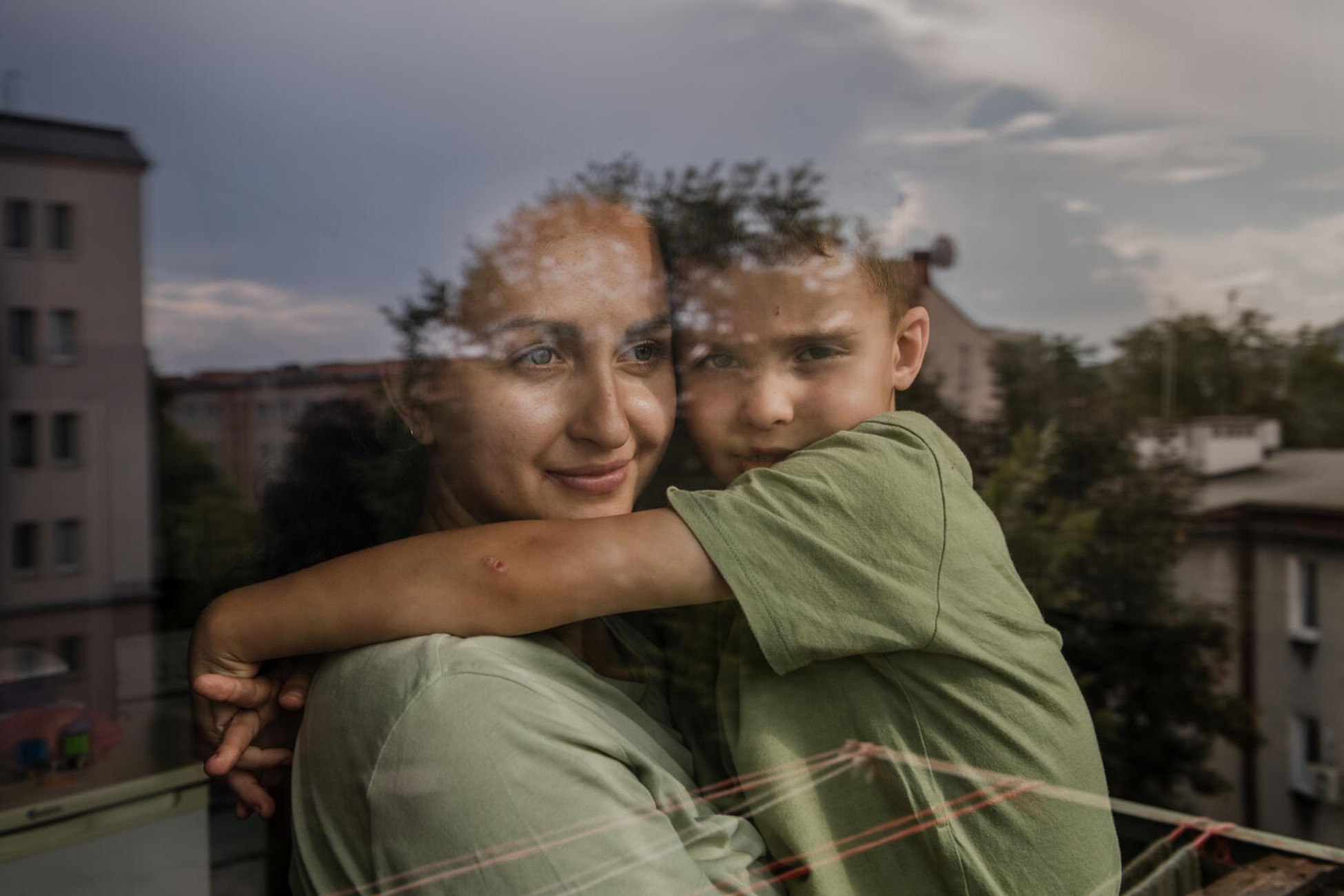
Children need peace. Now.
One year into the Ukraine war, an estimated 1.5 million children are at risk of depression, anxiety, post-traumatic stress disorder and other mental conditions. Not many are lucky as Kateryna who left Kyiv with her children at the beginning of the war. Once again, children are paying the price of a war not of their own making. UNICEF has been working with national and local authorities, as well as civil society organizations in Ukraine and neighboring countries to deliver emergency assistance, access to education, health and mental health support, and life-saving information to children and their families.