
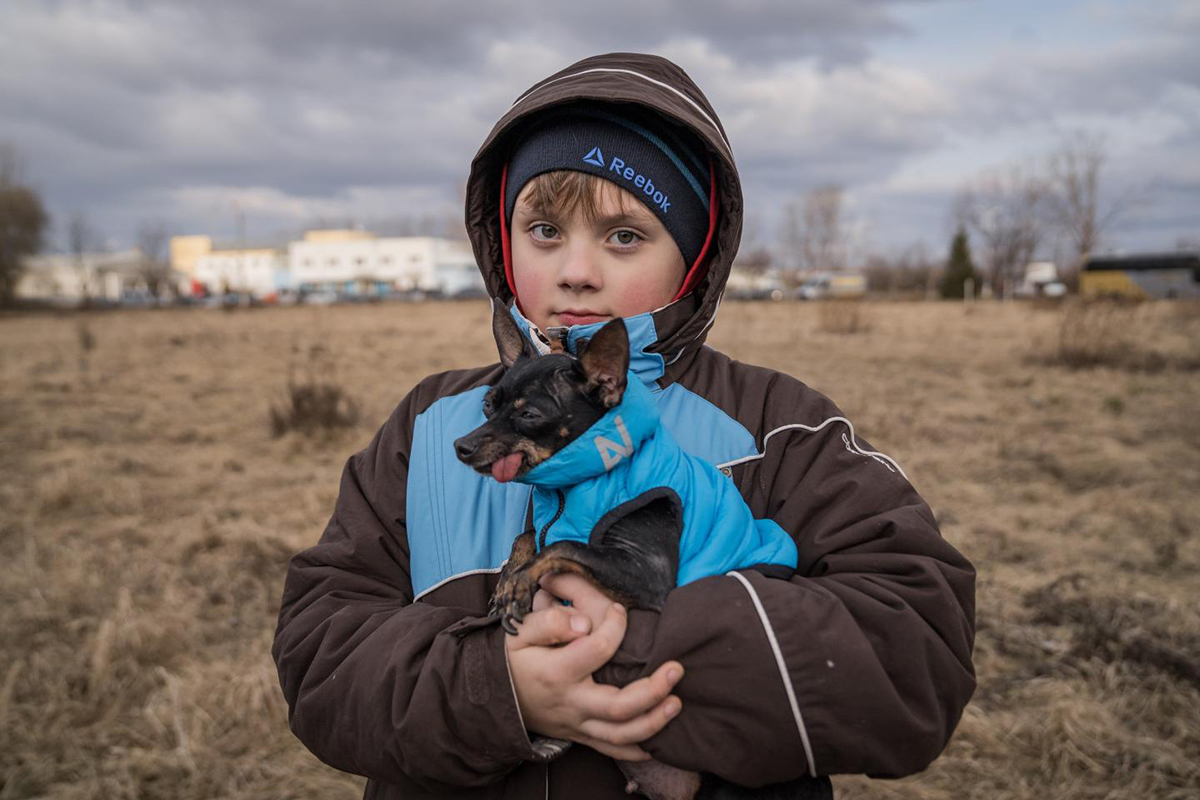
The war in Ukraine poses an immediate and growing threat to the lives and well-being of the country’s 7.5 million children. Humanitarian needs are multiplying by the hour as fighting intensifies. Children continue to be killed, wounded and deeply traumatized by the devastating violence all around them. Families are terrified, in shock, and desperate for safety. UNICEF is working with partners to reach vulnerable children and families with essential services – including health, education, protection, water and sanitation – as well as life-saving supplies.
UNICEF
Oleksandra's chilling video diary shows the grave dangers children and young people are facing in Ukraine. UNICEF and partners are working through COVID-19 and conflict to provide urgent support to families. They need peace now.

Amid growing international condemnation over Russia’s military offensive in Ukraine, tens of thousands of people are still trying to escape to neighbouring countries, fleeing en masse. This has brought huge numbers to the western Ukrainian city of Lviv, where UNICEF’s spokesperson James Elder has been giving an update on the emotional and tense scenes he’s witnessed, to UN News’s Daniel Johnson.
At the age of 13, Younis left school to help his family but suddenly found himself recruited into an armed group in Sudan. Younis managed to escape, and UNICEF and partners were there to help him reunite with his family and reintegrate safely back to his community. Through conflict , UNICEF is working across the world to release and reintegrate children recruited by armed groups.
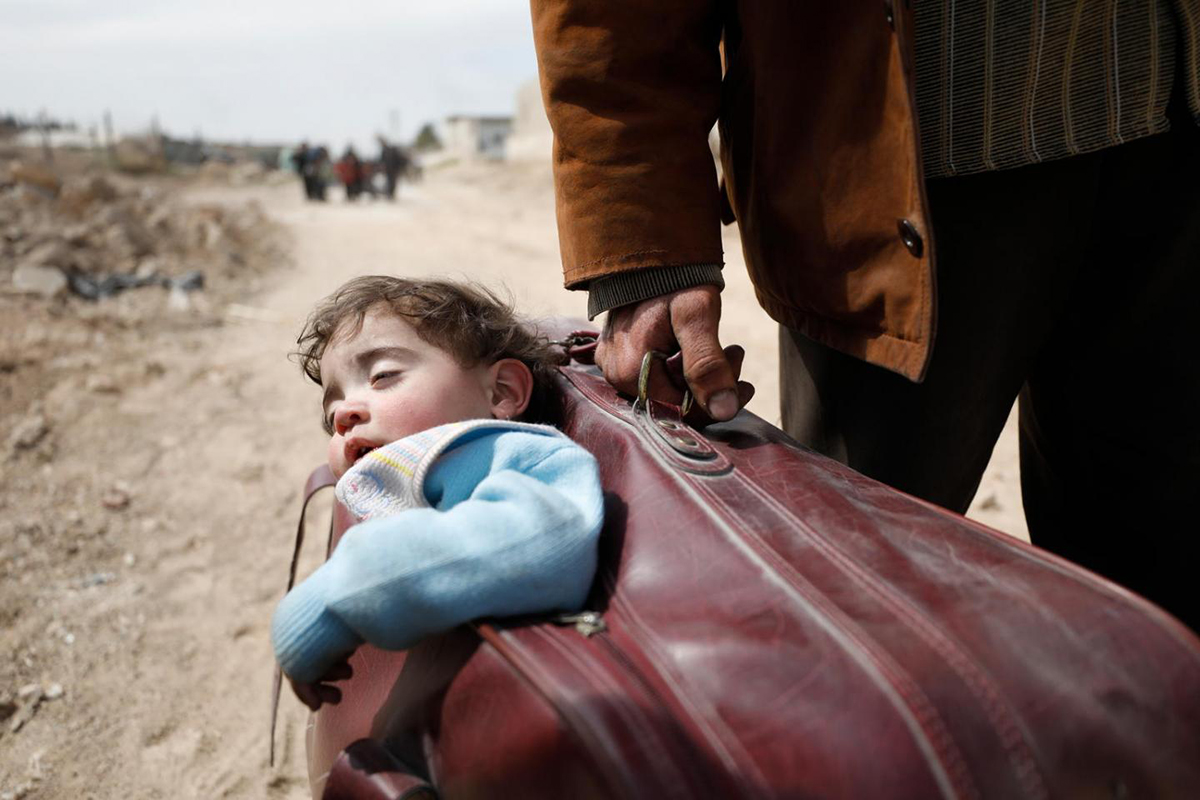
Millions of children are on the move. Some are driven from their homes by conflict, poverty or climate change; others leave in the hope of finding a better life. Far too many encounter danger, detention, deprivation and discrimination on their journeys, at destination or upon return. UNICEF works around the world to help protect the rights of migrant and displaced children by providing life-saving humanitarian supplies in refugee camps. UNICEF also collects, analyses and disseminates data and gathers evidence about the situation and individual experiences of children on the move.
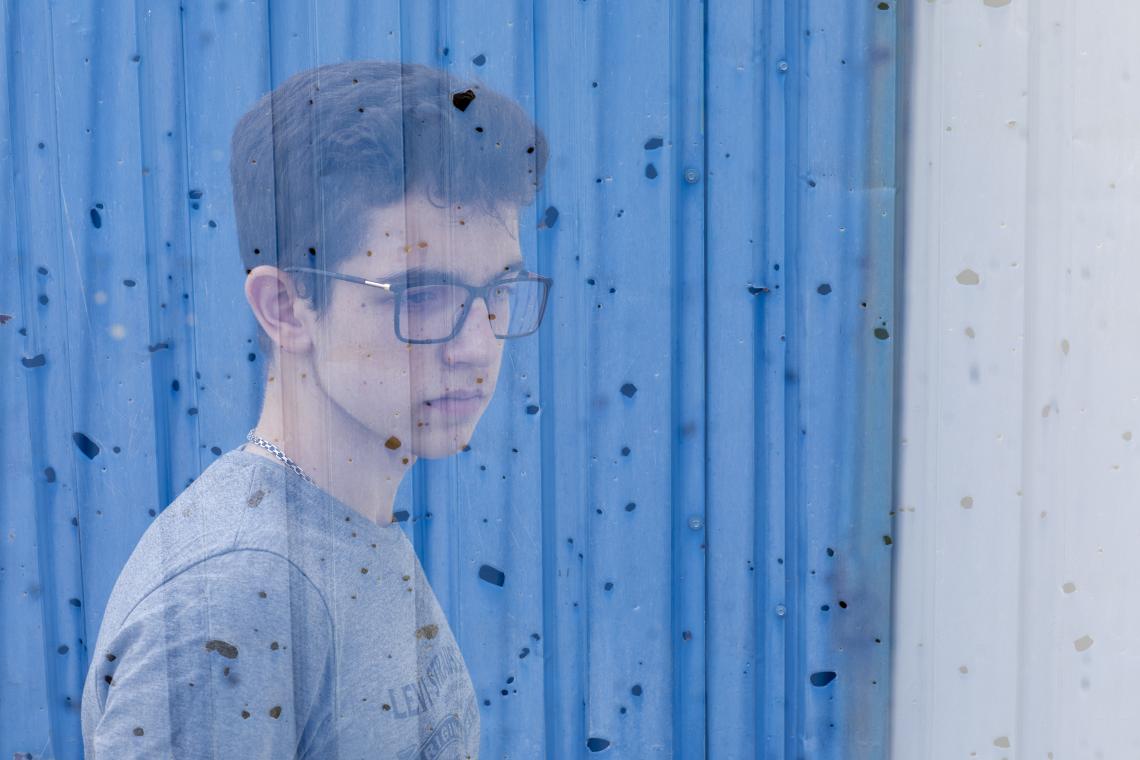
Fifteen-year-old Illia has no visible scars on his body from the shells and shrapnel that have fallen on his hometown in eastern Ukraine. They have left scars of a different kind. “I was standing in the kitchen when the shell hit us,” recalls the teenager. “In a split second there was an explosion. All I remember is that my ears were buzzing and I saw a yellow line of fire, then red, orange and fragments.” Over the years, his vision has deteriorated. Nights spent sheltering in a dark basement have only made it worse. And he is not alone – according to the United Nations Children’s Fund (UNICEF), the devastating conflict in eastern Ukraine is increasingly affecting children’s mental health, causing nightmares, social isolation and panic attacks. Nearly every child here is now thought to be in need of psychosocial support.
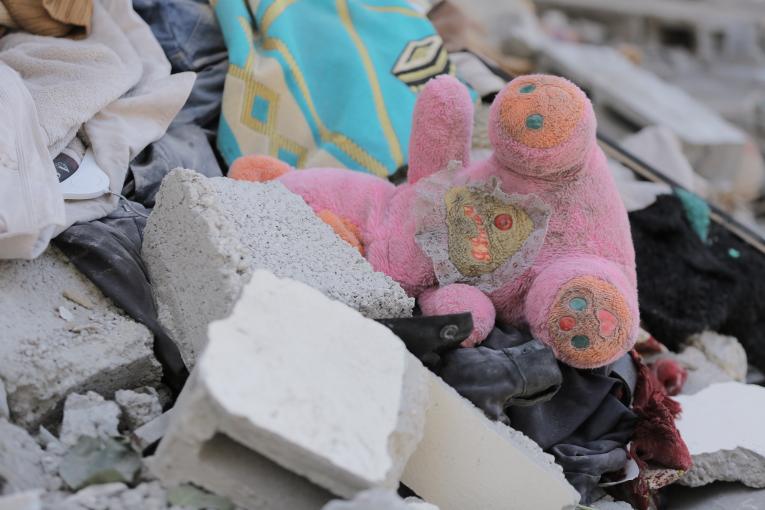
At an event to mark the occasion and to launch the 25th anniversary study, UNICEF's Executive Director, Henrietta Fore, said the mandate has achieved concrete results for children: "For example, since 2000, at least 170,000 children have been released from armed forces and armed groups, many having survived multiple violations – including abduction or sexual violence." The UN should continue to prioritize helping these children, who have suffered terrible violence, she added. "We should seize all opportunities to increase visibility and awareness of the terrible impact of conflict on children. We should be courageous in taking steps to end impunity and advance accountability for children in situations of armed conflict."
17-year-old Luissana shows us what her school day in Peru looks like amidst COVID-19.
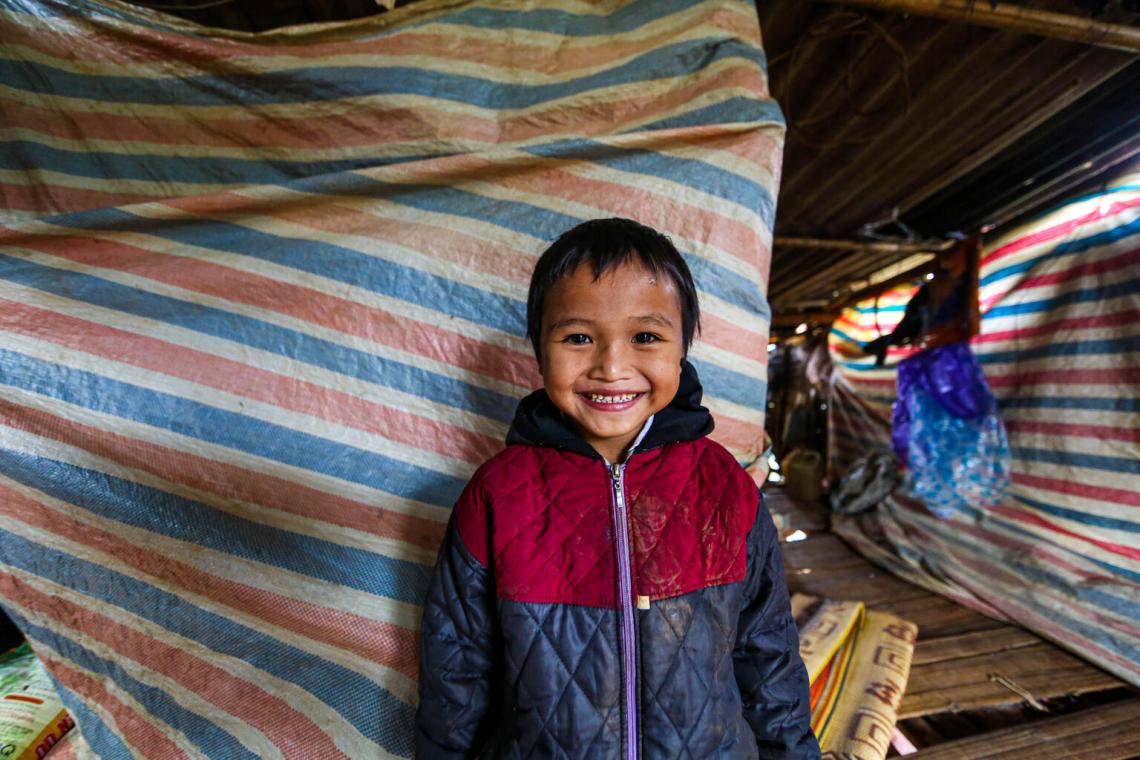
Ho Van Huy in central Viet Nam is happy to be drinking clean water. After storms and floods in the region affected nearly 2 million people in January, UNICEF provided emergency supplies, including water filters, to affected communities. Smiling is contagious and these happy children from around the world are sure to put a smile on your face! Find out what's been making them smile this year.
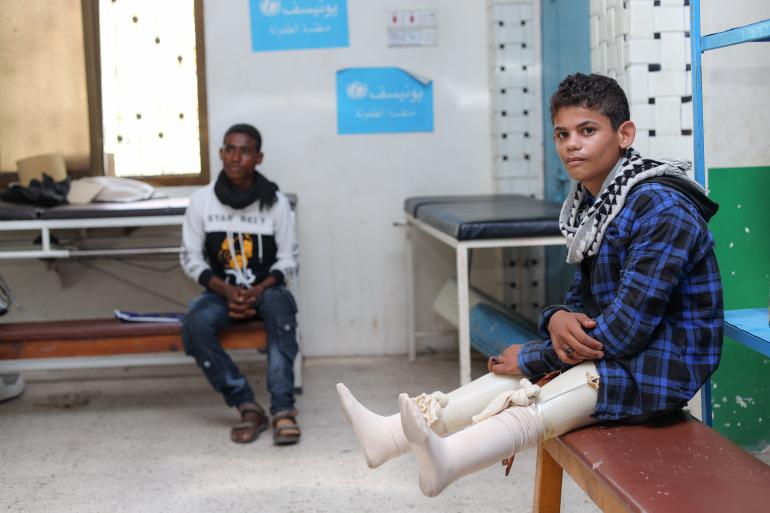
Grave violations of children’s rights in conflict are on the rise around the world, warns UNICEF. From Afghanistan to Yemen, and Syria to northern Ethiopia, thousands of children paid a devastating price as armed conflict, inter-communal violence, and insecurity continued. The first three months of 2021 saw a slight decrease in the overall number of verified grave violations; however, verified cases of abduction and sexual violence continued to rise at alarming rates - by more than 50 and 10 per cent, respectively, compared to the previous year.
We are living through an era of rapid and far-reaching transformation. As the world has changed — becoming more digital, more globalized, and more diverse — childhood is changing with it. The Changing Childhood Project — a collaboration of UNICEF and Gallup — was created to explore these shifts, and to better understand what it means to be a child in the 21st century. UNICEF asked young and older people in 21 countries what is it like to grow up in today’s world? And how do generations view the world differently? Dive in and discover the changing nature of childhood.
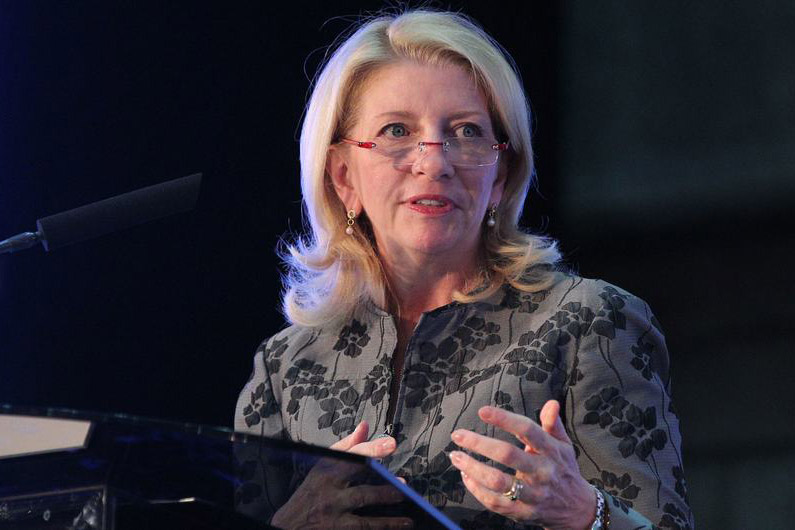
UNICEF has welcomed the announcement that Catherine M. Russell will succeed Henrietta H. Fore as UNICEF's chief. Ms. Russell is currently Assistant to the US President and Director of the White House Presidential Personnel.

UNICEF History: From the smoke and ashes of World War II, a refugee crisis emerged unlike any the world had seen. Out of this destruction, the United Nations International Children’s Emergency Fund (UNICEF) was stablished. UNICEF was created to ease the burden of the world’s most vulnerable children. UNICEF's mandate was clear: to help children and young people whose lives and futures were at risk – no matter what role their country had played in the war. In the photo essay "Emerging from the ashes of war: 1946–1979" you can explore how UNICEF has been the agency for children since its inception.

For 75 years, the United Nations Children’s Fund (UNICEF) has been working tirelessly for child rights and for the well-being of every child. Since its creation in the aftermath of World War II, on 11 December 1946, UNICEF has been at the frontlines of humanitarian crises, armed conflict and natural disasters. Today, the Agency works in over 191 countries and territories and in the world's toughest places to reach the children and young people in greatest need. Together, let's reimagine the future #ForEveryChild. #UNICEF75
As we celebrate her service on our 75th anniversary, watch newfound footage showing how much UNICEF really meant to our Goodwill Ambassador Audrey Hepburn. More information on UNICEF's 75th anniversary.