

“I love the river because I was born here. I want to take care of it even in small ways,” says Bakri, a 43-year-old river ranger volunteer in Depok City, Indonesia. He owns a small store along the riverbank, and his home borders Depok and Bogor, an area supported by the Ciliwung River, which flows over 100 kilometers to the Java Sea and serves over 3.8 million people. The Integrated River Basin Management (IRBM) Project aims to strengthen local governance for sustainable management of the Ciliwung River Basin, enhancing community engagement, especially among women and vulnerable groups. Financed by the Global Environment Facility and implemented by the United Nations Development Programme, the project focuses on reducing pollution and adapting to climate change in six countries of the Association of Southeast Asian Nations.
Natural Resources and the Environment
In the vibrant community of Medina Gounass, Senegal, Modou Fall, also known as the Plastic Man, is dedicated to advocating for a cleaner planet. He raises awareness about the dangers of plastic pollution and educates children on the urgent need for sustainable action to protect the environment.

Forests are vital for biodiversity, climate regulation, and agriculture. They help maintain soil fertility, regulate water cycles, and support biodiversity, which are essential for productive farming. Sustainable practices like agroforestry and crop rotation can reduce deforestation and land degradation. However, the growing demand for food can lead to unsustainable farming practices that harm forests. This interdependence underscores the importance of balancing forest conservation, food production, and ecosystem health for long-term sustainability. Addressing these connections is key to combating climate change, ensuring food security, and protecting forests. Innovative projects can help maintain this balance. On the occasion of the International Day of Forests (21 March) here are three examples of how food products and forests intersect to promote sustainable land use and community benefits worldwide.
Over half of our planet lies in the ocean's depths, a vast and mysterious world that remains largely unexplored. As part of the #OceanDecade, scientists worldwide are accelerating efforts to discover and understand the deep sea, crucial for its protection and sustainability.

2024 was the hottest year on record, with extreme events on the rise. Cyclones, heavy rain, floods, droughts, and wildfires are becoming more frequent. Early warning systems can save lives, livelihoods, and economies, by helping people prepare for natural hazards. Significant progress has been made. A decade ago, 52 countries had multi-hazard early warning systems; now, 108 do—but nearly half the world remains unprotected. Join us on World Meteorological Day 2025 (23 March) to support the Early Warnings for All initiative.
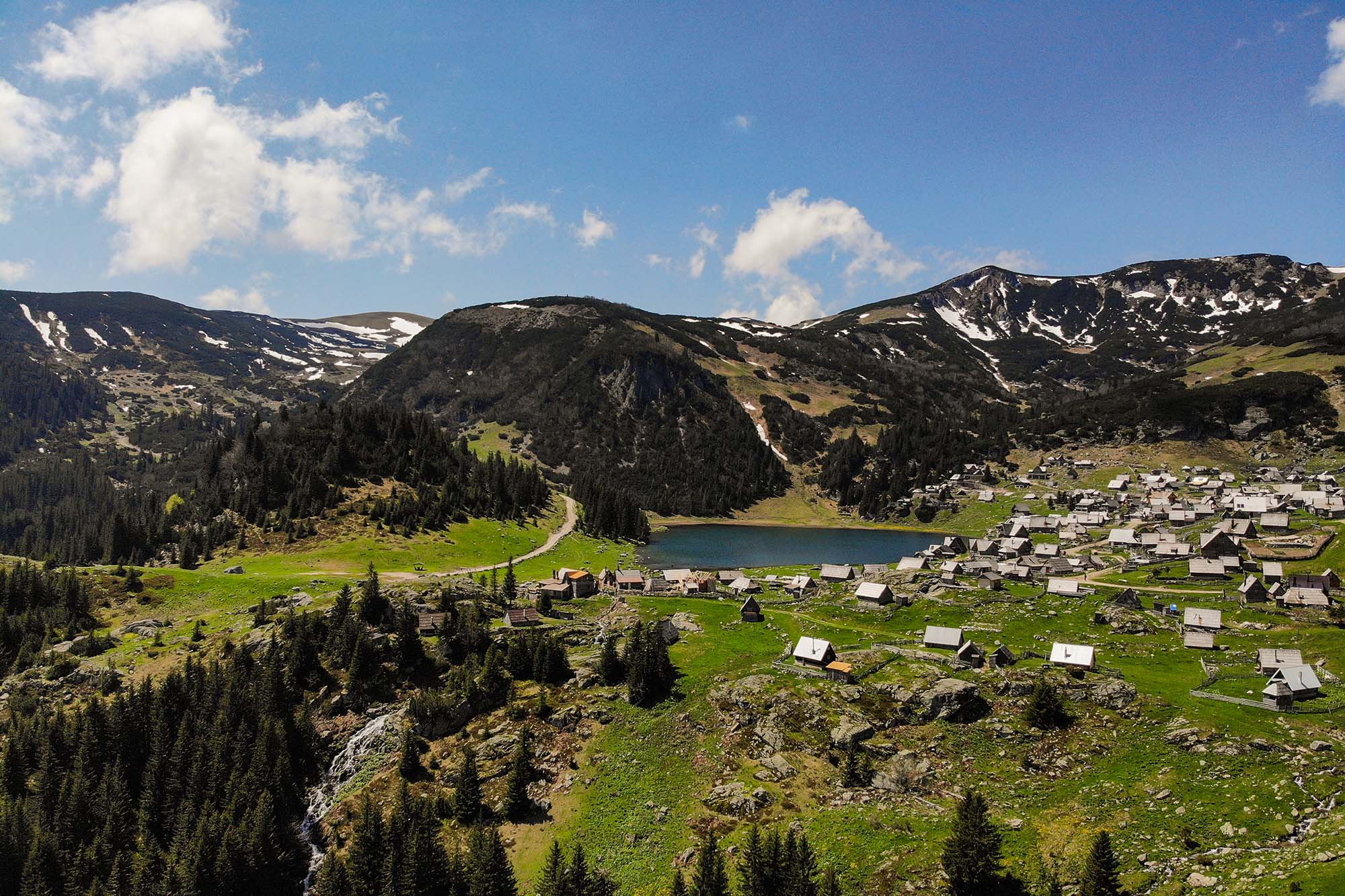
Lake Prokoško, located in the Vranica mountain range, is a stunning natural monument in Bosnia and Herzegovina. Declared a regional nature park in 1982 and a national nature monument in 2007, it faces threats from illegal construction and environmental degradation. Selma Kadrić Muharemović from the Public Utility Company ‘Šćona’ emphasizes the importance of protecting the lake through sustainable tourism initiatives like ecotourism, traditional crafts, and organic farming, supported by funding from protected area manager associations. In Bosnia and Herzegovina, women-led organizations are instrumental in preserving natural heritage. The five-year 'Sustainability of Protected Areas' project aims to enhance conservation and create opportunities for advocacy and empowerment. These efforts seek to ensure the protection of the country's rich biodiversity for future generations.

Forests are nature’s pantry—providing essential foods like fruits, seeds, and wild meat that nourish millions. They sustain agriculture, enrich soils, supply clean water, maintain biodiversity, and fight climate change back. Yet, deforestation and fires threaten this vital food source. This International Day of Forests 2025 (21 March), join us in celebrating “Forests and Food” to protect the green kitchen that feeds our world. We have multiple initiatives ready, thanks to FAO and the UN Forum on Forest!

Glaciers are melting faster than ever due to climate change. As our planet heats up, our frozen world is shrinking, making the water cycle unpredictable. For billions of people, meltwater flows are changing, causing floods, droughts, landslides and sea level rise. Protecting glaciers is essential for survival. This World Water Day (22 March), be part of the global ‘Glacier Preservation’ campaign. Everyone – from individuals to governments – must help reduce global warming and adapt to shrinking glaciers. Join our events and watch the celebration!

Glaciers are essential to Earth's ecosystem, serving as key freshwater reservoirs and indicators of the planet's health. They provide water to millions, regulate sea levels, and support biodiversity. Yet, these frozen giants are under threat. Three Olympic-sized pools of ice melt every second. Rising global temperatures are causing glaciers to retreat rapidly, leading to water scarcity, higher sea levels, and more natural hazards. World Day for Glaciers (21 March), along with the Decade of Action for Cryospheric Sciences (2025-2034), urges us all to protect their vital role in sustaining life for future generations.

Calixta is a 51-year-old community leader in Tornabé, an Afro-Honduran Garífuna community in Atlántida’s Tela municipality, where even just an hour of rain can wreak havoc. For people like Calixta, Tropical Storm Sara and a subsequent cold front in November 2024, which caused severe flooding and landslides and affected nearly a third of the country, weren’t just another event; they were a reminder that storms don’t end – they return. The storms led to health concerns, particularly with a rise in dengue fever, prompting a national health emergency in May 2024. The recently launched Honduras Humanitarian Needs and Response Plan for 2025 aims to assist 800,000 people. It requires US$138 million for the National Humanitarian Forum’s efforts in support of Government-led relief and recovery operations.

The Dindéfélo Community Nature Reserve in southeastern Senegal, established by 12 villages, blends conservation, sustainable agriculture, and community development, while supporting biodiversity and indigenous livelihoods.

Angelbert Johnny, a 47-year-old from the Wapichan territory in Guyana, has been involved in environmental conservation for over 20 years after noticing a decline in local wildlife. He joined a group of friends to found the South Rupununi Conservation Society (SRCS) to protect the endangered Red Siskin bird. Initially a ranger, Angelbert later managed a new project focusing on conserving the giant armadillo and giant anteater in three South Rupununi communities. Launched in late 2023, the project aims to integrate traditional knowledge with scientific research to reverse the decline of these species. SRCS plans to establish community conservation agreements and create up to 120,000 hectares of Community Conservation Zones to be recognized on the ICCA Registry.

Wildlife and biodiversity are essential to our well-being. To keep enjoying nature’s beauty and benefits, ecosystems must thrive and species must persist for future generations. World Wildlife Day (3 March) celebrates the diversity of life and reminds us to act urgently to revert biodiversity loss. The 2025 theme, “Wildlife Conservation Finance: Investing in People and Planet” calls for more effective and sustainable financial support to build a resilient future, as over one million species are threatened with extinction. Spread the message!

Saiasi Sarau, a Fijian sailor, has a deep connection to the ocean, which has sustained him since childhood. After starting as a fisher, he became a captain and now works as a fisheries observer in the Cook Islands in the southern Indian Ocean. His role involves collecting scientific data on catch and bycatch, as well as monitoring seabird interactions to ensure ecosystem safety. Currently in Mauritius for a workshop on scientific observation in deep-sea fisheries, organised by the Common Oceans Deep-sea fisheries project and led by the Food and Agriculture Organisation of the United Nations (FAO), Saiasi joins peers from various countries to learn standardized procedures for data collection. The workshop emphasizes the importance of independent observers and responsible fisheries management, especially after previous overfishing led to ecosystem damage.
UN Trade and Development's BioTrade Initiative promotes sustainable biodiversity conservation, fostering economic development through responsible trade practices while benefiting local communities and aligning with global agreements like the Convention on Biological Diversity (CBD) and Convention on International Trade in Endangered Species of Wild Fauna and Flora (CITES).