

The revival of Chile’s Cahuil Lagoon showcases sustainable conservation’s success, as wetlands globally decline by 85% since 1700s, threatening ecosystems due to climate change and urbanization.
Natural Resources and the Environment
The UNESCO 2025 exhibition raises awareness on preserving glaciers, highlighting their importance and fragility in the face of climate change.

The MangRes Project in Tumbes, Peru, fosters environmental awareness and community-driven conservation efforts to protect mangrove ecosystems through education and youth engagement.

Wetlands are critical to people and nature. Although they cover only around 6% of the Earth’s land surface, 40% of all plant and animal species live or breed in wetlands. Their biodiversity matters for our health, food supply, tourism, and jobs. They provide essential ecosystem services, such as water regulation, and about one in eight people on Earth depend on them for their livelihoods. Yet they are among the ecosystems with the highest rates of decline. This World Wetlands Day (2 February), let’s encourage governments and communities to value and prioritize wetlands.

Thawing Arctic permafrost, accelerated by climate change, could release dormant, deadly microbes and pathogens, posing a growing threat to both human health and the environment.

In a year marked by crises, 2024 also brought moments of triumph and reasons for hope. From groundbreaking business innovations to examples of remarkable resilience during crisis, here are some stories that remind us that positivity and creativity still thrive even in the most turbulent times.

Glaciers are crucial for regulating the global climate and providing freshwater, essential for billions of people, animals, and plants. However, these vital resources are rapidly melting due to climate change, driven mainly by human activities since the 1800s. The United Nations has designated 2025 as the International Year of Glaciers' Preservation to highlight the importance of glaciers and ensure that those affected by glacier´s melting receive the support they need. Follow the official year’s launch (21 January, 2pm, CET) and join WMO and UNESCO to spread the word for glaciers.
Every year since 2005, UNEP honours individuals and organizations working on innovative and sustainable solutions to address the triple planetary crisis of climate change, nature and biodiversity loss, and pollution and waste.
In 2024, UNEP honours six bold environmental leaders working on innovative and sustainable solutions to restore land, enhance drought resilience, and combat desertification.

After two weeks of negotiations, COP16 in Riyadh, Saudi Arabia, concluded with commitments from nearly 200 countries to prioritize land restoration and drought resilience policies. Nations pledged $12 billion to tackle land degradation, desertification and drought, especially addressing the most vulnerable countries. Agreements included creating caucuses for Indigenous Peoples and Local Communities, advancing science-based policies, and promoting private-sector engagement initiatives. COP16 set the foundation for a global drought regime, to be finalized at COP17 in Mongolia by 2026.
The Global Fund for Coral Reefs aims to protect climate-resilient coral reefs and transition coastal economies to "ocean-positive" practices.

In Tambiri, women like Dabiré Ngalle are leading efforts to preserve shea trees, vital for their livelihoods, amidst an escalating ecological crisis.
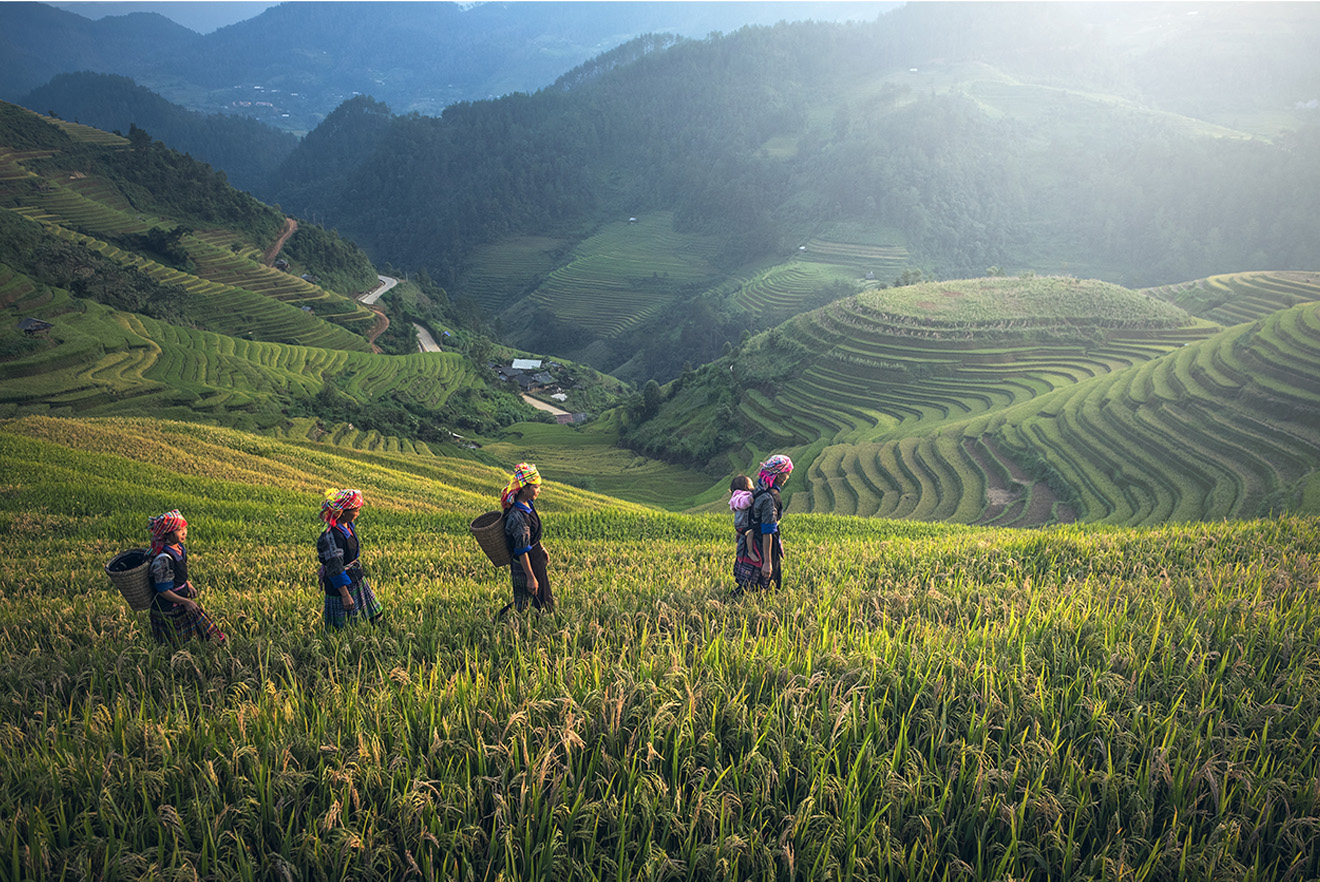
Mountains cover about 27% of the Earth's land surface, they are home to around half of the world's biodiversity hotspots and provide fresh water for half of humanity. But they are increasingly threatened by climate change and overexploitation. This International Mountain Day (11 December), under the theme "Mountain solutions for a sustainable future – innovation, adaptation and youth", the observance focuses on engaging youth to develop innovative and adaptive strategies to ensure the resilience and sustainability of mountain ecosystems.

Educational forests in Bolivia blend formal education with indigenous knowledge, promoting environmental awareness and cultural preservation.

The year 2023 was recorded as the hottest year on Earth, and 2024 is projected to break that unwelcome record. Extreme weather has become the "new abnormal," with droughts, storms, floods, and wildfires occurring more frequently, lasting longer, and increasing in intensity. New data released by the United Nations Population Fund (UNFPA) and the Internal Displacement Monitoring Centre shows how extreme weather and disasters are severely impacting poor and vulnerable women and girls on the front lines of the climate crisis. Of the 14 countries most vulnerable to climate change, six are among the 10 countries with the highest maternal death rates: Afghanistan, Central African Republic, Chad, Nigeria, Somalia and South Sudan. Unless sufficient investments are made toward improving maternal health outcomes in these countries, severe weather events will only heighten the dangers of pregnancy and childbirth.
