

The year 2024 will be marked by a number of events and observances with important implications for the environment, biodiversity, and global sustainability. From advancing sustainable nitrogen management to fostering inclusive collaboration for biodiversity and addressing critical threats like antimicrobial resistance, the UN Environment Programme (UNEP) will work to support multilateralism, science-based dialogue and actions, innovation, partnerships for people and planet and much more. See some key international events and meetings planned.
Natural Resources and the Environment
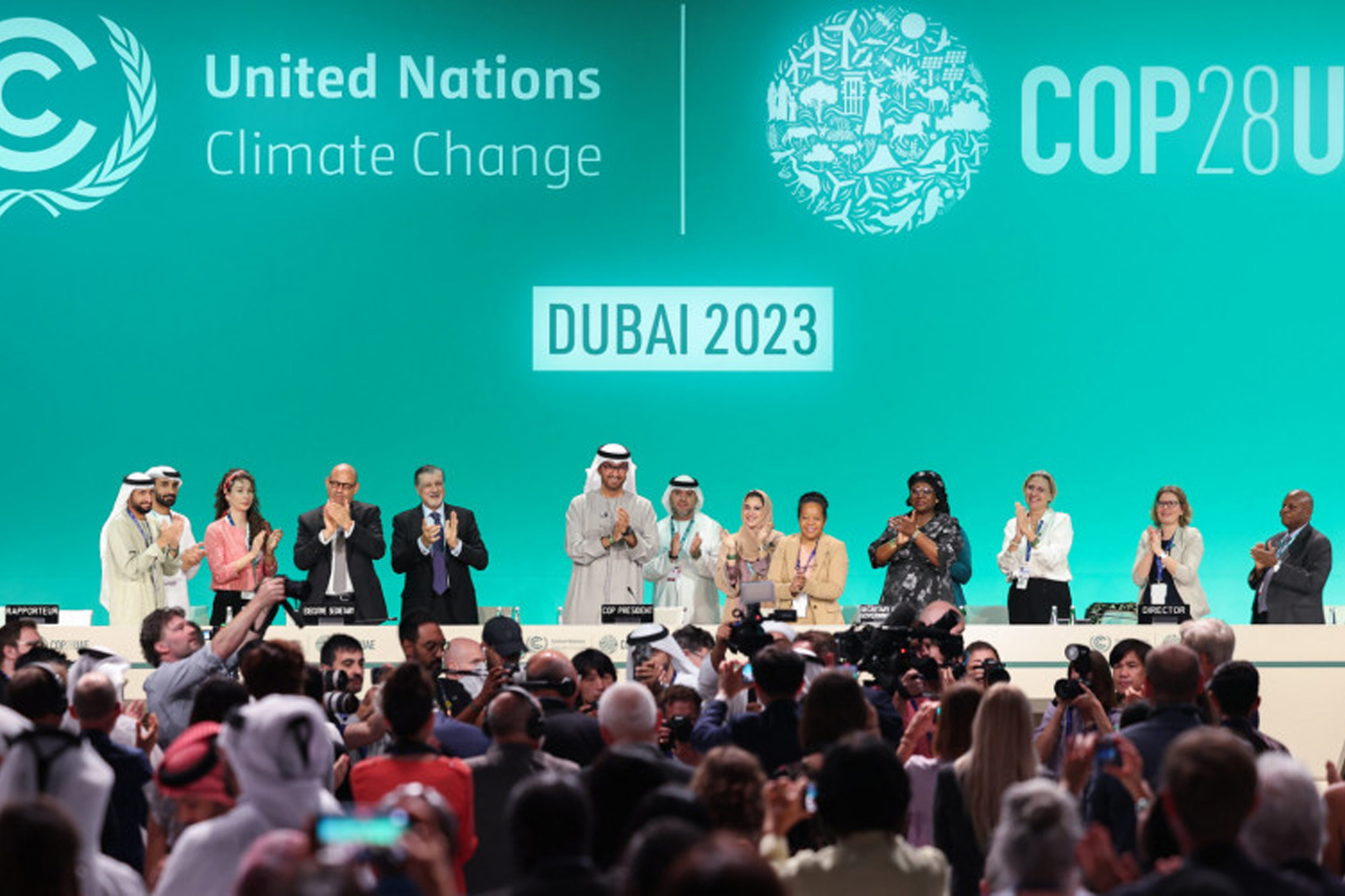
The UN Climate Change Conference (COP28) concluded with an agreement that sets the stage for a “swift, just and equitable” transition away from fossil fuels and towards deep cuts in emissions and increased financing. The conference also established a 'global stocktake' to track climate action before the end of the decade and keep the global temperature limit of 1.5°C within reach. The stocktake recognizes the need to cut greenhouse gas emissions by 43% by 2030 and calls for a tripling of renewable energy capacity and doubling of energy efficiency improvements by 2030. Parties are encouraged to set ambitious emission reduction targets in their next round of climate action plans (known as nationally determined contributions) by 2025.
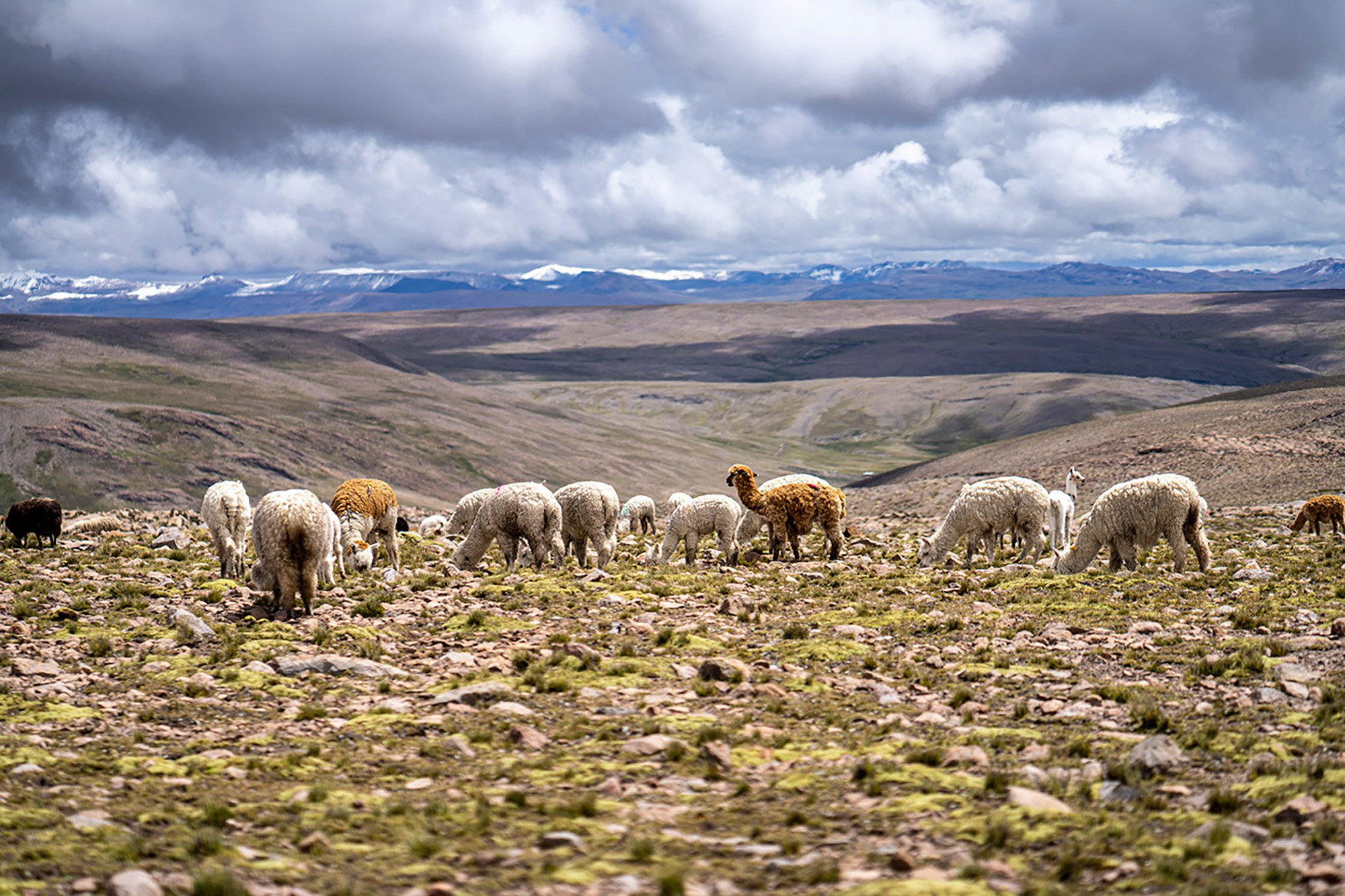
Camelids are key to the livelihoods of millions of households across over 90 countries. From alpacas to Bactrian camels, dromedaries, guanacos, llamas, and vicuñas, they are a source of meat, milk, fiber, fertilizer, and transportation in hostile environments like deserts and highlands where other livestock species cannot survive. The International Year of Camelids 2024 aims to build awareness of the untapped potential of camelids in building resilience to climate change and to advocate for greater investment in the camelid sector.
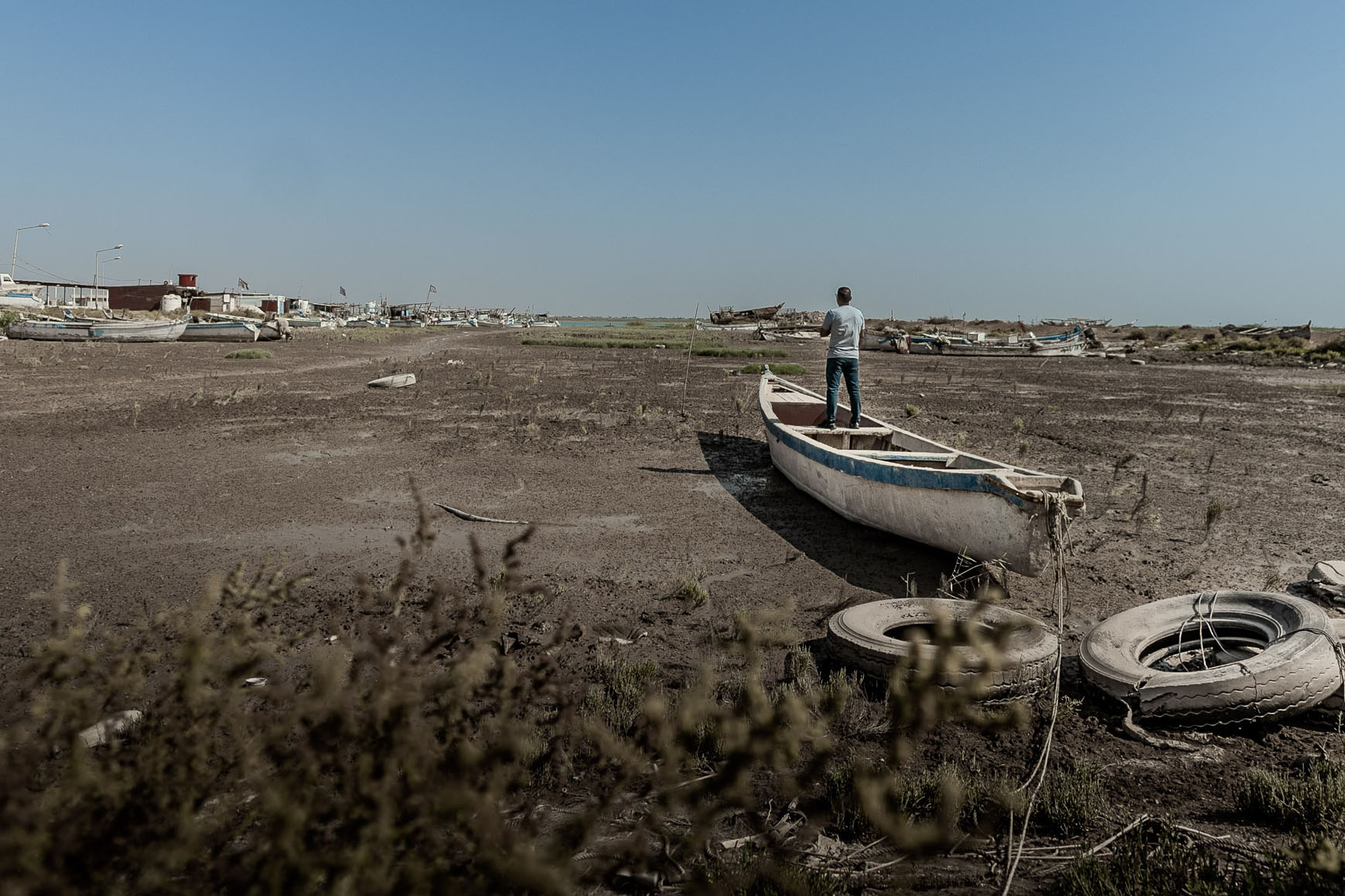
Rural-urban migration in response to environmental degradation and natural hazards is rising at an alarming rate as families seek employment in urban areas.
Mountains are natural treasures that we must cherish. They are home to 15% of the world´s population, host about half of the world's biodiversity hotspots, and provide fresh water to half of humanity. Unfortunately, they are threatened by climate change, contamination, and overexploitation. International Mountain Day 2023 (13 December), under the title “Restoring mountain ecosystems”, aims to raise awareness about the relevance of mountain ecosystems and calls for solutions and investments that increase the ability of mountains to adapt to daily threats and extreme climatic events.
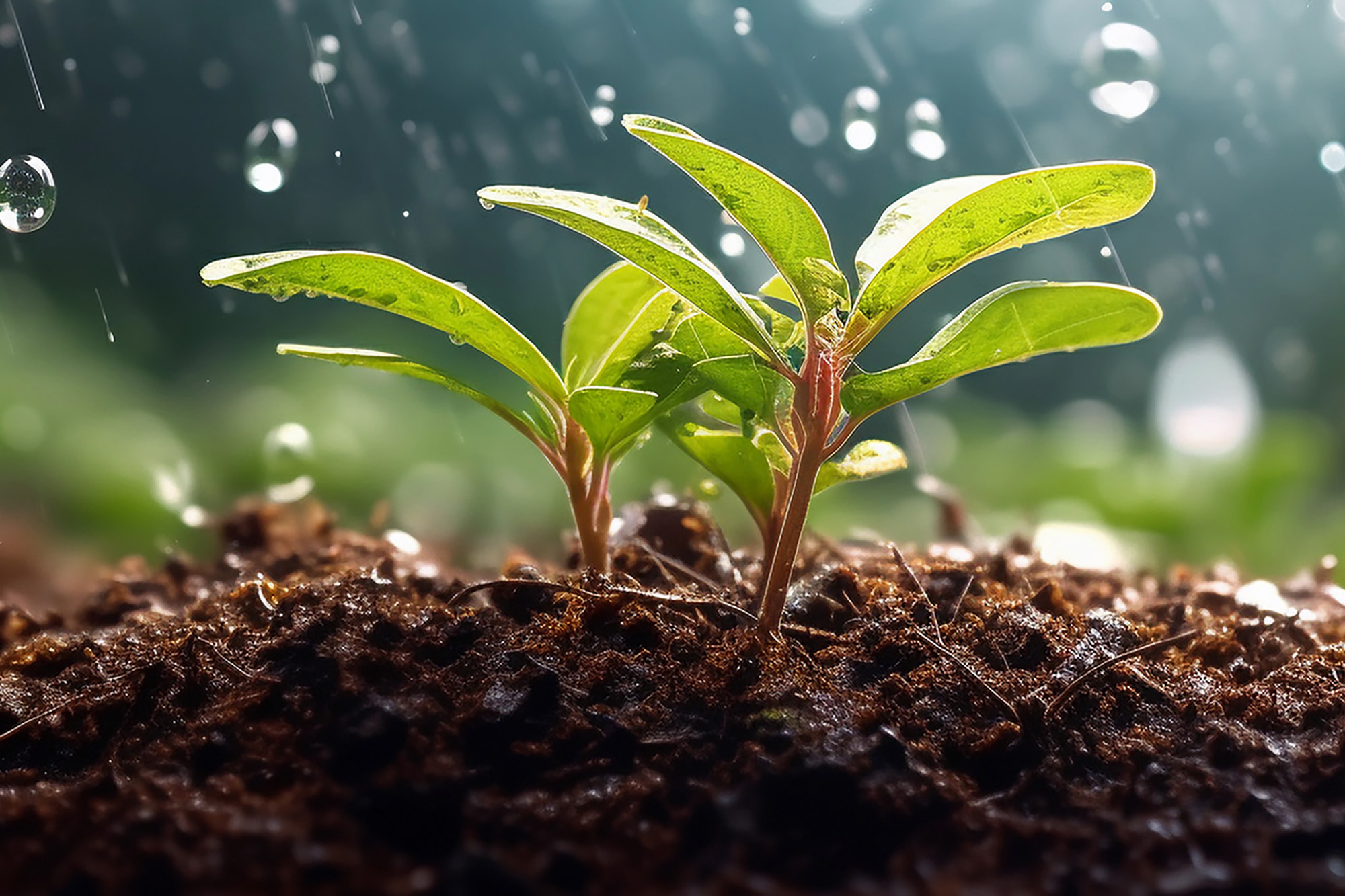
Our planet’s survival depends on the delicate balance between soil and water, a precious link that generates over 95% of our food. However, climate change and human activity are degrading soils and straining water resources. World Soil Day 2023 (5 December), led by FAO, defends the need for sustainable practices to combat soil erosion and pollution, enhance soil health, and aid water storage. Achieving those needs would be crucial to create sustainable food systems, and even mitigate climate change. Join FAO’s campaign, and use its materials to spread the message.
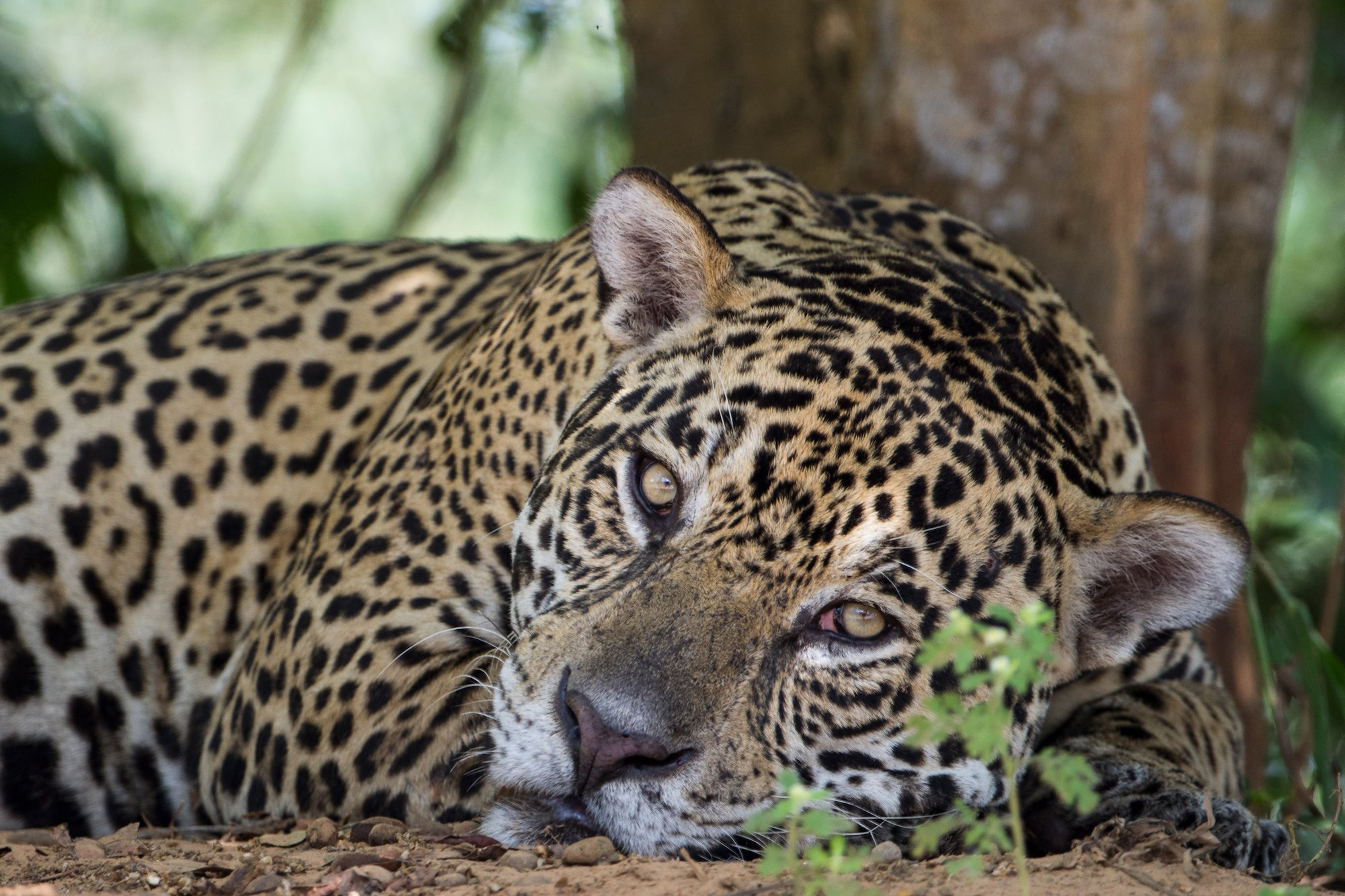
The Montes del Aguacate Biological Corridor is located in the western part of Costa Rica's Central Valley. It serves as a link between Protected Wildlife Areas and Protected Zones, promoting biological connectivity. The area is home to several rural communities with scarce job opportunities and low human development. However, the inspiring story of María Olivia Rodríguez Vasquez and Jesús María Molina Salas shows that this doesn't have to be the case. Over 30 years ago, they started farming livestock on a 20-hectare land, and with the support of the Global Environment Facility Small Grants Programme, which is implemented by the United Nations Development Programme, they have been able to make a living out of it.

UNEP has released its 2nd global report which provides an essential toolbox of approaches for strengthening the implementation and enforcement of environmental law.
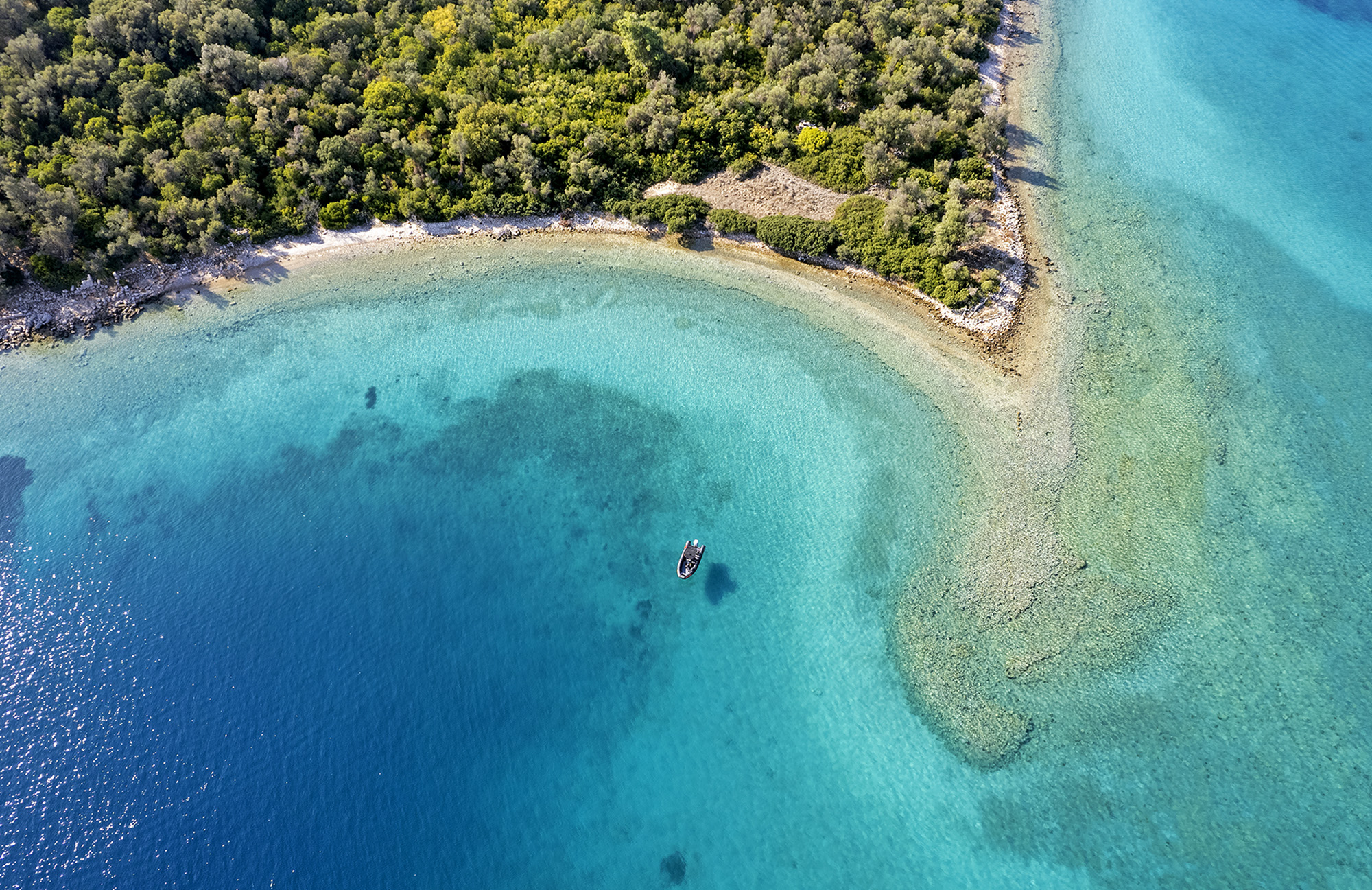
Gökova Bay, a sparkling blue body of water on the Mediterranean coast off Türkiye, is one of the world’s biodiversity hotspots and one of the most successful marine ecosystem conservation initiatives. This is in large part thanks to Zafer Kizilkaya and the efforts of his organization, Mediterranean Conservation Society, a UNDP Equator Prize winner. At its outset, the organization focused primarily on the creation of marine protected areas, which allowed fishing but limited development, and included no-take zones, which forbid all fishing and were critical to fully restoring marine ecosystem functions after years of overfishing. The organization still maintains the highest level of respect and reverence for the small-scale fishermen who have accumulated generations of knowledge about local fishing conditions of this Mediterranean spot.
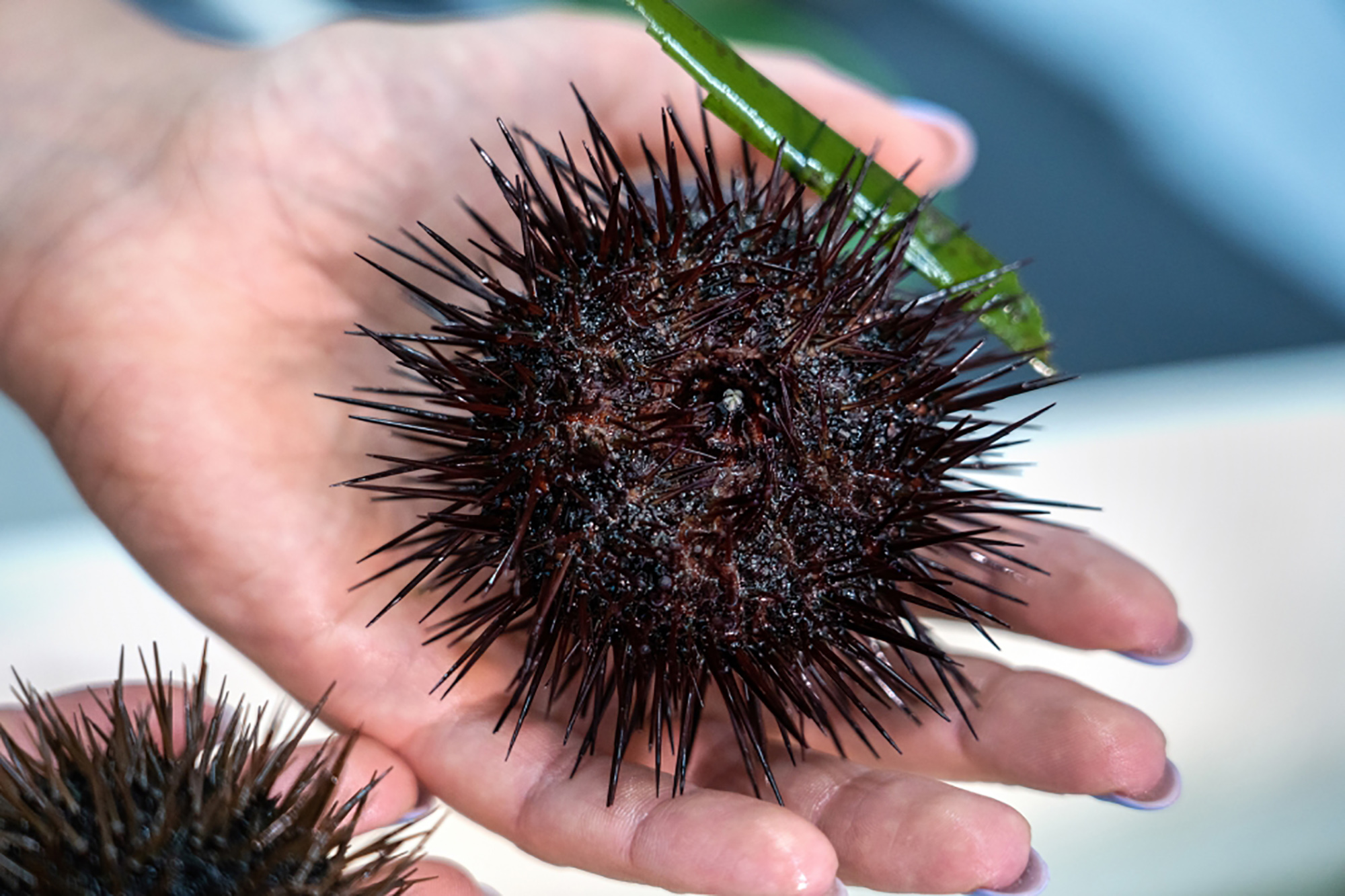
The sea urchin is considered a culinary delicacy in many countries and faces the threat of overfishing in some areas. However, while some sites are lacking in the species, other areas are experiencing excessive sea urchin populations that can lead to the depletion of algae and other marine vegetation, so-called sea urchin barrens. These two contrasting situations call for individualized solutions. FAO is helping countries and farmers tackle these two issues by creating specific guidelines for restorative aquaculture and helping with the removal of urchins and their sale in culinary markets, helping to restore algae populations while enhancing the value of these species.
A healthy environment is a basic human right, advocates Francisco Vera, the 13-year-old Colombian Climate Human Rights defender.

Despite its widespread use, mercury has been known for centuries to be toxic. Adopted in 2013, the Minamata convention aims at stepping up action on mercury pollution to help attain a pollution-free planet.

In its natural state, tropical peat occurs in flooded swamps and is one of nature’s most effective ways of removing carbon from the atmosphere, helping to mitigate global warming. When peat catches fires, it releases up to ten times more carbon than forest fires. Indonesia is home to 40 per cent of the world’s tropical peatlands, and they hold up to 57 billion metric tonnes of carbon. It is indisputable that the protection and restoration of the Indonesian peatlands is vital for the planet. As part of this, UNOPS and partners are supporting communities that are at the forefront of peatland restoration and conservation by strengthening cooperation between villages.
Given that many nations that are at a high risk of disasters are also the ones that have a significant proportion of the population living below the national poverty line, UNDRR is urging individuals to take action to put an end to the vicious cycle of disasters and worsening inequality.
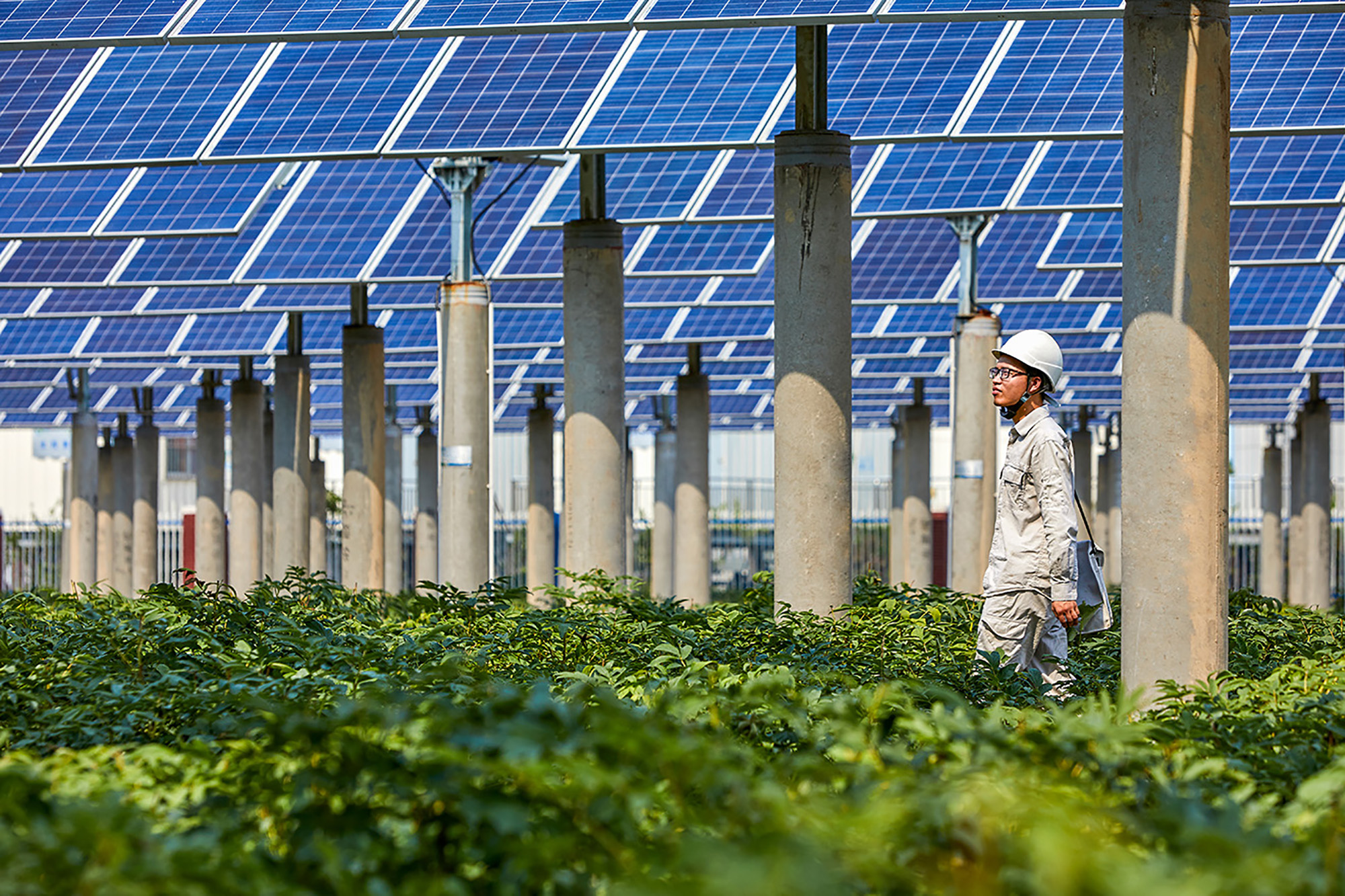
The Asia-Pacific region accounts for more than 40% of global energy consumption and over 50% of greenhouse gas emissions. Its rapid energy demand growth will persist, posing challenges for energy security, affordability, and climate change mitigation. To address these challenges and promote a cleaner, more resilient, interconnected energy future, the U.N. and Thailand will co-host the 3rd Asian and Pacific Energy Forum (19-20 October). The event brings together energy leaders, policymakers, and experts to find solutions to these problems. Check out the program and follow the event!