
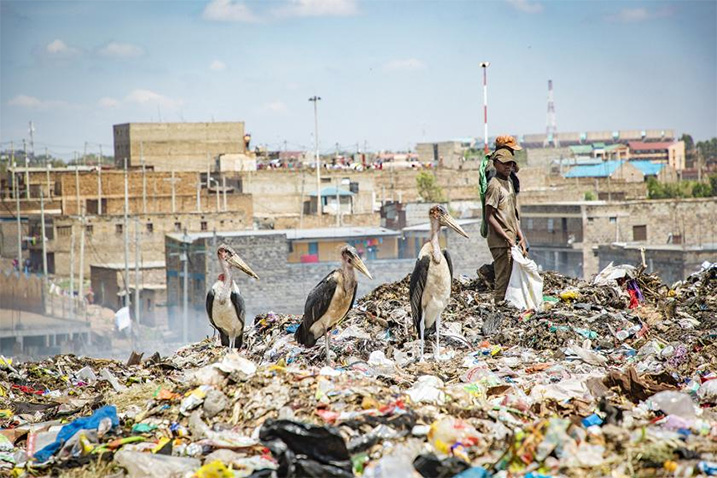
Plastic is predominantly produced from oil and gas, both of which are fossil fuels. The more plastic we make, the more fossil fuel is required, the more we intensify the climate crisis. Also, plastic products create greenhouse gas emissions across their whole lifecycle. If no action is taken, greenhouse gas emissions caused by plastic could account for 19% of the Paris Agreement's total allowable emissions in 2040 to limit warming to 1.5 degrees Celsius. Read more about climate change.
Natural Resources and the Environment
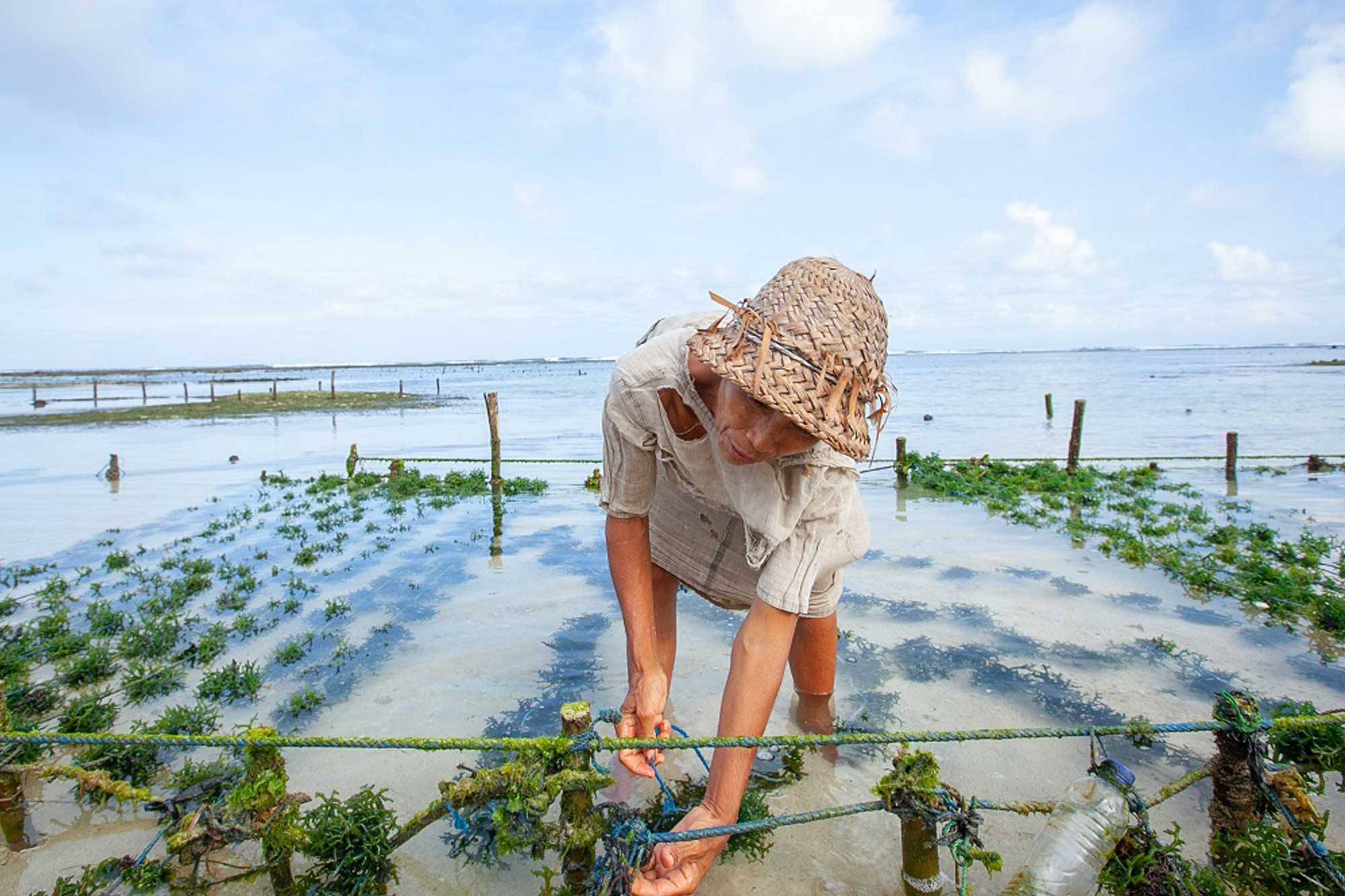
The world traded about 369 million tonnes of plastics in 2021 – enough to fill over 18 million trucks. The queue would wrap around the globe 13 times! Since less than 10% of all plastics produced have been recycled, most of the products will end up littering our streets and flooding our seas. But nature abounds in sustainable materials (bamboo, sand, banana plants, algae) that could be used to make eco-friendly versions of straws, shopping bags, bottles, food wrappers and other plastic products.
Plastic substitutes could cut global plastic waste by around 17% by 2040 – about 63 million tonnes less, or 3.5 million fewer trucks in the queue. “Besides the benefits to the planet, the shift offers economic opportunities,” said Henrique Pacini, an UNCTAD economist working on trade and environment issues. “But countries and companies have to work together and across borders to scale up production and reduce trade barriers."
Systemic change is needed to stop the flow of plastic waste ending up in the environment. Plastic waste — whether in a river, the ocean, or on land — can persist in the environment for centuries. UNEP highlights how innovation in plastic recycling, waste collection, and trade is key to beating the plastic pollution crisis.
Traditional knowledge serves
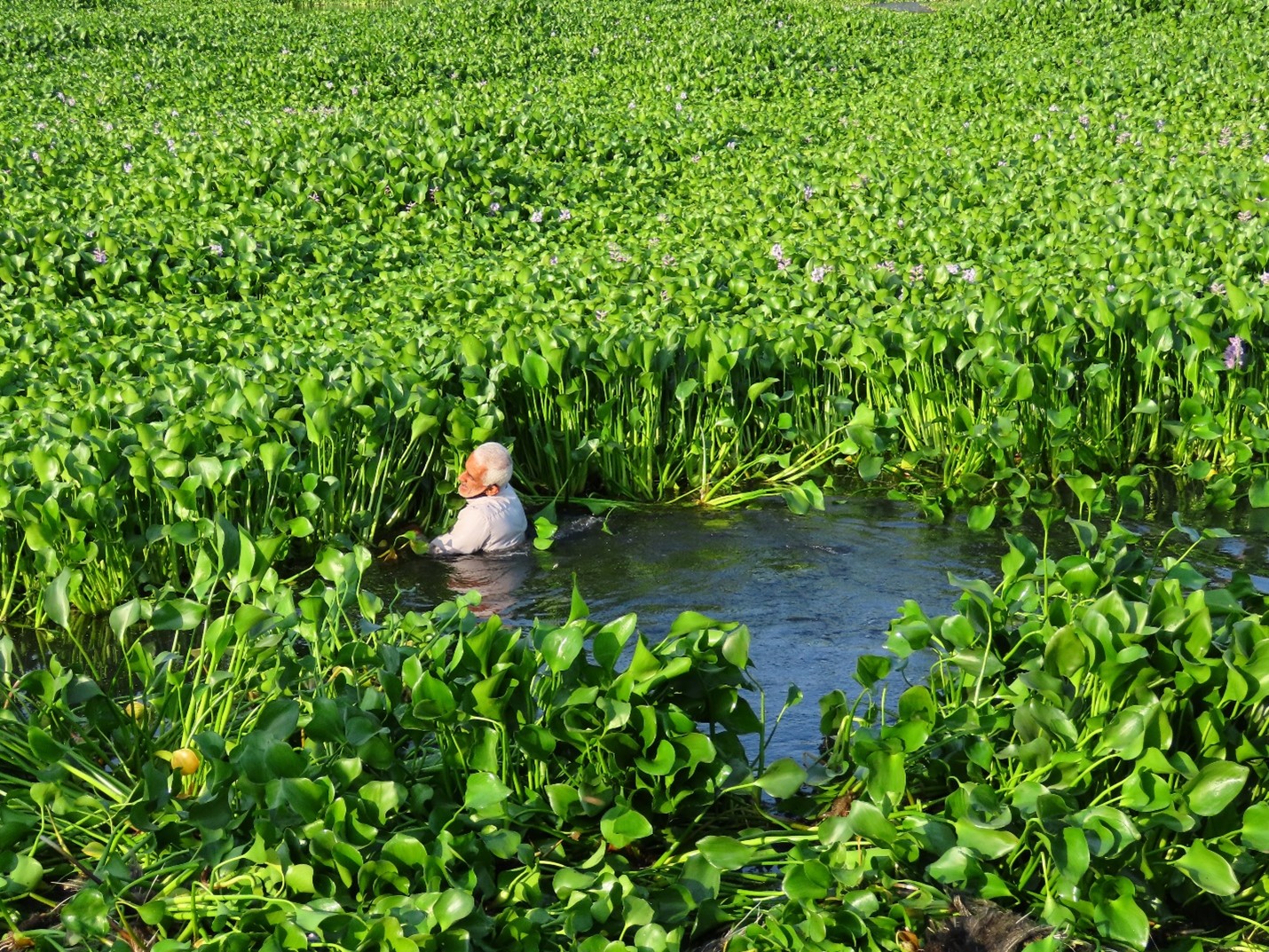
Iran’s wetlands, the ab-bandaans, serve as vital environments for the protection of biodiversity, indigenous culture, and related environmental and economic functions. UNDP highlights how the locals are having challenges conserving this important ecosystem as a result of overlooking traditional conservation methods leading to the rise of fertilizer runoff, toxic waste pollution and the presence of invasive species. Through the UNDP ICCA-GSI partnership, they have embarked on a project to document wetlands biodiversity, traditional conservation knowledge and practices, and the factors leading to biodiversity loss.
Meet Apollo, an influencer from the Metaverse with a message to share! The Ozone secretariat and Apollo have partnered to raise awareness about how we can combat climate change and protect Earth's environment. Here, you’ll learn about the Montreal Protocol, the difference between HFCs and CFCs and how we can take action to save our planet.

Wetlands cover only around 6% of the Earth’s land surface, but 40% of all plant and animal species live or breed in them. Wetland biodiversity matters for our health and our food supply, tourism, and jobs. But they disappear three times faster than forests and are Earth’s most threatened ecosystem. We must raise global awareness about wetlands to reverse their rapid loss and encourage actions to conserve and restore them. World Wetlands Day (2 February) is the ideal time to increase people’s understanding of these critically important ecosystems.
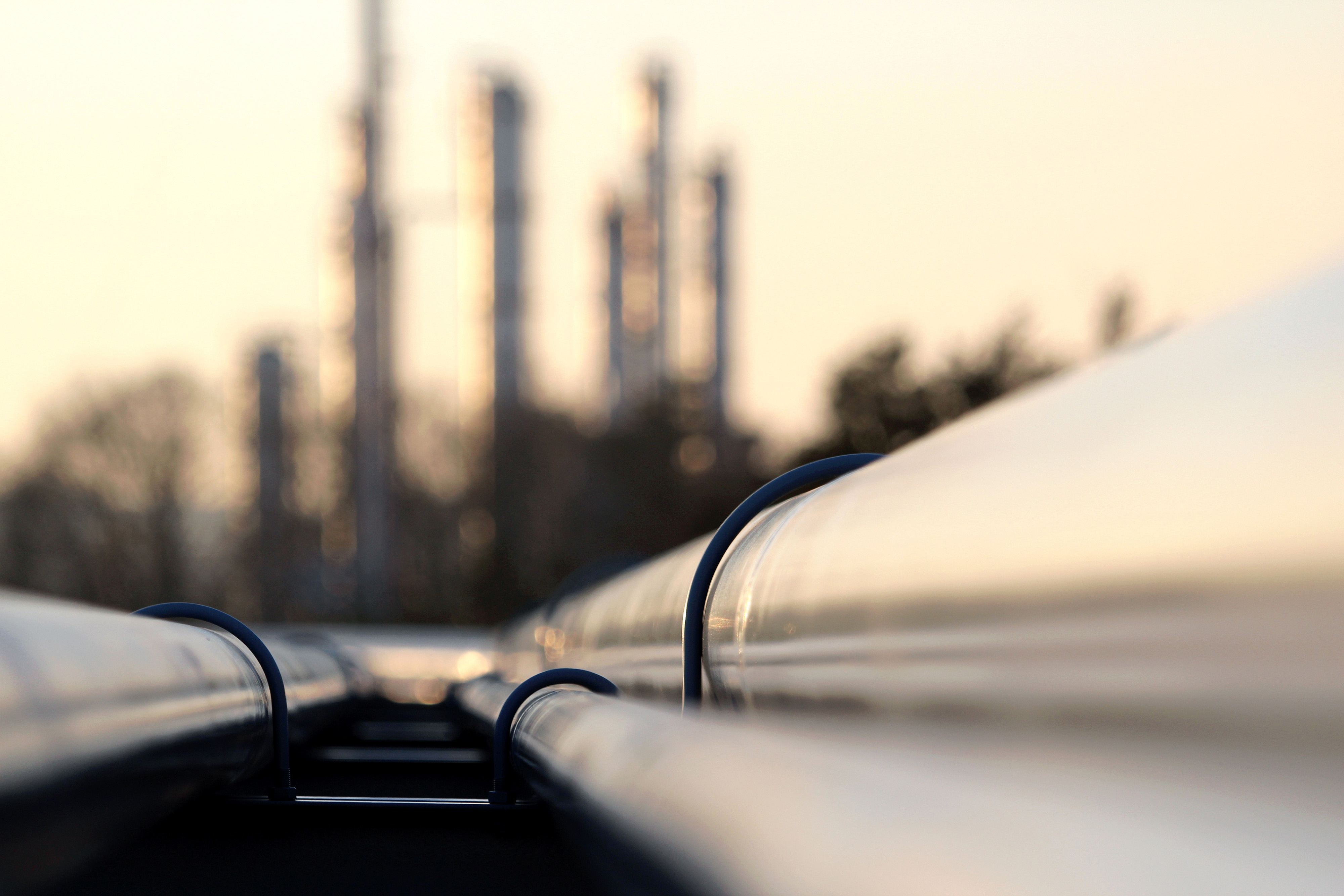
Natural gas has long been billed as a good steppingstone to replace coal with renewable energy. As solar arrays and wind farms are being built, the theory goes, natural gas can be a stand-in for “dirtier” fuels, like coal and, in some cases, oil. But research indicates that emissions of methane – the main constituent of natural gas – that occur during its extraction and transport mean natural gas isn’t as climate-friendly as once thought. UNEP tells us about the role natural gas should play in reducing emissions and the transition to a renewable energy future.
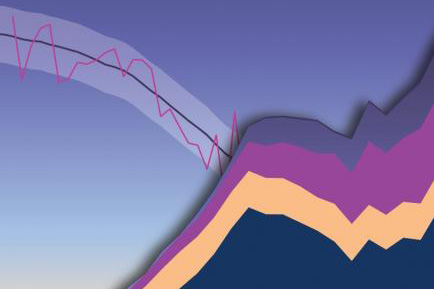
WMO reports that the ozone layer is on track to recover within four decades, with the global phaseout of ozone-depleting chemicals already benefitting efforts to mitigate climate change. A UN-backed panel to the Montreal Protocol on Ozone Depleting Substances quadrennial assessment report, published every four years, confirms the phase out of nearly 99% of banned ozone-depleting substances has succeeded in safeguarding the ozone layer, leading to notable recovery of the ozone layer in the upper stratosphere and decreased human exposure to harmful ultraviolet (UV) rays from the sun.
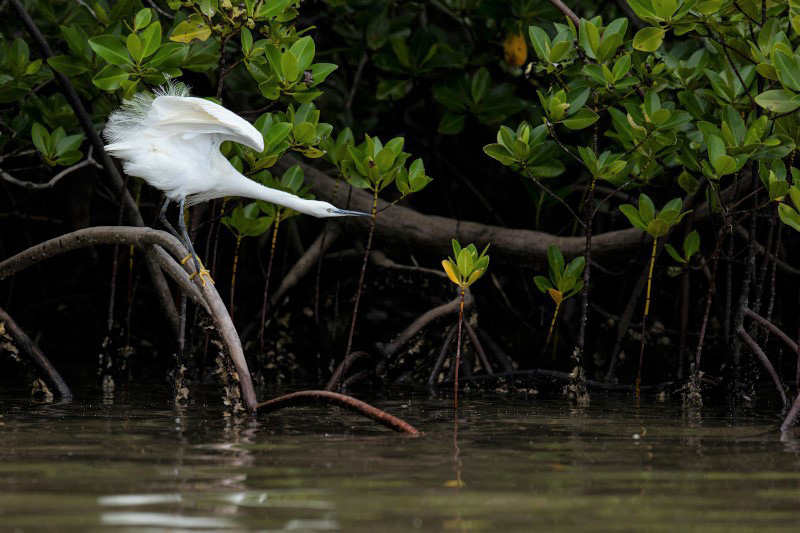
UNEP reports on the landmark agreement to guide action on nature through to 2030 resulting from the United Nations Biodiversity Conference (COP15). 188 governments adopted the Kunming-Montreal Global Biodiversity Framework aiming to address biodiversity loss, restore ecosystems and protect indigenous rights. The plan includes concrete measures to halt and reverse nature loss, including putting 30 per cent of the planet and 30 per cent of degraded ecosystems under protection by 2030. It also contains proposals to increase finance to developing countries – a major issue during talks.
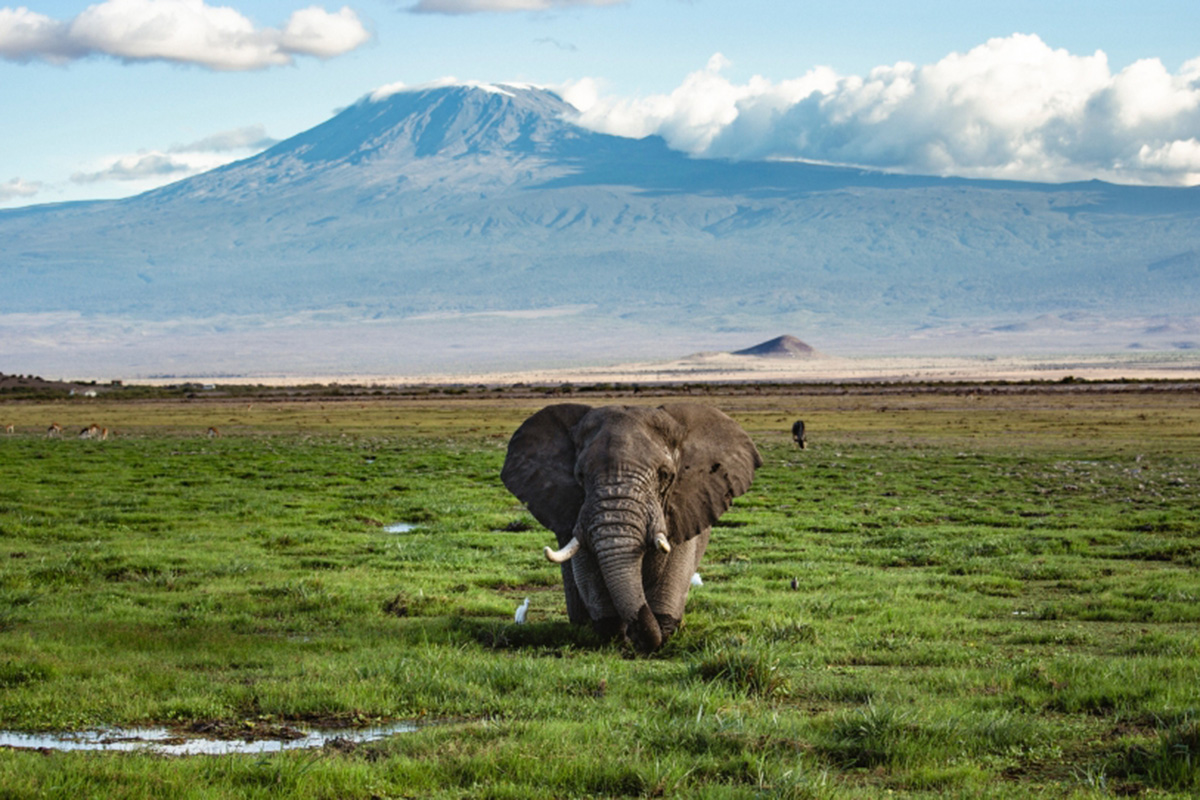
In March, a recycled plastic gavel hammered down sealing a global resolution to work towards ending plastic pollution, long considered one of the planet’s most pressing environmental blights. The agreement was one of several major environmental accords forged in 2022, which observers have called a historic year for the planet. In pacts, many shepherded by UNEP, that unfolded from March to December, nations large and small committed to addressing everything from the fallout of climate change to a looming extinction crisis. Here's a closer look at 2022’s environmental milestones.
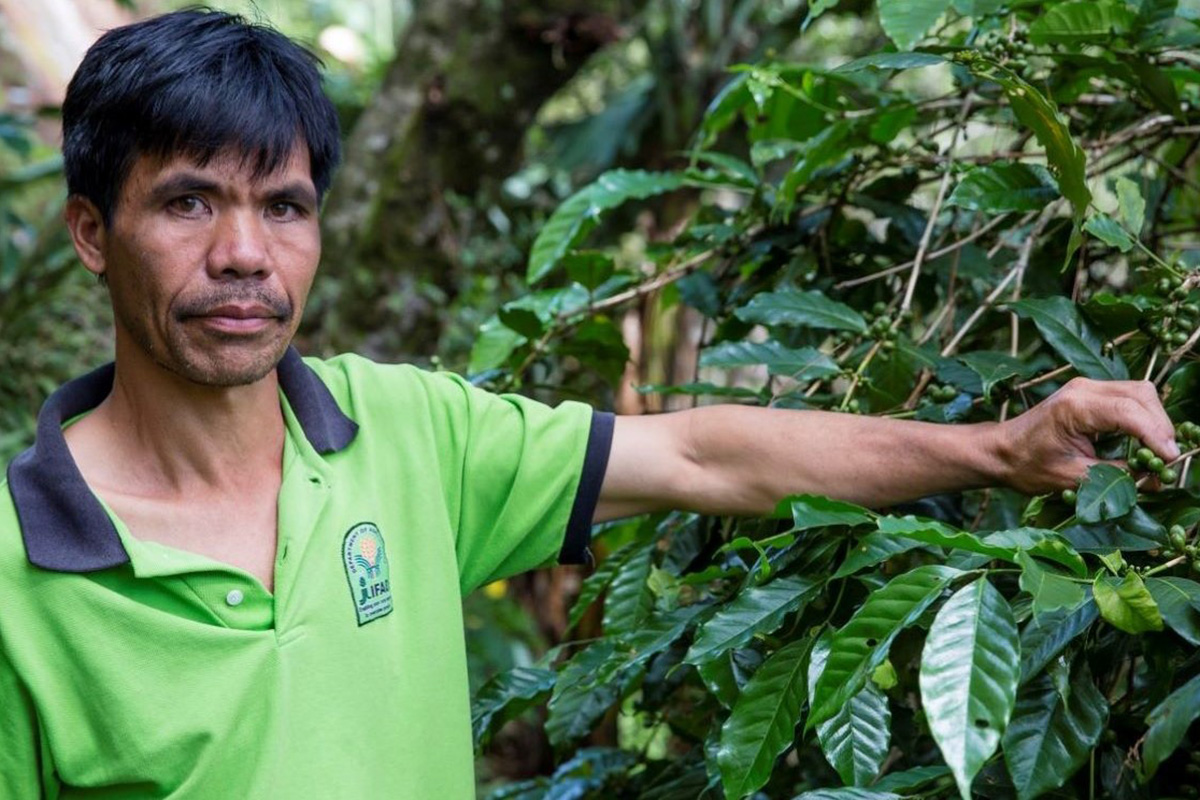
80 per cent of the planet’s remaining biodiversity is located in Indigenous Peoples’ lands. Here are examples of how Indigenous Peoples are conserving biodiversity with IFAD’s support.
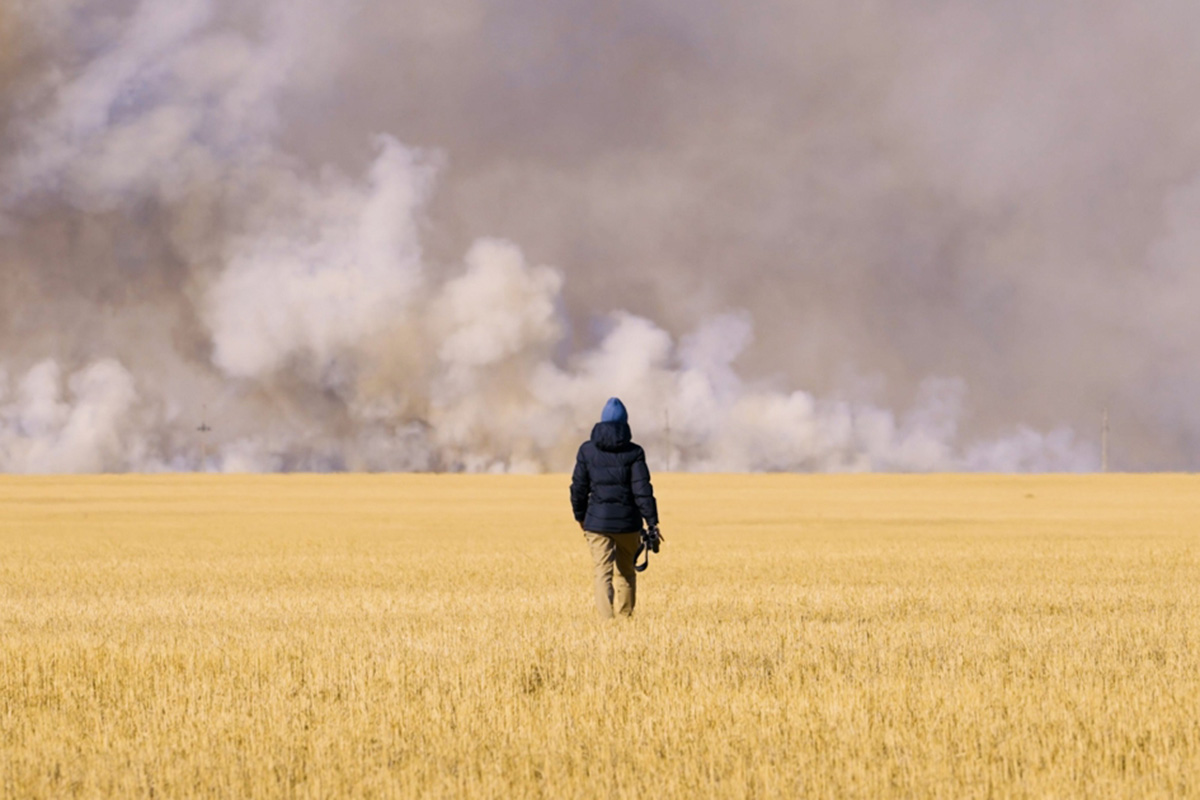
The United Nations recognizes 10 ground-breaking efforts from around the globe for their role in restoring the natural world. They were selected under the banner of the United Nations Decade on Ecosystem Restoration, a global movement coordinated by UNEP and FAO, designed to prevent and reverse the degradation of natural spaces across the planet. The winning initiatives are eligible to receive UN-backed promotion, advice or funding. Together, the 10 flagships aim to restore more than 68 million hectares − an area bigger than Myanmar, France or Somalia − and create nearly 15 million jobs.

Biodiversity is our planet’s wealth. It is a cornerstone of development, and its loss threatens many hard-won development gains. Biodiversity blunts the impact of other crises, like climate change and conflict, on development; it is also the wealth of poor nations and poor communities within nations as a producer of jobs and GDP. The World Bank’s Global Program on Sustainability provides tools and expertise for governments and the financial sector as they integrate environmental and sustainability considerations into public and private decisions.
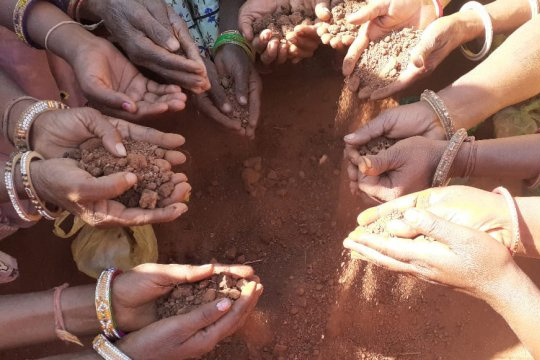
The equivalent of one soccer pitch of soil erodes every five seconds. Yet it takes 1 000 years to produce just a few centimetres of topsoil. Soil is the life support of our food and agriculture. We rely on soils for 95 percent of our food. Yet on this course, by 2050, 90 percent of all soils are set to be degraded. Change is needed to secure our ecosystems, climate and food security. FAO has been working for the past decade with countries and over 500 partners to address soil-related issues, positioning soil on the Global Agenda.
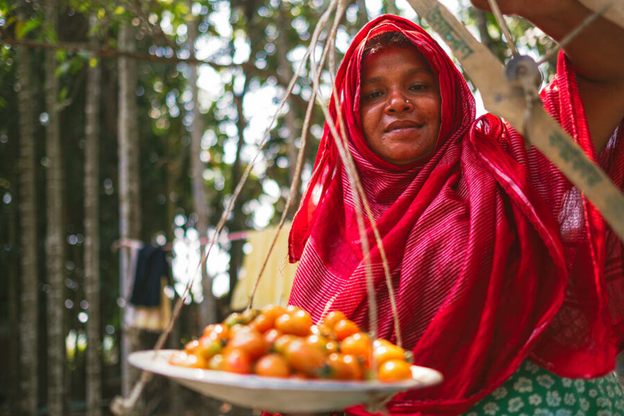
Soil degradation threatens crop productivity, plant health, the quality of food and, ultimately, people; a hefty consideration as we mark World Soil Day on Monday (5 December). Every year, soil erosion is responsible for the loss of 24 billion tons of fertile land. Land use plays a key role in mitigating climate change. Healthy forests and soils help to regulate the planet’s temperature and store carbon. Every year, the WFP rehabilitates almost 200,000 hectares of land around the world – more than twice the size of New York City.