
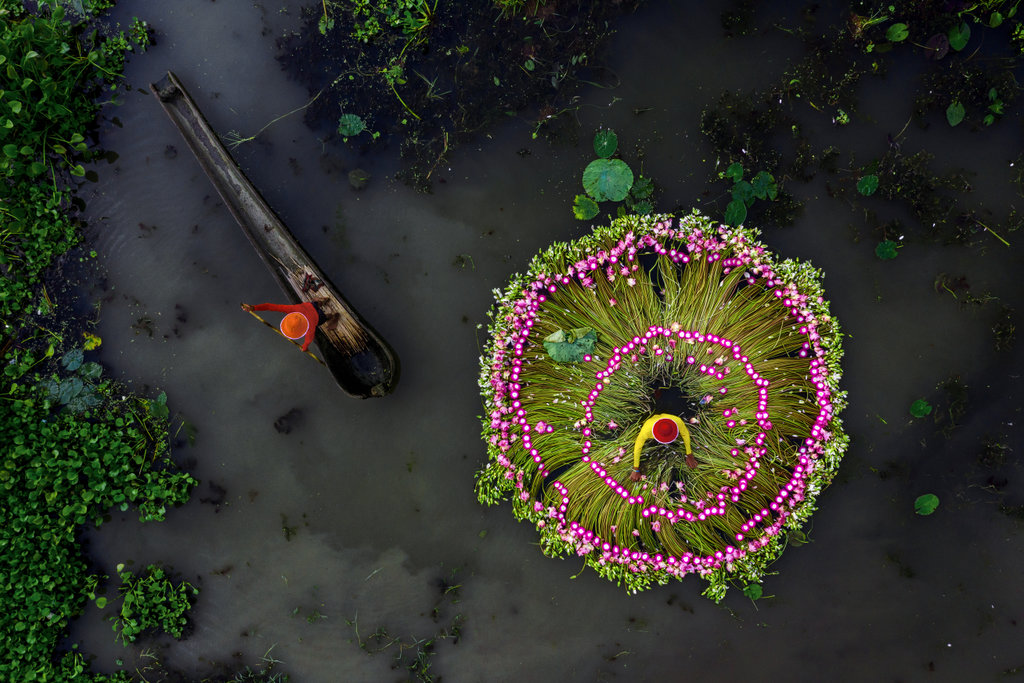
On 2 and 3 June 2022, world leaders and other representatives including youth, gather in Sweden for Stockholm+50 – an international meeting to drive action towards a healthy planet for the prosperity of all. The event commemorates the 50th anniversary of the United Nations Conference on the Human Environment in Stockholm - which marked a new era of global cooperation. Stockholm+50 comes at a crucial time as the Earth is in emergency mode, and urgent action is needed to address the triple planetary crisis of climate change, nature and biodiversity loss, and pollution and waste.
Natural Resources and the Environment
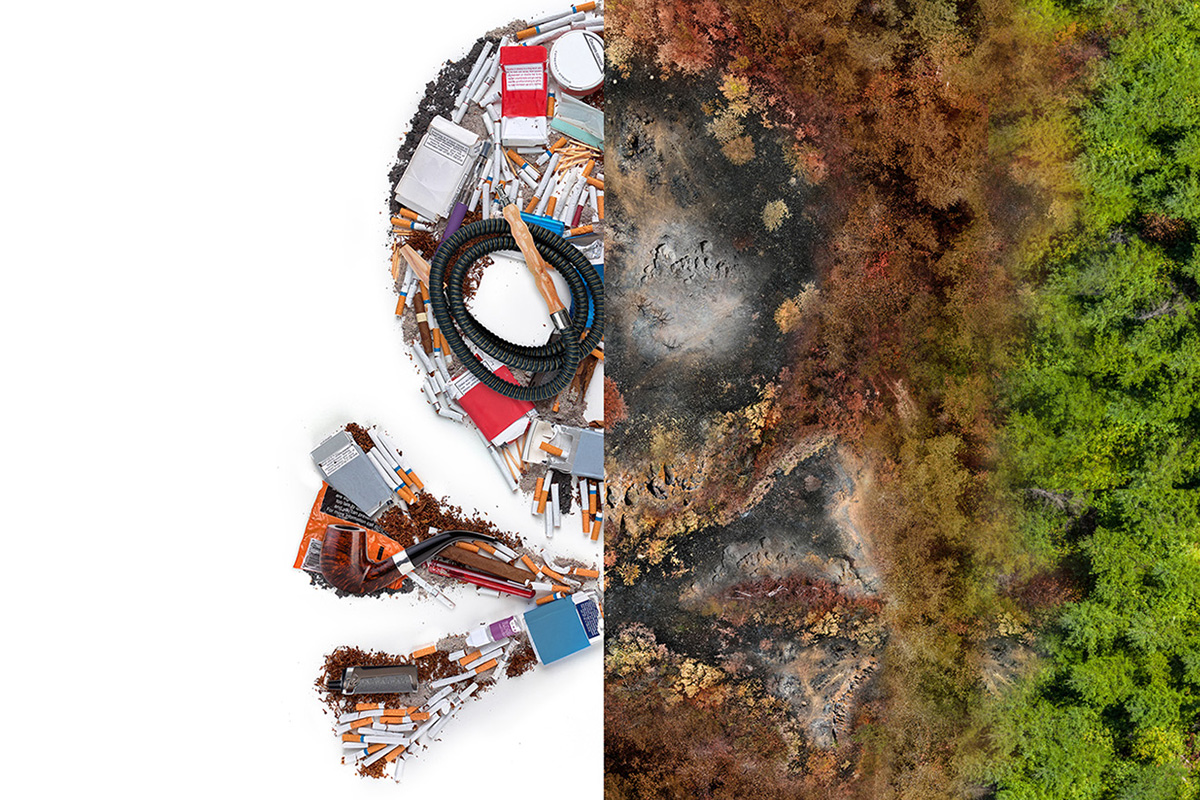
The harmful impact of the tobacco industry on the environment is vast and growing adding unnecessary pressure to our planet’s already scarce resources and fragile ecosystems. Tobacco kills over 8 million people every year and destroys our environment, further harming human health. This year’s campaign for World No Tobacco Day (31 May) aims to raise awareness on the environmental impact of tobacco – from cultivation, production, distribution and waste. It will give tobacco users one extra reason to quit.
Through nuclear techniques, IAEA contributes to biodiversity while supporting countries to reach their strategic objectives towards food security, sustainable agriculture and ecosystem services.
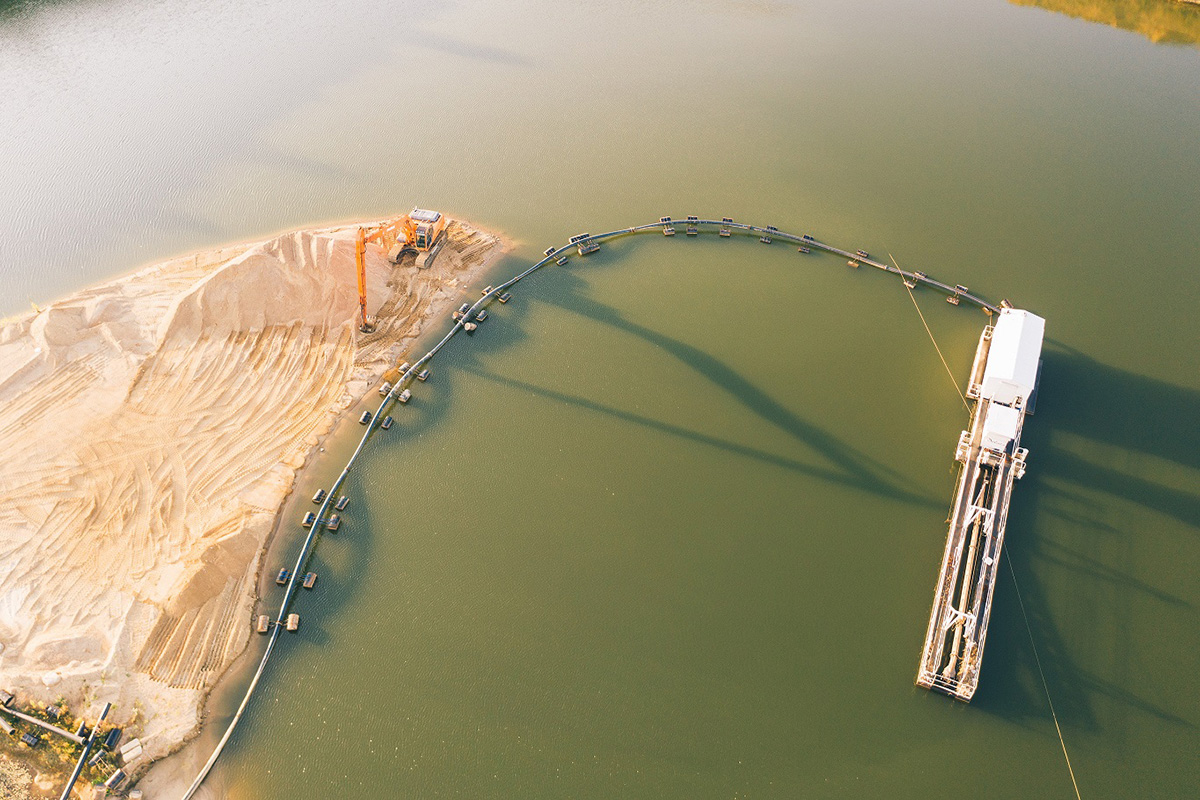
50 billion tons: enough to build a wall 27 metres wide and high around planet Earth - sand must be recognised as a strategic resource and its use needs to be rethought, finds a new report by UNEP.
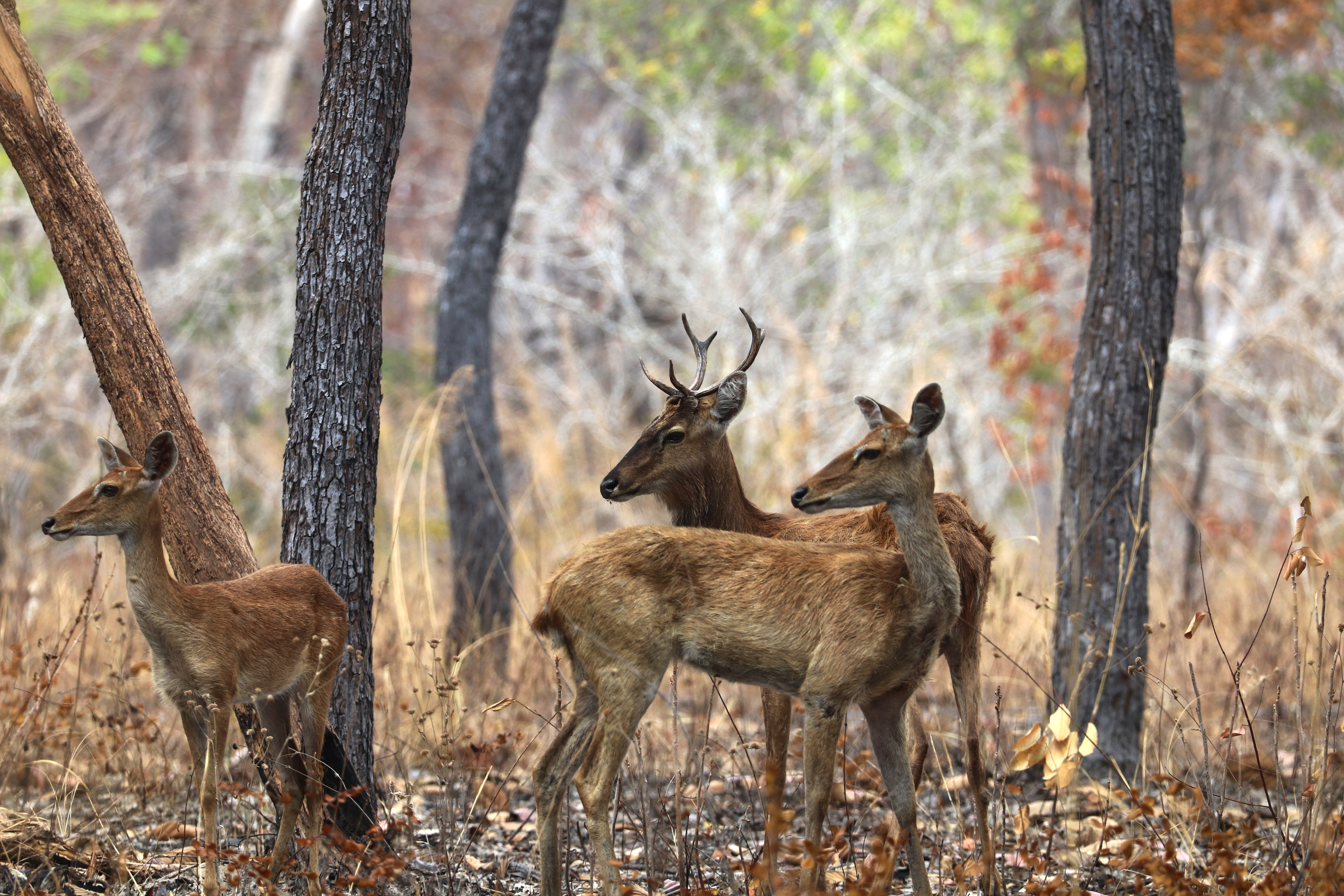
Phayvieng Vongkhamheng was born at the end of the Laotian wet monsoon season in 1984. From a young age, Mr. Vongkhamheng had the impression that village life and wilderness intermingled symbiotically. Mr. Vongkhamheng is now the Assistant Project Manager for the ‘Sustainable Forest and Land Management in the Dry Dipterocarp Forest Ecosystems of Southern Lao PDR’. With UNDP support, the project has been promoting sustainable land and forest management in dry forest ecosystems and protection of critical wildlife habitats with its biodiversity.

Biological diversity resources are the pillars upon which we build civilizations. Fish provide 20% of animal protein to feed about 3 billion people. Over 80% of the human diet is provided by plants and 80% of people living in rural areas in developing countries rely on plant‐based medicines. This International Day of Biological Diversity (22 May) highlights biodiversity as the answer to several sustainable development challenges. Biodiversity is the foundation to build back better from climate, health, food, and water security to sustainable livelihoods.

For centuries, bees along with other pollinators, enable the production of an abundance of a wider variety and better quality of fruits, nuts and seeds, contributing to food security and nutrition. Not only do pollinators contribute directly to food security, but they are key to conserving biodiversity. This year, for World Bee Day (20 May), FAO calls to celebrate the diversity of bees and beekeeping systems in a virtual event.
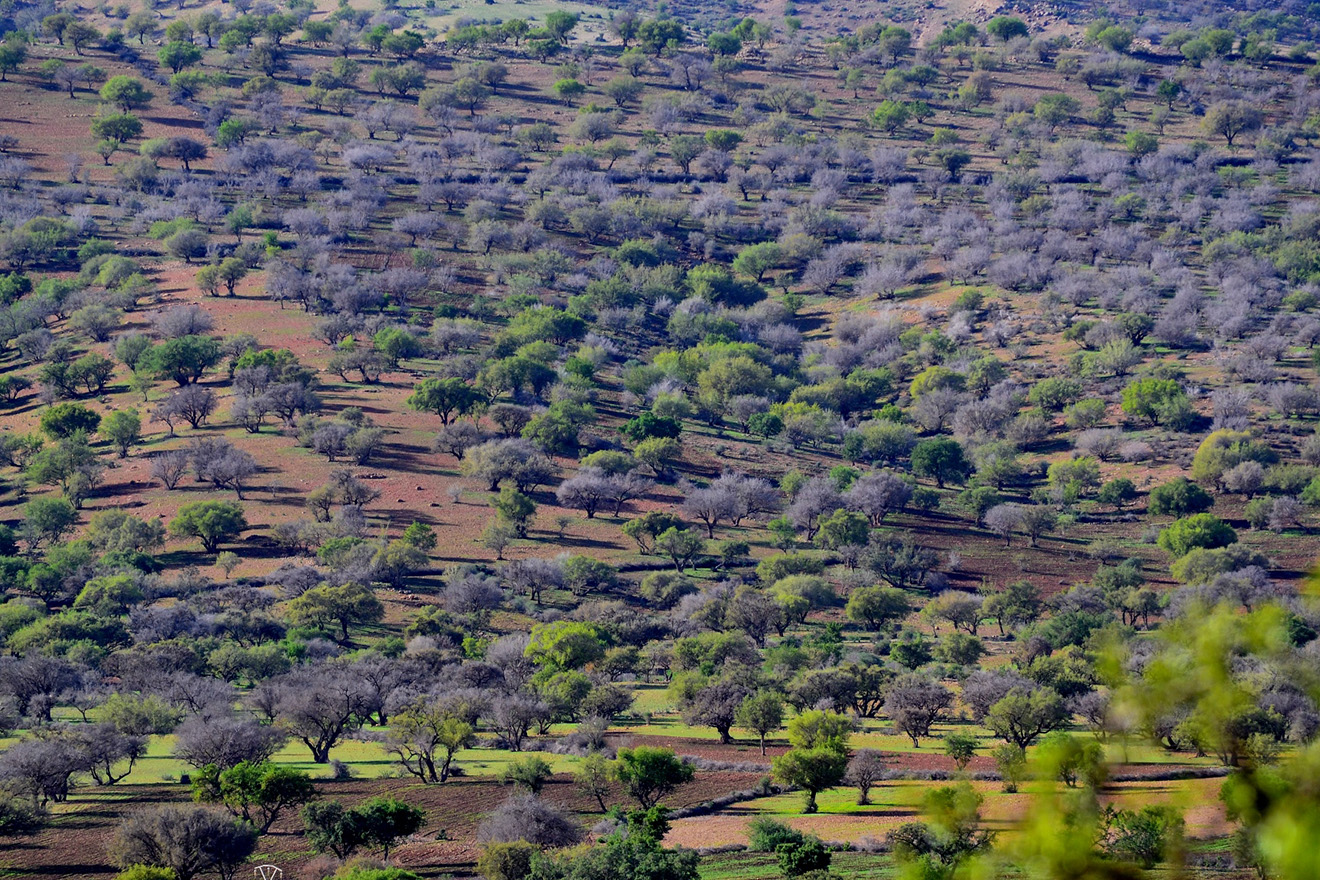
Argan Oil is widely famous for its culinary and cosmetic use. The Argania, a tree from Morocco, and its fruits support income generation -specially for rural women-, increases resilience, improves climate adaptation, and keeps a valuable cultural heritage. This year’s observance of the International Day of Argania aims to highlight the role of Argania in reinforcing resilient communities, adapting to climate change and empowering rural women. Resilience helps communities and ecosystems overcome hardships, build endurance to climate stress and find local solutions for sustainable development.

The 15th of the Conference of the Parties (COP15) of the United Nations Convention to Combat Desertification (UNCCD) takes place in Abidjan, Côte d’Ivoire, from 9 to 20 May 2022. Leaders from around the world meet to drive progress in the future sustainable management of one of our most precious commodities: land. Drought, land restoration, and related enablers such as land rights, gender equality and youth empowerment are among the top items in the conference agenda.
Sir David Attenborough is the recipient of the Champions of the Earth Lifetime Achievement Award for his dedication to research, documentation, and advocacy for the protection of nature and its restoration.
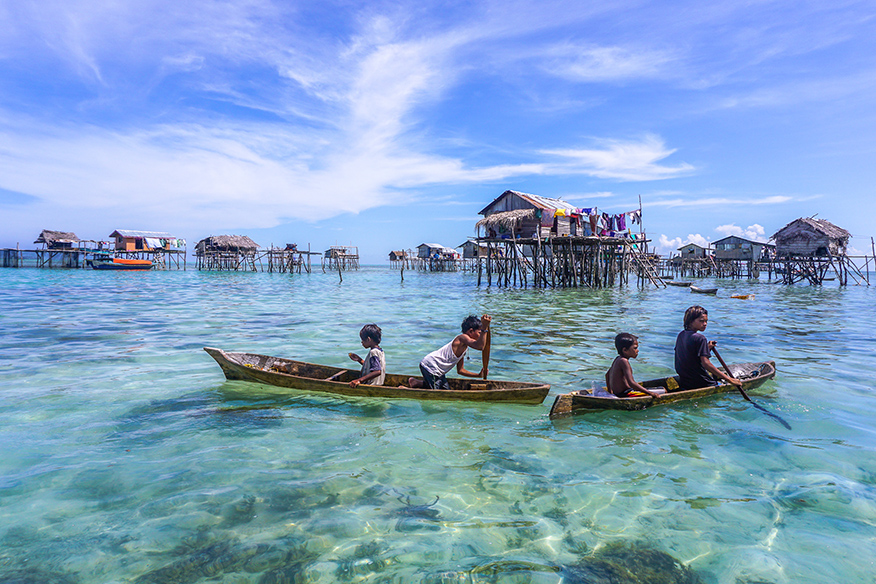
There are about 100 billion planets in our Milky Way galaxy, according to NASA. But other than Earth, few, if any, have the conditions necessary to support human life. It’s taken billions of years of transformation for Earth to reach conditions that are just right, including a stable climate that is not too cold and not too hot. Its magical features include liquid water and an atmosphere full of oxygen that allow our complex biosphere to flourish. A home looks different from one culture and geographic location to another, but we all share the same ocean, air and climate.
To honour and commemorate the impact of the late Kenyan environmentalist, who championed forest issues across the globe, the Collaborative Partnership on Forests (CPF) launched the first Wangari Maathai Award in 2012. Maathai was the first African woman to win a Nobel Peace Prize for her contribution to sustainable development, democracy and peace in 2004. Her legacy lives on with the CPF Wangari Maathai Forest Champions.
Replacing more of the plastic things we use every day with wood-based products from sustainably managed forests can help combat climate change and achieve the SDGs. FAO reminds us how vital it is to consume and produce wood in a more environmentally friendly way for the planet and its inhabitants. Let’s protect this easily renewable resource with a sustainable management of forests. Choose sustainable wood for people and the planet.
For millions of people across the world, wood helps provide safe drinking water, food and shelter - but wood can do much more and is a renewable resource when forests are managed sustainably. Join FAO in celebrating the International Day of Forests on 21 March and choose sustainable wood for people and the planet.
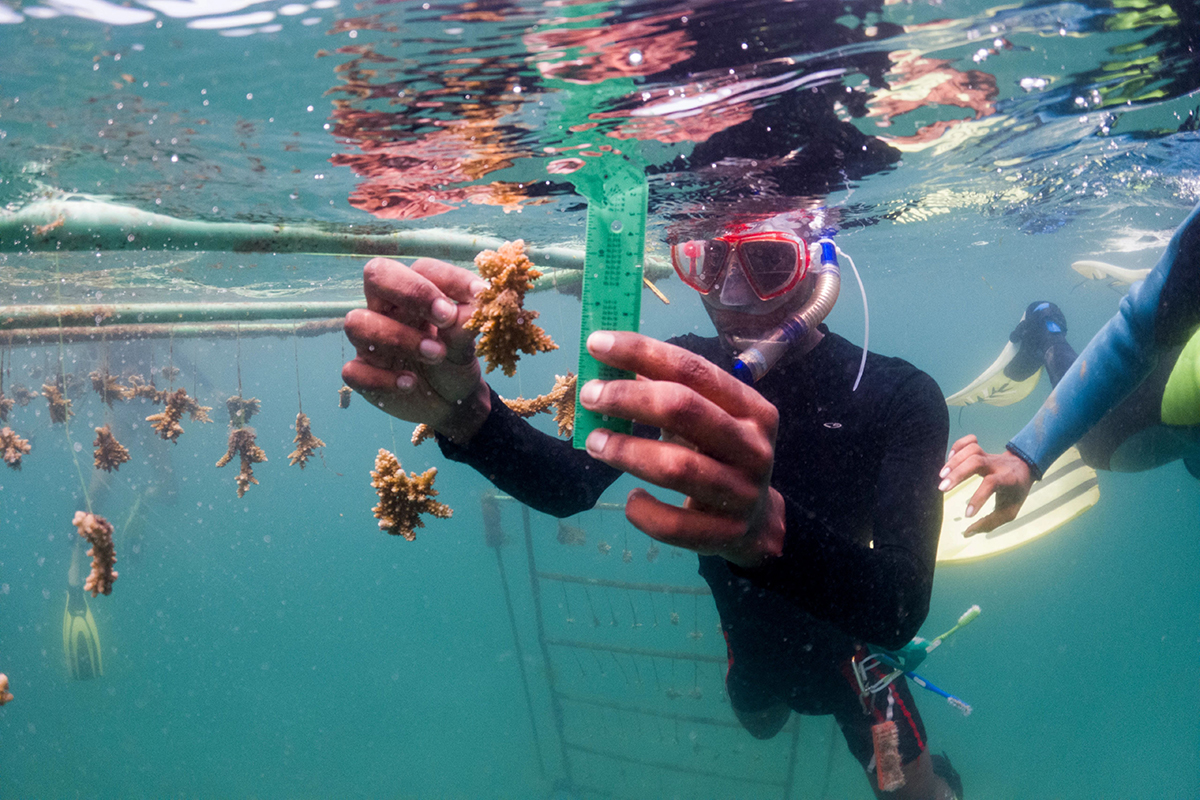
UNEP calls for nominations for the Champions of the Earth Award - the UN’s highest environmental honour - to recognize outstanding leaders their transformative impact on the environment.