

It is crucial that we invest on a large scale in nature-based solutions that help our planet recover, while creating jobs. The UN’s report State of Finance for Nature: Tripling investments in nature-based solutions by 2030 analyses global investment flows into nature-based solutions and identifies future investments to meet biodiversity, climate and land restoration targets. The report is being launched at the World Economic Forum event, Climate Breakthroughs: The Road to COP26 and Beyond, which aims to accelerate the global transition to a zero-carbon economy.
Natural Resources and the Environment
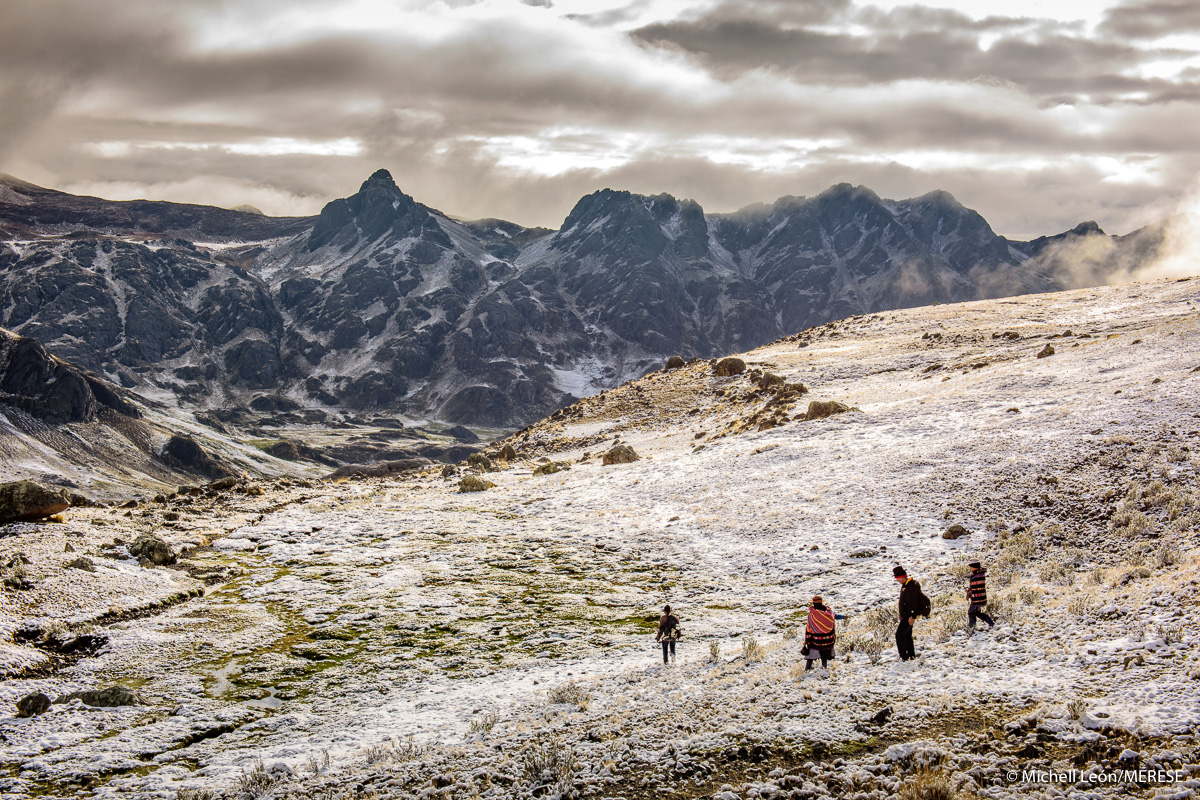
IFAD has invested US$1.6 million to work with community groups as they restore and conserve nearly 15,000 hectares of native forest, grasslands, and high Andean wetland habitats. Their actions will include reforestation with native species, fencing and sustainable use of grasslands, and installation of barriers throughout the wetlands. Through Compensation for Ecosystem Services systems, downstream users of ecosystem services remunerate the upstream rural populations who maintain them.
UNEP’s Protected Planet Report 2020 finds that the international community has made major progress towards protected and conserved area coverage but has fallen short on the quality of these areas.
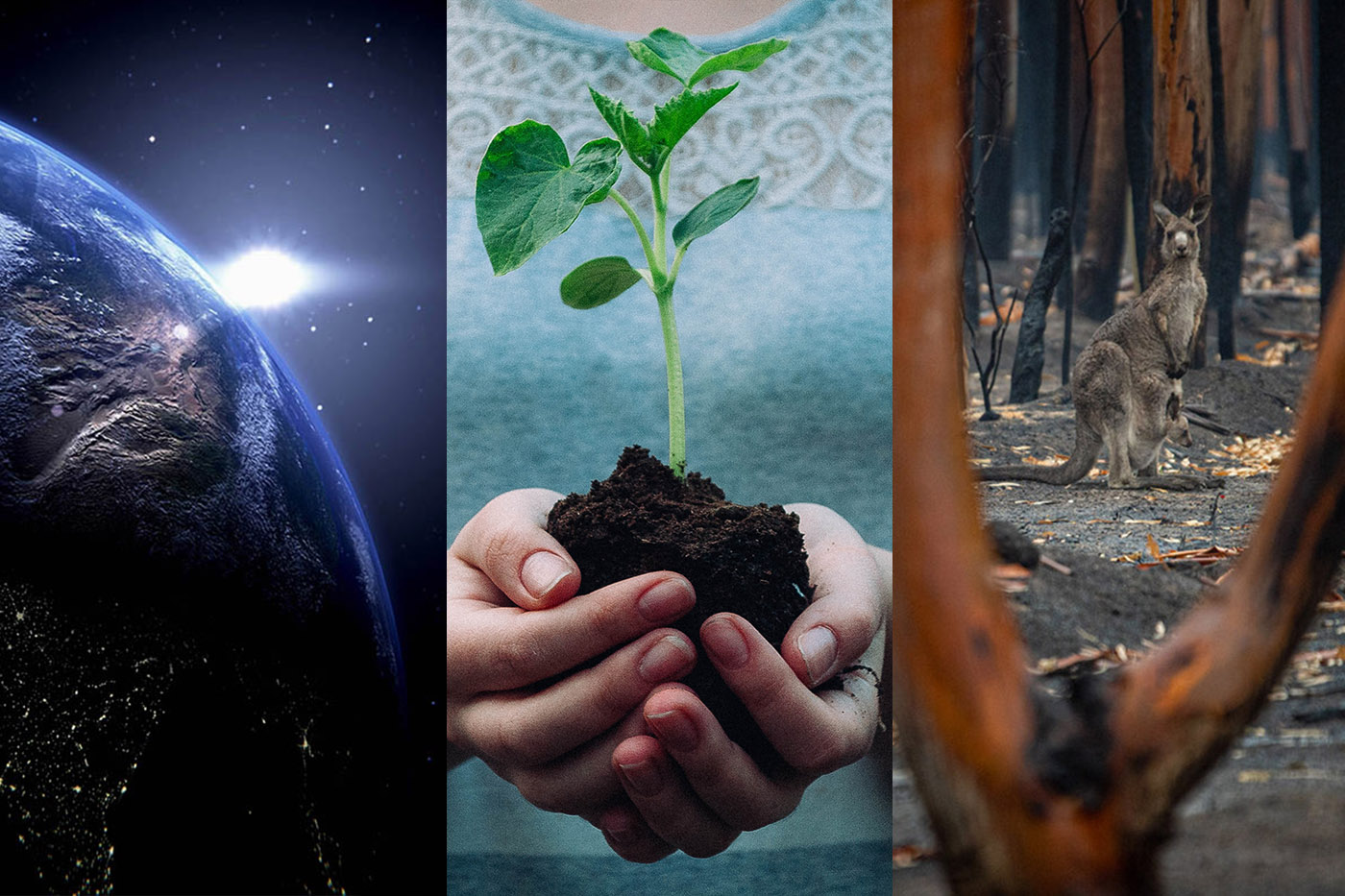
Mother Earth is clearly urging a call to action. Nature is suffering. Oceans are filling with plastic and turning more acidic. Extreme heat, wildfires, floods, and hurricanes have affected millions of people. We continue to face COVID -19, a worldwide health pandemic linked to the health of our ecosystem. For International Mother Earth Day (22 April), let's be reminded that we need a shift to a more sustainable economy that works for both people and the planet. Let’s promote harmony with nature.
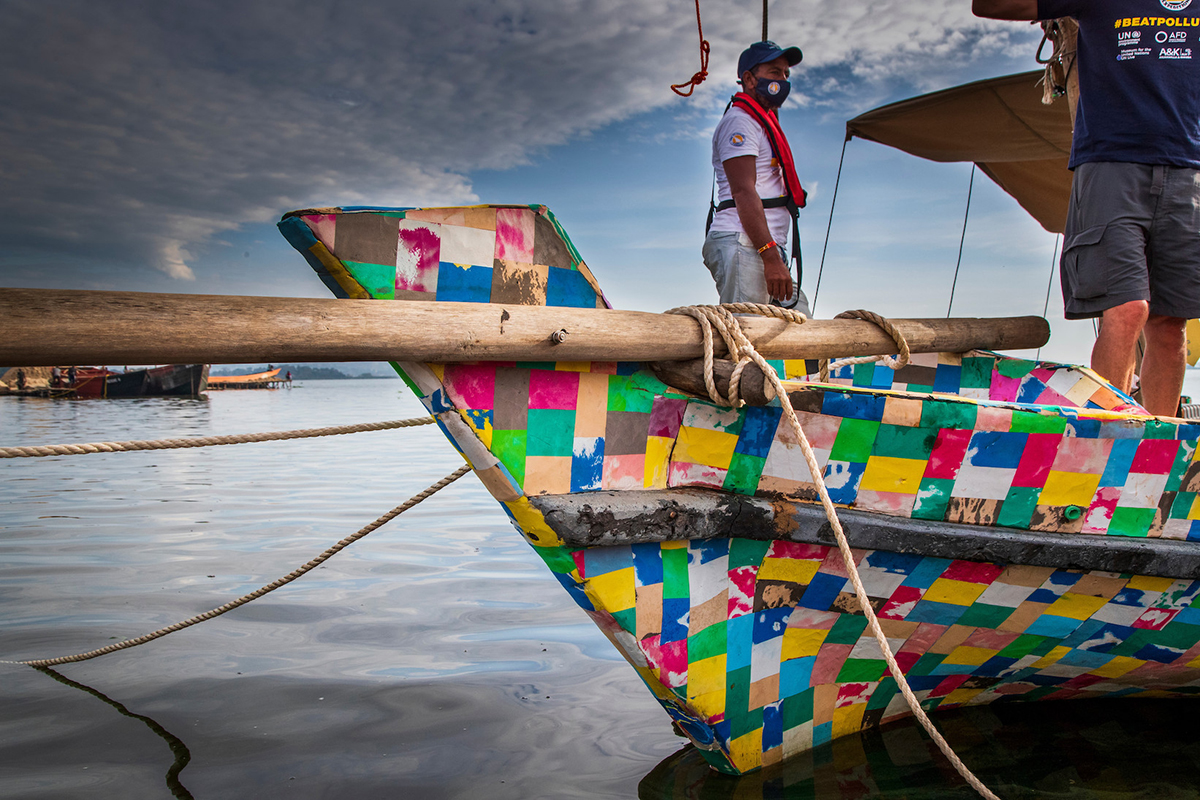
For much of the last three weeks, the Flipflopi, a dhow made from recycled plastic, including a helping of old sandals, has been calling into ports across Lake Victoria. The crew of the 10-metre-long vessel is on a mission to raise awareness about a tide of plastic choking Africa’s biggest lake – and to demonstrate that trash can be turned into treasure. A recent report by UNEP and the International Union for Conservation of Nature (IUCN) found that 27 per cent of plastic waste in Kenya is collected and, of that, only 7 per cent is recycled in the country. The problem is global. Humanity’s penchant for producing cheap plastic products, using them, and then throwing them away, has created a global pollution crisis that is threatening the natural world and human livelihood.
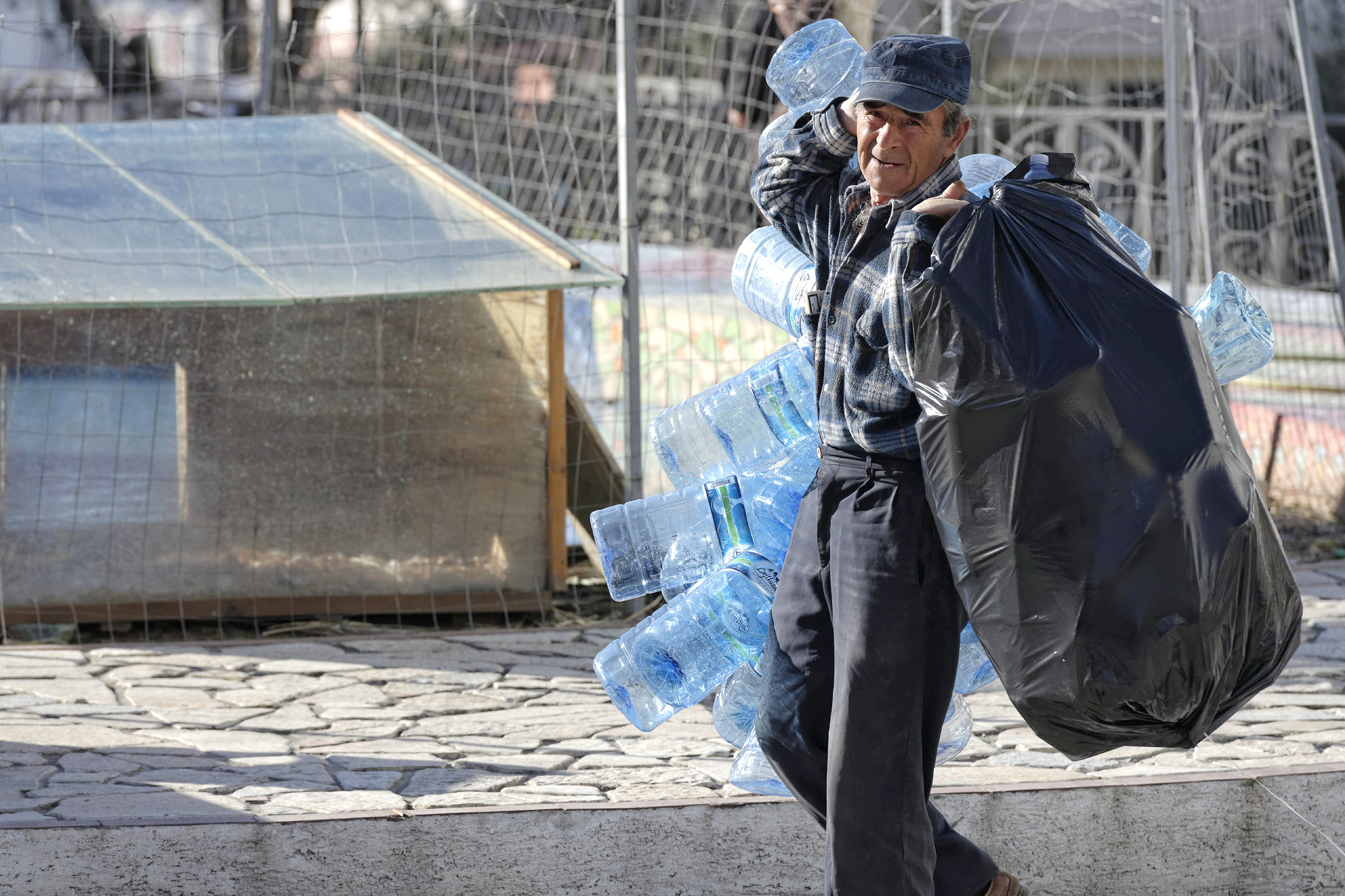
Global trade in plastics tops a whopping $1 trillion each year, or 5% of total merchandise trade. This is 40% higher than previous estimates and involves virtually all nations. The fresh insights into the massive extent of plastics in world trade have emerged from a new UNCTAD research paper, “Global trade in plastics: insights from the first life-cycle trade database.” The study is the first attempt to map and quantify global trade flows across the entire life cycle of plastics – from raw inputs to final products and waste.

Top international energy and climate leaders from countries representing the vast majority of global GDP, energy use and greenhouse gas emissions are taking part in the IEA-COP26 Net Zero Summit. The Summit will be a critical opportunity to take stock of the growing list of commitments from countries and companies to reach the goals of the Paris Agreement. It also seeks to accelerate the momentum behind clean energy and to examine how countries can work together more effectively to reduce their greenhouse gas emissions to net zero in line with shared international goals. Watch it live!
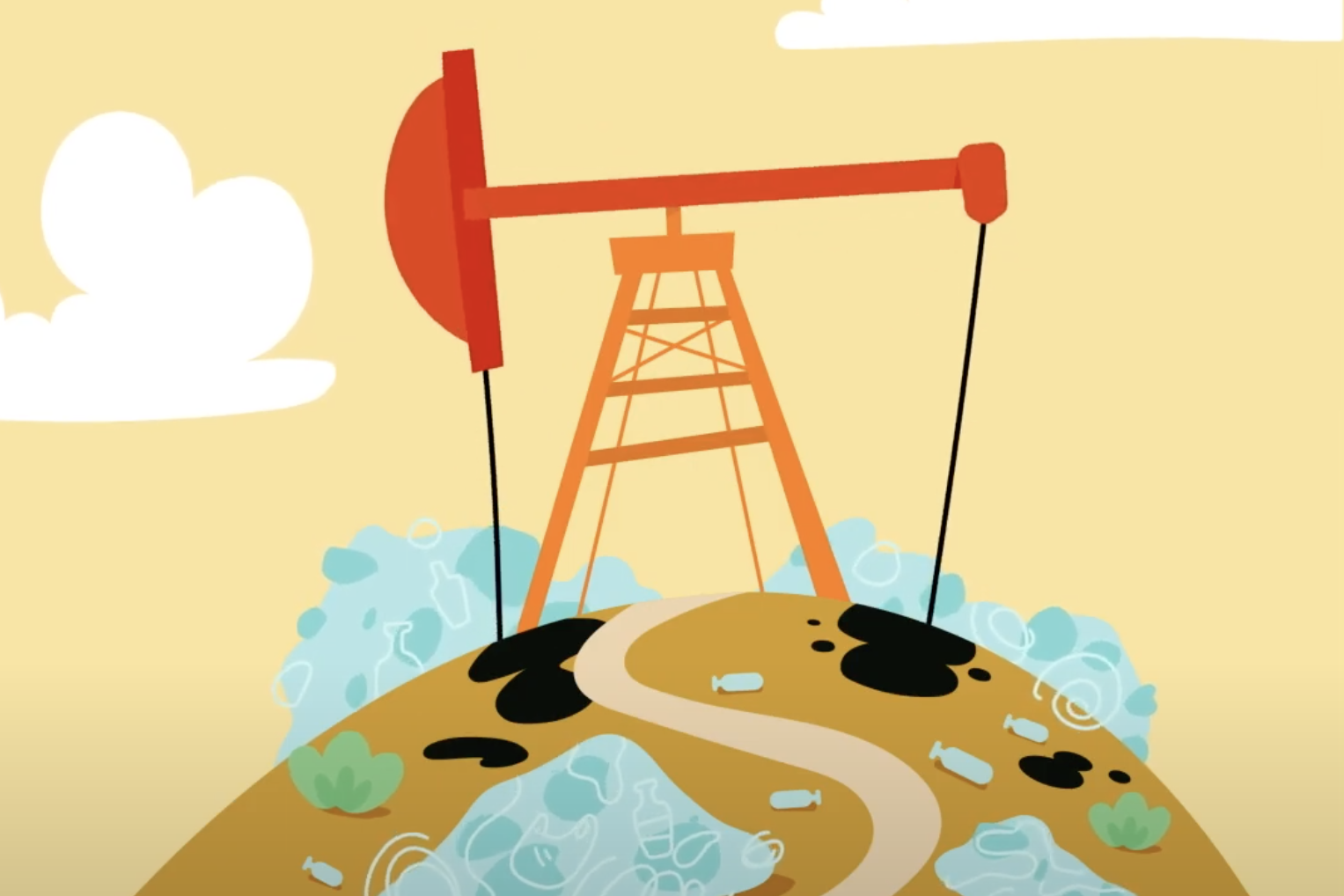
Every year, the toxic trail of economic growth – pollution and waste – results in the premature deaths of millions of people while doing untold damage to the planet. Plastic poses a big problem from source extraction to waste. Not only to the environment, but also to human beings and the achievement of the Sustainable Development Goals. Would you like to know how? Find out with this animation! UNEP supports strong laws and institutions for a healthy planet and healthy people.
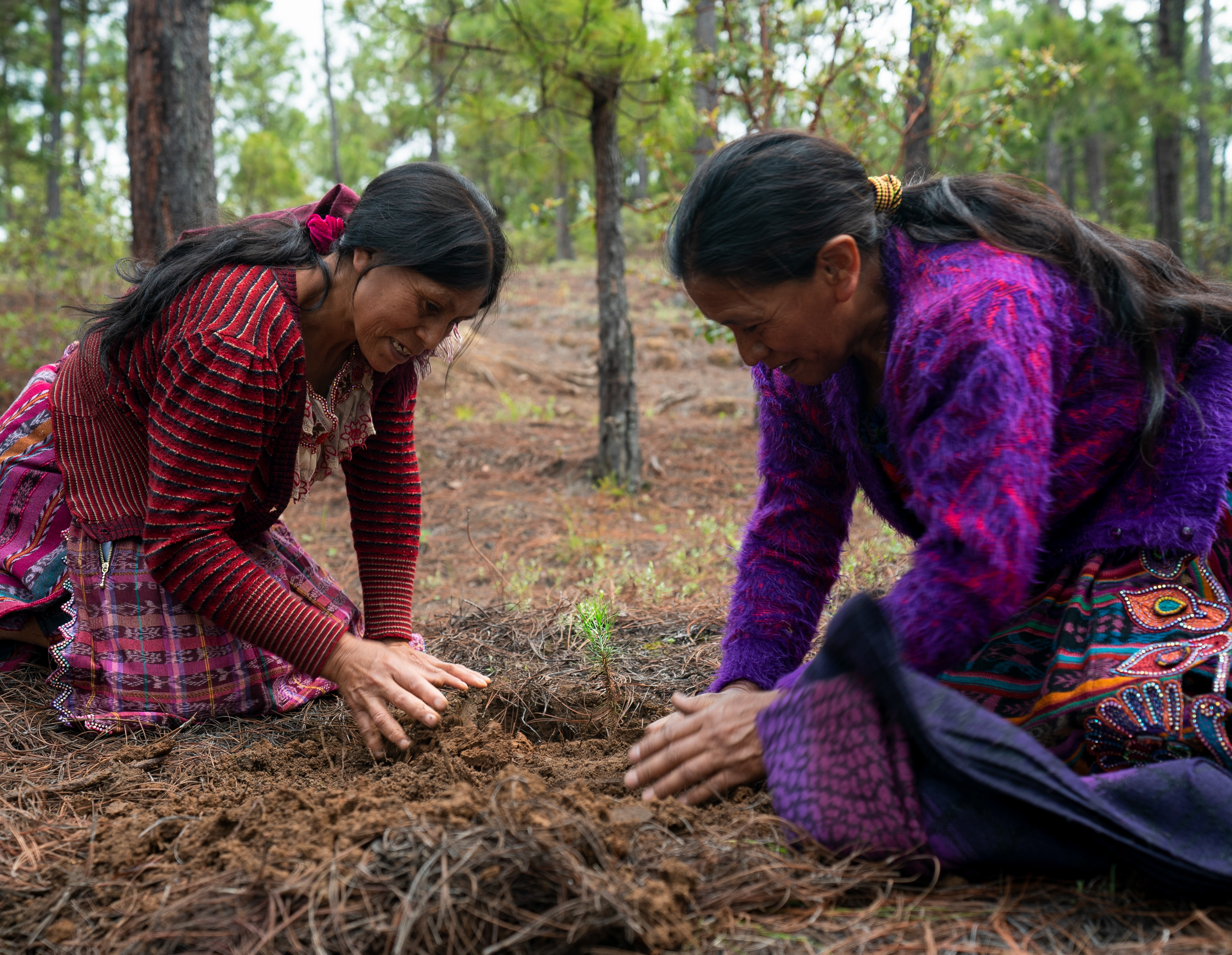
With rampant destruction of forests, it is not bold to say that the lungs of the Earth are sick. In Guatemala, members of the Utz Che' Community Forestry Association are part of the solution. As the forest provides livelihoods for villagers, Utz Che' communities plant trees to improve their lives. Nearly 2,500 hectares of land are marked for reforestation and more than 30,000 trees have been planted. In 2020, Utz Che' was awarded UNDP’s Equator Prize for its community-led conservation work through nature-based solutions.
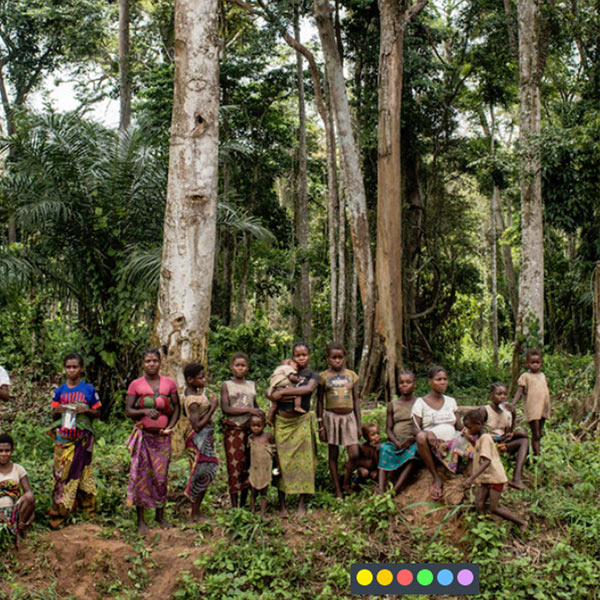
Our lives are linked to forests in so many ways: when we drink a glass of water, write in a notebook, take medicine for a fever or build a house. Forests produce goods and services, fostering economic activity that creates jobs and improves lives. Therefore, they also play a crucial role in poverty alleviation and in the achievement of the Sustainable Development Goals (SDGs). This year International Day of Forest (21 March) focuses on how restoration and sustainable management of forests help address the climate change and biodiversity crises.
Since the beginning of time, we have treated nature as a free and endless provider of services. We hike in forests, swim in oceans and use its resources without a second thought. But even if we don’t pay for these goods and services, their value is far from zero.
At the UN Environment Assembly leadership dialogue ministers and other high-level representatives are invited to announce concrete actions by their respective governments or organizations that will promote the environmental dimension of sustainable development

We need to strengthen action to protect and restore nature and the nature-based solutions to achieve the Sustainable Development Goals in its three complementary dimensions: social, economic and environmental. The fifth session of the UN Environment Assembly (UNEA-5) starts today and it provides an opportunity for Member States and Stakeholders to take ambitious steps towards building back better and greener by ensuring that investments in economic recovery after the COVID-19 pandemic contribute to sustainable development.

Environment is the foundation for human wellbeing. Who speaks for it? Who leads on it? Almost fifty years ago, in 1972, UNEP was created as the anchor institution for the global environment, a small, smart and capable body that was to “color the UN environmental”. UNEP’s fiftieth anniversary offers an opportunity to reflect on its core mandate, raise awareness about its accomplishments, and solicit input on its future. Join us for a conversation with Maria Ivanova, the author of “The Untold Story of the World's Leading Environmental Institution: UNEP at Fifty” at 18:30 - 19:30 h EAT.

Scientific assessments estimate that humanity has ten years remaining to solve the environmental challenges it faces, including climate change, biodiversity loss, pollution management, ocean protection, as well as air and water quality. Business as usual in the global economy is clearly not working. Big data, artificial intelligence (AI) and digital transformation can play important roles to ensure sustainable development. UNESCO, in collaboration with UNEP and partners, is organizing the global virtual conference AI for the Planet, to inspire further actions in this field.