
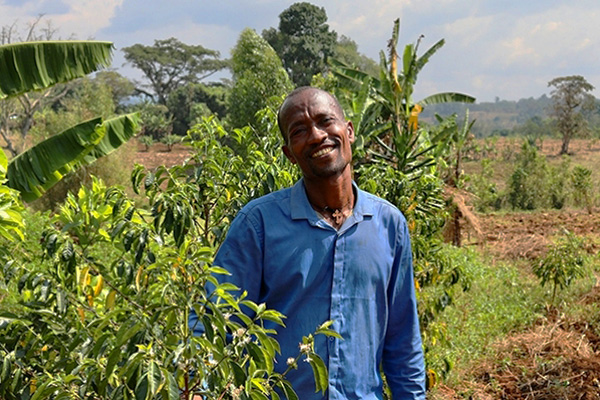
If you take care of the land, it will take care of you, says Tsefaye Kidane, a coffee farmer in southwest Ethiopia. When he took over the farm from his father, Kidane said the soil quality was poor and crops erratic, their irregularity exacerbated by the ravages of climate change and decades of land degradation. With support from the World Bank, Kidane has turned the situation around. He has addressed soil erosion with a host of measures, including terracing the steep landscape.
Natural Resources and the Environment
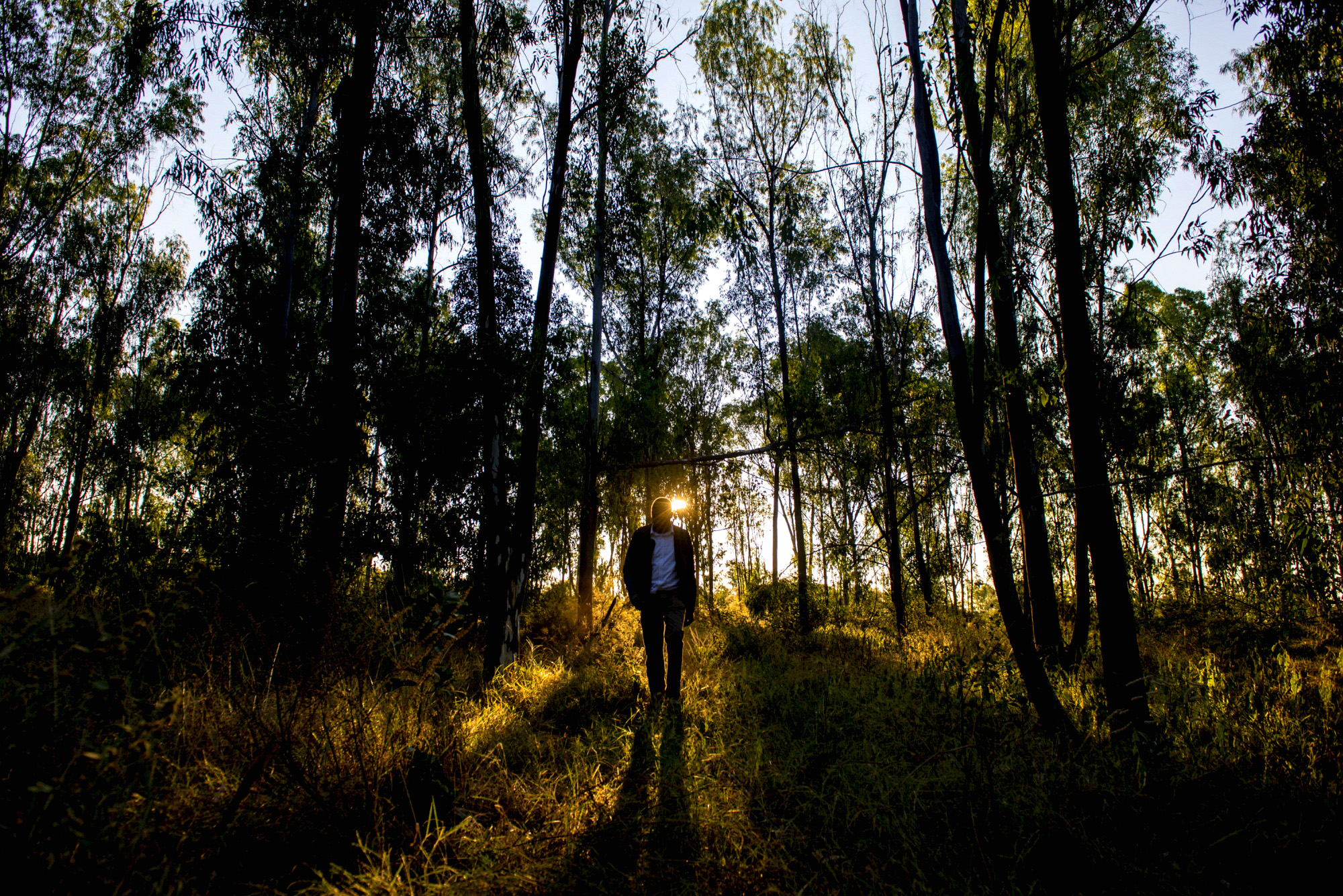
Urgent action is needed to safeguard the biodiversity of the world’s forests amid alarming rates of deforestation and degradation, according to The State of the World’s Forests. The report, produced by FAO and UNEP, shows that conservation of the world’s biodiversity is dependent on the way we interact with the world’s forests. The COVID-19 crisis has thrown into focus the importance of sustainably using nature and recognizing the link between the ecosystem’s and people’s health.

A celebration of the incredible biodiversity in the national parks of Colombia, the host of World Environment Day 2020. Colombia is one of the most biodiverse countries on Earth, home to over 51,000 species.
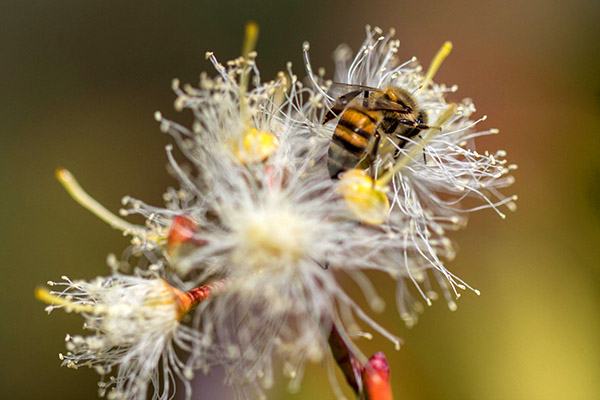
Bees and other pollinators, such as butterflies, bats and hummingbirds, are increasingly under threat from human activity. We, however, depend on their survival. Pollinators not only contribute to food security and biodiversity; they are fundamental to our ecosystems. Nearly 90% of the world’s wild flowering plant species, more than 75% of the world’s food crops and 35% of global agricultural land, depend on pollination. On May 20 learn more of what you can do to protect bees and tune in to take part in our virtual event Bee engaged on the future of beekeeping in the COVID-19 era!
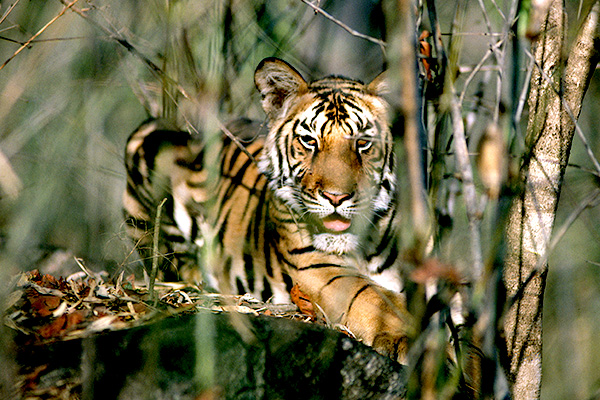
1 million animal and plant species are threatened with extinction. Biodiversity loss is a loss for humanity. Beyond an environmental problem, it also affects our health by restricting the food supply and access to medicine. This year’s theme for the International Day for Biological Diversity, “Our solutions are in nature”, emphasizes a message of hope, solidarity and the importance of working together to build a future of life in harmony with nature. In these times of COVID-19, UNEP stays committed to restoring lost ecosystems and biodiversity, to reduce the risks of future pandemics.
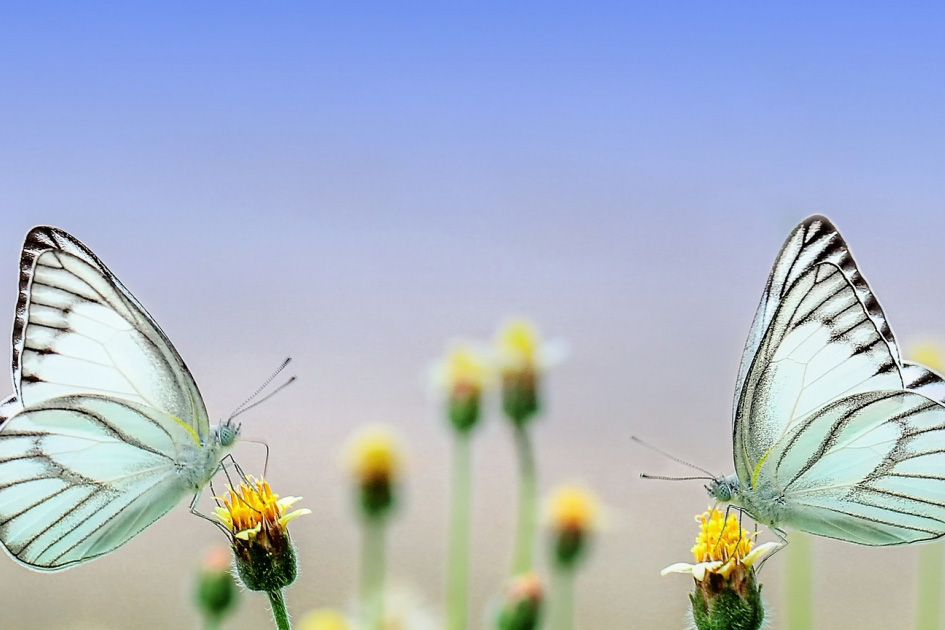
The United Nations Environment Programme (UNEP) is stepping up its work on mapping zoonotic threat and protecting the environment to reduce the risk of future pandemics, such as the COVID-19 crisis.

As the world plans for a post-pandemic recovery, the United Nations calls Governments to seize the opportunity to “build back better” by creating more sustainable, resilient and inclusive societies. The UN is devising a blueprint for a healthier planet and society that leaves no one behind and actions are being taken to ensure a more resilient future. Secretary-General António Guterres proposed six climate-related actions to shape the recovery. While UNEP works closely to build scientific knowledge on links between ecosystem stability and human health.

While the coronavirus has been spreading around the world and dominating news headlines, UNEP asks climate action to remain urgent. Earth day is now more important than ever.
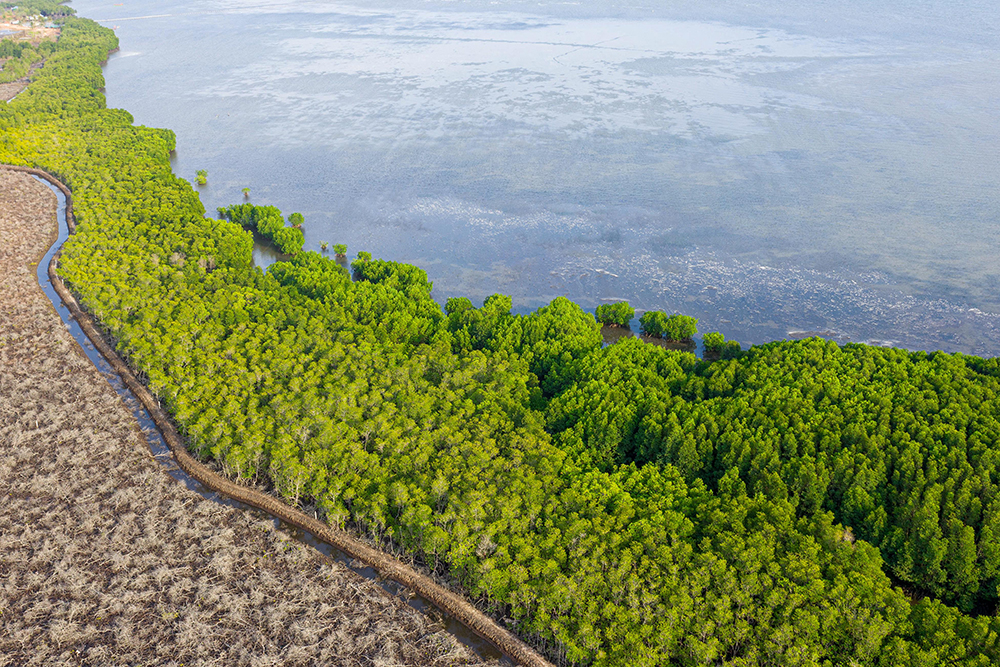
On Earth Day, harnessing the power of nature to heal herself
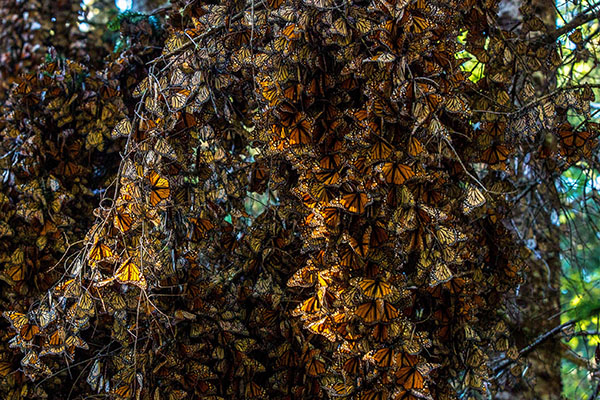
Forests are vital for biodiversity, providing a home to 80 percent of life on land. But with millions of hectares of forest lost every year, biodiversity is under threat. We need to care for our only home by caring for our forests.


In the heart of the spectacular forests of Papua New Guinea, zoologist Grace Luke is on a team collecting data to reduce deforestation and forest degradation and help reduce greenhouse gas emissions that negatively impact the p