
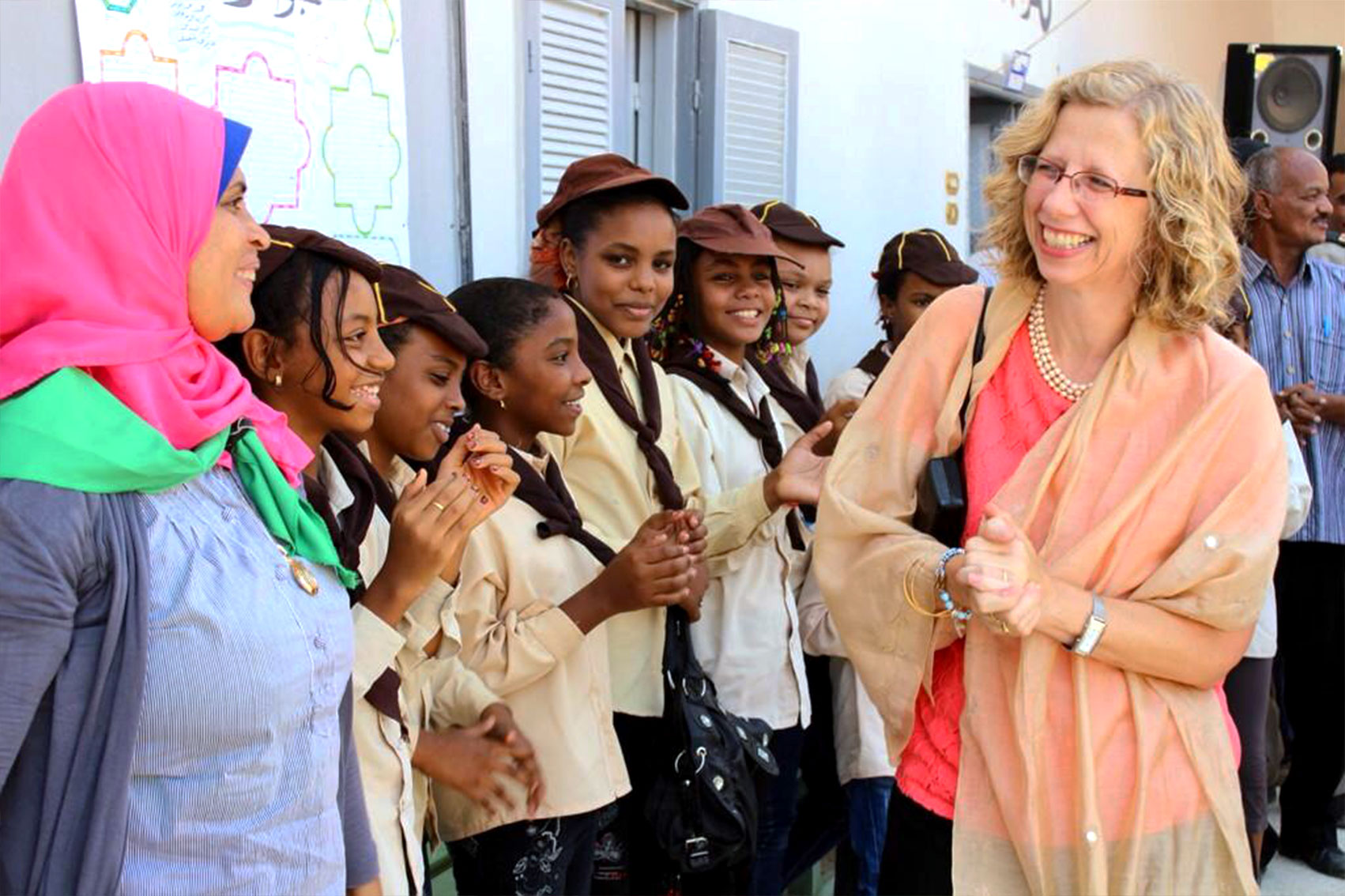
This week's guest on Awake at Night with Melissa Fleming is Inger Andersen, E
Natural Resources and the Environment
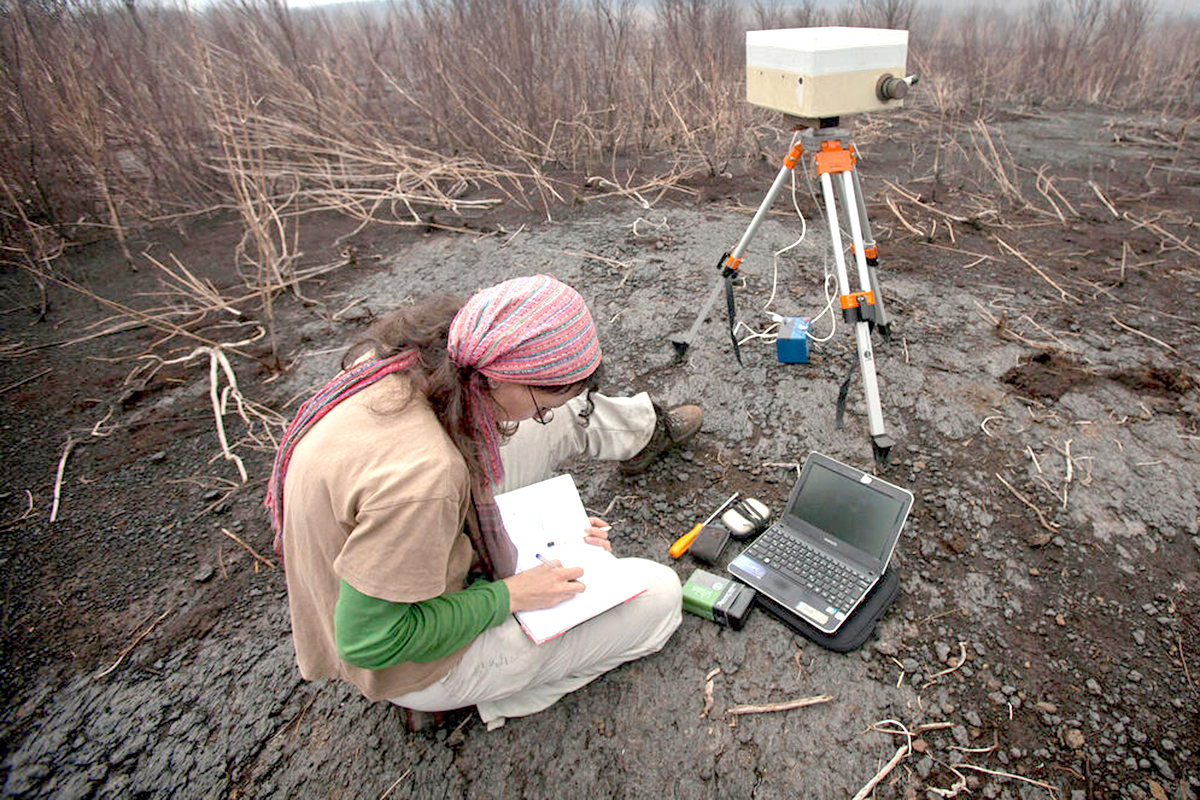
UNEP calls for nominees for the Champions of the Earth award – the UN’s highest honour for individuals and organizations that are safeguarding our environment and transforming societies.
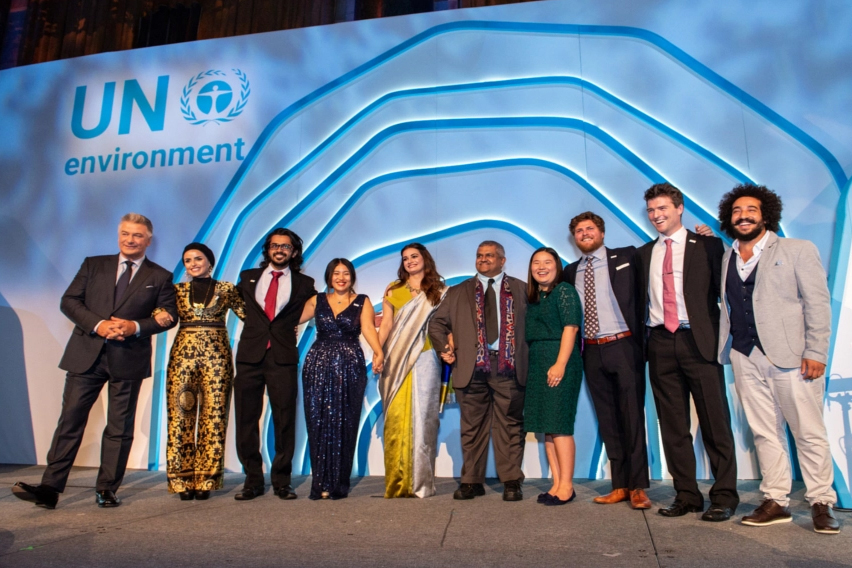
An engineer who turns plastic rubbish into paving stones. An activist who is fighting to save endangered salmon. And an inventor who developed a machine capable of pulling water out of the air. These are just some of the winners of the 2020 Young Champions of the Earth prize. They are Nzambi Matee (Kenya), Xiaoyuan Ren (China), Vidyut Mohan (India), Lefteris Arapakis (Greece), Max Hidalgo Quinto (Peru), Niria Alicia Garcia (United States of America) and Fatemah Alzelzela (Kuwait).

The UNEP 2020 Greening the Blue report provides a snapshot of the UN System’s environmental impacts throughout 2019 and the activities underway to reduce them.
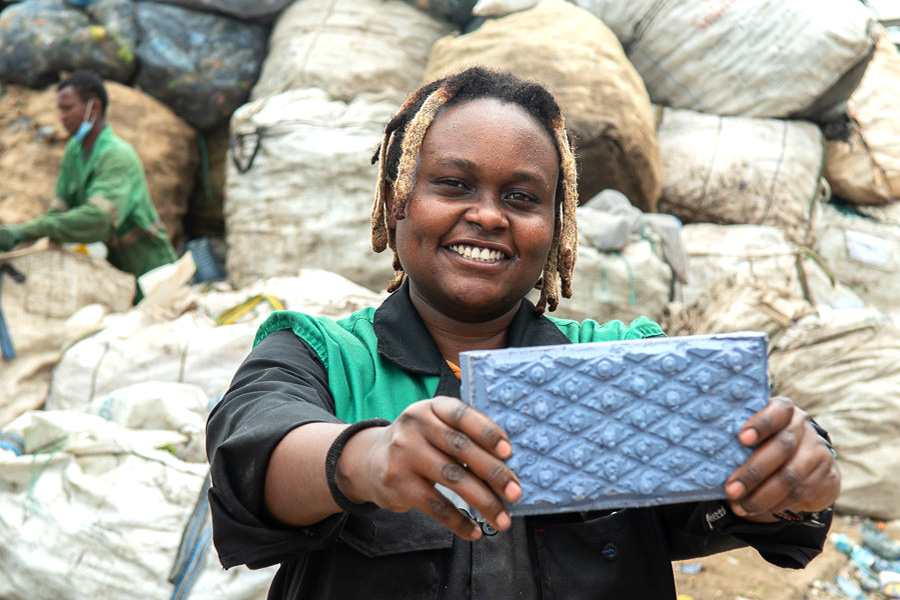
The UN Environment Programme named seven young scientists, engineers, entrepreneurs and activists from across the globe as its 2020 Young Champions of the Earth. With solutions to harvest water from the air, recycle plastic into paving slabs, and motivate fishing boats to haul tonnes of plastic out of the ocean, these change-makers show how innovative ideas coupled with ambitious action can help solve some of the world’s most pressing environmental challenges. They’ll receive seed funding, mentoring and communications support to amplify their efforts.

Young Champion of the Earth is a forward-looking prize designed to breathe life into the ambitions of brilliant young environmentalists aged 18 – 30. Shortlisted finalists from every region have been selected following an open call for applications. A Global Jury will then choose seven winners. Each winner is expected to implement their big idea and keep UNEP updated on their progress by producing videos and blogs. Winners will also be given funding to support their communication efforts throughout the year, so that they can produce high-quality materials to share with our audiences.
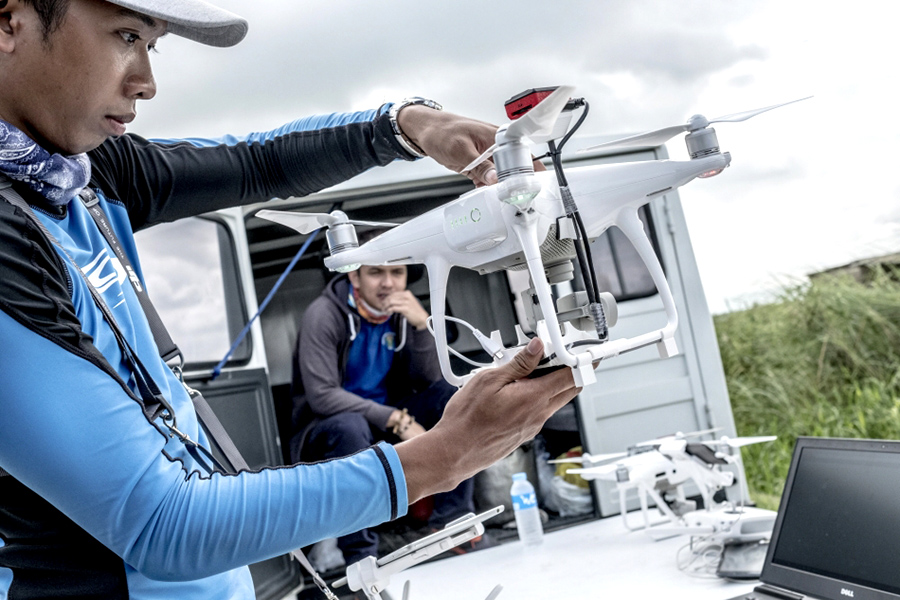
In the last couple of years, Unmanned Aerial Vehicles (UAV) – or drones, have really take off. From enhancing video coverage of events to taking stock of the aftermath of natural disasters, they now have a key role to play in many different contexts. The possibilities with UAV technology are far-reaching, and FAO is harnessing this potential to monitor the use of natural resources and increase sustainability. UAVs save time, are cost efficient and provide up-to-date data and images in high resolution for many different purposes. They’re also easy to use, making them the perfect tool.
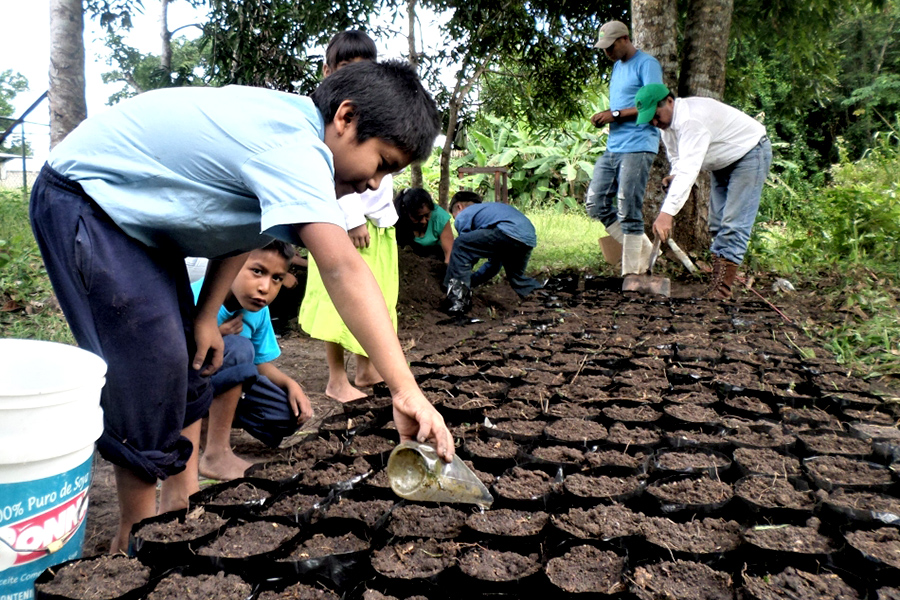
Imataca is an extensive and hugely diverse, tropical humid forest located the southeast of Venezuela. The Kariña live in small groups of extended families at the heart of the forest reserve. The Kariña women, in coordination with the Venezuelan government and FAO, created a company to revitalise areas degraded by mining. The project, which also aims to increase gender equality in the forestry sector, supports the Kariña women in actively leading the development of their territories and the conservation of the area’s biodiversity.


On the one hand, the COVID-19 pandemic could increase awareness of environmental risks and bring about shifts that could accelerate the transition to a low-carbon economy. On the other hand, there is a risk that financially weakened firms, amidst heightened economic uncertainty, will reduce their investments in long-horizon, capital-intensive green projects. The latest analysis by IMF looks at past episodes of financial and economic stress to gauge the likely impact of the current crisis on firms’ environmental performance.


To build knowledge on how nature functions to deliver goods and services to humanity, UNEP Wild for Life 2.0 campaign will bring users on a journey to 4 ecosystems, including peatlands.

Migratory birds are beneficial to us and the planet's ecosystem. They offer critical services such as seed dispersal, pollination or pest control, but also provide jobs through tourism, research and education, and leisure activities. This 10 October for World Migratory Bird Day, UNEP joins forces with other organizations to promote the theme “Birds Connect Our World”. This year’s observance highlights the importance of conserving and restoring the ecological connectivity of ecosystems that support the natural movements of migratory birds that are essential for their survival.
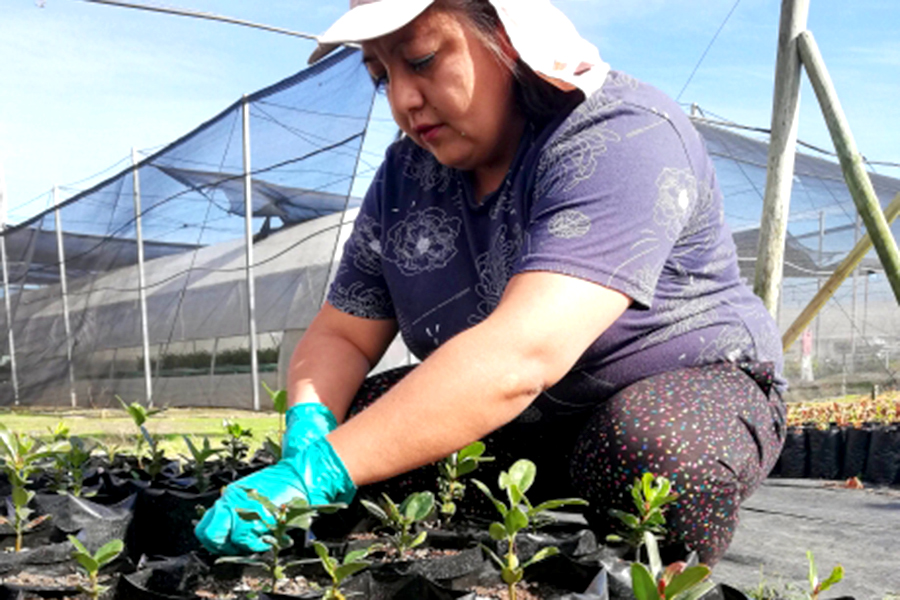
María Cristina Ortega began her work protecting queules, an evergreen tree native to Chile, as part of an FAO initiative, in partnership with GEF and the Chilean government. She works at the tree nursery located in the city of Chillán at the Seed, Genetics and Entomology Center. Even during the global COVID-19 pandemic, María Cristina has continued to care for the queule seedlings. She is the mother of a child with a chronic disease, so she has had to be extra vigilant during this pandemic, but María Cristina knows how important her job is for the survival of this species.
Biodiversity is essential for people through its provision of nutritious food, clean water, medicines, and protection from extreme events.