
FAO and partners are helping Maasai men and women become beekeepers which is helping regenerate the forests around their hives.
Natural Resources and the Environment
Moored off Yemen’s Red Sea coast, the FSO Safer is a supertanker in advanced state of decay that will soon break apart or explode if the world does not act, UNDP warns. A massive spill from the Safer would destroy pristine reefs, coastal mangroves and other sea life across the Red Sea, expose millions of people to highly polluted air, and cut off food, fuel and other life-saving supplies to Yemen, where 17 million people already need food aid.
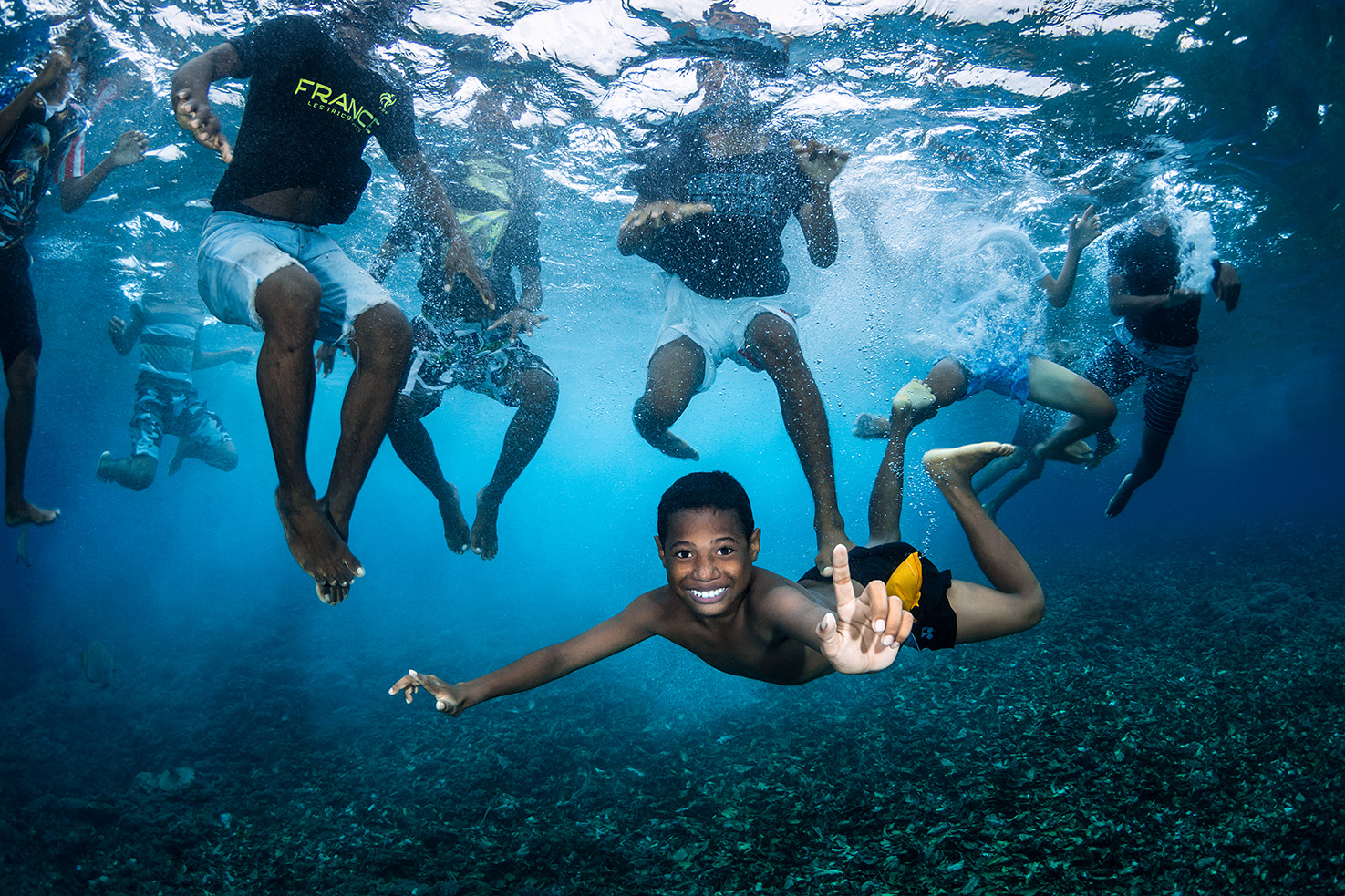
We know that the world is facing a planetary emergency of nature loss and climate change. It is made worse by the impacts of inequality, conflict, insecurity and health crises. UNDP aims to put nature at the heart of a shared global understanding of sustainable development. Where nature is being protected and restored as a planetary safety net for humanity, safeguarding our food, our water and our livelihoods and jobs, our climate, our health, our security – and our economies. And where nature enables people to rise out of poverty and inequality to live in a more just and sustainable future.

Bees and other pollinators are fundamental for the health of ecosystems and food security. They help maintain biodiversity and ensure the production of nutritious food. However, intensive monoculture production and improper use of pesticides pose serious threats to pollinators. This year, for World Bee Day (20 May), FAO calls for global action to support pollinator-friendly agricultural production and highlights the importance of protecting bees and other pollinators. Follow the event this Friday 19 May, 10:00 (Rome time, Italy).

Biological diversity is a crucial resource to our survival. Unfortunately, the number of species is being significantly reduced due to human activity. But tables can turn. On this International Day for Biological Diversity (22 May), everyone has a role to play. With the Kunming-Montreal Global Biodiversity Framework (GBF) in place- a historic agreement with measures to stop the loss of nature by 2050 - the focus must quickly shift to its implementation. Spread the word and encourage everyone to take action for our biodiversity.

Argania spinosa, known as the argan tree, is not just a tree. This Moroccan multipurpose species supports income generation and rural women’s inclusion, increases resilience, and improves climate adaptation. For centuries, the argan tree has been a mainstay of the Berber and Arab-origin indigenous rural communities, which developed a specific culture and the unique knowledge associated with the traditional production of argan oil by women. Let’s celebrate and get to know the importance of this magical tree on the International Day of Argania (10 May).

The 19th UN Forum on Forest (UNFF19) takes place on 6 to 10 May in New York. UNFF is a high-level intergovernmental policy meeting to implement forest-related agreements, foster a common understanding of sustainable forest management, and monitor and strengthen political commitments. This edition will evaluate the implementation of the UN Strategic Plan for Forests 2017-2030, while the thematic priorities focus on enhancing forest-based benefits, increasing the area of protected forests, mobilizing resources, and strengthening scientific cooperation.

It is rich in Omega-3 and it also contains minerals, proteins, and vitamin B12, among other advantages. As a result of the amazing qualities of tuna, the fish are threatened by overwhelming demand, overfishing, and climate change’s effects. That is why, every 2 May, we observe World Tuna Day, to underline the importance of conservation management. Promoting systems to protect tuna stocks for the health of the ocean ecosystem will also ensure the livelihood of those small-scale fishing markets that provide employment, income and food security in the most disadvantaged areas of the world.
UN Women highlights the importance of collecting gender-environment data to improve women and men’s lives. It shows women and men in Tonga talk about their interactions with the environment, the effects of climate change, and the impact of disasters.
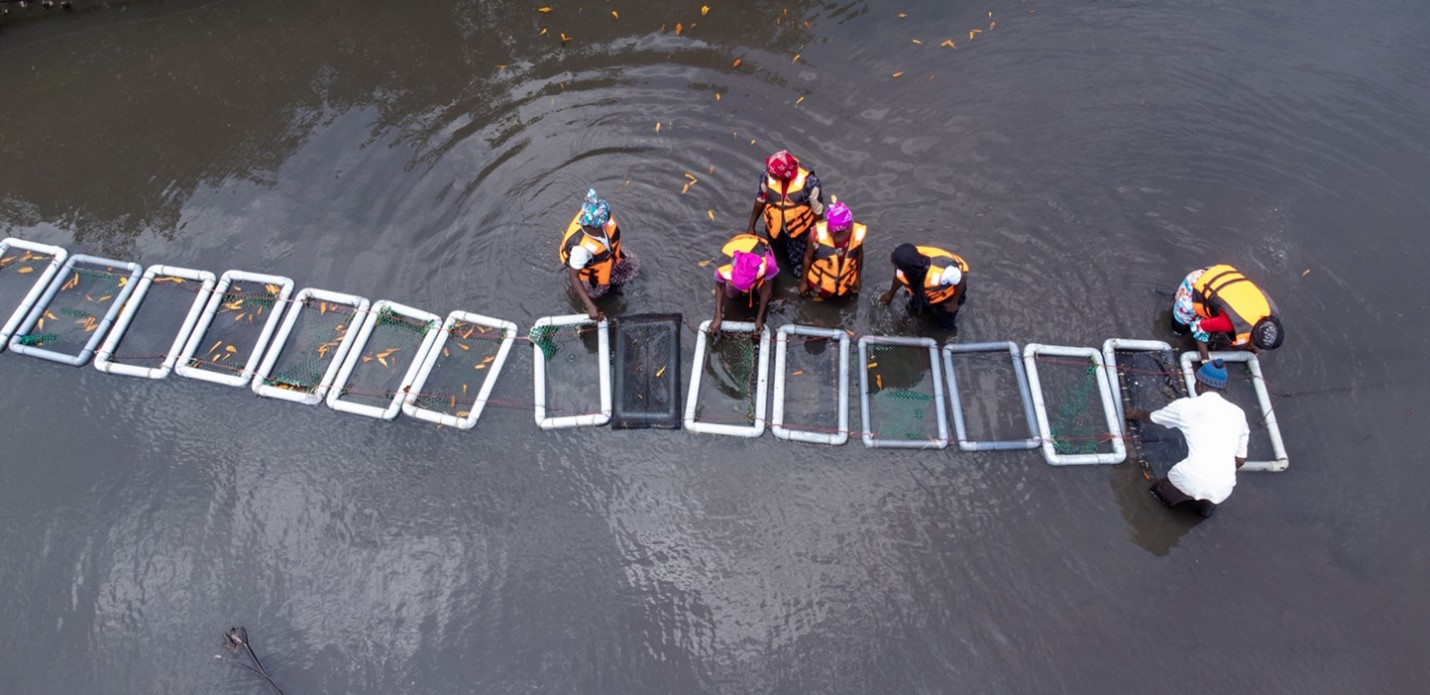
From deforestation to the destruction of coral reefs, ecosystems across the globe are being decimated. The world’s most vulnerable populations are the ones paying the highest price, with rural people experiencing the effects on their livelihoods, their food security and their ways of life. Through IFAD’s Rural Poor Stimulus Facility and PROGRES, farmers have access to irrigation and seeds suitable to the region’s semi-arid conditions. By planting various types of trees, such as Pistachio, which have a strong root system, the soil is not swept away by rain, in turn conserving arid ecosystem and avoiding degradation
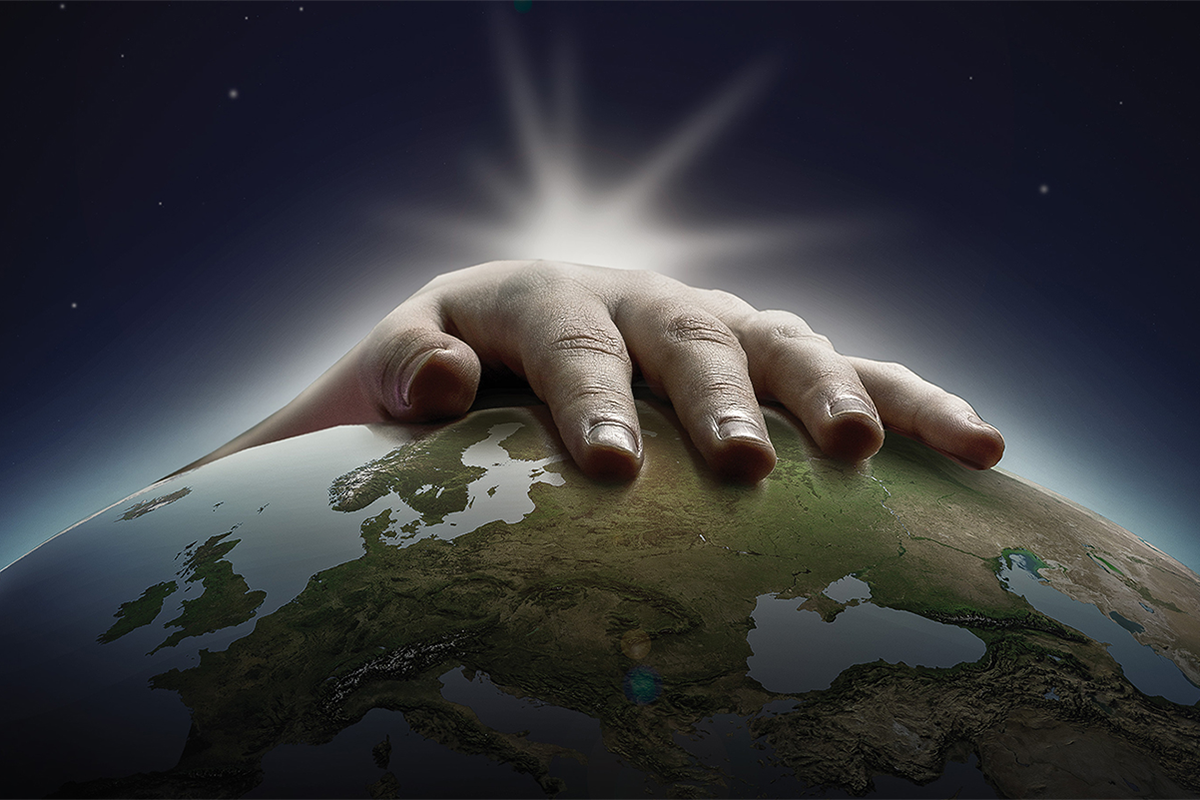
From the air we breathe to the water we drink to the soil that grows our food – humanity’s health depends on the health of our planet. Yet we seem hellbent on destruction. We must enhance our harmony with nature, accelerate climate action and implement the UN Biodiversity Agreement to ensure that 30% of the Earth’s land and water are protected by 2030. On Mother Earth Day (22 April), the UN Secretary-General urges “people everywhere to raise your voices and demand leaders make peace with nature.” Let’s act now. Follow the Mother Earth Day event on UN Web TV (24 April, 10 am EDT).
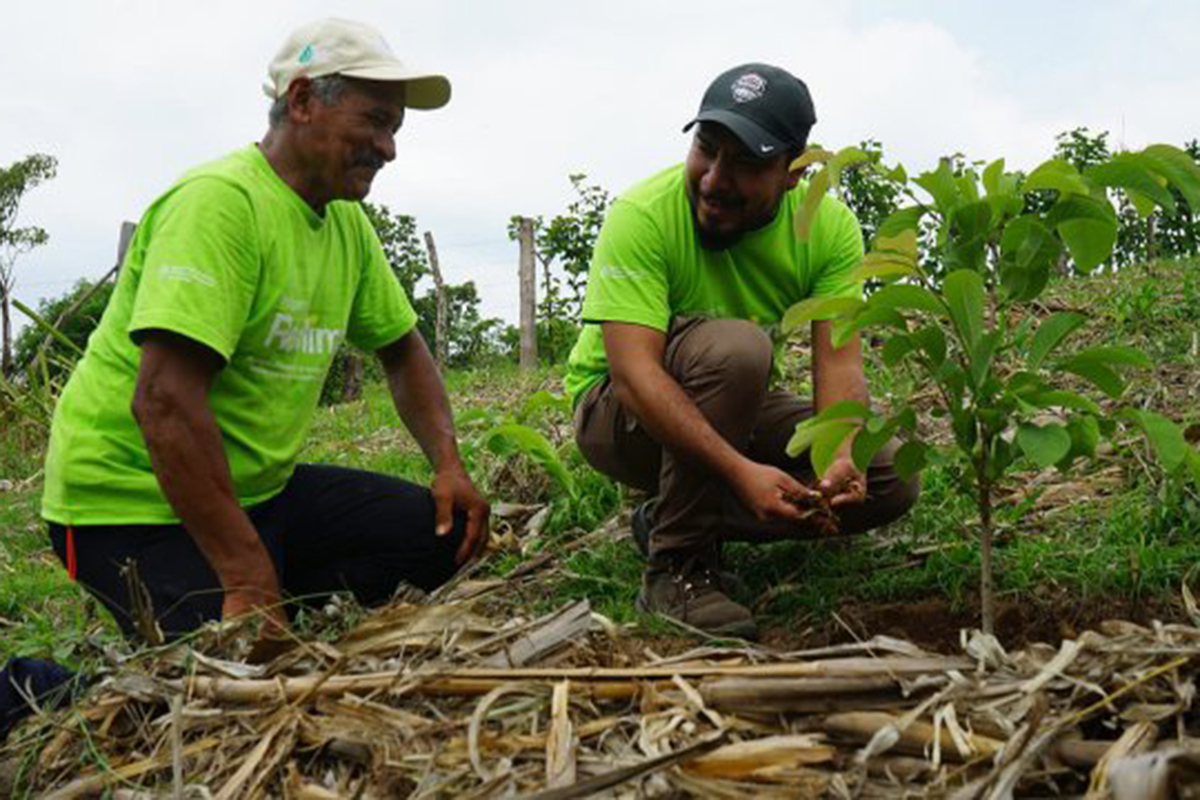
The is the Central American Dry Corridor is a 1,600-kilometre-long expanse through Guatemala, El Salvador, Honduras, Nicaragua, Costa Rica and Panama – home to 11.5 million rural people, who largely depend on agriculture for their livelihoods. Known for its erratic rainfall patterns, the Dry Corridor is one of the world’s most exposed and vulnerable regions to climate change. FAO’s RECLIMA project aims to restore degraded ecosystems in El Salvador and the Dry Corridor in general to regenerate the land and replenish water sources that people depend on for their food, income and well-being.
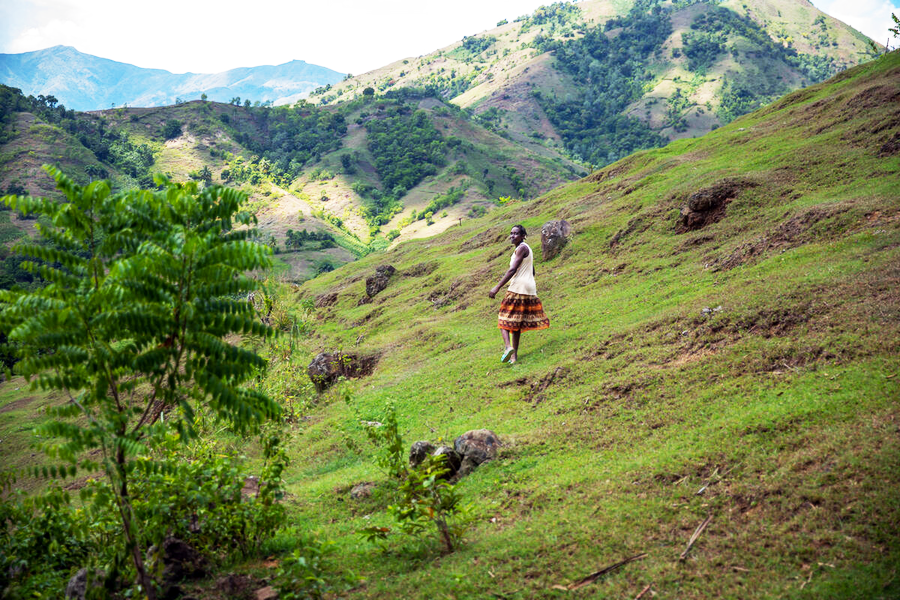
A healthy planet is one with clean water, fresh air, a nourishing ecosystem, and a stable and predictable climate. The health of our planet is all the more urgent today, as an ongoing global food crisis leaves nearly 350 million people facing high levels of food insecurity. The World Food Programme (WFP) works with communities to strengthen their resistance to worsening climate effects, through early-warning systems, physical and financial protection, and nature-based solutions. Between 2014-2021, WFP has supported communities in rehabilitating 1.6 million hectares of degraded land, building 111,000 water ponds and planting 60,000 hectares of forests. In Haiti, mother-of-three Rose participated in a WFP project to reduce landslides and conserve soil. Here are four actions you can take to help the planet.
To save our land, we must save our ecosystems. One million species are threatened with extinction, soils are turning infertile and water sources are drying up. UNEP presents China’s Shan-Shui Initiative which is reviving lost land and forgotten villages as innovators marry science and tradition to bring rural economies and landscapes back to life.
UNEP presents peatlands, which are effective carbon sinks, absorbing more carbon from the atmosphere than they produce. The Congo Basin peat swamp forest stores around 29 billion tons of carbon and cover only 3% of the Earth's surface. However, despite their importance, the world’s peatlands are disappearing at an alarming rate.