

The Mojana region in northern Colombia faces extreme water issues, with alternating floods and droughts. These conditions make it hard for the 400,000 residents to protect their health, earn sustainable incomes, and adapt to a changing climate. The Colombian Government sought help from the United Nations Development Programme (UNDP) to work with local communities. It launched a pilot project to reduce climate vulnerability by focusing on wetland restoration, local livelihoods, and infrastructure. The inland delta comprises 500,000 fertile hectares in a complex of rivers and wetlands that nourish some of the world’s richest biodiversity.
Natural Resources and the Environment

Fourth mass bleaching event underscores urgent need for global action to save imperiled coral reefs from climate change-induced extinction.
Climate change and prolonged droughts pose an ever-increasing threat to agriculture in Cabo Verde.Through the FAO-China South-South Cooperation project, a group of Chinese experts pass on their knowledge and expertise to Cabo Verdean farmers and livestock producers to fight pests, manage soil and animal production, and offer other useful techniques in adapting to the effects of climate change.

As climate records are shattered and emissions continue to rise, on this World Environment Day (5 June) the UN Secretary-General sets out some hard-hitting truths about the state of the climate, the grotesque risk leaders are running, and what companies and countries – particularly the G7 and the G20 – need to do over the next eighteen months to salvage humanity’s chances of a livable future. Follow LIVE at 10 AM EDT at the American Museum of Natural History.
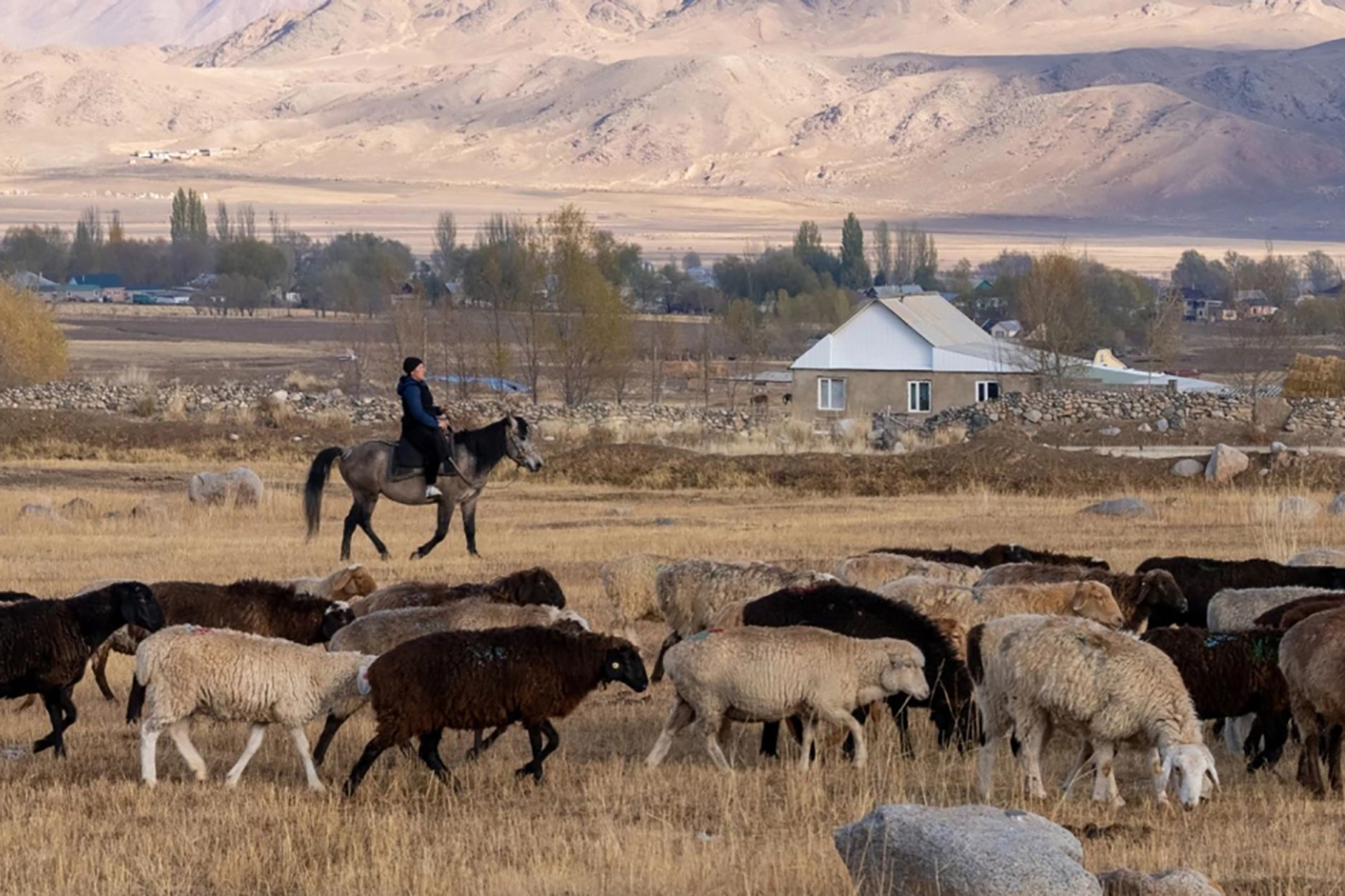
Land sustains life on Earth, but more than 2 billion hectares of the world’s land is degraded, affecting more than 3 billion people. Vital ecosystems and countless species are under threat. It is crucial to find ways to stop dry land from becoming desert, fresh water sources from evaporating, and fertile soil from turning to dust. World Environment Day (5 June) will highlight how everyone can help end land degradation and restore blighted landscapes. The United Nations World Environment Programme (UNEP) offers seven ways to get involved in restoring ecosystems.
Hundreds of thousands of people are coming together to revive their lands – by tuning dried up monoculture plots into forest gardens.

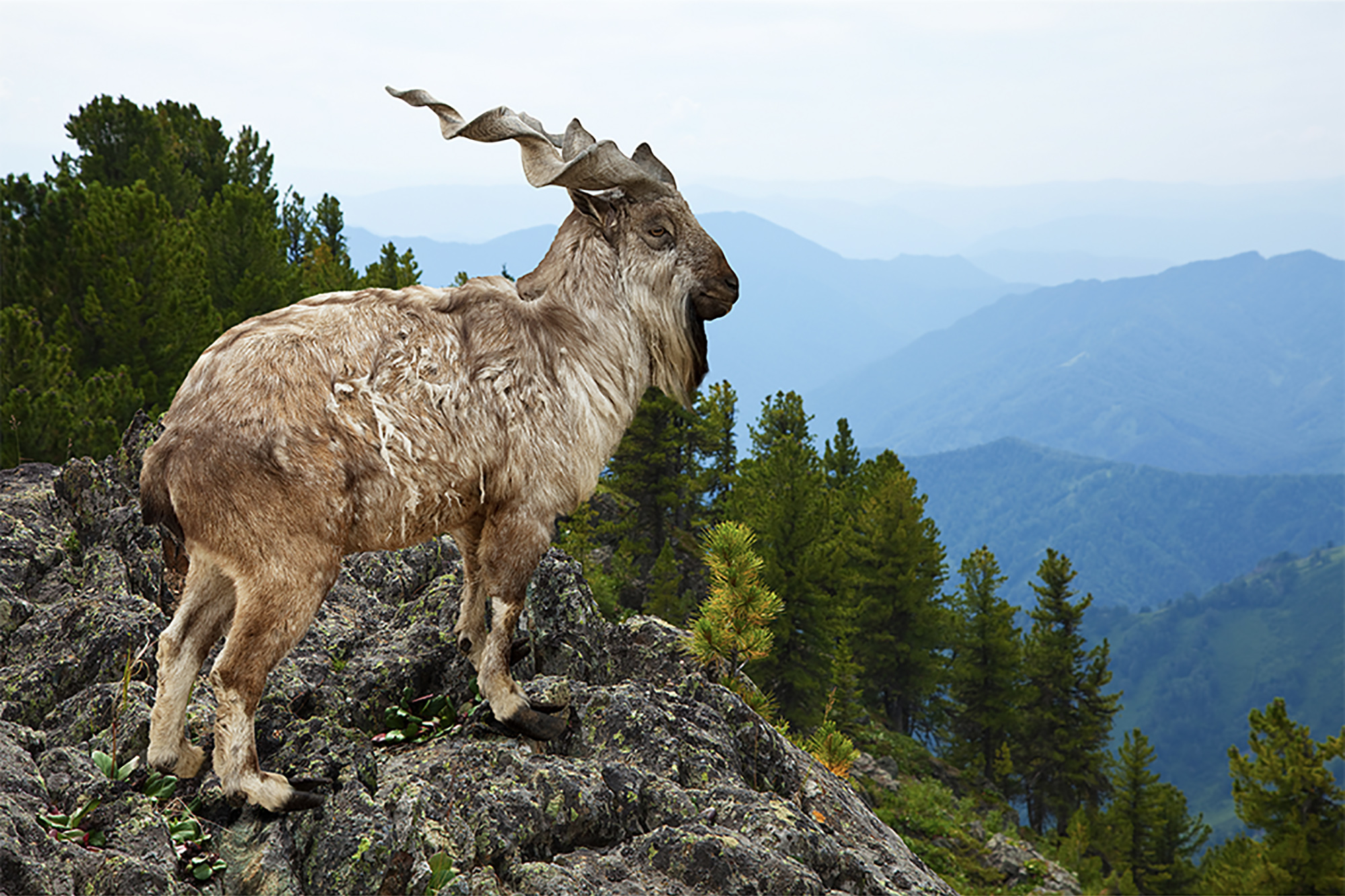
Today we celebrate for the first time the International Day of the Markhor, an iconic and ecologically significant species found across the mountainous regions of Central and South Asia. Categorized as “near threatened“, the main threats to the markhor’s survival are habitat loss, illegal hunting and climate change. Besides its ecological value, the markhor is a valuable species that contributes to local economies. Preserving the markhor and its natural habitat is an ecological imperative and a significant opportunity to bolster the regional economy.
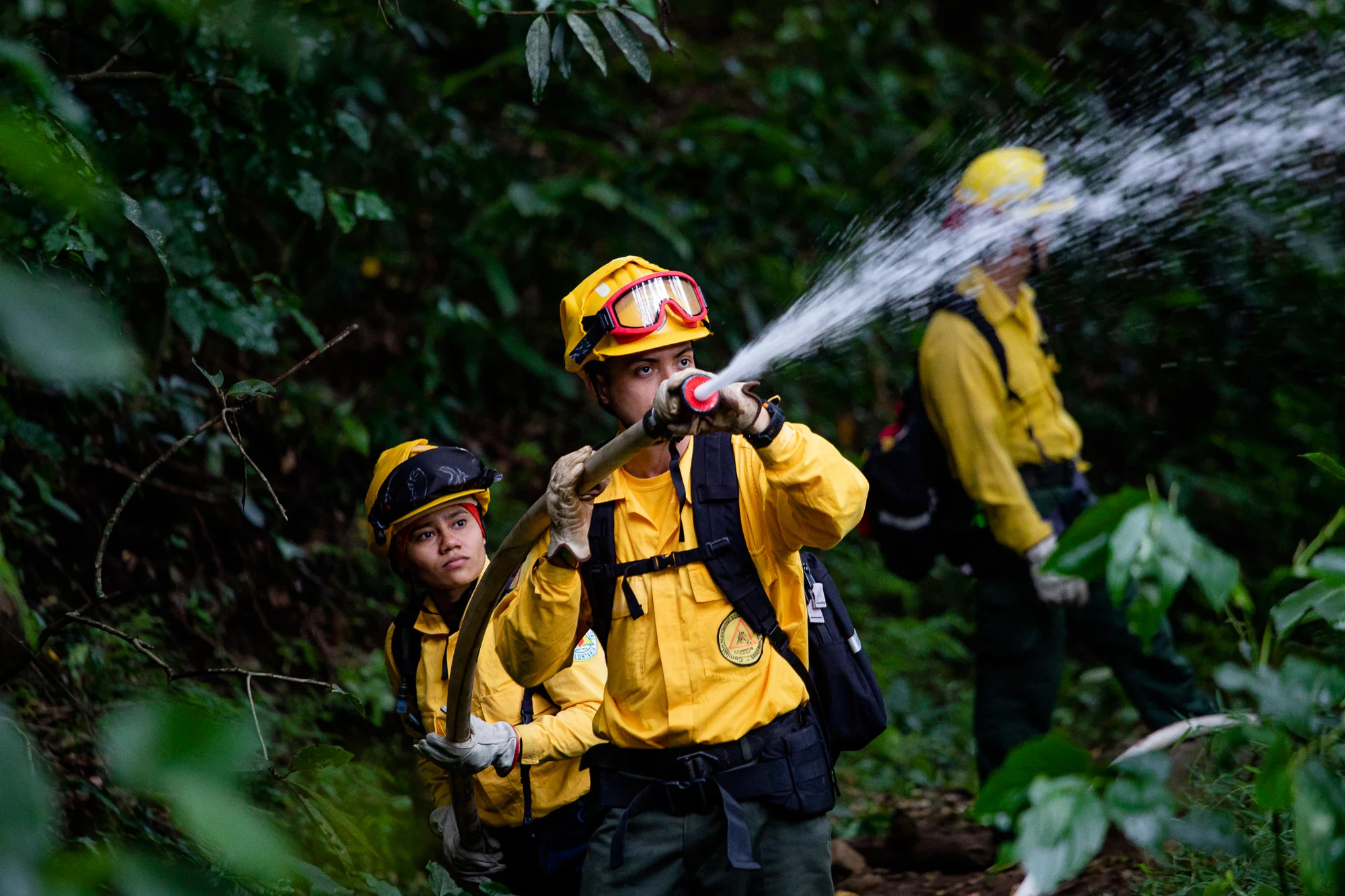
In 2023 alone, 400 million hectares were consumed by flames—an area twice the size of Mexico. Forest fires cause biodiversity loss, release large quantities of carbon dioxide, and degrade the soil and contaminate water resources. Today, more than half of forest fire-related costs go toward rapid response. But less than 1 percent is spent on planning for and preventing this environmental threat. Costa Rica's Volunteer Forest Fire Brigade has been supported by the Global Environment Facility’s Small Grants Programme (SGP), implemented by the United Nations Development Programme (UNDP), in fighting forest fires for the last 30 years.
Restoring Mediterranean forests has been recognized as a World Restoration Flagship under the UN Decade on Ecosystem Restoration, offering hope and solutions to these pressing challenges.
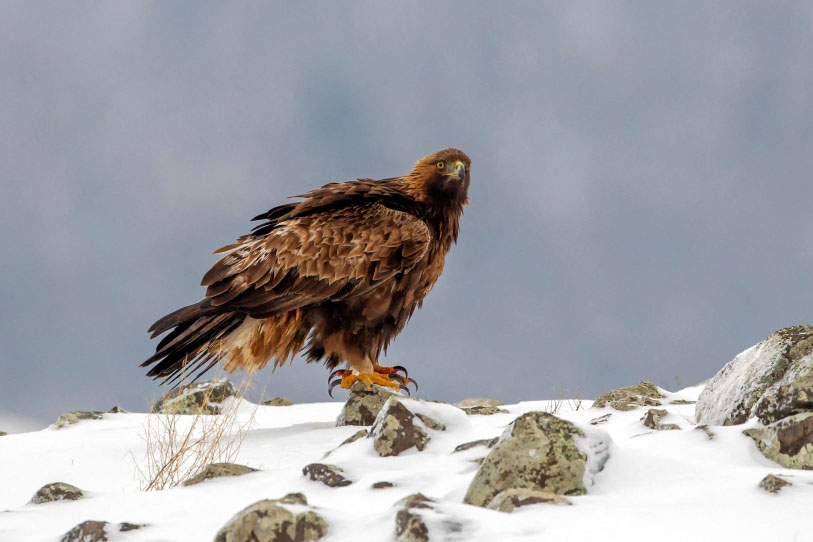
Adaptation policies, including forest restoration and nature-friendly management practices, play a crucial role in mitigating climate risks in the Carpathian Mountains, while promoting biodiversity and ecosystem resilience.
UNEP presents Nepal’s Terai Arc Landscape as one of the last places where tigers, elephants, rhinos, and humans co-exist. In recent years, the country’s tiger population has tripled – but attacks were on the rise.
The Terai Arc Landscape has been recognized as a World Restoration Flagship under the UN Decade on Ecosystem Restoration.

Hussen Nasser Al-Yabari, Yemeni environmental journalist, embodies an unwavering courage and dedication as he illuminates critical environmental issues amidst conflict.
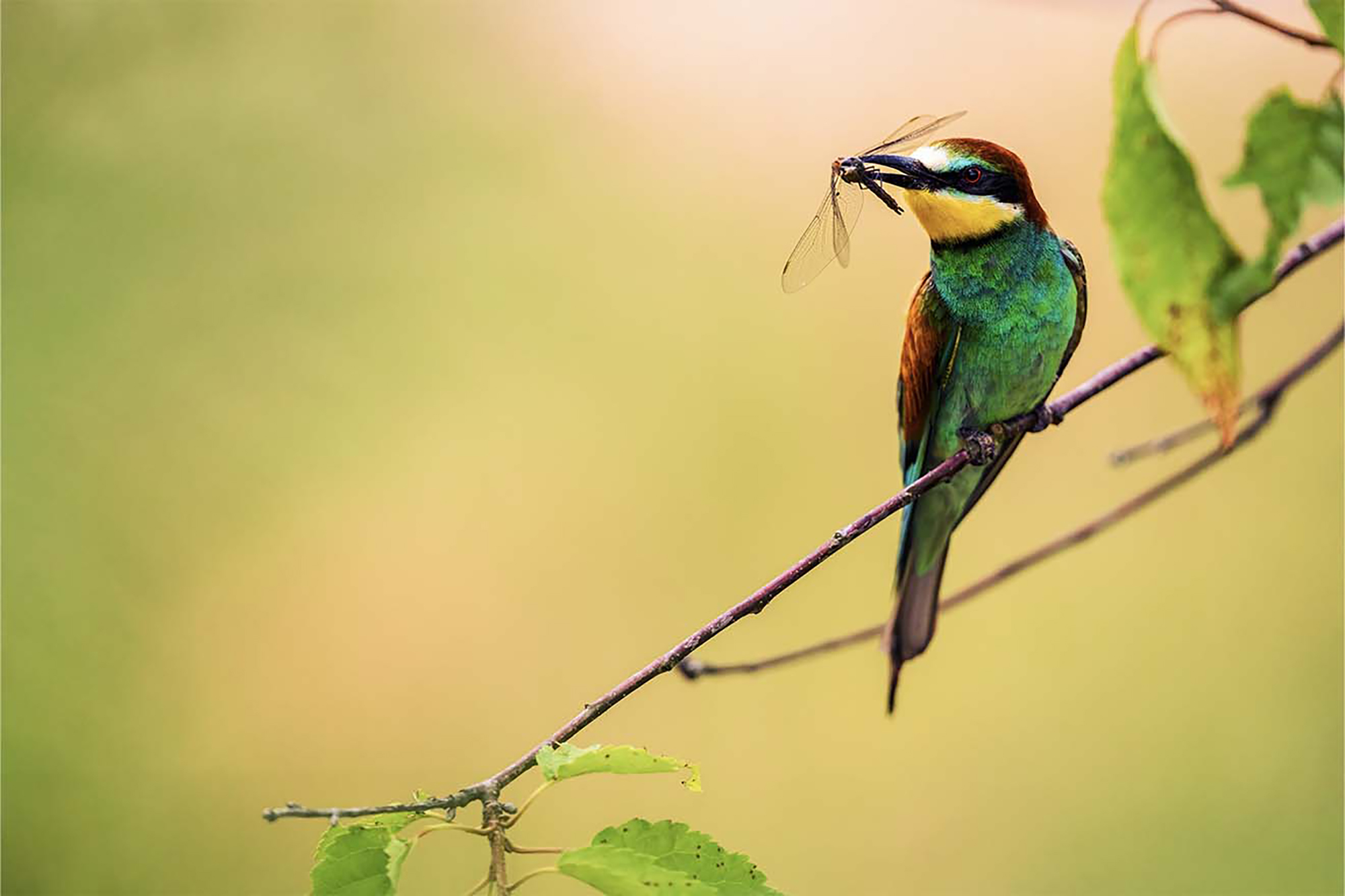
World Migratory Bird Day highlights the vital role of insects for migratory birds and the concern that declining insect populations along migratory routes are threatening bird survival and impacting ecosystems. Habitat loss due to agriculture and urban development, along with pesticide use, contributes to declining insect populations, and insect scarcity affects bird migration and breeding, reducing reproductive success and increasing mortality rates. Conservation efforts focus on promoting organic farming and preserving natural habitats to support bird survival and ecosystem balance.

This year’s World Press Freedom Day (3 May) focuses on the importance of journalism and freedom of expression in the context of the global environmental crisis. Journalists face significant challenges in gathering and disseminating information on issues such as climate change, illegal mining, and deforestation. Misinformation campaigns pose a threat to informed public debate and can undermine international efforts to tackle environmental issues. Accurate, timely and comprehensive reporting on environmental issues is critical to achieving sustainable development.